

Choose durable build, fine mesh filter, the right size, and good heat retention for best coffee.
As a longtime coffee lover and product tester, I’ve spent years brewing with many presses. I will walk you through what to look for in a french press coffee maker with clear, practical advice. Expect examples, trade-offs, and easy tips you can use when buying or brewing.

Key factors to consider when buying a french press
What to look for in a french press coffee maker starts with a few core choices. These choices shape flavor, ease of use, and how long your coffee stays hot. Focus on materials, filter design, size, and cleaning needs first. Personal testing shows these decide whether you brew great coffee or a bitter cup.

Materials and build quality
What to look for in a french press coffee maker includes the body material and parts. Common options are glass, stainless steel, and plastic. Glass looks nice and is inert, but it can break. Stainless steel is sturdy and keeps heat well. Look for quality seals, a well-fitted lid, and a solid handle. A thin handle or loose lid makes the press feel cheap.
- Corrosion-resistant stainless steel gives long life and steady heat.
- Borosilicate glass resists thermal shock better than regular glass.
- BPA-free plastic parts are fine, but avoid them near heat if you care about taste.

Filter system and brewing performance
The filter is central. What to look for in a french press coffee maker often comes down to mesh quality. A fine, tightly woven stainless steel mesh traps most grounds but lets oils through. Multi-layer filters give cleaner cups. Poor filters let grit into the cup and can make coffee muddy.
- Single fine mesh works for most brews.
- Double or triple filters reduce sediment and give cleaner taste.
- A well-aligned plunger prevents channeling and uneven extraction.
Size, capacity, and how you use it
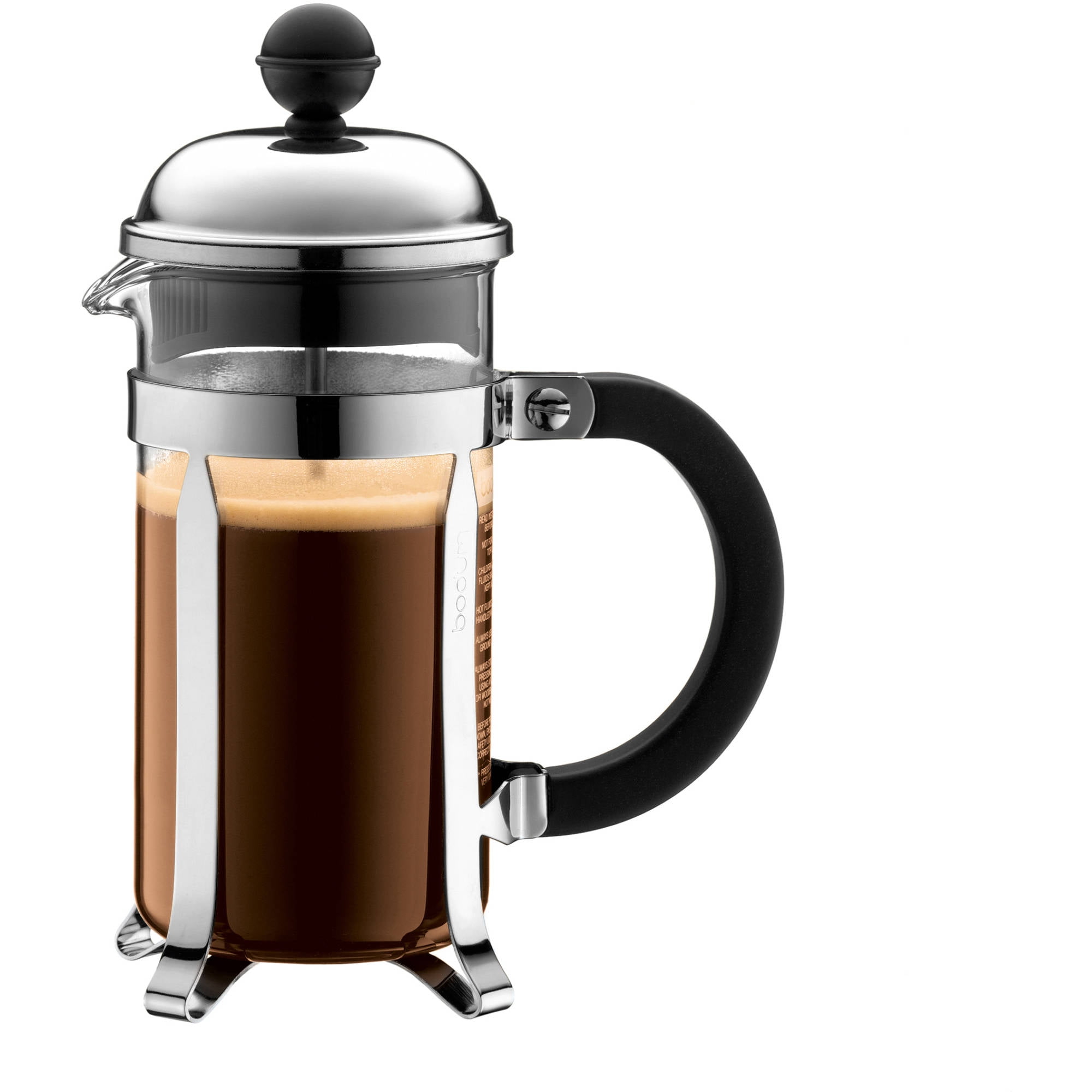
What to look for in a french press coffee maker depends on how many cups you make. Small presses (12–17 oz) suit solo drinkers. Medium (34 oz) is good for two. Large presses can serve a small group. Think about counter space and cup size. If you drink one large mug, a small press may be fine. If you host or brew for two, go larger.
- 12–17 oz for one person.
- 34 oz for two.
- 51 oz or more for families or shared cups.
Heat retention and insulation
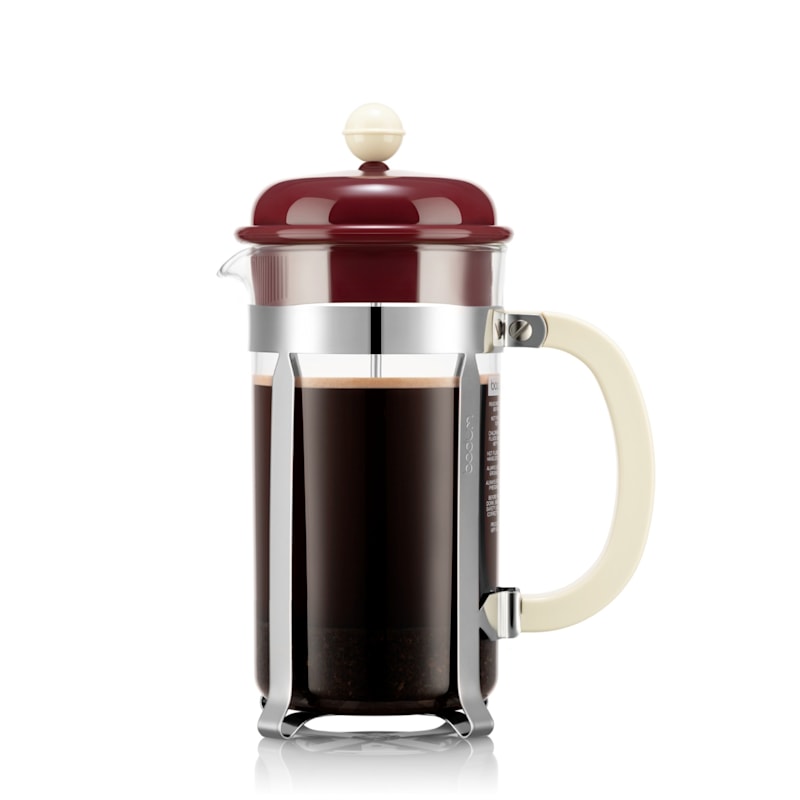
What to look for in a french press coffee maker includes how long it keeps coffee hot. Double-walled stainless steel presses keep heat longer than glass. Glass carafes lose heat fast unless they sit on a hot cup. Good insulation matters if you sip slowly. If you want a hot cup for 30+ minutes, pick insulated steel.
- Double-wall steel = best heat retention.
- Glass with cozy or sleeve helps but is not as good.
- Keep brewed coffee in a thermal carafe if you need long heat.
Ease of use and cleaning
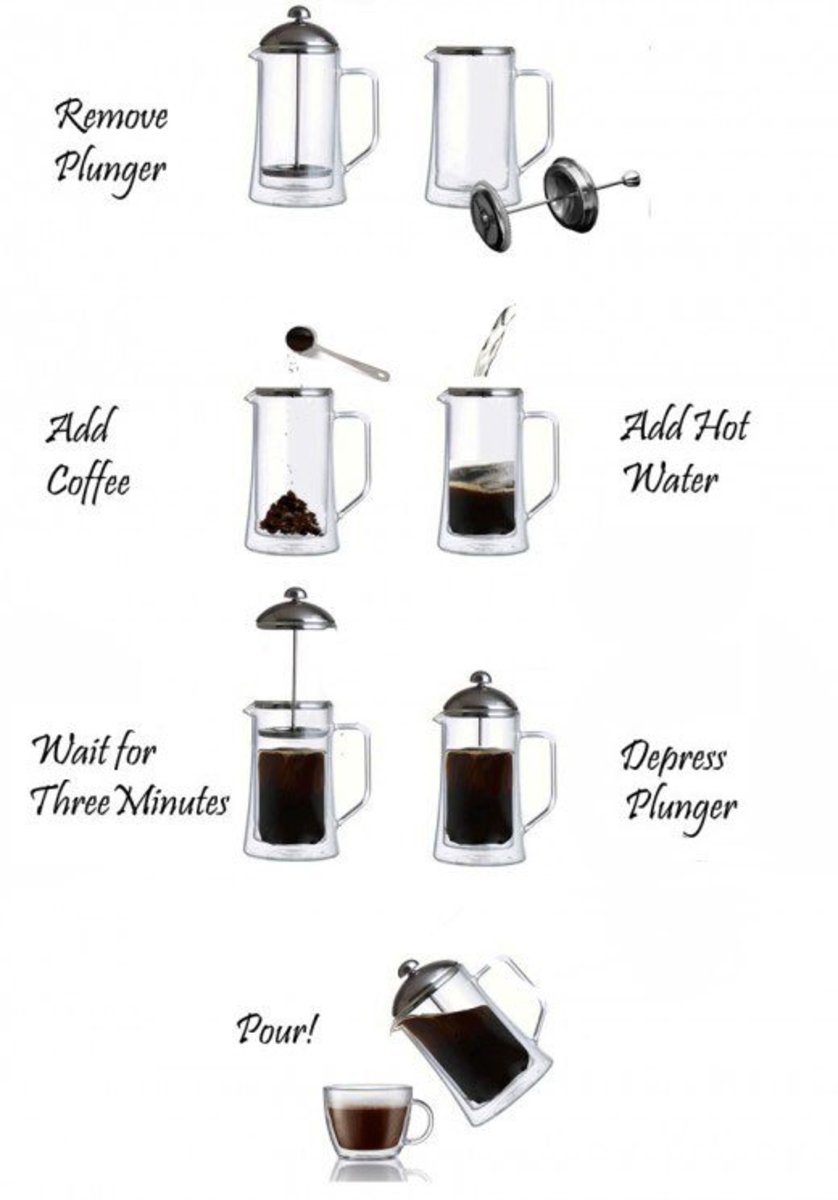
What to look for in a french press coffee maker is also how easy it is to clean. Presses with removable filters and few parts clean faster. Dishwasher-safe parts save time. Tricky filters trap grounds and need deep scrubs. I learned to prefer presses with screw-apart plungers for easy washing.
- Removable, screw-apart plungers are easiest to clean.
- Dishwasher-safe glass or metal saves time.
- Fewer parts mean less chance of lost pieces.

Design, ergonomics, and safety
What to look for in a french press coffee maker includes handle comfort and spout design. A large, stable base prevents tipping. A well-shaped spout pours without drips. Heat-safe handles and lids reduce burns. If you have kids, avoid glass models that shatter easily.
- Wide base adds stability.
- Drip-free spout makes pouring neat.
- Comfortable handle helps when full.

Price, warranty, and value
What to look for in a french press coffee maker is not just price. A cheap press may save cash but cost time and flavor. Mid-range models often give the best balance of build and filter quality. Look for warranties and good return policies. I once kept a press for years because the brand offered parts and a reliable filter.
- Spend for quality filter and build if you brew daily.
- Check warranty and spare-part availability.
- Compare cost per use, not just sticker price.

Brewing tips and a simple recipe
Knowing what to look for in a french press coffee maker helps, but brewing matters too. Use coarse, even grounds and water just off the boil. Stir after pouring, let steep 4 minutes, then plunge slowly. Pour immediately to avoid over-extraction.
Simple French press recipe I use:
- Measure 1 gram coffee per 15 grams water.
- Heat water to 200°F (just off boil).
- Add grounds, pour water, stir, and place lid.
- Wait 4 minutes, then press gently and pour.
Small tweaks change taste. Try 3.5–5 minutes and a coarser grind if bitter.
Common trade-offs and limitations
Even after you learn what to look for in a french press coffee maker, know there are limits. French press coffee has more oils and body than drip coffee. It can be gritty if your filter is coarse. Insulated presses can be heavier and cost more. No model is perfect for every use case.
- Rich flavor but more sediment.
- More hands-on than automatic brewers.
- Best for small batches, not high volume in short time.
Personal lessons and mistakes to avoid
I’ve used many presses and learned some clear lessons. Do not use fine espresso grind in a french press. It clogs filters and makes bitter cups. Avoid cheap, thin glass if you move your press often. Buy a spare glass carafe or replacement filter if you like that model. These small choices saved me time and money.
- Avoid too-fine grinds to cut grit and bitterness.
- Test a model with your preferred cup size before committing.
- Keep spare parts if the brand supports them.
PAA-style quick questions
- What grind should I use for french press? Use a coarse, even grind to reduce sediment and get balanced extraction.
- How long should I steep in a french press? Steep 3.5 to 5 minutes; adjust by taste to avoid sour or bitter notes.
- Is stainless steel better than glass? Stainless steel keeps heat longer and is more durable, while glass shows the brew and is lighter.
Frequently Asked Questions of what to look for in a french press coffee maker
What grind size works best in a french press?
Use a coarse, even grind. It limits fines and reduces sediment while giving a clean extraction.
How important is the filter mesh quality?
Very important. A fine, multi-layer stainless steel filter gives fewer grounds and better texture.
Can I use a french press for tea or cold brew?
Yes. A french press works well for steeping tea and making small-batch cold brew with coarse grounds.
Does a double-walled press make better coffee?
Double-walled presses keep coffee hotter longer but do not change flavor by themselves. Insulation helps slow cooling.
How often should I replace the filter or carafe?
Replace filters when they warp or let more grounds through. Glass carafes replace when cracked. Many people replace filters every 1–3 years with daily use.
Conclusion
Choosing the right press means knowing what to look for in a french press coffee maker and matching that to your habits. Pick solid materials, a good filter, the right size, and easy-to-clean parts for the best mix of flavor and convenience. Try a few brews, tweak grind and time, and learn what suits your taste. Ready to make better coffee? Try one model with these points in mind, share your experience, or leave a question below.