

A French press extracts richer flavor and natural oils, giving fuller body than many drip machines.
I’ve brewed with both machines for years, and I’ll walk you through why use a french press instead of coffee maker with clear, practical reasons. I’ll explain how a French press works, how it changes taste, when it’s a better pick, and step‑by‑step tips so you get great coffee at home every time.

Benefits of a French press over a coffee maker
A French press gives a fuller cup and more control. When people ask why use a french press instead of coffee maker, they often want better flavor and simple gear. A French press extracts oils and solids that paper filters trap. That adds body and a rounder mouthfeel.
Benefits at a glance:
- Fuller flavor and body because metal mesh lets oils pass through.
- More control over brew time and temperature.
- Simple design, easy repair, and fewer electronics to break.
- Lower ongoing cost: no paper filters or pods.
From my experience, a French press is ideal when you want a rich cup without fuss. It’s forgiving to small timing errors and shines with freshly roasted beans.

How a French press works and why that matters
A French press is simple. You steep coffee grounds in hot water and press a mesh plunger to separate grounds from liquid. There is direct contact between water and grounds for the full brew time.
Key steps in the process:
- Coarse grounds are mixed with hot water.
- Coffee steeps for a set time, allowing oils and soluble flavors to dissolve.
- The plunger presses grounds to the bottom, leaving brewed coffee above the mesh.
This method is why use a french press instead of coffee maker when you want extraction control. The long contact time and lack of paper filters change the flavor profile in ways many coffee lovers prefer.

Taste, texture, and extraction differences
The biggest difference you taste is body. French press coffee feels thicker and more rounded. Drip coffee is often cleaner and brighter because paper filters trap oils and fine particles.
What to expect:
- Aroma: More pronounced with a French press due to retained oils.
- Body: Heavier, richer mouthfeel from suspended micro‑particles.
- Acidity: Often softer; oils smooth sharp acids found in some beans.
- Clarity: Drip coffee often has a clearer cup; French press may have light sediment.
When considering why use a french press instead of coffee maker, think about the cup you enjoy. If you like latte‑like weight in a black cup, French press is a strong choice.

Health, oils, and cleaning considerations
A common point is oils. Paper filters trap diterpenes, which can affect cholesterol if consumed in very large amounts. Metal filters let oils through, increasing beneficial antioxidants but also letting diterpenes pass.
Practical notes:
- Moderate consumption is key; most people won’t be affected by occasional French press use.
- Clean the press well. Leftover grounds can create off flavors and bacteria.
- Rinse and scrub the filter and glass after each use. Replace filters yearly if worn.
I wash my French press right after use. That keeps taste bright and extends the life of the press.
 sustainability, and waste”
style=”max-width: 100%; height: auto; border: 2px solid black; border-radius: 10px; display: block; margin: 0 auto;”
loading=”lazy”
/>
Cost, sustainability, and waste
A French press is low waste. No paper filters, no single‑use pods, and minimal electricity. If you value sustainability, this is a clear win.
Cost facts:
- One initial purchase covers years of use.
- No recurring filter or pod costs.
- Recyclable or durable parts reduce landfill waste.
From an environmental and budget view, asking why use a french press instead of coffee maker often leads people to choose French press for both savings and lower waste.
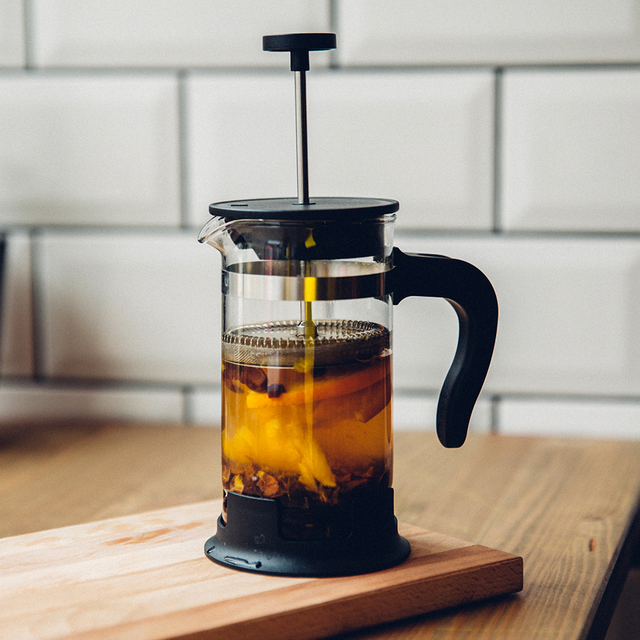
Practical considerations: when to choose a French press vs a coffee maker
Not every situation favors a French press. Choose based on needs.
Pick a French press when:
- You want fuller flavor and control.
- You brew small batches and enjoy the ritual.
- You prefer low waste and easy gear.
Pick a coffee maker when:
- You need quick, fuss‑free brewing.
- You want a very clean cup or consistent auto‑programmed brew.
- You often brew single cups at a time and value speed.
When thinking why use a french press instead of coffee maker, weigh taste and ritual versus convenience. For weekend mornings, French press often wins; for weekday rushes, a drip machine may fit better.

Brewing guide: make a great French press cup
Follow this simple routine for consistent results.
Basic ratio and steps:
- Use a 1:15 to 1:17 coffee‑to‑water ratio. Example: 20 g coffee to 300 g water.
- Grind coarse, like breadcrumbs.
- Heat water to about 200°F (just off boil).
- Bloom: Pour a little water to wet grounds, wait 30 seconds.
- Pour remaining water, stir gently, and place lid with plunger up.
- Brew 4 minutes for most beans. Press slowly and serve.
Tips from experience:
- Use fresh beans and grind right before brewing.
- Preheat the press with hot water to keep temperature steady.
- If it tastes muddy, try coarser grind or shorter brew time.
This method answers many questions about why use a french press instead of coffee maker by focusing on simple control points.

Common mistakes and troubleshooting
Avoid these frequent errors to get the best cup.
Common issues:
- Too fine a grind causes overextraction and sludge.
- Brewing too long makes the cup bitter.
- Not cleaning promptly leads to stale or sour flavors.
- Pressing too fast can push grounds through the mesh.
Fixes:
- Grind coarser for lighter, cleaner cups.
- Stick to 3.5–5 minutes depending on roast.
- Disassemble and rinse filter parts weekly to prevent buildup.
These fixes come from trial and error. I once brewed with a too‑fine grind and learned quick — the cup was gritty and bitter. Adjust grind and time to dial in your best taste.
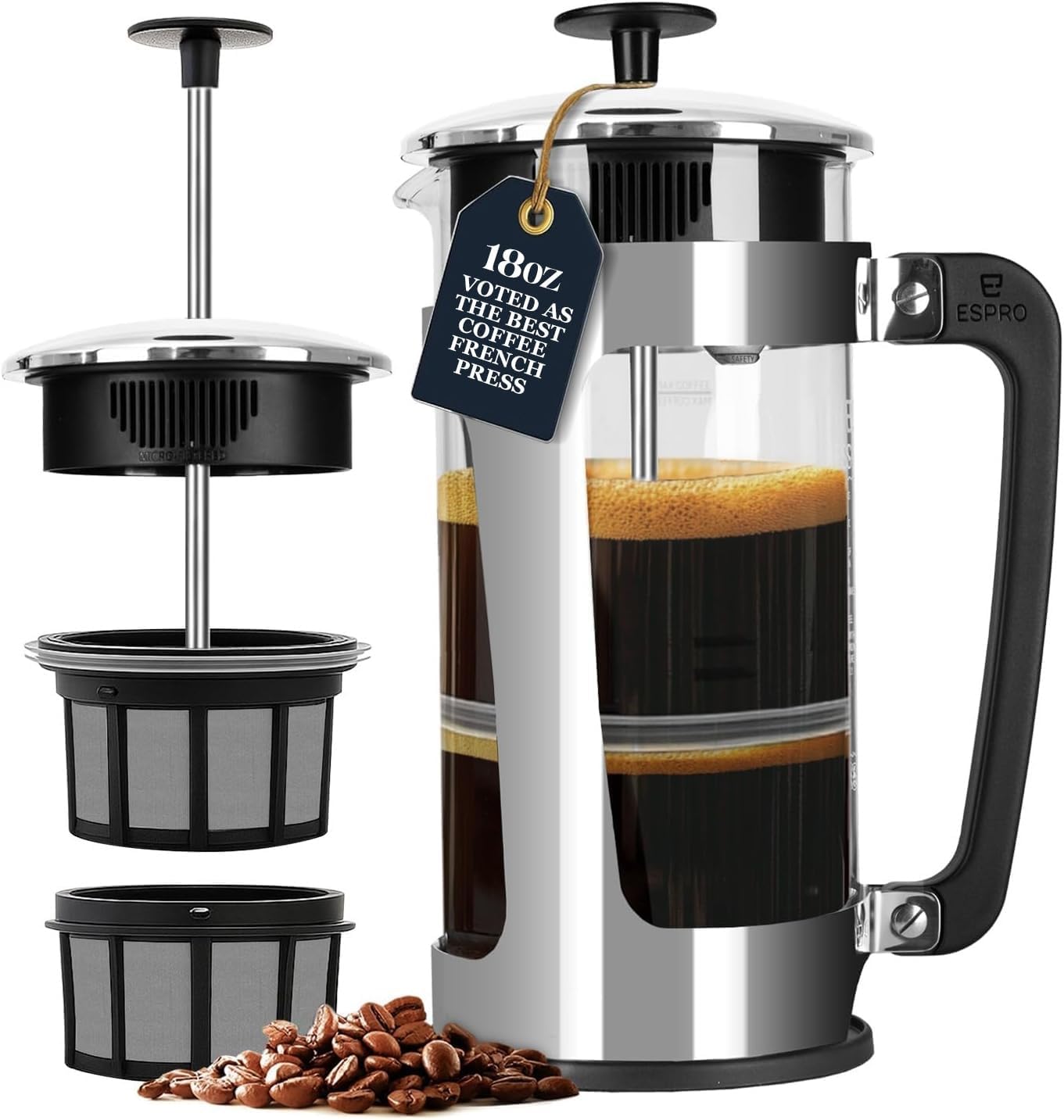
Frequently Asked Questions of why use a french press instead of coffee maker
Is French press stronger than a drip coffee maker?
Strength depends on ratio and extraction. A French press often tastes stronger because of more oils and suspended solids, but you can adjust strength by using less coffee or shorter brew time.
Will French press coffee have sediment?
Yes, some fine particles may pass the metal mesh. Using a slightly coarser grind and pressing slowly reduces sediment while keeping body.
Is a French press healthier than drip coffee?
Both methods are fine in moderation. French press retains oils that may affect cholesterol if you drink large amounts daily, but it also preserves antioxidants.
How long should I steep in a French press?
Four minutes is a reliable starting point. Tweak between 3.5 and 5 minutes to match bean roast and personal taste.
Can I use a French press for single cups?
Yes. Make small batches with the same ratio and smaller presses. It’s flexible for one to several cups.
Does grind size matter for French press?
Absolutely. Coarse grind is best. Too fine creates overextraction and more sludge. Adjust grind to improve clarity and taste.
Conclusion
Choosing why use a french press instead of coffee maker comes down to taste, control, and values. A French press offers richer flavor, less waste, and simple gear while a drip machine offers speed and clarity. Try brewing both ways and compare side‑by‑side. Start with a 1:15 ratio, coarse grind, and four minutes to see if the French press cup suits you.
Takeaway: experiment, clean often, and tune grind and time to your taste. If you enjoyed this guide, try a French press brew tomorrow and share your results or questions below.