Toast Doneness Levels Explained Understanding Perfect Toast Every Time

Toast doneness levels explained help you master the art of toasting bread to your perfect preference. Whether you like a light golden color or a deep, crisp crunch, understanding these levels ensures consistently delicious toast every time.
Key Takeaways
- Understanding toast doneness: Different levels range from lightly toasted to burnt, affecting flavor and texture.
- Toaster settings matter: Knowing your toaster’s heat and timer helps control doneness precisely.
- Types of bread influence results: Thickness, moisture, and bread type change how toast browns.
- Visual and tactile cues: Learn how to identify doneness by color and crunch instead of relying solely on toaster numbers.
- Practical tips: Tips for adjusting toast levels based on preferences and avoiding common issues like uneven toasting.
- Special breads and toasting: How to toast bagels, English muffins, and buns perfectly using different techniques.
- Maintenance of your toaster: Clean and calibrate your toaster for consistent results and longer lifespan.
📑 Table of Contents
- Introduction
- What Are Toast Doneness Levels?
- How Toaster Settings Affect Toast Doneness
- How Bread Type and Thickness Influence Toast Doneness
- Visual and Tactile Cues to Identify Toast Doneness
- Common Toasting Challenges and How to Fix Them
- Special Tips for Toasting Different Breads
- Maintaining Your Toaster for Consistent Doneness
- Conclusion
Introduction
Toasting bread seems simple, right? Pop a slice in the toaster, press the lever, and wait for that perfect golden crunch. But anyone who loves toast knows the struggle: sometimes it’s too pale, other times it’s burnt black, and occasionally it’s unevenly toasted. That’s where understanding toast doneness levels explained can change your breakfast game forever.
Whether you prefer a lightly toasted slice with just a hint of crunch or a deep, rich brown that’s almost caramelized, knowing how toast doneness works and how to control it makes all the difference. In this guide, we’ll explore the science and art behind toast doneness levels. You’ll learn how to get toast just the way you love it, every single time.
We’ll also share practical tips for using your toaster better, understanding how bread type affects results, and even how to toast other breads like bagels and English muffins perfectly. Ready to become a toast master? Let’s dive in!
What Are Toast Doneness Levels?
The Spectrum of Toasting
Toast doneness levels refer to the degree to which bread is browned and crisped by heat. This spectrum ranges from barely toasted to deeply charred. Each level changes the bread’s texture, flavor, and even aroma.
- Lightly Toasted: Slightly warmed with a pale golden surface, minimal crunch.
- Golden Brown: Classic toast color with a crisp exterior and soft center.
- Medium to Dark Brown: Richer flavor, crunchier texture, sometimes a hint of caramelization.
- Burnt: Blackened, bitter flavor, often unpleasant and dry.
Why Doneness Matters
The doneness level affects more than just taste. Toasting transforms starches and sugars in the bread through the Maillard reaction, creating complex flavors and aromas. Too little toasting can leave bread doughy and bland, while too much can ruin flavor and cause burnt compounds. Striking the right balance is key to enjoying toast at its best.
How Toaster Settings Affect Toast Doneness
The Role of Heat and Time
Your toaster controls doneness mainly by adjusting the heating time and intensity. Most toasters have numbered settings, usually from 1 to 7 or 1 to 10. Lower settings produce lighter toast, while higher settings give darker results.
However, these numbers are not universal. Different toaster brands and models vary significantly. For example, a “3” on one toaster might be equivalent to a “5” on another. That’s why it’s helpful to test your toaster to find your personal sweet spot.
Tips for Setting Your Toaster
- Start with a mid-range setting (around 3 or 4) and adjust based on results.
- Use short cycles for lighter toast and increase gradually if needed.
- Pay attention to how your toaster heats; some models heat unevenly, causing one side to brown faster.
- Refer to guides like why toaster burns one side explained for troubleshooting uneven toasting.
Understanding Your Toaster’s Heating Elements
The heating element inside your toaster converts electricity into heat. Thin wires glow red-hot to toast the bread. Some toasters have quartz or ceramic elements for faster, more even heating. Learning how your toaster’s heating element works can help you understand why toast doneness varies and how to optimize it. For a deeper dive, check out toaster heating element explained.
How Bread Type and Thickness Influence Toast Doneness
Bread Moisture Content Matters
Not all bread toasts the same way. Fresh bread with higher moisture takes longer to toast and may brown unevenly. Day-old or slightly stale bread toasts faster and often produces better flavor and texture.
Thickness and Shape
- Thin slices: Toast quickly, risk burning if left too long.
- Thick slices: Need longer to toast fully, but interior may remain soft.
- Unusual shapes: Round or irregular bread like bagels and buns require special toasting techniques.
Understanding how your bread’s type and thickness interact with toaster settings helps you adjust for perfect toast. If you want to explore special breads, see our detailed guides on toasting English muffins and toasting buns in toaster.
Visual and Tactile Cues to Identify Toast Doneness
Why Numbers Aren’t Enough
Relying solely on toaster settings can be misleading. To get consistent results, learn to recognize doneness by look and feel.
What to Look For
- Color: Light golden is usually the target for light toast; amber or deeper brown for medium; dark brown means close to burnt.
- Texture: Light toast feels just crisp on the outside; medium toast has a crunchy snap; burnt toast is hard and brittle.
- Smell: Toasted bread has a nutty, warm aroma. Burnt bread smells acrid and unpleasant.
Practical Tip
Try stopping the toaster mid-cycle to check progress, especially when experimenting with new breads or settings. This hands-on approach helps you learn your ideal doneness faster.
Common Toasting Challenges and How to Fix Them
Uneven Toasting
One side browning more than the other is a common problem. Causes include uneven heating elements, misaligned bread slices, or toaster design. Ensure bread is placed centered and flat. If issues persist, learn fixes in the guide why toaster burns one side explained.
Burnt Toast
Burnt toast ruins breakfast and wastes bread. Avoid it by using lower settings and watching time closely. Regularly clean crumbs and residue from your toaster to prevent flare-ups.
Toast Popping Up Too Early
Sometimes toast pops up before it’s done. This could be a mechanical issue or thermostat problem. For insights, see why toaster pops up explained.
Special Tips for Toasting Different Breads
Toasting Bagels
Bagels are dense and require longer toasting. Use the bagel setting if your toaster has one, which toasts the cut side more than the outside. For best results, check out our detailed guide on toasting bagels in toaster.
English Muffins and Buns
English muffins often toast better when split and toasted flat. Buns may need toasting on lower heat to avoid burning the outside while warming the inside. See our comprehensive tips on toasting English muffins and toasting buns in toaster for step-by-step advice.
Gluten-Free and Artisan Breads
These breads may toast differently due to their unique ingredients and textures. Start with lower settings and adjust slowly to avoid burning.
Maintaining Your Toaster for Consistent Doneness
Regular Cleaning
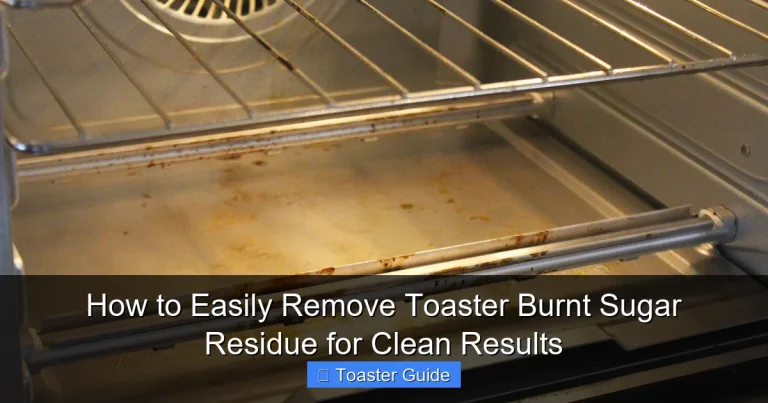
Crumbs and debris can affect heating and cause uneven toasting or fires. Empty the crumb tray regularly and wipe down surfaces.
Calibrating Your Toaster
If your toaster’s settings seem off, consider calibrating it by testing multiple cycles with the same bread and noting results. Adjust your usage accordingly.
When to Replace Your Toaster
Old or malfunctioning toasters may not toast evenly or consistently. If you notice persistent issues despite maintenance, it might be time to invest in a new model. For beginners looking for the perfect toaster, check out our toaster explained for beginners guide.
Conclusion
Understanding toast doneness levels explained is the secret to enjoying perfect toast every morning. By learning about toast color, texture, toaster settings, and bread types, you gain full control over your breakfast. Remember, practice makes perfect—experiment with your toaster and favorite breads to find your ideal toast doneness. With these tips and insights, you’ll never settle for mediocre toast again.
So next time you reach for your toaster, you’ll know exactly how to achieve that perfect slice—crispy, flavorful, and exactly how you like it. Happy toasting!
Frequently Asked Questions
What are the common toast doneness levels?
Toast doneness typically ranges from lightly toasted (pale golden) to golden brown, medium-dark brown, and burnt. Each level affects the flavor and crunchiness of your toast.
How do toaster settings influence toast doneness?
Toaster settings control how long and how hot the heating elements work. Lower settings produce lighter toast, while higher settings create darker, crispier slices. However, settings vary by toaster brand and model.
Can the type of bread affect how it toasts?
Yes, bread moisture, thickness, and type affect toasting. Fresh bread usually takes longer to brown, while stale or thin slices toast faster. Different breads like bagels or English muffins may require special techniques.
Why does my toast sometimes come out unevenly toasted?
Uneven toasting can result from misaligned bread, uneven heating elements, or toaster design. Centering your bread and cleaning your toaster regularly can help reduce this issue.
How can I prevent burnt toast?
Use lower toaster settings and monitor your toast closely. Clean crumbs from your toaster often to avoid flare-ups that cause burning.
Is there a way to toast bagels or English muffins perfectly?
Yes, use the bagel setting on your toaster if available, which toasts the cut side more. For English muffins, splitting them before toasting helps achieve even browning. Check detailed guides for more tips.