How To Avoid Toaster And Bread Sugar Issues For Perfect Toast

Toaster and bread sugar issues can ruin your perfect toast, causing unwanted burning, sticky residue, and uneven browning. This guide shares practical tips to avoid these problems and enjoy delicious toast effortlessly.
Key Takeaways
- Understand sugar’s role in toasting: Sugars in bread caramelize and can cause burning or sticking if not managed properly.
- Choose the right bread: Different breads react differently in toasters; knowing which to use helps prevent sugar-related issues.
- Adjust toaster settings wisely: Proper temperature and timing reduce the risk of burning sugar on bread.
- Clean your toaster regularly: Residual sugar and crumbs increase burning risks and affect toaster performance.
- Avoid putting buttered or sugary bread directly in the toaster: This prevents sticky messes and fire hazards.
- Use toaster-safe bread alternatives carefully: Some sweet breads need special attention to avoid sugar problems.
- Follow safety precautions: Prevent toaster fires by understanding how sugar affects toasting and by maintaining your appliance.
📑 Table of Contents
- Introduction: Why Toaster and Bread Sugar Issues Matter
- Understanding Sugar in Bread and Its Effect on Toasting
- Choosing the Right Bread for Toasting
- Adjusting Toaster Settings to Prevent Sugar Issues
- Cleaning and Maintaining Your Toaster to Handle Sugar Residue
- Tips to Prevent Sticky or Burned Toast from Sugar
- Understanding and Preventing Safety Issues Related to Sugar in Toasters
- Conclusion: Mastering Toaster and Bread Sugar Issues
Introduction: Why Toaster and Bread Sugar Issues Matter
There’s nothing like the smell of freshly toasted bread to start your day right. But if you’ve ever noticed your toast turning black too quickly or getting sticky inside the toaster, sugar in bread might be the culprit. Many breads contain natural or added sugars, which caramelize when heated, sometimes leading to burning, uneven browning, and even sticky residues that are hard to clean. These issues not only affect the taste and texture of your toast but can also damage your toaster and pose safety risks.
This guide is here to share everything you need to know about how sugar in bread interacts with your toaster and what you can do to avoid those frustrating problems. Whether you love sweet breads, artisanal loaves, or just a simple slice of white bread, understanding how to manage sugar in toasting will help you achieve perfect results every time.
We’ll cover practical tips, safety advice, and clever tricks to keep your toaster clean and your toast delicious. Plus, you’ll learn how to prevent burning, prevent sticky messes, and maintain your kitchen appliance for long-lasting use.
Understanding Sugar in Bread and Its Effect on Toasting
What Types of Sugar Are in Bread?
Bread contains sugars naturally occurring from ingredients like flour and milk, as well as added sugars such as honey, molasses, or white sugar. Sweet breads, like cinnamon raisin or brioche, often have higher sugar levels. When bread is toasted, these sugars undergo caramelization—a chemical reaction that browns the bread and enhances flavor.
How Sugar Causes Burning and Sticky Residue
While caramelization adds a pleasant flavor and color, excess sugar can burn quickly due to its low burning point. This burnt sugar often sticks to toaster elements or trays, creating a sticky mess that’s tough to clean. Over time, these residues can cause uneven heat distribution, leading to poorly toasted bread and even potential fire hazards.
Why Some Breads Burn Faster Than Others
High-sugar breads burn faster because sugar caramelizes and then burns at lower temperatures than starches. Breads with toppings like sugar crystals, cinnamon sugar, or glazes are especially prone to burning. Knowing this can help you select the right toaster settings and bread types for your needs.
Choosing the Right Bread for Toasting
Best Bread Types for Toaster Use
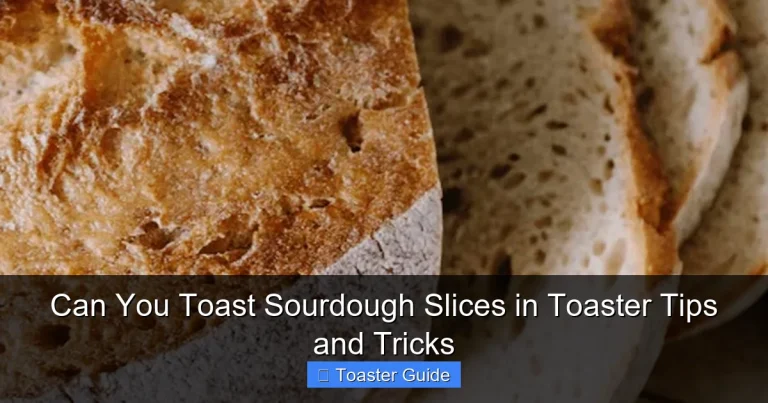
Simple breads like white, whole wheat, and sourdough have moderate sugar content and toast evenly without excessive burning. Artisan breads with natural crust and less sugar typically produce consistent results. If you enjoy sweet breads, consider slicing thinner pieces to reduce sugar concentration per slice.
Breads to Use Cautiously or Avoid
Highly sweetened breads such as cinnamon raisin, challah, and brioche should be toasted carefully. Avoid bread with sugary glazes or toppings in the toaster, as sugar can drip and cause sticky buildup or even fire. Instead, consider using a toaster oven or a pan to toast these varieties.
Practical Tip: Try Toasting Small Portions First
If you’re unsure how a bread will behave, toast a small piece first. This helps you adjust time and temperature without risking the whole loaf. This method works great for new or homemade breads.
Adjusting Toaster Settings to Prevent Sugar Issues
Temperature and Timing Matter
Lower heat settings are better for sugary breads. High heat quickly burns sugar, causing black spots and sticky residue. Use medium settings and check the toast frequently. For bread with high sugar content, shorter toasting times help prevent burning.
Use the Defrost or Reheat Settings When Appropriate
If you’re toasting frozen sweet bread, use the defrost function first to thaw the bread gently. This reduces the chance of burning sugar before the bread’s interior is warm. Reheat settings can also refresh toast without overcooking.
Tip: Keep an Eye on Your Toast
Don’t leave your toaster unattended, especially when using new breads. Monitoring helps catch burning early and prevents sticky messes inside.
Cleaning and Maintaining Your Toaster to Handle Sugar Residue
Why Regular Cleaning Is Essential
Sugar residue builds up inside your toaster’s crumb tray and heating elements. This residue can burn, creating smoke, odors, and uneven heating. Keeping your toaster clean ensures safe operation and perfect toast every time.
How to Clean Sugar Residue Safely
Unplug your toaster before cleaning. Remove the crumb tray and shake out crumbs. Use a soft brush or cloth dampened with warm soapy water to wipe sticky spots. Avoid harsh chemicals or soaking the toaster. Let all parts dry fully before plugging back in.
Recommended Cleaning Frequency
For frequent toasting of sugary breads, clean your toaster at least once a week. For regular use of plain breads, biweekly cleaning is usually sufficient. For detailed steps, see our How To Clean A Toaster The Ultimate Easy And Effective Guide.
Tips to Prevent Sticky or Burned Toast from Sugar
Avoid Putting Buttered or Sugary Toppings in the Toaster
Applying butter, jam, or sugar toppings before toasting causes sugars and fats to drip inside the toaster, creating sticky buildup and increasing fire risk. Toast plain bread first, then add toppings afterward.
Use Parchment Paper or Toaster Bags
To keep sugary breads from sticking or dripping, consider using toaster bags or wrapping the bread lightly in parchment paper designed for toasters. This prevents messes while still allowing heat to toast the bread.
Try Alternative Toasting Methods for Sweet Breads
For sticky or high-sugar breads, use a toaster oven or oven broiler instead of a pop-up toaster. This allows better control over heat and reduces the chance of sugar burning inside the appliance. For more on toaster safety, check Toaster Fire Prevention Tips Must Have Safe And Easy Tricks.
Understanding and Preventing Safety Issues Related to Sugar in Toasters
How Sugar Can Increase Fire Risk
Burnt sugar residue is flammable. If ignored, it can ignite from the toaster’s heating elements. Sticky sugar buildup also attracts crumbs, which can smolder and cause fire hazards.
Signs Your Toaster Needs Attention
Look for smoke, unusual smells (like burning sugar), or uneven toasting. These are warning signs to clean your toaster or lower your settings immediately.
Safety Best Practices
- Never leave your toaster unattended when in use.
- Keep the toaster away from flammable materials.
- Clean crumb trays and sugar residue regularly.
- Don’t put foil, metal, or non-food items in the toaster.
- Refer to What Not To Put In Toaster Essential Must Have Safety Tips for more on safe toaster use.
Conclusion: Mastering Toaster and Bread Sugar Issues
Perfect toast is a delight, and avoiding toaster and bread sugar issues is key to achieving it. By understanding how sugar behaves when heated, choosing breads wisely, adjusting your toaster settings, and practicing regular cleaning, you can prevent burning, sticky messes, and safety risks. Simple habits like toasting plain bread first and using toaster bags for sugary breads can make a big difference.
Remember, a well-maintained toaster not only lasts longer but also delivers consistently delicious toast. For expert advice on getting the most from your toaster, check out our related guides such as Toaster Dos And Donts Must Have Tips For Effortless Toasting. Now go ahead, toast with confidence, and enjoy every bite!
Frequently Asked Questions
Why does my toast burn quickly when using sweet bread?
Sugars in sweet bread caramelize and burn faster than starches, causing your toast to burn quickly. Using lower toaster settings and shorter times helps prevent this.
Can sugar buildup inside my toaster cause it to catch fire?
Yes, burnt sugar residue is flammable and can increase fire risk if not cleaned regularly. Always clean your toaster’s crumb tray and interior to reduce this risk.
Is it safe to put buttered or jam-covered bread directly in the toaster?
No, spreading butter or jam before toasting can cause sticky drips that burn inside the toaster. Toast plain bread first, then add toppings afterward for safety and cleanliness.
How often should I clean my toaster to avoid sugar-related issues?
For frequent use with sugary breads, weekly cleaning is recommended. Otherwise, clean your toaster at least every two weeks to prevent residue buildup and maintain performance.
Can I use parchment paper or toaster bags with sugary bread?
Yes, using toaster bags or parchment paper designed for toaster use can help prevent sugar from dripping and sticking, keeping your toaster clean and safe.
What bread types are best for preventing sugar problems in toasters?
Breads with moderate or low sugar, like white, whole wheat, or sourdough, toast evenly without excessive burning. Sweet breads should be toasted carefully or with alternative methods like toaster ovens.