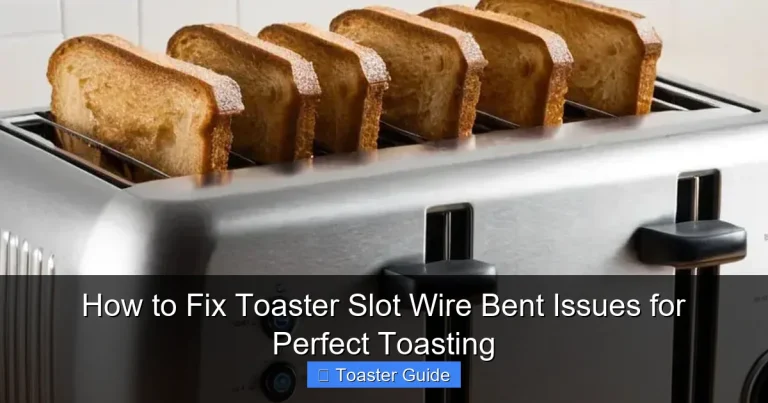
How to Get Perfect Toast Every Time with Toaster and Bread Crust Tips

Getting the perfect toast is easy when you understand how your toaster works and how bread crust affects the toasting process. This guide shares simple, practical tips to improve your toast quality, avoid common mistakes, and enjoy crispy, golden bread every time.
Key Takeaways
- Understand your toaster’s settings: Different toasters toast differently; knowing your model helps achieve consistent results.
- Choose the right bread: Bread type and crust thickness influence how evenly your toast browns.
- Manage bread crust wisely: Crusts toast differently than the soft bread center; trimming or adjusting helps perfect the toast.
- Use proper toasting techniques: Positioning bread and choosing the right heat setting are key to avoid burnt or uneven toast.
- Keep your toaster clean: Crumbs and residue can affect performance and flavor; regular cleaning is essential.
- Handle frozen or buttered bread carefully: Special tips improve toasting results with these common variations.
- Safety first: Following tips and avoiding common errors prevents toaster fires and damage.
📑 Table of Contents
- Introduction: Why Perfect Toast Matters
- Understanding Your Toaster: The Key to Consistent Toast
- The Role of Bread Crust in Toasting
- Practical Toasting Tips: From Frozen Bread to Buttered Slices
- Maintaining Your Toaster for Optimal Toast
- Troubleshooting Common Toasting Problems
- Conclusion: Mastering Toast and Bread Crust for Delicious Results
Introduction: Why Perfect Toast Matters
There’s something magical about a slice of perfectly toasted bread. Whether it’s for a quick breakfast or a tasty snack, the right toast can elevate your meal. But getting it just right isn’t always simple. Maybe your toast comes out burnt on one side, or the crust is too tough while the middle is barely warm. If this sounds familiar, you’re not alone.
Toasting bread is an art and a science. It’s about understanding your toaster’s quirks and how bread crust interacts with heat. In this guide, we’ll walk you through everything you need to know—from choosing the right bread to mastering your toaster settings. By the end, you’ll be confidently making perfect toast every time.
Understanding Your Toaster: The Key to Consistent Toast
How Does a Toaster Work?
At its core, a toaster uses electric heating elements to brown your bread. These elements radiate heat that causes the bread’s surface to undergo the Maillard reaction, turning it golden brown and crispy. Different toasters vary in power, slot width, and heating element placement, which affects how evenly and quickly your bread toasts.
Toaster Settings: Finding the Sweet Spot
Most toasters come with adjustable settings, usually numbered 1 through 7 or 8. These settings control how long the heating elements stay on. Finding the “sweet spot” depends on your bread type and personal preference. It might take a few tries to get it right, but once you do, the results will be consistent.
Tips for Getting the Most From Your Toaster
- Preheat your toaster: Running it empty for a short cycle can help even out heating.
- Check slot width: Thicker bread may need a wide-slot toaster for even toasting.
- Rotate slices: For uneven toasters, flipping your bread halfway can help. For more tips, check our guide on fixing uneven toasting.
The Role of Bread Crust in Toasting
Why Is the Crust Different?
Bread crust is denser and drier than the soft interior. This means it browns and crisps faster under heat. Sometimes, this causes the crust to burn before the center is properly toasted. Understanding this difference is crucial to perfect toast.
Managing Thick or Hard Crusts
If your bread has a very thick or tough crust, you can try trimming it slightly before toasting. This reduces the risk of burning and helps the slice toast more evenly. Alternatively, lower your toaster setting or toast in shorter intervals.
Choosing Bread for Toasting
Some breads toast better than others. For example, artisan breads with thick crusts may require different handling than sandwich bread. Experiment with different types, and adjust your toaster settings accordingly. Our article on toaster dos and don’ts offers excellent tips on bread selection and toaster use.
Practical Toasting Tips: From Frozen Bread to Buttered Slices
Toasting Frozen Bread and Crust Tips
Frozen bread can be tricky because of moisture content. It often requires a longer toasting time to warm through and crisp properly. Use the defrost or lower heat setting if your toaster has one. For detailed advice, see our guide on toasting frozen bread.
Can You Toast Buttered Bread?
It’s tempting to put buttered bread directly in the toaster, but it’s generally not recommended. Butter can drip and cause smoke or fire hazards. Instead, toast plain bread first, then add butter afterward. For safety tips and alternatives, visit our buttered bread in toaster guide.
Using the Right Bread Thickness
Thin slices toast faster but can burn easily, especially around the crust. Thicker slices take longer but often toast more evenly. Adjust your toaster setting based on slice thickness and crust size.
Maintaining Your Toaster for Optimal Toast
Why Cleaning Matters
Crumbs and residue inside your toaster can affect how heat is distributed and may cause burning smells or even fire risks. Regular cleaning keeps your toaster working efficiently and safely.
How to Clean Your Toaster Safely
- Unplug your toaster before cleaning.
- Remove the crumb tray and empty it regularly.
- Shake out crumbs gently.
- Use a soft brush to clean heating elements carefully.
For step-by-step cleaning instructions, check out our ultimate toaster cleaning guide.
Preventing Toaster Fires
A clean toaster is less likely to catch fire. Avoid putting oily or moist foods directly into the toaster, and never leave it unattended while in use. Learn more about safety from our toaster fire prevention tips.
Troubleshooting Common Toasting Problems
Uneven Toasting
Uneven toasting is often caused by heating element issues or bread placement. Try flipping your bread halfway or adjusting your toaster setting. Refer to our detailed solutions in how to fix uneven toaster.
Burnt Crust But Soft Center
This happens when the crust heats faster than the bread inside. Lowering the toaster heat or trimming thick crusts can help. Using a toaster with better heat distribution is another option.
Toast Not Browning Enough
If your toast is too pale, increase the toaster setting or toast for a longer time. Make sure your toaster elements are clean and functioning well.
Conclusion: Mastering Toast and Bread Crust for Delicious Results
Perfect toast is within your reach when you understand your toaster and how bread crust behaves. By choosing the right bread, adjusting toaster settings, and maintaining your appliance, you can avoid common pitfalls like uneven browning or burnt crusts. Remember to clean your toaster regularly and follow safety tips to enjoy delicious, perfectly toasted bread every time.
For more expert advice on getting the best from your toaster, check out our other handy guides on toaster dos and don’ts and cleaning toaster crumbs effectively. Happy toasting!
Frequently Asked Questions
Why does bread crust toast faster than the inside?
The crust is denser and contains less moisture than the soft bread inside, so it absorbs heat quicker and browns faster when toasted.
Can I put buttered bread directly in the toaster?
It’s not recommended because melted butter can drip and cause smoke or fire hazards. Toast plain bread first, then add butter afterward for safety and better results.
How do I clean my toaster to prevent burning smells?
Unplug the toaster, empty the crumb tray regularly, and gently shake out crumbs. Use a soft brush to clean heating elements carefully. Regular cleaning prevents residue buildup that causes odors.
What toaster setting is best for thick bread slices with crust?
Use a medium to low setting and toast in shorter intervals to avoid burning the crust while ensuring the center is warmed and toasted evenly.
Is it safe to toast frozen bread with crust?
Yes, but it’s best to use a defrost setting or lower heat to allow the bread and crust to thaw and toast evenly without burning.
Why does my toaster burn one side of the bread more than the other?
This usually happens due to uneven heating elements or slot issues. Rotating the bread halfway through toasting can help, or consult guides on fixing uneven toasters for a permanent solution.