How To Achieve Perfect Toaster And Caramelization Every Time

Toasting and caramelization go hand in hand when it comes to creating deliciously golden bread and enhancing flavors. This guide shares easy-to-follow tips to achieve perfect toaster results and caramelization every time, ensuring a crispy, flavorful finish in your kitchen.
Key Takeaways
- Understand caramelization: It’s the natural browning process that enhances flavor and texture in toasted bread.
- Choose the right bread: Different breads caramelize differently due to sugar content and moisture levels.
- Proper toaster settings matter: Adjust heat and time for consistent browning and perfect caramelization.
- Maintain your toaster: Regular cleaning prevents uneven toasting and burning, improving caramelization.
- Use butter and sugar wisely: Adding fats and sugars can boost caramelization but require careful toasting to avoid burning.
- Practice safe toaster use: Avoid fire hazards by following safety tips and knowing how to prevent toaster fires.
- Experiment with techniques: Toasting frozen bread or adding toppings changes caramelization outcomes for variety.
📑 Table of Contents
- Introduction: Why Toasting and Caramelization Matter
- What Is Caramelization and How Does It Affect Toast?
- Choosing the Right Bread for Perfect Caramelization
- Mastering Your Toaster Settings for Consistent Results
- Enhancing Caramelization with Butter, Sugar, and Toppings
- Maintaining Your Toaster for Optimal Caramelization
- Safety Tips for Toaster Use and Caramelization
- Conclusion: Your Path to Perfect Toast and Caramelization
Introduction: Why Toasting and Caramelization Matter
There’s something incredibly satisfying about biting into perfectly toasted bread — that crispy exterior with a warm, tender inside. Toasting isn’t just about heating bread; it’s about unlocking deeper flavors through caramelization, a process that transforms simple bread into a delicious treat. But getting that perfect golden color and rich flavor every time can feel tricky.
Whether you’re a breakfast lover or a fan of quick snacks, understanding how your toaster works alongside the science of caramelization can elevate your kitchen game. This article dives into everything you need to know to achieve perfect toaster and caramelization results every time you fire up your appliance.
By the end, you’ll have practical tips, safety advice, and insights to enjoy toast like never before — crispy, flavorful, and just right.
What Is Caramelization and How Does It Affect Toast?
The Science Behind Caramelization
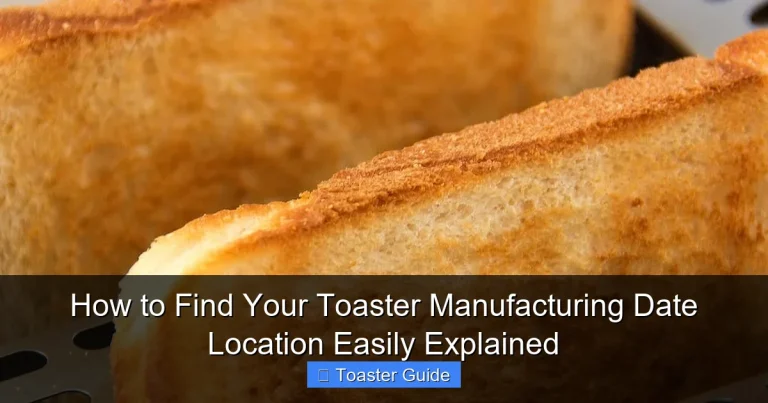
Caramelization is a natural browning process where sugars break down and create complex flavors and aromas when heated. When you toast bread, the heat causes sugars in the bread to caramelize, producing a golden crust that tastes slightly sweet and nutty. This process also changes the texture, making the crust crispier and more enjoyable to eat.
Difference Between Caramelization and Maillard Reaction
While caramelization involves only sugars, the Maillard reaction involves both sugars and proteins reacting under heat. Both contribute to the browning and flavor development in toasted bread. Understanding this helps you appreciate why different breads toast differently, depending on their sugar and protein content.
Practical Impact on Toast Quality
Proper caramelization means your toast won’t just be browned but will have enhanced flavor and aroma. Too little caramelization results in pale, bland toast, while too much leads to burning and bitterness. Mastering this balance is key to perfect toasting.
Choosing the Right Bread for Perfect Caramelization
Types of Bread and Sugar Content
Breads with higher sugar content like brioche or challah caramelize more easily and develop a richer color and flavor. Whole wheat and multigrain breads have less sugar, so they brown more slowly and might require longer toasting times.
Fresh vs. Stale Bread
Stale bread tends to toast better due to lower moisture content, which allows more even caramelization. Fresh bread might need adjusted toaster settings to prevent soggy or uneven toasting.
Frozen Bread and Toasting Tips
Frozen bread can be toasted directly, but you need to increase the toasting time slightly to allow proper caramelization without burning. For best results, use the defrost setting if your toaster has one. Learn more about how to put frozen bread in a toaster for the best results in our detailed guide.
Mastering Your Toaster Settings for Consistent Results
Understanding Toaster Controls
Most toasters have settings for time or darkness level. These settings control how long the heating elements stay on, directly affecting caramelization. Starting with a medium setting and adjusting based on your bread type and personal preference is smart.
Avoiding Common Toasting Mistakes
Setting the toaster too high can cause burnt toast with bitter caramelization, while too low results in pale, undercaramelized bread. For more tips on avoiding these mistakes and achieving consistent results, check out our Toaster Dos And Donts Must Have Tips For Perfect Toasting article.
Using Specialty Toasters and Features
Some modern toasters offer features like bagel modes or convection toasting that can enhance caramelization on specific breads or toppings. Experiment with these settings to find what works best for your preferred toast style.
Enhancing Caramelization with Butter, Sugar, and Toppings
Butter’s Role in Toasting
Applying butter before or after toasting adds fat that enhances flavor and promotes even browning. Butter contains milk sugars which caramelize, adding a richer taste. However, buttered bread can burn faster, so use a lower toaster setting or toast plain first, then butter after.
Adding Sugars and Sweet Toppings
Sprinkling a little sugar, honey, or cinnamon sugar on bread before toasting can enhance caramelization dramatically. Be cautious—sugars burn quickly, so monitor toasting closely or use a lower heat setting.
Creative Toasting Ideas
Try toasting English muffins, bagels, or buns with a light butter and sugar coating for delicious caramelized flavors. For safety and best results, check our guides on Can You Toast English Muffins In Toaster Must Have Tips Revealed and Can You Toast Buns In Toaster Must Have Tips For Perfect Results.
Maintaining Your Toaster for Optimal Caramelization
Why Regular Cleaning Matters
Crumbs and residue inside your toaster can cause uneven heating and burning, ruining caramelization. Regularly removing crumbs and cleaning the toaster tray improves heat distribution and toast quality.
How To Clean Your Toaster Effectively
Unplug your toaster, remove the crumb tray, and shake out or vacuum crumbs. Wipe the exterior and interior carefully with a damp cloth. For detailed step-by-step instructions, see our comprehensive guide on How To Clean A Toaster The Ultimate Easy And Effective Guide.
Fixing Common Toaster Issues
If your toaster burns one side or doesn’t heat properly, it can affect caramelization. Troubleshooting these issues helps maintain consistent toasting. Visit our guides on Why Toaster Burns One Side Best Fixes And Stunning Guide and How To Fix Toaster Not Heating Easy And Effective Solutions for expert advice.
Safety Tips for Toaster Use and Caramelization
Avoiding Toaster Fires
Overheating bread or adding too much sugar or butter can increase fire risk. Never leave your toaster unattended during use. Knowing how toaster fires happen and prevention tips is crucial for kitchen safety. Read more in our Toaster Fire Prevention Tips Must Have Safety Guide For Every Kitchen.
Safe Practices When Toasting Sugary or Buttered Bread
Use lower heat settings and watch closely when toasting bread with added sugars or fats. Clean your toaster regularly to prevent buildup that can ignite.
What To Do If Your Toaster Catches Fire
If a fire occurs, unplug the toaster immediately if safe to do so and avoid using water. Smother flames with a fire blanket or baking soda. For detailed emergency steps, see our guide on What To Do If Toaster Catches Fire Essential Safety Guide.
Conclusion: Your Path to Perfect Toast and Caramelization
Mastering perfect toaster and caramelization results comes down to understanding the science behind browning, choosing the right bread, adjusting toaster settings, and maintaining your appliance. With the tips and safety advice provided, you’re well-equipped to create crispy, golden toast packed with rich, caramelized flavor every time.
Remember, practice makes perfect. Don’t hesitate to experiment with different breads, toppings, and toaster settings to find your ideal toast. And keep safety top of mind to enjoy your toasting experience without worry.
For ongoing toaster tips and care advice, feel free to explore our other helpful articles linked throughout this guide.
Frequently Asked Questions
What causes the caramelization on toast?
Caramelization happens when the sugars in bread are heated, breaking down and forming a golden-brown crust with rich flavor. This natural chemical process enhances both taste and texture.
Can I caramelize bread without a toaster?
Yes, you can caramelize bread using a frying pan or oven by applying heat evenly. However, a toaster makes the process quick and consistent by providing direct heat on both sides.
Why does my toast sometimes burn instead of caramelize?
Burning occurs when the heat is too high or the toasting time is too long. Sugars burn quickly if not monitored, so adjusting toaster settings and watching the process helps prevent burning.
Is it safe to toast bread with butter or sugar on it?
Yes, but it requires careful toasting at lower heat settings because butter and sugar can burn easily. Always stay nearby and clean your toaster regularly to avoid fire risks.
How often should I clean my toaster for best caramelization?
Cleaning your toaster every few weeks is ideal to remove crumbs and residue that can cause uneven heating and burning. Regular maintenance ensures consistent caramelization and toaster safety.
Can I toast frozen bread directly in the toaster?
Yes, most toasters have a defrost or frozen bread setting that adjusts time for proper caramelization. If yours doesn’t, increase the toasting time slightly to ensure even browning without burning.