Best Toaster Setting for Rye Bread Tips to Toast Perfectly Every Time

Toasting rye bread perfectly requires the right toaster setting and a little know-how. Rye bread’s dense texture and unique flavor need a moderate to medium setting to bring out its best. With the right tips, you can enjoy deliciously crisp and evenly toasted rye bread every time.
Key Takeaways
- Understanding Rye Bread: Rye bread is denser and more moist than white bread, requiring a different toaster approach.
- Medium Heat Settings Work Best: A medium toaster setting (usually 3-4 on a 1-6 scale) balances crispness and flavor without burning.
- Adjust Based on Thickness: Thicker slices need slightly longer toasting, while thin slices toast faster.
- Use a Toaster with Adjustable Browning: This ensures you can control the toast level precisely for rye bread.
- Watch Out for Burning: Rye bread can burn quickly due to its sugar content, so monitor your toast closely.
- Consider Prepping Rye Bread: Slightly drying the bread before toasting can improve results, especially for fresh or moist loaves.
- Regular Toaster Maintenance Helps: Clean crumb trays and avoid overloading the toaster for consistent performance.
📑 Table of Contents
Introduction
Rye bread is a delicious and hearty option loved by many for its rich flavor and dense texture. However, toasting rye bread perfectly can be a bit tricky. Unlike white or whole wheat bread, rye requires a slightly different approach to get that ideal crunch and warmth without burning or drying it out.
If you’ve ever struggled with rye bread coming out either soggy or charred from your toaster, you’re not alone. Getting the right toaster setting for rye bread is key to enjoying it just the way it should be. In this guide, I’ll walk you through everything you need to know to toast rye bread perfectly every single time.
From understanding rye bread’s unique properties to practical tips on settings and maintenance, you’ll be ready to make the most of your toaster and your bread. Let’s dive in!
Why Rye Bread Needs a Different Toaster Setting
The Density and Moisture Factor
Rye bread is generally denser than white or whole wheat bread. This means it takes longer for heat to penetrate and toast properly. At the same time, rye bread often has higher moisture content and natural sugars, which influence how it browns and crisps.
Because of these factors, using the same toaster setting as you would for lighter breads usually results in uneven toasting. The outside might burn before the inside gets warm and crispy.
Sugars and Caramelization
Rye bread contains more natural sugars that caramelize quickly when exposed to heat. This makes it easier for the bread to brown—sometimes too fast. A setting that’s too high can cause the surface to burn while leaving the interior under-toasted.
Thickness Matters
Many rye breads come in thick slices, which also affects toaster settings. Thick slices need more time at moderate heat, while thin slices require less. Adjusting your toaster based on slice thickness helps prevent uneven results.
Choosing the Best Toaster Setting for Rye Bread
Start with Medium Heat
The sweet spot for toasting rye bread is usually a medium setting on most toasters. This typically ranges from 3 to 4 on a scale of 1 to 6. Medium heat allows the sugars to caramelize nicely without burning, and it gives the dense texture time to warm through.
Adjust Based on Your Toaster Model
Every toaster is different. Some run hotter than others, so it’s important to experiment a bit. Start at a medium setting and watch the first toasting closely. If it’s too light, go up one notch next time; if it’s too dark, drop the setting.
Use the Toasting Cycle Wisely
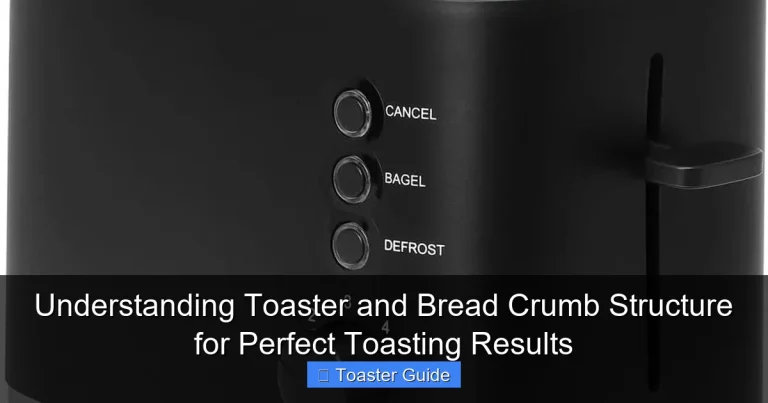
Many modern toasters offer different modes like “bagel” or “defrost.” For rye bread, stick to the standard toasting cycle unless you’re reheating frozen rye bread. If you do toast frozen rye, check out our detailed tips on how to toast frozen bread for perfect results.
Practical Tips for Toasting Rye Bread Perfectly
Dry Your Bread Slightly Before Toasting
If your rye bread is fresh and moist, letting it sit out for 10-15 minutes before toasting can help. Slight drying reduces moisture on the surface, ensuring a crisper toast without sogginess.
Toast in Small Batches
Avoid overcrowding your toaster slots. Rye bread slices are often thick and large, so toast fewer slices at once for even heat distribution.
Monitor Your Toast Closely
Because rye bread can burn quickly due to its sugar content, it’s a good idea to keep an eye on your first few toasts with a new setting. Stay near the toaster and be ready to stop the cycle if needed.
Consider Using a Toaster Oven
If your toaster isn’t giving you control over browning or slice thickness, a toaster oven can offer more flexibility. You can adjust temperature and time more precisely, which is great for dense breads like rye.
Common Mistakes to Avoid When Toasting Rye Bread
Using Too High Heat
Many people make the mistake of setting the toaster too high, thinking it will speed up toasting. Instead, this often burns the crust and leaves the inside cold. Stick to medium heat for best results.
Not Cleaning the Toaster Regularly
Crumbs and leftover particles inside your toaster can cause uneven heating or even burning smells. Check out our guide on how to clean toaster crumbs to keep your appliance in top shape.
Ignoring Slice Thickness
Toasting a thick rye slice on a setting meant for thin bread can cause the outside to burn while the inside stays soft. Adjust your settings or slice thickness accordingly.
Enhancing Your Rye Toast Experience
Adding Toppings After Toasting
Rye bread’s robust flavor pairs well with savory and sweet toppings. Butter, cream cheese, smoked salmon, or jam can elevate your toast. Try adding these after toasting to keep the bread crisp.
Using Rye Bread for Sandwiches
Toasting rye bread just right also improves sandwiches by adding crunch and warmth. Whether it’s a Reuben or a simple ham and cheese, the right toast makes all the difference.
Experiment with Different Rye Varieties
There are many types of rye bread – light, dark, pumpernickel, etc. Each may require slight adjustments in toaster settings. Test small slices to find what works best for your favorite variety.
Conclusion
Toasting rye bread perfectly every time is achievable with a little attention and the right toaster setting. Remember to start with a medium heat level, adjust based on slice thickness, and watch your toast carefully to avoid burning. Slightly drying fresh rye bread and maintaining your toaster can also improve results significantly.
By following these tips, you’ll enjoy the full flavor and satisfying crunch of rye bread toasted just right. For more toaster tips and safety advice, check out our toaster dos and don’ts guide. Happy toasting!
Frequently Asked Questions
What is the best toaster setting for rye bread?
The best toaster setting for rye bread is typically medium heat, around 3 to 4 on a 1-6 scale. This allows for even toasting without burning the natural sugars in the bread.
Can I toast frozen rye bread in a regular toaster?
Yes, you can toast frozen rye bread, but it’s best to use the defrost function if your toaster has one. Learn more about toasting frozen bread in our comprehensive guide.
Why does rye bread burn faster than white bread in the toaster?
Rye bread contains more natural sugars that caramelize quickly, causing it to brown and burn faster if the toaster setting is too high.
Is it better to use a toaster oven for rye bread?
A toaster oven can offer more precise control over time and temperature, which is helpful for thicker rye slices or when you want even browning without burning.
How can I prevent my rye bread from getting soggy when toasting?
Letting fresh rye bread sit out for 10-15 minutes to dry slightly before toasting helps reduce moisture and prevents sogginess.
How often should I clean my toaster to maintain good toasting results?
Regular cleaning, especially emptying crumb trays weekly, prevents buildup that can affect heating and flavor. Check our guide on cleaning toaster crumbs for easy steps.