Why Your Toaster Old Wire Smell Happens and How to Fix It Fast

If your toaster is emitting an old wire smell, it’s usually due to dust, burnt crumbs, or aging electrical components. This guide explains why this happens and shares quick, practical tips to fix and prevent the smell, ensuring safe toaster use every time.
Key Takeaways
- Cause of Old Wire Smell: Usually from dust buildup, burnt food crumbs, or deteriorating wiring inside the toaster.
- Safety First: Persistent smells can indicate electrical issues, posing fire hazards if ignored.
- Regular Cleaning: Removing crumbs and dust regularly helps prevent odors and improves toaster performance.
- Inspect Wiring: Check for damaged or loose wires to avoid dangerous electrical problems.
- Fast Fixes: Simple cleaning and resetting can often eliminate the smell quickly.
- When to Replace: If the smell continues or toaster malfunctions, it’s time to consider replacement.
- Helpful Resources: Learn more about toaster safety and maintenance through expert guides.
[FEATURED_IMAGE_PLACEHOLDER]
Introduction
Have you ever noticed a strange old wire smell coming from your toaster when you switch it on? That odd, slightly burnt scent can be unsettling, especially if you’re unsure where it’s coming from or if it signals a bigger problem. While a toaster is a simple kitchen appliance, it’s packed with electrical parts and heating elements that can cause smells if something isn’t quite right.
In this article, we’ll explore why your toaster might be giving off that old wire smell, what it means for your kitchen’s safety, and most importantly, how to fix it fast. Whether your toaster is brand new or a well-used favorite, understanding this common issue will help you keep your mornings stress-free and your kitchen safe.
We’ll also share practical cleaning tips, safety advice, and signs to watch for that indicate when it’s time to replace your toaster altogether. Let’s dive in!
Why Does the Old Wire Smell Happen in Toasters?
Dust and Debris Buildup
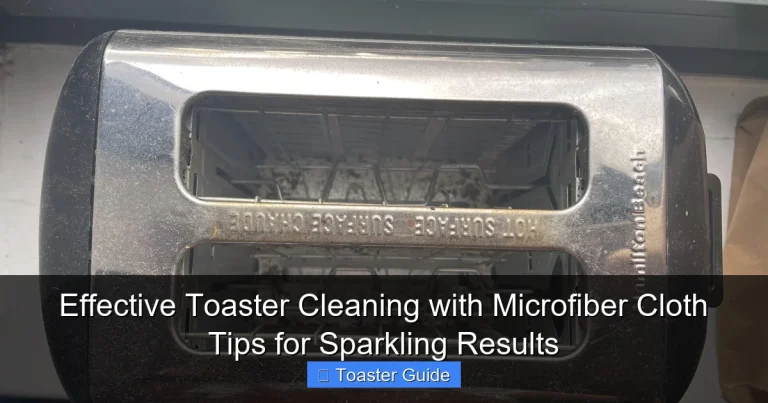
One of the most common reasons for that old wire smell is dust accumulation inside the toaster. Over time, dust particles settle on the heating elements and wiring. When you turn on the toaster, these particles burn off, producing a distinctive burnt or wire-like odor. This is generally harmless if it happens occasionally but can become bothersome if the toaster isn’t cleaned regularly.
Burnt Crumbs and Food Particles
Crumbs are a toaster’s worst enemy. Old, stuck-on bread crumbs or food particles can burn during toasting cycles. This burning causes an unpleasant smell that can resemble an electrical burning odor. If crumbs are left unchecked, they can even cause smoke or, in rare cases, a fire hazard.
Aging or Damaged Electrical Components
As toasters age, their internal wiring and components can degrade. Worn insulation or loose wires may start to emit a burning wire smell when the toaster heats up. This is a more serious cause and may indicate an electrical fault. If the smell persists despite cleaning, it’s essential to inspect the toaster closely or consult a professional.
New Toaster “Burn-In” Smell
Sometimes, new toasters produce a faint burning smell during initial use. This is usually from manufacturing residues or coatings burning off the heating elements and wires. This smell typically disappears after a few uses and is not a cause for concern.
How to Fix the Toaster Old Wire Smell Quickly
Step 1: Unplug and Inspect
Always start by unplugging your toaster. Safety first! Once unplugged, check the toaster’s exterior and crumb tray for visible dirt, burnt crumbs, or damage. If you see frayed wires or scorch marks, stop using the toaster and consider professional repair or replacement.
Step 2: Clean Out Crumbs and Dust
Empty the crumb tray completely. Shake out crumbs gently over a trash bin. Use a soft brush or compressed air to remove dust and crumbs from inside the toaster slots without damaging the heating elements. For detailed cleaning tips, see our ultimate toaster cleaning guide.
Step 3: Wipe the Exterior and Interior Walls
Use a damp cloth with mild soap to wipe the toaster’s outer surfaces and interior walls. Avoid getting water near electrical components. Dry thoroughly before plugging the toaster back in.
Step 4: Test the Toaster
Plug the toaster in and run a short test cycle with plain bread. Monitor for any smells or unusual behavior. If the smell disappears and the toaster functions normally, your cleaning was successful.
Step 5: Reset or Replace
If your toaster has a reset button or circuit breaker, try pressing it. Sometimes electrical components temporarily overheat and cause smells. If the smell persists or worsens despite cleaning and resetting, it might be time to replace the toaster. Learn more about when to replace a toaster to make an informed decision.
Preventing the Old Wire Smell: Maintenance Tips
Regular Cleaning Schedule
Make it a habit to clean your toaster crumb tray at least once a week. Dust and crumbs are the primary culprits behind odors, so keeping your toaster crumb-free is key to preventing smells. Check out our detailed tips on how to clean toaster crumbs efficiently.
Avoid Putting Unsafe Foods Inside
Some foods can cause excess smoke or residue buildup in your toaster, such as buttered bread, cheese, or sticky items. Refer to our guide on what not to put in a toaster to avoid damage and smells.
Store Your Toaster Properly
When not in use, keep your toaster covered or stored in a clean, dust-free area. This limits dust buildup on the heating elements and wiring.
Inspect for Wear and Tear
Periodically check the power cord and plug for signs of fraying or damage. If you notice any issues, stop using the toaster immediately and have it repaired or replaced.
Use the Toaster Correctly
Follow manufacturer instructions for toasting times and settings. Overheating or using the wrong settings can increase the risk of burning crumbs and electrical wear.
When to Be Concerned: Safety Risks of Old Toaster Smells
Potential Fire Hazards
An old wire smell could mean overheating wiring or components, which can spark a fire. If your toaster emits smoke, sparks, or a strong burning smell, unplug it immediately and avoid using it.
Electrical Shock Risks
Damaged wires can expose live electricity. Never touch internal components if you notice exposed wires or damage.
Signs You Should Stop Using Your Toaster
- Persistent burning wire smell even after cleaning
- Visible damage or melting on the toaster’s body or cord
- Sparking or electrical buzzing noises
- Toaster not functioning properly or uneven toasting
For detailed safety advice on old toaster hazards, check out old toaster safety risks and must-have tips.
Extending Your Toaster’s Lifespan
Regular Maintenance
Keeping your toaster clean and free of debris not only prevents smells but also extends its life. Avoid overloading the toaster and use it as intended.
Timely Repairs
If minor issues arise, such as uneven toasting or the toaster not popping up, you can often fix them yourself or with professional help. Learn how to fix common problems like uneven toasting in our easy and effective guide.
Replacement When Needed
Even the best-maintained toasters have a lifespan of about 5-10 years. When your toaster shows signs of wear or safety hazards, replacing it is the safest option.
Conclusion
The old wire smell in your toaster is usually a sign of dust, crumbs, or aging electrical parts burning off. While this smell is often harmless if occasional and addressed quickly, ignoring it can lead to safety risks like fire hazards or electrical shocks.
By following simple steps—unplugging, cleaning crumbs and dust, inspecting wiring, and testing—you can fix the smell fast and keep your toaster running smoothly. Regular maintenance and knowing when to replace your toaster ensure a safe kitchen and delicious, perfectly toasted bread every time.
For more detailed cleaning tips and safety advice, be sure to explore our other expert guides linked throughout this article. A little care goes a long way in making your toaster last longer and smell fresher!
Frequently Asked Questions
Why does my toaster smell like burning wires?
This smell is often caused by dust, burnt crumbs, or aging electrical components heating up. It can also be a sign of wiring issues that need immediate attention.
Is it safe to keep using a toaster that smells like burnt wires?
If the smell persists after cleaning or you notice sparks or smoke, it’s unsafe. Unplug the toaster and either repair or replace it to avoid fire hazards.
How often should I clean my toaster to prevent smells?
Cleaning your toaster crumb tray and interior at least once a week helps prevent buildup that causes burnt smells. Regular maintenance is key.
Can a new toaster produce an old wire smell?
Yes, new toasters sometimes emit a burning smell during the first few uses as manufacturing residues burn off. This usually disappears quickly and is normal.
What should I avoid putting in my toaster to prevent smells and damage?
Avoid greasy, sticky, or oversized foods like buttered bread, cheese, or thick pastries. Refer to safety guides on what not to put in your toaster to keep it safe and odor-free.
When is it time to replace my toaster?
If your toaster continues to emit burnt wire smells despite cleaning, shows signs of electrical damage, or malfunctions frequently, it’s time to replace it for safety and performance.
This is a comprehensive guide about toaster old wire smell.
Key Takeaways
- Understanding toaster old wire smell: Provides essential knowledge
Frequently Asked Questions
What is toaster old wire smell?
toaster old wire smell is an important topic with many practical applications.