Why Toast Loses Crispness Understanding the Science Behind It

Toast loses its crispness due to moisture absorption and starch retrogradation, which soften its crunchy texture. Understanding the science behind this process helps you enjoy perfectly crisp toast longer and avoid common pitfalls.
Key Takeaways
- Moisture absorption: Toast absorbs humidity from the air, which softens its texture over time.
- Starch retrogradation: The starch molecules in bread crystallize and change after toasting, affecting crispness.
- Storage matters: How and where you store toast influences how fast it loses its crunch.
- Reheating techniques: Proper reheating can help restore some crispness but may not fully bring toast back.
- Type of bread: Different breads toast and lose crispness differently due to their moisture and fiber content.
- Environmental factors: Temperature and air humidity in your kitchen impact how quickly toast softens.
- Toaster settings: The way you toast bread initially also affects how long it stays crisp.
📑 Table of Contents
- Why Toast Loses Crispness Understanding the Science Behind It
- The Science Behind Toast Crispness
- How Moisture Affects Toast Crispness
- Impact of Bread Type on Toast Crispness
- Best Practices to Keep Toast Crisp Longer
- Environmental Factors Affecting Toast Crispness
- How Toaster Settings Affect Toast Crispness
- Conclusion
Why Toast Loses Crispness Understanding the Science Behind It
There’s something undeniably satisfying about biting into a piece of perfectly toasted bread—crunchy on the outside and warm on the inside. But if you’ve ever left your toast sitting out for even a few minutes, you know it doesn’t stay crispy for long. The crispness fades, and the toast turns soft or even chewy. Ever wondered why this happens so quickly? In this guide, we’ll dive deep into the science behind why toast loses crispness and share practical tips to keep your toast crunchy for longer.
Understanding this phenomenon isn’t just for food geeks—it can make a big difference in your everyday breakfast routine. From the role of moisture to the impact of starch molecules, knowing the science helps you enjoy toast just the way you like it. Plus, we’ll cover the best ways to store and reheat toast to keep that crunch intact.
The Science Behind Toast Crispness
What Makes Toast Crisp?
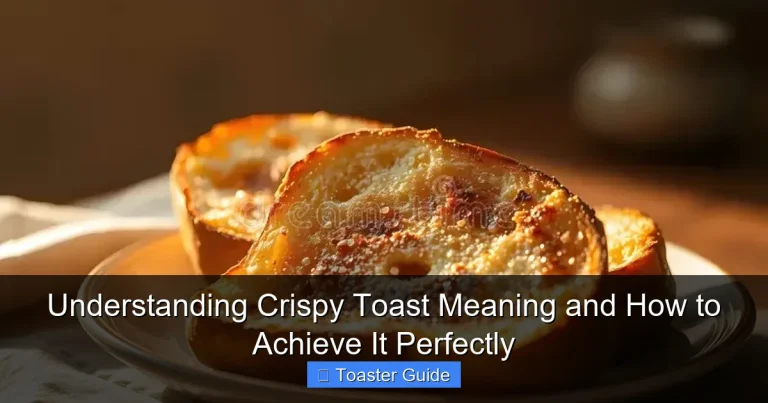
When bread is toasted, the heat drives off moisture from its surface and inside, creating a dry, crunchy texture. The Maillard reaction also occurs, giving toast its characteristic golden-brown color and rich flavor. This drying process transforms the soft, pliable bread into something delightfully crisp.
Why Crispness Doesn’t Last
Unfortunately, toast’s crispness is fragile. The main culprit is moisture—specifically, how toast interacts with water molecules after it leaves the toaster. Even the driest toast will start to absorb moisture from the air almost immediately, which softens its crunchy texture.
Starch Retrogradation Explained
Another scientific factor is starch retrogradation. Bread contains starch made up of amylose and amylopectin molecules. When bread is toasted and then cools down, these starch molecules begin to realign and crystallize in a process called retrogradation. This affects the texture by making the crumb firmer but can also contribute to perceived staleness, making the toast less crispy and more rigid.
How Moisture Affects Toast Crispness
Toast Absorbs Moisture From the Air
Toast is highly hygroscopic, meaning it readily attracts and absorbs moisture from its surroundings. If the air is humid, this process accelerates, and your toast loses crispness faster. This is why toast left on your kitchen counter can quickly turn limp, especially on humid days.
Moisture Migration Within the Toast
Not only does toast absorb moisture externally, but moisture from the bread’s interior can also migrate to the surface after toasting. This internal moisture migration further softens the crust, leading to a loss of that fresh, crunchy bite.
Practical Tip: Keep Toast Away From Humidity
To slow down moisture absorption, store your toast in a cool, dry place and avoid covering it tightly right after toasting. Wrapping warm toast traps steam, which makes it soggy quickly.
Impact of Bread Type on Toast Crispness
White Bread vs. Whole Grain Bread
Different bread types toast and retain crispness differently. White bread, which has less fiber and moisture, tends to toast evenly and stay crisp moderately well. Whole grain and seeded breads have higher moisture and oil content, which can make them lose crispness faster.
Density and Thickness Matter
Thicker slices of bread take longer to toast through and may retain more moisture internally, making them softer after toasting. Thin slices crisp up faster but may also become brittle and stale more quickly.
Practical Tip: Choose Bread Based on Desired Crispness
If you want toast that stays crisp longer, opt for slightly drier, thinner slices of bread. Experiment with different breads to find your perfect balance.
Best Practices to Keep Toast Crisp Longer
Serve Toast Immediately
The simplest way to enjoy crispy toast is to eat it right after toasting. The longer toast sits, the more it absorbs moisture and loses its crunch.
Use a Wire Rack for Cooling
After toasting, place your toast on a wire rack instead of a plate. This allows air to circulate around it, preventing steam from softening the crust.
Store Toast Properly
If you need to store toast, let it cool completely, then place it in a paper bag or loosely wrapped in foil to reduce moisture buildup. Avoid airtight containers immediately after toasting.
Reheat Toast Correctly
Reheating toast in a toaster or oven can help restore some crispness. Avoid microwaving, as it adds moisture and makes toast soggy. For more reheating tips, check out our guide on why toaster burns toast and how to avoid it.
Environmental Factors Affecting Toast Crispness
Humidity and Temperature
High humidity environments cause toast to absorb moisture quickly. In contrast, dry air helps keep toast crisp. Similarly, temperature plays a role—warm kitchens can encourage moisture migration inside the toast, while cooler rooms slow this down.
Altitude and Air Pressure
Although less noticeable, altitude and air pressure can influence moisture behavior. At higher altitudes, lower air pressure can cause toast to dry out quicker but also become stale faster due to accelerated moisture loss.
Practical Tip: Toast in a Controlled Environment
If you live in a humid area, consider using a dehumidifier or air conditioning to reduce moisture in the air. This helps your toast maintain crispness longer.
How Toaster Settings Affect Toast Crispness
Heat Level and Toasting Time
The toaster’s heat and duration settings determine how much moisture is removed from the bread. Under-toasting leaves too much moisture, resulting in soft toast, while over-toasting can burn the crust and make it brittle.
Evenness of Toasting
Uneven heating can cause some parts of the toast to be crispy and others soggy. For consistent results, make sure your toaster is clean and functioning properly. Learn more about troubleshooting uneven toasting in our article why toaster toasts unevenly.
Practical Tip: Adjust Toast Settings for Your Bread Type
Experiment with your toaster’s settings depending on the bread you use. Some breads need longer or shorter toasting times to achieve ideal crispness.
Conclusion
Toast losing its crispness is a natural and inevitable process driven primarily by moisture absorption and starch changes. But by understanding the science behind it, you can enjoy crunchy toast longer and know how to slow down the softening process.
Remember to serve toast immediately, cool it on a wire rack, and store it properly if you want to hold on to that perfect crunch. Also, consider the type of bread and the environment you’re in. With these tips, your toast will taste fresher, crisper, and more enjoyable every time.
If you’re curious about optimizing your toaster for better results, explore our detailed guides like why toaster burns toast and how to avoid it and why toaster toasts unevenly. Happy toasting!
Frequently Asked Questions
Why does toast become soft so quickly?
Toast becomes soft quickly because it absorbs moisture from the air and from inside the bread itself. This moisture softens the crispy texture, making the toast lose its crunch.
Can reheating toast make it crispy again?
Reheating toast in a toaster or oven can restore some crispness by evaporating moisture. However, microwaving usually makes toast soggy and is not recommended.
Does the type of bread affect how long toast stays crisp?
Yes, breads with lower moisture and thinner slices tend to stay crisp longer. Whole grain or thicker breads have more moisture and fats, which can cause them to soften faster.
Why should I avoid wrapping toast immediately after toasting?
Wrapping warm toast traps steam, which adds moisture and makes the toast soggy. It’s better to let it cool on a wire rack before storing or wrapping.
How does humidity affect toast crispness?
High humidity causes toast to absorb moisture from the air more rapidly, leading to quicker loss of crispness. Keeping toast in a dry environment helps maintain its crunch.
What toaster settings help achieve the crispiest toast?
Using moderate heat and toasting time suitable for your bread type removes enough moisture without burning. Adjusting settings and ensuring even toasting results in a crisp, golden toast.