Mastering Toaster Heat Transfer Lesson for Perfect Toast Every Time

Mastering toaster heat transfer is key to enjoying perfectly toasted bread every time. Understanding how heat moves inside your toaster helps you avoid burnt or uneven toast and unlocks tips for consistent results. Whether you’re a kitchen newbie or a toast enthusiast, this guide breaks down the science and practical tricks to upgrade your breakfast game with ease.
Key Takeaways
- Heat transfer in toasters: involves conduction, convection, and radiation working together to toast bread evenly.
- Even heat distribution: is essential for uniform browning and avoiding burnt or undercooked spots.
- Toaster settings matter: adjusting time and temperature controls optimizes heat transfer for different bread types.
- Regular cleaning: prevents crumb buildup that can disrupt heat flow and cause uneven toasting.
- Know your toaster type: different models (pop-up, conveyor, toaster oven) use heat differently.
- Safety precautions: understanding heat transfer reduces fire risks and prolongs toaster lifespan.
- Practical tips: such as preheating the toaster and using correct bread placement improve toasting results.
📑 Table of Contents
- Introduction: Why Understanding Toaster Heat Transfer Matters
- How Toaster Heat Transfer Works: The Science Behind Perfect Toast
- The Role of Toaster Design in Heat Transfer
- Practical Tips for Mastering Toaster Heat Transfer
- Maintaining Heat Transfer Efficiency: Toaster Cleaning and Care
- Common Heat Transfer Issues and How to Fix Them
- Safety Tips Related to Toaster Heat Transfer
- Conclusion: Mastering Heat Transfer for Toast Excellence
Introduction: Why Understanding Toaster Heat Transfer Matters
Have you ever wondered why sometimes your toast comes out perfectly golden, and other times it’s burnt on one side or barely warmed? The secret lies in the way heat transfers inside your toaster. Mastering the toaster heat transfer lesson can transform your kitchen experience, turning a simple breakfast staple into a delightful treat.
Heat transfer is the process by which heat energy moves from one place to another. In toasters, this involves several mechanisms working together to toast your bread just right. By learning how these work, you gain control over the toasting process, helping you avoid common problems like uneven browning or burnt edges.
In this guide, we’ll explore the science behind toaster heat transfer, show you practical tips for perfect toasting, and even share advice on maintaining your appliance to keep it working efficiently. Let’s dive into the fascinating world of toaster heat transfer!
How Toaster Heat Transfer Works: The Science Behind Perfect Toast
Understanding Heat Transfer Mechanisms
To master toaster heat transfer, you need to understand the three main types of heat transfer at play:
- Conduction: Direct heat transfer through contact. In toasters, this happens when bread touches the heated metal wires or plates.
- Convection: Heat transfer through air movement. Hot air circulates inside some toaster models, helping toast evenly.
- Radiation: Infrared heat radiates from the heating elements, warming the bread surface without direct contact.
How These Mechanisms Work Together
Most toasters combine these heat transfer methods. For example, pop-up toasters rely heavily on radiant heat from nichrome wires, while toaster ovens use convection to circulate hot air around the bread. Conduction plays a smaller role in pop-up toasters but is more important in sandwich presses or panini makers.
Understanding this helps you appreciate why different toaster types may toast bread differently and why adjusting settings or techniques matters.
The Role of Toaster Design in Heat Transfer
Pop-Up Toasters
These common toasters use electric heating coils that radiate infrared heat. The bread slots are narrow, and the wires are close to the bread, maximizing radiant heat transfer. The toaster’s design usually does not include a fan for convection, so heat distribution depends on coil placement and bread positioning.
Toaster Ovens
Toaster ovens use heating elements combined with fans to circulate hot air, creating convection currents. This promotes even heat transfer on all sides of the bread. The larger interior space means heat loss can occur if the oven isn’t preheated properly.
Conveyor Toasters
Common in commercial settings, conveyor toasters pass bread through a heated chamber, combining radiant and convective heat transfer. The continuous movement ensures consistent toasting but requires precise temperature control.
Practical Tips for Mastering Toaster Heat Transfer
Choosing the Right Settings
Adjust your toaster’s browning control to match your bread type and thickness. Thicker slices may require longer heating times to ensure heat penetrates through conduction and convection effectively. Lighter settings reduce radiant heat intensity, preventing burning.
Preheat Your Toaster
Just like ovens, preheating your toaster for 30 seconds can stabilize the heat transfer process. This helps maintain consistent heat levels, ensuring your first slice toasts evenly rather than starting cold and uneven.
Proper Bread Placement
Ensure bread slices are centered and not overlapping in the slots. Uneven spacing affects how heat radiates and convects around the bread. For toaster ovens, placing bread on the middle rack allows optimal air circulation.
Use Fresh Bread for Best Results
Stale or overly moist bread changes heat absorption and moisture evaporation, affecting heat transfer efficiency. Fresh bread responds better to radiant and convective heat, resulting in crisp and golden toast.
Maintaining Heat Transfer Efficiency: Toaster Cleaning and Care
Remove Crumbs Regularly
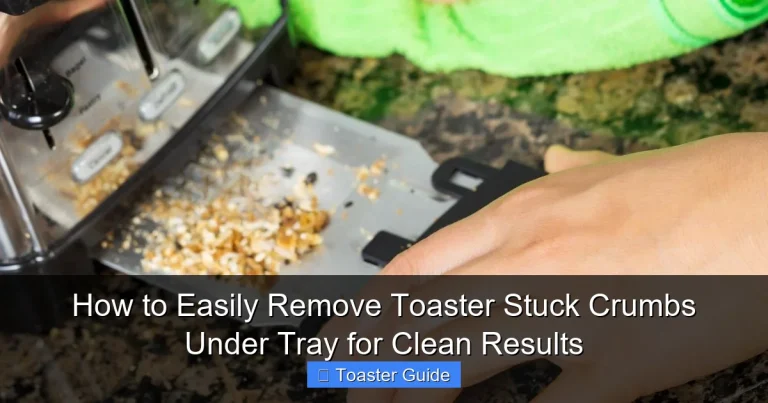
Crumb buildup blocks heat and air circulation inside toasters, causing uneven heating and potential fire hazards. Use the crumb tray after every few uses to keep your toaster clean. For detailed advice, check out our guide on how to clean toaster crumbs effectively.
Clean the Toaster Tray and Interior
Dirt and grease can accumulate on toaster trays and interior walls, interfering with heat conduction and radiation. Cleaning these parts regularly ensures efficient heat transfer. See our tips on how to clean toaster trays easily for step-by-step guidance.
Follow Toaster Dos and Don’ts
Proper use extends your toaster’s lifespan and maintains heat transfer performance. Avoid inserting items not meant for toasting and never force oversized bread slices into the slots. For comprehensive usage tips, visit our Toaster Dos and Don’ts guide.
Common Heat Transfer Issues and How to Fix Them
Uneven Toasting
If your toast is unevenly browned, it could be due to clogged heating coils, crumb buildup, or faulty thermostat settings. Cleaning your toaster and adjusting the browning control usually fixes this issue. If problems persist, consider troubleshooting guides like how to fix uneven toaster problems.
Burnt Edges or Undercooked Centers
These are signs of improper heat distribution or incorrect timing. Try lowering the toaster setting or using thinner bread slices for better heat penetration. Preheating your toaster can also help evenly spread heat.
Toaster Not Heating Properly
Electrical issues or worn-out heating elements can interrupt heat transfer. If your toaster fails to heat, check power connections and refer to repair tips such as those found in can a toaster be repaired.
Safety Tips Related to Toaster Heat Transfer
Avoid Overloading Your Toaster
Don’t jam oversized or wet bread into the toaster slots. This can cause heat to build unevenly and increase the risk of fire. Always toast bread types compatible with your toaster’s design.
Keep Your Toaster Clean and Well-Maintained
Regular cleaning prevents crumb fires and ensures heat flows properly. Never use metal objects to dislodge stuck bread as this can damage heating elements and create hazards.
Monitor Your Toaster While In Use
Stay nearby when toasting and unplug the toaster after use. If you notice smoke or burning smells, immediately stop the toaster to prevent accidents.
Conclusion: Mastering Heat Transfer for Toast Excellence
Toaster heat transfer might sound technical, but understanding it is the key to consistently perfect toast. By appreciating how conduction, convection, and radiation work inside your toaster, you gain the power to tweak settings, placement, and care routines for delicious results.
With the tips and insights shared here, you are now equipped to troubleshoot common issues, maintain your toaster’s efficiency, and toast like a pro. Remember, a little knowledge about heat transfer goes a long way in making your mornings tastier and hassle-free!
Frequently Asked Questions
What exactly is toaster heat transfer?
Toaster heat transfer is the process by which heat moves from the heating elements to the bread, mainly through conduction, convection, and radiation, to toast it evenly.
Why does my toast sometimes come out uneven?
Uneven toast usually results from irregular heat distribution, crumb buildup blocking heat flow, or placing bread off-center. Cleaning your toaster and adjusting settings can help.
Can preheating my toaster improve toast quality?
Yes, preheating stabilizes the toaster’s internal temperature, promoting consistent heat transfer and resulting in more evenly toasted bread.
How often should I clean my toaster to maintain heat transfer efficiency?
It’s best to clean the crumb tray and interior every few uses to prevent buildup that can interfere with heat flow and cause uneven toasting or fire risks.
Does the type of bread affect heat transfer in a toaster?
Yes, thicker or moister breads absorb heat differently and may require adjusting toaster settings to ensure proper heat penetration and even toasting.
Is it safe to put anything other than bread in my toaster?
Only put items designed for toasting, like bread, English muffins, or bagels. Avoid items not recommended, as they can disrupt heat transfer and cause safety hazards. For more, see our guide on what not to put in toaster.