Top Toaster Black Smoke Causes and How to Fix Them Fast

Toaster Black Smoke Causes: Why Your Toaster Is Smoking and How to Fix It
If your toaster is producing black smoke, it’s usually caused by burnt food crumbs, overheating, electrical faults, or grease buildup. Cleaning the toaster regularly and avoiding overheating are key to stopping smoke and keeping your kitchen safe.
Seeing black smoke coming from your toaster can be alarming and frustrating. This common problem often happens when crumbs get trapped or the toaster overheats, but it can also signal electrical issues or grease buildup. Don’t worry—you don’t need to be an appliance expert to fix it. This guide will take you through easy, step-by-step solutions to understand why your toaster smokes, how to clean and maintain it, and when to seek professional help. Read on to keep your toaster safe, fresh, and smoke-free.
Why Does My Toaster Produce Black Smoke?
Black smoke coming from a toaster is usually a sign that something inside is burning. Understanding the common causes helps you prevent damage and avoid hazards.
1. Burnt Food Crumbs
Over time, tiny crumbs fall to the bottom of the toaster and can accumulate. When the toaster heats up, these crumbs can burn, creating black smoke and an unpleasant smell.
Tip: Regularly empty your toaster’s crumb tray to prevent buildup. If your model lacks a tray, turn the toaster upside down and gently shake it to remove crumbs.
2. Overheating and Prolonged Toasting
Leaving bread in the toaster too long or using the highest heat setting for delicate bread types can cause burning. This leads to smoke and even fire risks.
Pro Tip: Adjust heat settings according to bread type and size. Use medium settings for thinner slices and avoid repeated toasting cycles without breaks.
3. Grease or Oil Build-Up
If you toast items with butter, oil, or spreads, these can drip inside and build up on heating elements or interior surfaces. When heated, grease burns and produces black smoke.
Cleaning after toasting buttery or oily foods is essential to prevent this.
4. Electrical Malfunction or Faulty Components
Damaged wiring, malfunctioning heating elements, or other electrical faults can cause sparking or burning inside the toaster, leading to smoke. This is less common but more serious.
If you notice unusual smells, sparks, or persistent smoking despite cleaning, unplug the toaster immediately and seek professional repair or replacement.
5. Using the Wrong Items in the Toaster
Toasting non-food items or large items that don’t fit properly can cause overheating or sparks. Avoid placing metal objects, plastic, or oversized bread slices in your toaster.
Using the toaster only as intended helps avoid damage and smoke.
Step-by-Step Guide: How to Clean a Toaster to Prevent Black Smoke
Cleaning your toaster regularly is the best way to avoid black smoke caused by crumbs and grease. Here’s a simple process anyone can follow.
- Unplug the Toaster: Always disconnect the toaster from power before cleaning to avoid electric shock.
- Remove the Crumb Tray: Pull out the crumb tray located at the bottom or side. Empty it into the trash.
- Shake Out Loose Crumbs: Turn the toaster upside down over a sink or trash can and gently shake to release stubborn crumbs.
- Clean the Crumb Tray: Wash the crumb tray with warm, soapy water. Dry thoroughly before reinserting.
- Wipe the Interior: Use a soft brush or cloth to carefully clean inside the toaster slots. Avoid touching heating elements directly.
- Clean the Exterior: Wipe the outside of the toaster with a damp cloth and mild detergent. Dry completely.
- Inspect for Grease or Residue: For greasy spots, use a mixture of baking soda and water to gently scrub. Don’t use harsh chemicals.
- Reassemble and Test: Put the crumb tray back, plug in the toaster, and test on a low setting with plain bread.
Pro Tip: Clean your toaster every 1–2 weeks if you use it daily, and immediately after toasting greasy or buttered bread.
Common Mistakes That Cause Toaster Black Smoke
Many black smoke issues come from avoidable errors. Knowing these helps you keep your toaster safe and functioning.
- Ignoring Crumb Buildup: Letting crumbs accumulate is the biggest cause of smoke and fire risk.
- Using High Heat for Too Long: Setting the toaster on maximum heat or repeatedly toasting without checking can burn bread and crumbs.
- Placing Wet or Oily Bread: Toasting moist or oily bread can cause grease to drip and burn inside.
- Inserting Metal Objects: Trying to retrieve stuck toast with a knife or fork can cause sparks and damage wiring.
- Not Unplugging Before Cleaning: Cleaning while plugged in risks electric shock or short circuits.
- Using the Toaster for Non-Food Items: Burning other materials can cause dangerous smoke and damage.
How to Troubleshoot and Fix Electrical Issues Causing Toaster Smoke
If cleaning doesn’t stop the black smoke and you notice burning smells or sparks, the problem may be electrical.
Step 1: Unplug Immediately
To avoid fire or shocks, disconnect the toaster from power as soon as you notice smoke or sparking.
Step 2: Inspect the Toaster Exterior
Check for any visible damage to the cord, plug, or toaster body, such as frayed wires or burn marks.
Step 3: Test With a Different Outlet
Sometimes outlet issues can cause electrical faults. Plug the toaster into another outlet to rule this out.
Step 4: Consult the User Manual or Manufacturer Support
Refer to the Breville toaster user manual or Cuisinart appliance support page for troubleshooting tips specific to your model.
Step 5: Seek Professional Repair or Replace
If the toaster still smokes or sparks, it’s safest to have it inspected by an appliance repair expert or replace it. Faulty electrical components are a fire hazard.
Best Practices for Using Your Toaster to Avoid Black Smoke
Simple habits can keep your toaster running smoothly without smoke or damage.
- Always use dry, properly sized bread slices.
- Adjust toasting settings based on bread thickness and type.
- Remove crumbs and clean the toaster regularly.
- Avoid inserting metal objects to retrieve stuck toast.
- Don’t use the toaster for anything but bread and approved items.
- Allow the toaster to cool between uses if you toast multiple rounds.
Comparing Toaster Models: Smoke Prevention Features
Some toasters come with helpful features to reduce black smoke risk. Here’s a quick comparison of common options:
| Feature | Benefit | Example Toaster |
|---|---|---|
| Removable Crumb Tray | Easier cleaning to prevent burnt crumbs | Cuisinart CPT-180P1 |
| Automatic Shut-Off | Prevents overheating and burning | Breville BTA840XL |
| Adjustable Browning Control | Precise heat settings for different bread types | Philips Avance Collection HD2637 |
| Cool-Touch Exterior | Reduces burns and accidental overheating | Panasonic FlashXpress NB-G110P |
Choosing a model with these features can minimize black smoke causes and improve safety.
When to Replace Your Toaster Instead of Repairing
Not all toaster issues are worth fixing. Consider replacing your toaster if:
- Black smoke persists after cleaning and troubleshooting.
- You notice exposed or damaged wiring.
- The toaster sparks or emits burning smells regularly.
- The toaster is more than 8–10 years old and showing wear.
- Repair costs approach or exceed the price of a new model.
Modern toasters often have improved safety features and energy efficiency. Check the Energy Star efficiency guidelines when shopping for a new toaster.
Frequently Asked Questions About Toaster Black Smoke Causes
Why does my toaster smoke only sometimes?
Intermittent smoke usually means crumbs or grease have built up over time and burn only when the toaster heats to a certain level. Cleaning the crumb tray and interior should fix this.
Is it safe to use a toaster that has smoked once?
If the smoke was due to crumbs or overheating and stops after cleaning, it’s generally safe. However, if smoke persists or you notice sparks, unplug it and get it checked.
Can I clean my toaster in the dishwasher?
No, never put your toaster or its parts in the dishwasher. Use a dry brush, cloth, and mild soap to clean. Dishwasher water can damage electrical components.
What’s the best way to remove burnt crumbs stuck inside?
Turn the toaster upside down and gently tap it to loosen crumbs. Use a soft brush or a can of compressed air to reach tight spots without damaging heating elements.
Can toasting frozen bread cause black smoke?
Frozen bread may produce more steam but usually doesn’t cause black smoke. However, if it causes overheating or dripping of ice crystals, small smoke might occur. Use the defrost setting if your toaster has one.
How do I safely remove stuck toast without causing sparks?
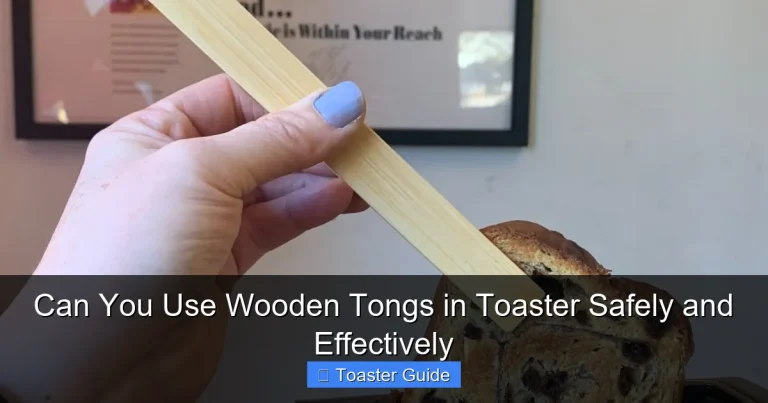
Unplug the toaster first. Use wooden or plastic tongs to gently remove stuck toast. Avoid metal tools which can contact electrical parts and cause sparks.
Why does my toaster smell burnt but not produce smoke?
A burnt smell without smoke often means slight overheating or a small amount of crumbs burning. Cleaning the toaster and adjusting settings usually resolves this.
Conclusion
Black smoke from your toaster is a common but solvable problem. Most often, it’s caused by burnt crumbs, grease buildup, or overheating. Regular cleaning and proper use go a long way to preventing smoke and keeping your kitchen safe. If smoke persists, electrical faults might be the cause and require professional attention or replacement. Following the simple steps and tips shared here will help you enjoy toast without worry. Remember, a clean, well-maintained toaster is a happy toaster—and a smoke-free kitchen is a safer kitchen.