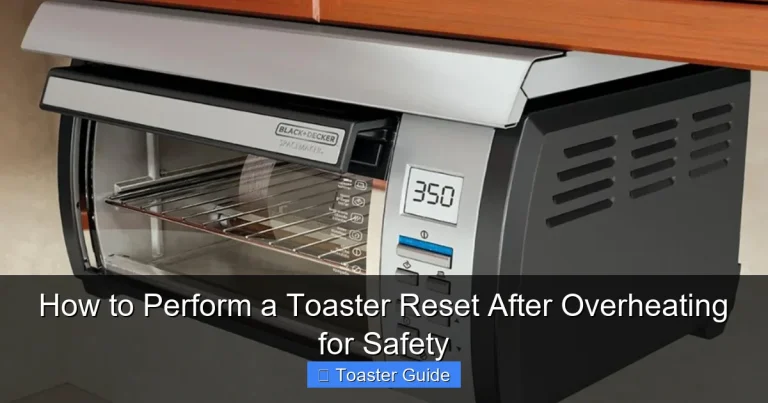
Toaster Reset Button Explained How It Works and Why You Need It

The toaster reset button is a small but vital feature that helps protect your appliance from overheating and electrical faults. Understanding how it works and why you need it can save your toaster from damage and keep your kitchen safe. Whether you’re a casual user or a toaster enthusiast, this guide explains everything about the reset button in simple terms.
Key Takeaways
- What It Is: The toaster reset button is a safety feature designed to prevent overheating and electrical issues.
- How It Works: It interrupts the power when the toaster gets too hot or detects a fault, requiring a manual reset.
- Why You Need It: It protects your toaster and home from fire hazards and prolongs the appliance’s lifespan.
- When to Use It: Press the reset button if your toaster stops working suddenly or overheats during use.
- Maintenance Tips: Regular cleaning and careful use help prevent the reset button from tripping unnecessarily.
- Common Problems: A stuck or faulty reset button can indicate deeper electrical issues needing professional repair.
- Safety First: Always unplug your toaster before attempting to reset or troubleshoot it.
📑 Table of Contents
Introduction
Toasters are a kitchen staple, making breakfast quick and easy. But have you ever noticed a small button on your toaster that you rarely use or even knew about? That’s the toaster reset button, and it’s more important than you might think. This little feature is a safety guardian, preventing your trusty appliance from overheating or causing electrical problems.
In this guide, we’ll explain what the toaster reset button is, how it works, and why you absolutely need to understand its purpose. Whether your toaster suddenly stops working or you want to keep it running safely for years, knowing about the reset button is a must. Let’s dive in and explore this handy feature together.
What Is the Toaster Reset Button?
The Safety Mechanism Behind the Button
The toaster reset button is a built-in safety switch designed to protect your toaster from overheating or electrical faults. When the internal temperature or electrical current exceeds safe limits, the reset button trips, cutting off power to prevent damage or fire hazards.
Where You Can Find It
Typically, the reset button is located on the bottom or back of the toaster. It’s often small and colored red or black, sometimes labeled “Reset.” If you’re unsure, check your toaster’s manual or manufacturer’s website for details.
How It Differs From Other Buttons
Unlike the lever or cancel button you use to start or stop toasting, the reset button isn’t part of regular operation. It only comes into play when the toaster detects a problem needing a manual reset to resume functioning.
How Does the Toaster Reset Button Work?
Triggering the Reset Button
The reset button activates when the toaster’s internal safety sensors detect excessive heat or an electrical fault. This could happen if you leave the toaster running too long, if crumbs accumulate and block heat dissipation, or if there’s an electrical short inside.
Interrupting the Power Supply
Once triggered, the reset button breaks the electrical circuit, stopping current flow to the heating elements. This immediate power cut prevents further heating, reducing the risk of damage or fire.
Manual Reset Needed
After the button trips, your toaster won’t work until you manually press the reset button to restore power. This ensures you check the toaster and address any issues before using it again.
Example: Overheating Scenario
Imagine you accidentally leave the toaster running with thick bread slices stuck inside. The toaster heats up beyond safe temperatures. The reset button trips, cutting power to avoid burning the toast or worse. You press the reset button after unplugging the toaster and cleaning the crumb tray, and your toaster is safe to use again.
Why You Need the Toaster Reset Button
Protecting Your Toaster from Damage
Without a reset button, overheating could cause permanent damage to your toaster’s heating elements or internal wiring. The reset function acts as a safeguard, extending the life of your appliance.
Preventing Kitchen Fires
Toasters can be fire hazards if left unattended or clogged with crumbs. The reset button helps prevent dangerous situations by shutting off power before things get out of hand. For tips on avoiding toaster fires, check out our detailed Toaster Fire Prevention Tips.
Ensuring Safe Operation
By requiring a manual reset after an issue, the button encourages users to inspect the toaster before restarting. This reduces the chance of repeated problems or unnoticed damage.
Peace of Mind for Everyday Use
Knowing your toaster has a built-in safety net lets you use it confidently every morning. It’s a small feature that makes a big difference in kitchen safety and appliance care.
When and How to Use the Toaster Reset Button
Recognizing When It’s Needed
If your toaster suddenly stops heating or won’t pop up the toast, the reset button might have tripped. Also, if the toaster feels excessively hot or smells like burning plastic or crumbs, it’s time to check the reset button.
Step-by-Step Reset Process
- Unplug the toaster: Always disconnect from power before troubleshooting.
- Check for obvious issues: Empty the crumb tray, remove stuck bread, and ensure nothing blocks the slots.
- Locate the reset button: Find it on the bottom or back of the unit.
- Press the reset button firmly: You may hear a click indicating it has reset.
- Plug the toaster back in: Turn it on and test a small toast cycle.
What If the Reset Button Keeps Tripping?
If your reset button frequently trips, it could mean a deeper electrical problem or persistent overheating. Avoid using the toaster until a professional inspects it. Repeated trips might also signal it’s time to replace the appliance. For advice on repairs and replacements, our guides on Can A Toaster Be Repaired and When To Replace A Toaster are very helpful.
Tips to Prevent Reset Button Trips and Maintain Your Toaster
Keep Your Toaster Clean
Crumbs and debris can insulate heat and cause overheating. Regularly empty the crumb tray and wipe out the inside to keep airflow clear. Check our easy-to-follow How To Clean A Toaster guide for detailed steps.
Avoid Overloading or Using Thick Bread
Using oversized or dense slices can strain your toaster’s heating elements and cause overheating. Stick to recommended bread sizes and avoid forcing items inside.
Don’t Leave Your Toaster Unattended
Always watch your toaster while it’s working to catch any issues early. This simple habit helps prevent overheating and potential fire hazards.
Regularly Inspect the Reset Button
Make sure the reset button is free from debris and moves easily when pressed. A stuck button can cause problems even if your toaster isn’t overheating.
Use the Toaster Within Manufacturer Guidelines
Follow your toaster’s instructions for use and maintenance. Overusing or misusing the appliance can lead to more frequent reset button trips.
Common Misconceptions About the Toaster Reset Button
My Toaster Doesn’t Have a Reset Button
Many older or basic toaster models don’t include a reset button. Instead, they might rely on fuses or other safety mechanisms. If yours lacks a reset button, be extra cautious about overheating and maintenance.
The Reset Button Fixes All Problems
Pressing the reset button only restores power after a safety trip. It doesn’t repair internal electrical faults or mechanical issues. If problems persist, professional servicing is necessary.
The Reset Button Should Be Pressed Frequently
Only press the reset button when it trips due to overheating or faults. Regular use of the reset button without an issue indicates misuse or a malfunction.
Reset Button Trips Are Always Due to User Error
While improper use can cause trips, sometimes the reset button trips due to manufacturing defects or age-related wear. Understanding this can help you decide when to repair or replace the toaster.
Conclusion
The toaster reset button is a small but crucial feature that protects your appliance and home. It acts as a safety guard, cutting power to prevent overheating and electrical hazards. Knowing how and when to use it ensures your toaster runs safely and efficiently for years.
Regular cleaning, proper use, and prompt attention to reset button trips can save you from costly repairs and potential dangers. If you’re curious about other toaster features or want to improve your toasting skills, check out our beginner’s guide to toasters and tips to prevent uneven toasting, such as Why Toaster Burns One Side Explained Best Fixes.
Next time your toaster stops working, don’t panic—just remember the reset button might be your simple fix to get back to perfect toast!
Frequently Asked Questions
What exactly does the toaster reset button do?
The toaster reset button is a safety feature that cuts off power when the toaster overheats or detects an electrical fault. Pressing it restores power after the issue is resolved.
Where can I find the reset button on my toaster?
It’s usually located on the bottom or back of the toaster, often small and sometimes red or black. Consult your toaster’s manual for the exact location.
Why does my toaster keep tripping the reset button?
Frequent trips usually indicate overheating caused by blocked airflow, heavy use, or an internal electrical problem. It’s best to clean the toaster and have it checked if the issue continues.
Can I use the toaster if the reset button is stuck?
No, a stuck reset button could prevent the toaster from working properly and may signal a safety problem. Unplug the toaster and have it inspected or repaired.
Does every toaster have a reset button?
No, not all toasters have a reset button. Older or simpler models may rely on fuses or other safety devices instead.
How can I prevent the reset button from tripping?
Keep your toaster clean, avoid overloading with thick bread, use it as instructed, and never leave it unattended during operation to reduce the risk of the reset button tripping.