Shared Toaster Gluten Risk: Must-Have Tips to Stay Safe and Healthy

Shared Toaster Gluten Risk: Must-Have Tips to Stay Safe and Healthy
If you have gluten intolerance or celiac disease, using a shared toaster can expose you to hidden gluten through cross-contact. To stay safe, always use a dedicated toaster or toaster bags, clean appliances thoroughly, and know the signs of contamination. These simple steps protect your health without sacrificing convenience.
Many people with gluten intolerance or celiac disease face a frustrating dilemma: how to use common kitchen appliances like toasters without risking gluten exposure. Shared toasters, especially in homes or workplaces, can harbor crumbs from gluten-containing bread, leading to cross-contact and unwanted reactions. This article breaks down the shared toaster gluten risk in simple terms and offers practical, step-by-step advice to keep you safe. From choosing the right tools to cleaning tips and smart habits, you’ll gain confidence managing gluten risk in your kitchen. Let’s dive into the must-have tips that make gluten safety easy and stress-free.
Understanding the Shared Toaster Gluten Risk
When gluten-free and gluten-containing breads are toasted in the same appliance, tiny crumbs from wheat-based bread can get trapped inside. These crumbs can then stick to gluten-free bread during toasting, causing cross-contact. For people with celiac disease or severe gluten sensitivity, even trace amounts of gluten can trigger symptoms ranging from digestive upset to more serious immune responses.
Unlike foods that can be washed or rinsed, toaster crumbs are harder to clean completely. The heat inside the toaster also won’t destroy gluten proteins, so contamination remains a genuine risk. This makes shared toasters a common source of accidental gluten exposure.
How Gluten Cross-Contact Happens in Shared Toasters
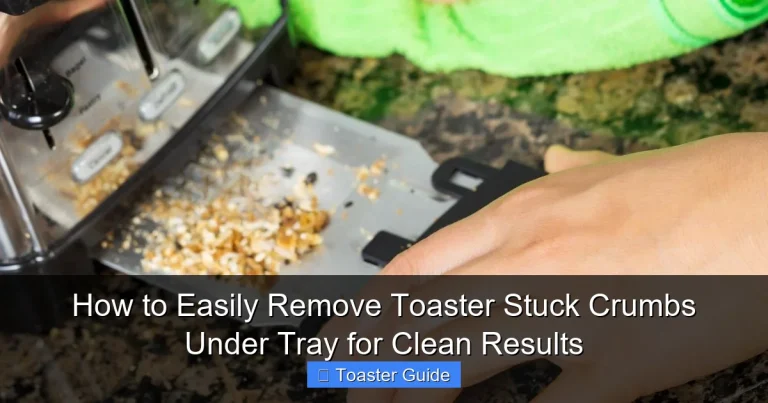
Cross-contact occurs when gluten-containing crumbs fall into the toaster slots or crumb tray. When gluten-free bread is toasted afterward, these crumbs may transfer onto it. Even invisible traces can matter for sensitive individuals.
- Crumb buildup: Small bread particles accumulate inside slots and trays.
- Shared surfaces: Gluten residues can stick to heating elements or walls.
- Inadequate cleaning: Regular crumb removal is often skipped or incomplete.
Understanding this helps highlight why shared toasters are a hidden gluten risk and why special care is needed.
Step-by-Step Guide: How to Safely Use a Shared Toaster
Managing gluten risk with a shared toaster is doable with clear steps. Here’s a practical guide to help you toast safely without sacrificing convenience or flavor.
1. Use a Dedicated Gluten-Free Toaster If Possible
The best way to avoid cross-contact is to have a separate toaster just for gluten-free bread. This eliminates risk and provides peace of mind, especially if you or family members have celiac disease.
If space or budget limits this, consider toaster bags or liners as a reliable alternative.
2. Try Toaster Bags for Gluten-Free Toasting
Toaster bags are heat-safe, reusable bags that enclose your gluten-free bread while toasting. They prevent crumbs from touching the bread and protect it from contamination.
- Look for bags made from food-safe materials that resist heat and won’t melt.
- Follow manufacturer instructions for cleaning and reuse to maintain hygiene.
- They’re affordable and portable, perfect for shared kitchens or travel.
3. Clean the Toaster Thoroughly and Regularly
Cleaning is essential when sharing appliances. Follow these tips:
- Unplug the toaster and let it cool completely.
- Remove the crumb tray and empty it daily if possible.
- Use a soft brush or cloth to sweep crumbs from slots gently.
- Wipe the exterior and crumb tray with a damp cloth and mild detergent.
- Allow all parts to dry fully before reassembling.
Consult your toaster’s manual for specific cleaning guidelines. For example, the Breville toaster user manual offers detailed tips on safe cleaning and maintenance.
4. Toast Gluten-Free Bread First
When sharing a toaster, always toast gluten-free bread before gluten-containing bread. This reduces the chance of crumbs contaminating your toast.
After toasting gluten-free bread, clean the crumb tray before using gluten bread, if possible.
5. Use Separate Utensils and Surfaces
Prevent cross-contact by using dedicated utensils like tongs or spatulas for gluten-free bread. Avoid placing gluten-free toast on surfaces where gluten bread crumbs may be present.
Common Mistakes to Avoid with Shared Toasters
Even with good intentions, certain habits can increase gluten risk. Here’s what to watch out for:
- Skipping crumb tray cleaning: Leaving crumbs inside the toaster lets gluten build up and transfer easily.
- Toasting gluten-free bread last: This exposes your bread to leftover gluten crumbs.
- Assuming heat kills gluten: Gluten proteins survive toaster heat, so contamination remains.
- Using the same cutting board or plates: Cross-contact can happen outside the toaster if surfaces aren’t cleaned.
- Ignoring appliance manuals: Proper cleaning and maintenance tips vary by model and affect safety.
Pro Tip: Label Your Toaster or Toaster Bags
Labeling helps avoid mix-ups in busy households or shared kitchens. Use stickers or markers to clearly mark gluten-free appliances or bags. This simple step reduces accidental gluten exposure and keeps everyone informed.
Choosing the Right Toaster for Gluten-Free Safety
When buying a toaster, consider features that help manage gluten risk:
- Removable crumb trays: Easier cleaning reduces gluten buildup.
- Wide slots: Accommodate different bread types and toaster bags.
- Easy-to-clean surfaces: Smooth interiors and exteriors aid hygiene.
- Compact design: Fits well in small kitchens or shared spaces.
- Trusted brands: Products from Breville, Cuisinart, or Philips often include user-friendly cleaning features.
Refer to the Cuisinart appliance manuals for detailed specs and cleaning tips that can guide your choice.
Pros and Cons of Popular Toaster Types
| Toaster Type | Pros | Cons |
|---|---|---|
| Two-Slot Toaster | Compact, affordable, quick to heat | Limited capacity, crumb tray may be small |
| Four-Slot Toaster | Can toast more bread at once, good for families | Bulkier, more crumb buildup, harder to clean |
| Toaster Oven | Versatile, can bake and toast, easy to clean | Takes more counter space, slower preheat |
Effective Cleaning Techniques to Minimize Gluten Cross-Contact
Beyond regular crumb removal, deep cleaning can help keep gluten residues at bay. Here are some methods:
1. Use a Vacuum Cleaner with a Narrow Attachment
A handheld vacuum with a small nozzle can suck crumbs from hard-to-reach toaster slots. This reduces buildup without dismantling the appliance.
2. Wipe Heating Elements Carefully
Once unplugged and cooled, use a dry cloth or soft brush to gently clean heating elements. Avoid getting them wet to prevent damage.
3. Clean Removable Crumb Trays with Warm Soapy Water
Soak trays in warm water and mild detergent, then scrub with a soft brush. Dry thoroughly before reinserting.
4. Avoid Harsh Chemicals
Use gentle cleaning agents to avoid damaging toaster parts or leaving residues that could affect food safety.
For detailed cleaning instructions tailored to your appliance, check the Philips appliance support page.
Additional Tips for Living Gluten-Free with Shared Appliances
Living gluten-free means adopting habits that minimize risk across your kitchen, not just with the toaster. Here are extra tips:
- Store gluten-free bread separately: Use sealed containers or bags to avoid contamination.
- Use dedicated cutting boards and knives: Prevent gluten crumbs from spreading.
- Educate family members or roommates: Make sure everyone understands gluten risks and cleaning routines.
- Label gluten-free foods and appliances: Clear labeling prevents mistakes.
- Be cautious eating out or at social gatherings: Ask about toaster use and cross-contact precautions.
The FDA food safety recommendations provide helpful guidelines on gluten-free labeling and handling.
FAQ: Shared Toaster Gluten Risk Explained
Can gluten survive the heat of a toaster?
Yes, gluten proteins are heat-stable and not destroyed by toaster heat. This means gluten crumbs inside a toaster can contaminate gluten-free bread during toasting.
Is it safe to use the same toaster for gluten and gluten-free bread?
Using the same toaster carries a risk of cross-contact unless you use toaster bags or thoroughly clean the appliance between uses. Dedicated gluten-free toasters are the safest option.
How often should I clean my toaster to avoid gluten contamination?
Ideally, remove and empty the crumb tray daily and clean the toaster thoroughly at least once a week. More frequent cleaning reduces gluten buildup and risk.
Are toaster bags reusable, and do they really prevent gluten exposure?
Yes, most toaster bags are reusable and effectively block crumbs from touching your bread. Always follow cleaning instructions to keep them safe and hygienic.
Can I use a toaster oven as a gluten-free alternative?
Toaster ovens can be safer because they’re easier to clean and don’t trap crumbs as much as traditional toasters. However, cross-contact is still possible if shared with gluten bread.
What should I do if I accidentally eat gluten from a shared toaster?
If you experience symptoms, follow your healthcare provider’s advice. Keep your kitchen well organized and consider switching to dedicated appliances or toaster bags to prevent future incidents.
Where can I find detailed cleaning instructions for my toaster model?
Check the manufacturer’s website or user manual for your specific toaster. Brands like Breville and Cuisinart provide downloadable manuals with cleaning tips.
Conclusion: Making Shared Toasters Safe for Gluten-Free Living
Managing the shared toaster gluten risk is essential for anyone with gluten intolerance or celiac disease. With clear awareness and practical steps, you can enjoy your favorite toasted breads without worry. Whether you invest in a dedicated toaster, use toaster bags, or adopt thorough cleaning routines, these habits create a safer kitchen environment.
Remember, the key is consistency—regular cleaning, smart toasting order, and good communication with family or housemates make all the difference. Choosing the right toaster and following trusted manufacturer cleaning advice, like from the Philips appliance support page, further enhances your safety.
By combining these tips with a practical mindset, you’ll build confidence in managing gluten risk at home while saving time and stress. You deserve a kitchen that supports your health and lifestyle, and it starts with simple, effective steps around the humble toaster.