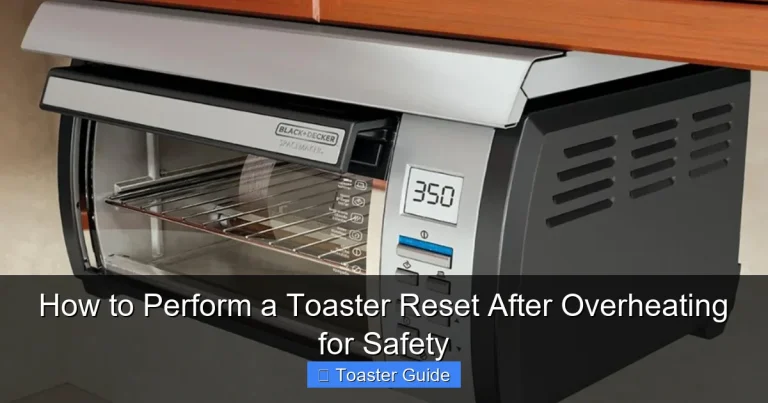
Toaster Replacement Heating Element Explained for Easy Fixes

Toaster replacement heating element explained helps you understand why your toaster might stop heating and how to fix it yourself. Replacing the heating element can save you money and extend your toaster’s life with a few simple steps.
Key Takeaways
- Heating Element Role: The heating element is crucial for generating the heat needed to toast bread evenly.
- Signs of Failure: A toaster not heating or uneven toasting often points to a faulty heating element.
- Replacement Process: Replacing the heating element involves disassembling the toaster and installing a compatible part.
- Safety First: Unplug your toaster and handle components carefully to avoid electric shock.
- Maintenance Tips: Regular cleaning and proper use can prolong the heating element’s life.
- When to Replace: Sometimes replacing the whole toaster is better if multiple parts fail.
- Helpful Resources: Check out guides on troubleshooting and toaster care for smoother fixes.
📑 Table of Contents
- Introduction: Understanding Your Toaster’s Heart
- What Is a Toaster Heating Element?
- Signs You Need a Toaster Replacement Heating Element
- How to Replace a Toaster Heating Element: Step-by-Step Guide
- Tips for Maintaining Your Toaster’s Heating Element
- When to Replace Your Toaster Instead of Fixing the Heating Element
- Additional Troubleshooting and Resources
- Conclusion: Fix It Yourself and Enjoy Perfect Toast Again
Introduction: Understanding Your Toaster’s Heart
Imagine waking up to a cold, unheated toaster when you’re craving that perfectly golden toast. It’s frustrating, isn’t it? Most toaster issues boil down to one small but vital part: the heating element. This tiny coil is what turns electricity into the heat that crisps your bread to perfection.
If your toaster isn’t heating, or it’s toasting unevenly, the heating element might be the culprit. Knowing how a toaster replacement heating element works and how to replace it can save you time and money. Instead of tossing your toaster, you might bring it back to life with a simple fix.
In this guide, we’ll explain everything about toaster replacement heating elements, how they work, signs they need replacing, and step-by-step tips for an easy fix. Ready to become your own toaster repair expert? Let’s dive in!
What Is a Toaster Heating Element?
The Core Function of the Heating Element
The heating element in a toaster is a coil usually made from a metal alloy called nichrome. When electricity passes through it, this coil heats up rapidly and radiates heat to toast your bread. This simple but effective mechanism is what browns your bread evenly and quickly.
Types of Heating Elements in Toasters
Most common toasters use nichrome wire coils, but some modern or high-end models might use quartz or ceramic heating elements for more consistent heat. Understanding the type of heating element your toaster uses is key when searching for a replacement part.
How It Fits Into Your Toaster
The heating element is mounted inside the toaster’s slots, usually behind a protective mesh or glass shield. It’s connected to the toaster’s electrical system and controlled by a timer or thermostat, which determines how long the element stays hot.
Signs You Need a Toaster Replacement Heating Element
Toaster Not Heating at All
If your toaster doesn’t heat up, the heating element might be broken or disconnected. This is one of the most common signs that the element has failed.
Uneven Toasting or Cold Spots
Notice some areas of your bread are toasted while others remain pale? This often means some parts of the heating element are burnt out, causing uneven heat distribution.
Visible Damage or Burn Marks
If you can safely look inside your toaster, visible breaks, burnt coils, or corrosion on the heating element signal it’s time for a replacement.
Frequent Toaster Malfunctions
Repeated failures, such as the toaster popping up early or inconsistent heat, might stem from a failing heating element or related electrical parts.
How to Replace a Toaster Heating Element: Step-by-Step Guide
Tools and Materials You’ll Need
- Screwdrivers (usually Phillips and flat-head)
- Replacement heating element compatible with your toaster model
- Needle-nose pliers
- Multimeter (optional, for testing electrical continuity)
- Work gloves for safety
Step 1: Safety First – Unplug and Prepare
Always unplug the toaster before starting any repair. Let it cool down completely if recently used. Work on a clean, dry surface with good lighting.
Step 2: Disassemble Your Toaster
Remove the crumb tray and any accessible parts. Use your screwdriver to carefully remove screws holding the toaster casing. Keep track of all screws and parts.
Step 3: Locate and Inspect the Heating Element
Find the heating element coils inside the toaster slots. Check for visible damage or loose wires. If you have a multimeter, test for continuity to confirm if the element is faulty.
Step 4: Remove the Old Heating Element
Disconnect wires attached to the element. Use pliers if needed. Carefully unmount the element from its brackets or clips.
Step 5: Install the New Heating Element
Fit the new heating element into the same position. Reattach the wires securely. Avoid touching the coils directly to prevent damage.
Step 6: Reassemble and Test
Put the toaster casing back together. Plug in your toaster and test it with a slice of bread. It should heat evenly and toast as expected.
Tips for Maintaining Your Toaster’s Heating Element
Regular Cleaning to Prevent Damage
Crumbs and debris can cause overheating or damage heating coils. Clean your toaster regularly by emptying the crumb tray and gently brushing crumbs away. For detailed cleaning, check out our ultimate guide to cleaning a toaster.
Avoid Overloading or Jamming
Don’t force oversized bread or frozen items that can jam the toaster and stress the heating element. Learn what foods are safe to toast in our ultimate must-have toaster guide.
Use Correct Settings
Excessively high heat settings can shorten the heating element’s life. Use moderate settings for most toasting tasks to extend the element’s durability.
When to Replace Your Toaster Instead of Fixing the Heating Element
Multiple Component Failures
If other parts like the timer, lever, or electrical wiring also fail, repairing the heating element alone might not be cost-effective. Consider replacing the entire toaster for better reliability.
Older Toasters and Safety Concerns
Older models might pose safety risks, especially if internal components are corroded or damaged. Read more about old toaster safety risks to make an informed decision.
Cost vs. Value
Sometimes, new toasters come with better heating elements and energy efficiency. If the replacement part is expensive or hard to find, upgrading might be the smarter choice.
Additional Troubleshooting and Resources
Other Reasons Why Your Toaster May Not Heat
Besides a faulty heating element, issues with the thermostat, fuse, or wiring can cause heating problems. For more detailed fixes, visit our easy and effective solutions guide.
Preventing Heating Element Damage
Understanding how toaster heating elements work helps you use your appliance wisely. Avoid placing wet or greasy items in the toaster, and unplug it when not in use.
Finding Replacement Parts
Always use manufacturer-approved heating elements compatible with your toaster model. Check online stores or contact the toaster brand’s customer service for parts.
Conclusion: Fix It Yourself and Enjoy Perfect Toast Again
Knowing your toaster replacement heating element explained empowers you to troubleshoot and fix common toaster heating issues. With some basic tools and safety precautions, you can replace a faulty heating element and bring your toaster back to life.
Regular maintenance, careful use, and timely repairs keep your toaster working efficiently for years. And if you ever feel stuck, plenty of detailed guides and resources are available to help you along the way. So next time your toaster stops heating, remember: a simple heating element replacement might just be the easy fix you need.
Frequently Asked Questions
What is a toaster heating element?
The heating element is the coil inside the toaster that heats up when electricity flows through it. It generates the heat needed to toast your bread evenly.
How do I know if my toaster’s heating element is broken?
If your toaster doesn’t heat at all, toasts unevenly, or you see visible damage inside, the heating element likely needs replacement.
Can I replace a toaster heating element myself?
Yes, with basic tools and safety precautions, most people can replace a toaster heating element by disassembling the toaster and installing a compatible part.
Where can I find a replacement heating element for my toaster?
Replacement heating elements can be found online, through the toaster manufacturer, or at appliance parts stores. Make sure to get the right part for your model.
How can I prolong the life of my toaster’s heating element?
Regularly clean crumbs, avoid overloading, use moderate heat settings, and unplug the toaster when not in use to keep the heating element in good condition.
When should I replace the entire toaster instead of just the heating element?
If multiple parts fail, the toaster is very old, or repair costs are high, replacing the whole toaster is often more practical and safer.