Top Toaster Tips for Reducing Food Waste and Saving Money

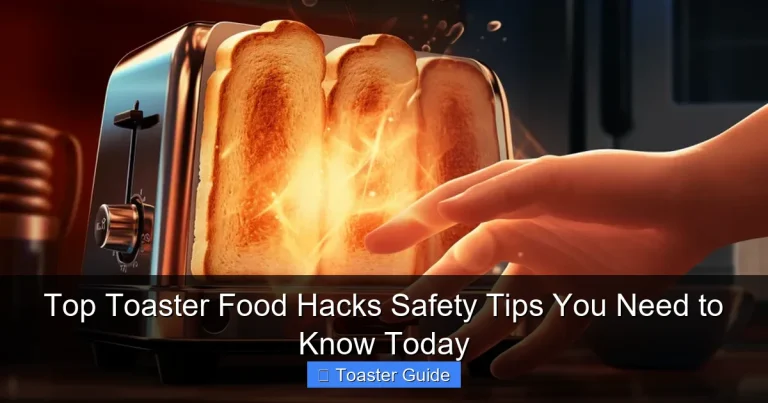
Reducing food waste starts with smart kitchen habits, and your toaster can be a powerful ally. By mastering simple toaster tips, you can save money, enjoy perfectly toasted meals, and minimize waste. This guide shares practical advice to help you get the most from your toaster while cutting down on food scraps.
Key Takeaways
- Adjust Toasting Settings: Use the right heat level and timing to avoid burning food, reducing waste.
- Repurpose Stale Bread: Toast slightly stale bread to refresh it instead of throwing it away.
- Use Toaster for Leftovers: Reheat and revive foods like pizza or buns safely in your toaster.
- Prevent Crumbs Build-up: Regularly clean your toaster to maintain efficiency and avoid uneven toasting.
- Slice Bread Smartly: Cut bread slices evenly for consistent toasting, reducing the chance of wasting burnt edges.
- Store Bread Properly: Keep bread fresh longer by freezing and toasting it straight from the freezer.
- Follow Safety Tips: Avoid hazards that can damage your toaster or food, ensuring safe and effective use.
📑 Table of Contents
- Introduction
- 1. Master Your Toaster Settings for Perfect Toast
- 2. Repurpose Stale or Slightly Dry Bread
- 3. Reheat Leftovers Safely Using Your Toaster
- 4. Store and Prepare Bread Properly to Extend Freshness
- 5. Clean and Maintain Your Toaster Regularly
- 6. Practice Toaster Safety to Protect Your Food and Appliance
- Conclusion
Introduction
We all know how easy it is to waste food, especially bread and other toaster-friendly items that can quickly become stale or burnt. But what if your everyday toaster could help you reduce that waste and save money at the same time? With a few simple tips and smart habits, you can transform how you use your toaster to get the most out of your food.
In this article, I’ll share practical toaster tips for reducing food waste. Whether you’re a busy professional, a family cook, or just someone who wants to be more mindful in the kitchen, these ideas will help you toast smarter, avoid throwing food away, and enjoy tasty results every time.
1. Master Your Toaster Settings for Perfect Toast
Understand Your Toaster’s Heat Levels
To reduce waste, it’s crucial to use the correct toasting settings. Many toasters have multiple browning levels, but it’s not always obvious which one is best for your bread or other foods. Start with a medium setting and adjust based on your preferences.
Over-toasting leads to burnt food that often ends up in the trash. Under-toasting means you might be reheating or toasting again, which wastes time and energy. Finding the right balance helps you avoid both scenarios.
Test and Adjust for Different Breads
Different breads toast differently. For example, thin white bread crisps faster than thick rye or sourdough. Keep notes on your toaster’s settings for each type to get consistent results. This habit reduces the risk of burning slices and wasting them.
Tip:
For more tips on perfect toasting, check out our detailed Toaster Dos and Don’ts Must Have Tips For Effortless Toasting guide.
2. Repurpose Stale or Slightly Dry Bread
Bring Bread Back to Life
Instead of tossing stale bread, use your toaster to revive it. Toasting slightly hard bread can restore crispness and improve flavor. This is a great way to cut down on food waste without needing extra effort or ingredients.
Make Croutons or Breadcrumbs
If the bread is too dry to enjoy alone, toast it until very crisp and then crumble it to make breadcrumbs or cut it into cubes for croutons. These can be stored and used in salads, soups, or casseroles, extending the bread’s life and reducing waste.
3. Reheat Leftovers Safely Using Your Toaster
Reheat Pizza, Buns, and More
Your toaster isn’t just for bread! Reheating leftovers like pizza slices, buns, or waffles in your toaster can make them taste fresh again. Just be sure to use the toaster safely and avoid messes.
Use Toaster Bags or Foil
Consider using toaster bags designed for reheating foods without dripping grease or cheese. If you use foil, follow proper safety guidelines to avoid damage to your toaster. This method can reduce food waste by making leftovers more appealing to eat.
Learn More
For safe reheating tips, see our article Can You Reheat Pizza In Toaster Must Have Tips For Perfect Results 3.
4. Store and Prepare Bread Properly to Extend Freshness
Freeze Bread to Prevent Spoilage
Buy bread in bulk and freeze it if you don’t plan to use it right away. Frozen bread can be toasted straight from the freezer, saving you from waste and trips to the store. This prevents bread from going moldy or stale.
Slice Bread Evenly
Uneven slices can lead to some parts burning while others remain under-toasted. Using a bread knife or slicer to get even slices helps ensure consistent toasting and less waste.
Tip:
Learn how to toast frozen bread perfectly with our guide Can You Put Frozen Bread In Toaster Must Have Tips For Best Results.
5. Clean and Maintain Your Toaster Regularly
Remove Crumbs to Avoid Burning
Crumbs can build up inside your toaster and burn, causing unpleasant smells and uneven heating. Empty the crumb tray regularly to keep your toaster clean and efficient. This simple habit helps your toaster work better and prevents food waste caused by burnt crumbs.
Deep Clean for Longevity
Occasionally unplug your toaster and carefully clean the interior to remove stuck debris. Keeping your toaster in top shape means it will toast more evenly and last longer, helping you avoid replacing it prematurely.
More Cleaning Tips
For an easy cleaning routine, see How To Clean Toaster Crumbs Must Have Tips For Effortless Cleaning.
6. Practice Toaster Safety to Protect Your Food and Appliance
Avoid Common Toaster Hazards
Using your toaster correctly not only keeps you safe but also helps prevent food from burning or getting ruined. Don’t insert oversized or wet items, and never put metal objects inside the toaster slots.
Prevent Fires and Damage
Keep your toaster away from flammable materials and unplug it when not in use. If your toaster shows signs of malfunction, get it repaired or replaced promptly to avoid accidents and wasted food.
Safety Resources
Check out Toaster Fire Prevention Tips Must Have Safety Guide For Every Kitchen for more detailed advice on safe toaster use.
Conclusion
Your toaster is more than just a breakfast tool—it’s a handy kitchen partner in reducing food waste and saving money. By mastering your toaster’s settings, repurposing stale bread, reheating leftovers smartly, and maintaining your appliance, you can cut down on wasted food and enjoy tastier meals.
Incorporate these tips into your daily routine to make your toaster work for you and the planet. Remember, small changes in how you use everyday appliances can lead to big savings and less waste. Ready to toast smarter?
Frequently Asked Questions
How can adjusting toaster settings help reduce food waste?
Using the right heat and time settings prevents burning or under-toasting, ensuring your food is perfectly crisp without ending up in the trash. This saves both food and money.
Is it safe to toast frozen bread directly from the freezer?
Yes, you can toast frozen bread without thawing it first. Adjust your toaster settings to a slightly higher level if needed, so it heats through evenly and tastes fresh.
Can I reheat leftovers like pizza or buns in a toaster?
Absolutely! Many leftovers can be safely reheated in a toaster to restore crispness. Use toaster bags or foil carefully to avoid messes and follow safety tips.
What’s the best way to clean crumbs from my toaster?
Empty the crumb tray regularly and gently shake out crumbs. For a deeper clean, unplug the toaster and carefully remove stuck debris inside without damaging the heating elements.
How does storing bread properly reduce waste?
Storing bread in the freezer prevents it from going stale or moldy, extending its shelf life. You can then toast slices straight from the freezer without wasting any bread.
What safety precautions should I take when using a toaster?
Avoid inserting metal objects, oversized items, or wet foods. Always unplug the toaster when not in use and keep it clean to prevent fires or damage that could waste food and money.