
Toaster GFCI Outlet Explained for Safe Kitchen Use

A toaster can safely be used on a GFCI outlet, but repeated trips usually mean the outlet is detecting moisture, a fault, or a wiring issue. The safest next step is to inspect the toaster and outlet, avoid extension cords, and call an electrician if the problem keeps happening.
When a toaster keeps tripping a kitchen outlet, most homeowners are trying to answer the same question: is the toaster unsafe, or is the outlet doing its job? The short version is that a GFCI outlet is designed to shut off power when it detects a possible shock hazard, and that can happen with a toaster for several normal or not-so-normal reasons.
This guide breaks down the toaster GFCI outlet explained in plain language so you can tell the difference between a harmless nuisance trip and a real electrical issue. If your toaster, outlet, or kitchen wiring is showing repeated problems, the safest move is to diagnose carefully and bring in a licensed electrician when needed.
- GFCI purpose: It protects against shock by cutting power when it detects leakage.
- Repeated trips: They can point to the toaster, outlet, moisture, or wiring.
- Safety first: Do not bypass the GFCI or use unsafe extension cord setups.
- Best next step: Test the toaster on another protected outlet and inspect for damage.
Toaster GFCI Outlet Explained: What Homeowners Are Really Trying to Figure Out
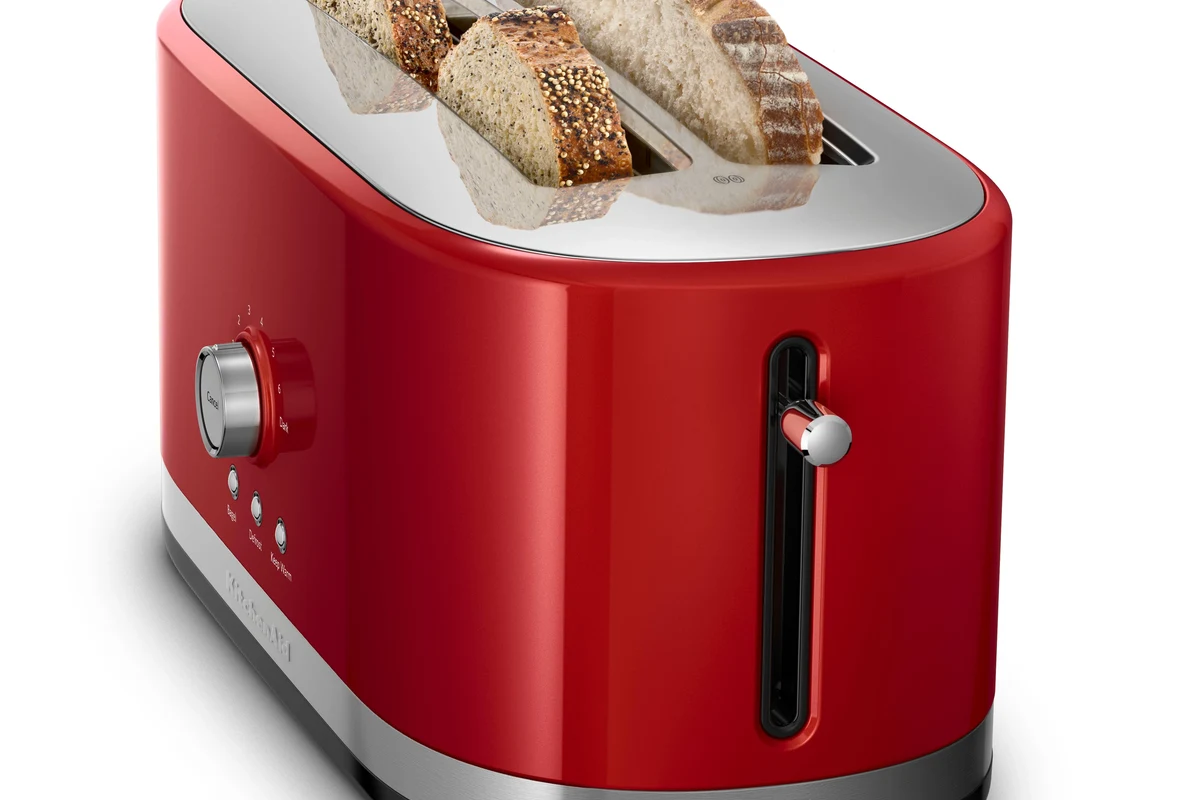
Visual guide: Toaster GFCI Outlet Explained: What Homeowners Are Really Trying to Figure Out
Search intent: why a toaster may trip a GFCI, whether it is safe, and what the outlet is protecting
Most people search this topic after a toaster suddenly kills power to the counter outlet. They want to know whether the appliance is broken, whether the outlet is bad, and whether it is still safe to keep using the toaster.
A GFCI, or ground-fault circuit interrupter, is there to protect people from electric shock. It watches for tiny differences between outgoing and returning current, and if it senses electricity may be leaking somewhere it should not, it cuts power fast.
What “toaster GFCI outlet explained” means in a modern kitchen context
In a modern kitchen, this phrase usually means understanding why a countertop toaster and a protected receptacle do not always get along. The toaster may be fine, but moisture, worn parts, or a wiring fault can make the GFCI trip.
It also means knowing that a trip is not automatically a failure. Sometimes the outlet is correctly reacting to steam, crumbs, a damaged cord, or another appliance on the same circuit.
How a GFCI Outlet Works with a Toaster in 2025 Kitchens

Visual guide: How a GFCI Outlet Works with a Toaster in 2025 Kitchens
Basic function of a GFCI and why kitchens use them
Kitchens are wet, busy, and full of high-use appliances, so GFCI protection is standard in many areas. The goal is simple: reduce the risk of shock if electricity finds a path through moisture, damaged insulation, or a person.
A toaster is a heating appliance, but it still has live electrical parts inside. If something goes wrong, the GFCI is supposed to react before the problem becomes dangerous.
Why high-wattage countertop appliances can expose wiring or moisture issues
Toasters draw a lot of power in a short burst. That heavy load can expose weak connections, aging receptacles, loose plugs, or cords that are starting to fail.
Moisture is another common trigger. Steam, a damp countertop, a recently cleaned crumb tray, or water near the outlet can create the kind of leakage current that a GFCI is designed to detect.
What happens inside the outlet when a toaster causes a fault
Inside the GFCI device, sensors compare the current going out and coming back. If the difference is large enough, the outlet assumes electricity may be escaping through an unsafe path.
When that happens, the outlet trips almost instantly. That is why the toaster may shut off even if it still looks and smells normal from the outside.
Is a Toaster Safe to Use in a GFCI Kitchen Outlet?
When the setup is normal and code-compliant
Yes, a toaster is generally safe to use in a properly installed GFCI-protected kitchen outlet. In many kitchens, that protection is expected and part of normal safety design.
If the toaster works normally and the outlet does not trip, there is usually no issue. The GFCI is simply standing by in case something goes wrong.
When repeated tripping suggests a toaster problem, outlet problem, or circuit issue
Repeated tripping is where you should pay attention. It may point to a failing toaster, a weak or aging GFCI receptacle, or a broader circuit problem such as loose wiring or shared-load issues.
If the toaster trips one outlet but works on another protected outlet, the toaster may be the problem. If multiple appliances trip the same outlet, the receptacle or wiring deserves closer inspection.
Safety notes: moisture, damaged cords, overloaded counters, and extension cord risks
Never ignore visible moisture around the toaster or outlet. Even a small spill or heavy steam can be enough to create a trip, and it can also create a shock hazard.
Check for cracked insulation, bent prongs, scorch marks, and overloaded outlets. Extension cords and power strips are poor substitutes for proper kitchen wiring, especially with heating appliances.
Step-by-Step: What to Check When Your Toaster Trips the GFCI
Test the toaster on a different GFCI-protected outlet
Move the toaster to another kitchen or nearby protected outlet and test it briefly. This helps separate an appliance issue from an outlet issue without bypassing safety protection.
If the toaster trips multiple GFCIs, the appliance is more likely to be at fault. If it only trips one receptacle, the outlet itself may be worn or overly sensitive.
Inspect the cord, plug, heating elements, crumb tray, and moisture exposure
Look closely at the cord and plug for cuts, melting, looseness, or discoloration. Inside the toaster, crumbs, warped parts, or signs of heat damage can also point to trouble.
Pull out the crumb tray and clean it if needed, then let the toaster dry fully if it was recently cleaned. A damp appliance can trip a GFCI even when the heating elements are still intact.
Reset the outlet and note whether tripping is immediate or delayed
After a trip, reset the GFCI and observe what happens. An immediate trip often suggests a direct fault, while a delayed trip may indicate a warming connection, intermittent moisture, or an overloaded circuit.
Keep notes on when it happens, what else was running, and whether the toaster was empty or loaded. That pattern can help an electrician or appliance technician diagnose the issue faster.
Check for shared-load problems, old wiring, or a weak GFCI device
Kitchen circuits often feed more than one outlet, so another appliance may be contributing to the problem. A microwave, kettle, or air fryer on the same circuit can make the load less stable.
Older homes may also have worn wiring or outdated receptacles. A GFCI device can fail over time too, and a weak unit may trip too easily or refuse to reset.
Check the toaster cord, plug, and body for visible damage or moisture before any further testing.
Try another protected outlet to see whether the toaster or the original receptacle is more likely to be the cause.
Note whether the GFCI trips immediately, after a few seconds, or only when another appliance is running.
Common Mistakes Homeowners Make with Toasters and GFCI Outlets
Assuming the toaster is always defective
A toaster can certainly be the cause, but not every trip means the appliance is broken. Sometimes the outlet is sensitive, aging, or reacting correctly to a real electrical leak.
Replacing the toaster without checking the outlet can waste money. It is better to test carefully before deciding what to replace.
Bypassing or replacing a GFCI with a standard outlet
Some people are tempted to swap in a regular outlet just to stop the tripping. That removes an important layer of shock protection in a room where moisture and heat are common.
Do not bypass safety devices to solve a convenience problem. If the GFCI is tripping, find the cause instead of defeating the protection.
Using power strips, adapters, or extension cords in the kitchen
Power strips and extension cords are not ideal for toasters or other heating appliances. They can overheat, loosen, or mask a deeper wiring issue.
If you need more outlets, the better fix is usually proper kitchen electrical work, not a temporary adapter. For wiring changes, contact a qualified electrician.
Ignoring signs of arcing, heat, discoloration, or buzzing
Any buzzing, crackling, warmth at the outlet, or dark marks around the receptacle should be taken seriously. Those are signs that go beyond a simple nuisance trip.
Turn off power to the circuit if you see heat damage or smell burning. Do not keep resetting the outlet and hoping the problem goes away.
Kitchen Outlet Compatibility: What Matters for Toasters, Countertop Appliances, and Circuit Design
Amperage, voltage, and typical toaster wattage compared with kitchen circuit capacity
Most kitchen toasters are relatively high-wattage for their size, so they draw a meaningful amount of current every time they heat up. That is normal, but it means the circuit needs to be in good condition.
Kitchen circuits are designed to handle countertop appliances, but the exact capacity depends on the home’s wiring, breaker size, and how many devices are sharing the line. Product performance and electrical behavior can vary by model and region.
GFCI vs AFCI in kitchens: what each protects and when both may matter
GFCI protection focuses on shock risk. AFCI protection looks for certain arcing faults that can indicate a fire hazard.
Some kitchens may need one or both depending on local code and the age of the home. If you are unsure what your kitchen requires, an electrician can confirm the setup.
Dedicated circuits, multi-outlet counters, and older home wiring considerations
Modern kitchens often use multiple outlets on countertop circuits so several appliances can be used safely. Even then, running too many high-wattage devices at once can create problems.
Older homes may have fewer circuits, older receptacles, or wiring that was not designed for today’s appliance loads. In those homes, repeated toaster trips deserve a closer look.
| Option | Best For | Watch Out For |
|---|---|---|
| Replace toaster | Appliance shows visible damage or trips multiple outlets | May not solve a wiring or outlet issue |
| Replace GFCI outlet | Outlet is old, loose, or trips with several appliances | Should be done safely with power off |
| Call electrician | Persistent trips, heat, buzzing, or old wiring | Costs more upfront, but addresses the root cause |
Cost, Time, and When to Replace the Toaster, Outlet, or Call a Pro
Typical time to diagnose a tripping toaster outlet issue
A basic at-home check can take only a few minutes if the problem is obvious, such as visible cord damage or moisture. More careful diagnosis may take longer if you need to compare multiple outlets and appliances.
If the issue is intermittent, expect a longer troubleshooting process. Electrical faults that come and go are harder to pin down and should not be ignored.
Replacement cost comparison: toaster, GFCI receptacle, or electrician visit
The cost tradeoff depends on what is actually failing. A new toaster may be the simplest fix if the appliance is clearly damaged, while a new GFCI receptacle may be the better answer if the outlet is worn out.
An electrician visit costs more, but it may be the smartest choice if there is heat damage, repeated trips, or old wiring. Exact pricing varies by location, labor rates, and the scope of the repair.
When a licensed electrician is needed for persistent trips, heat damage, or wiring concerns
Call a licensed electrician if the outlet trips repeatedly without a clear appliance cause, if the receptacle feels warm, or if you see scorch marks or damaged wiring. Those are not DIY guesswork situations.
Professional help is also the right move if the kitchen circuit is old, overloaded, or not behaving consistently. Electrical safety is worth more than a quick reset.
When appliance repair or replacement is the smarter choice
If the toaster has a damaged cord, loose internal parts, or repeated fault behavior across multiple outlets, replacement is often more practical than repair. Small countertop appliances are frequently not worth a complicated fix.
If the toaster is newer and the issue looks minor, a repair shop may be able to advise whether it is economical. The right answer depends on age, condition, and how often you use it.
Final Recap: The Safest Way to Use a Toaster on a GFCI Outlet
Quick summary of what the outlet is doing, what tripping means, and the safest next steps
A GFCI outlet protects against shock by shutting off power when it detects current leaking where it should not. If your toaster trips it, the cause may be the toaster, moisture, the outlet itself, or the circuit.
The safest next steps are to inspect the appliance, test another protected outlet, avoid extension cords, and stop using the setup if you see heat, smoke, buzzing, or damage.
Bottom-line guidance for RedKitchenProject readers in 2025
For most kitchens, a toaster and a GFCI outlet can work together just fine. When they do not, the trip is a clue that deserves attention rather than a safety feature to defeat.
If the problem keeps coming back, treat it as an electrical issue first and a convenience issue second. That approach keeps your kitchen safer and helps you make the right repair or replacement decision.
Frequently Asked Questions
A toaster can trip a GFCI because of moisture, a damaged cord, a failing heating element, or a weak outlet. Repeated trips may also point to a wiring or circuit issue in the kitchen.
Yes, a toaster is generally safe on a properly installed GFCI outlet. The outlet is there to protect you if a fault or moisture problem develops.
Check the cord, plug, crumb tray, and signs of moisture or heat damage first. Then test the toaster on another protected outlet and see whether the trip repeats.
It is not a good idea to use an extension cord or power strip with a toaster if you can avoid it. Heating appliances draw a lot of power and should be plugged directly into a proper outlet.
A GFCI protects against electric shock by detecting current leakage. An AFCI helps detect arcing faults that can increase fire risk, and some kitchens may use both depending on code and wiring.
Call an electrician if the outlet keeps tripping, feels warm, smells burnt, or shows discoloration or buzzing. You should also get help if your kitchen wiring is old or the cause is not clear.
