Toaster Electrical Code Basics for Safe Kitchen Use

Use a toaster on a properly grounded wall outlet, keep it away from water and combustibles, and avoid overloading the kitchen circuit. If you see heat damage, repeated breaker trips, or a loose outlet, stop using it and call a licensed electrician.
Toasters seem simple, but the electrical rules around them matter more than many homeowners realize. If you want a safer kitchen setup, the basics are about outlet compatibility, circuit load, cord condition, and using the appliance the way your home wiring was designed to handle it.
- Outlet first: Plug the toaster directly into a sound wall receptacle.
- Watch the load: Don’t stack several high-draw appliances on one circuit.
- Check damage: Heat marks, loose plugs, and frayed cords are warning signs.
- Keep clearances: Stay away from sinks, curtains, and cabinets.
Toaster Electrical Code Basics: What Homeowners Are Really Searching For in 2025
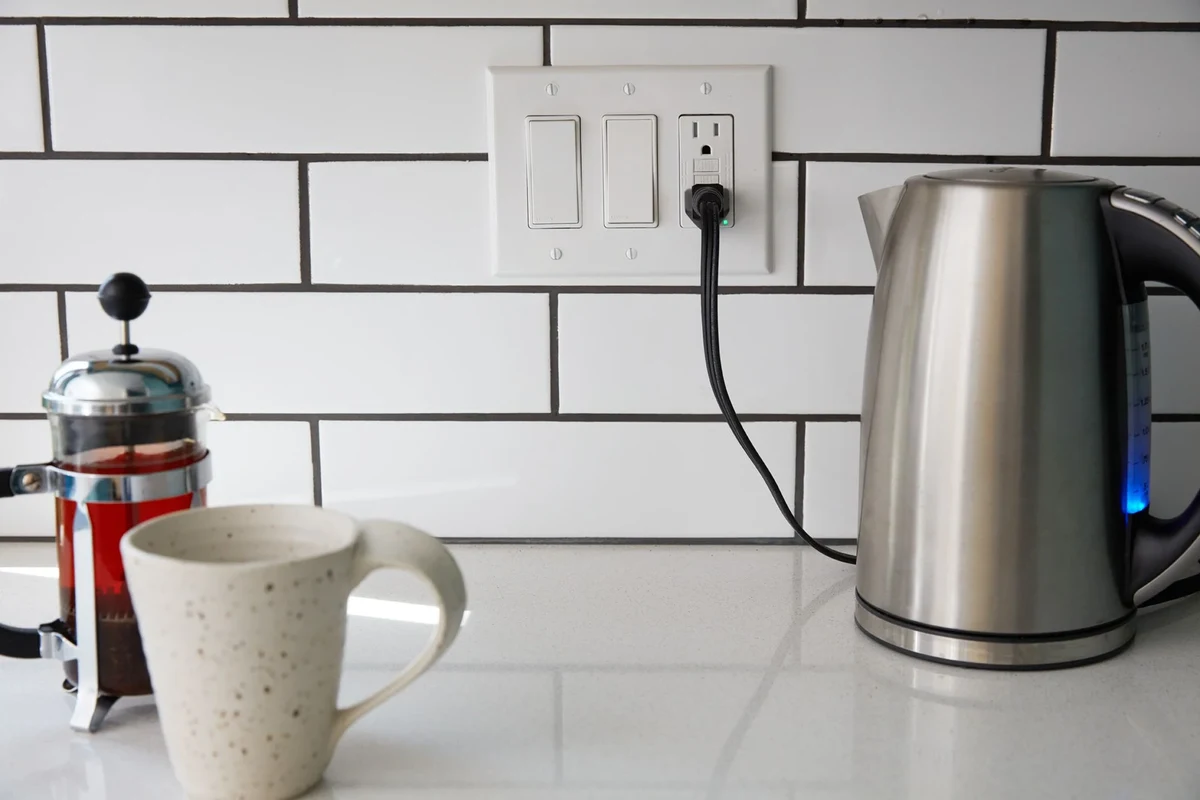
Visual guide: Toaster Electrical Code Basics: What Homeowners Are Really Searching For in 2025
Search intent: safe countertop use, outlet compatibility, and code-aware kitchen setup
Most people searching for toaster electrical code basics are not trying to become electricians. They want to know if their toaster is safe to plug in, whether the outlet is the right kind, and what to do when a kitchen circuit seems overloaded.
That makes sense in 2025, when many kitchens run several high-demand appliances at once. A toaster may be small, but it can still share a circuit with kettles, microwaves, air fryers, coffee makers, and other devices that draw a lot of power.
Why toaster code questions matter more in modern kitchens with high-load appliances
Kitchen outlets are often asked to do more than they were originally intended for. Even if a toaster itself is not the biggest load in the room, it can contribute to nuisance trips, heat buildup, or unsafe extension-cord habits when combined with other appliances.
Code questions also matter because kitchens are a wet, busy environment. Water, steam, spills, and crowded countertops all increase the risk of shock or fire if the outlet, cord, or receptacle is damaged or improperly used.
How Electrical Code Applies to Toasters in the Kitchen
Understanding the difference between appliance instructions, local code, and NEC guidance
Toaster safety is shaped by three layers: the appliance manual, local electrical rules, and broader National Electrical Code guidance. The toaster instructions tell you how the product should be used, while electrical code focuses on how the home wiring and outlets should be set up.
Local requirements can vary, especially in older homes or during remodels. If you are unsure whether a kitchen circuit or outlet is compliant, a licensed electrician can help interpret what applies in your area.
Dedicated circuits, countertop receptacles, and why shared loads can become a problem
Many kitchen countertop outlets are part of circuits intended for small appliances, but that does not mean every appliance should run together without thought. A toaster, toaster oven, blender, and coffee machine can quickly add up on the same branch circuit.
Dedicated circuits are important for larger appliances, but even countertop receptacles need smart use. If the breaker trips when you toast bread and run another appliance at the same time, that is a sign the circuit may be too heavily loaded for the way it is being used.
GFCI protection, AFCI considerations, and moisture-related safety in kitchen zones
Kitchen outlets near sinks or other water sources often need GFCI protection to reduce shock risk. That protection can be especially valuable for countertop appliances that are plugged in and unplugged frequently.
Some homes may also have AFCI protection depending on the circuit and local code requirements. The main point for homeowners is simple: if a toaster is used in a moisture-prone area, the outlet and wiring should be current, protected, and free of visible damage.
Outlet, Cord, and Plug Checks Before You Use a Toaster
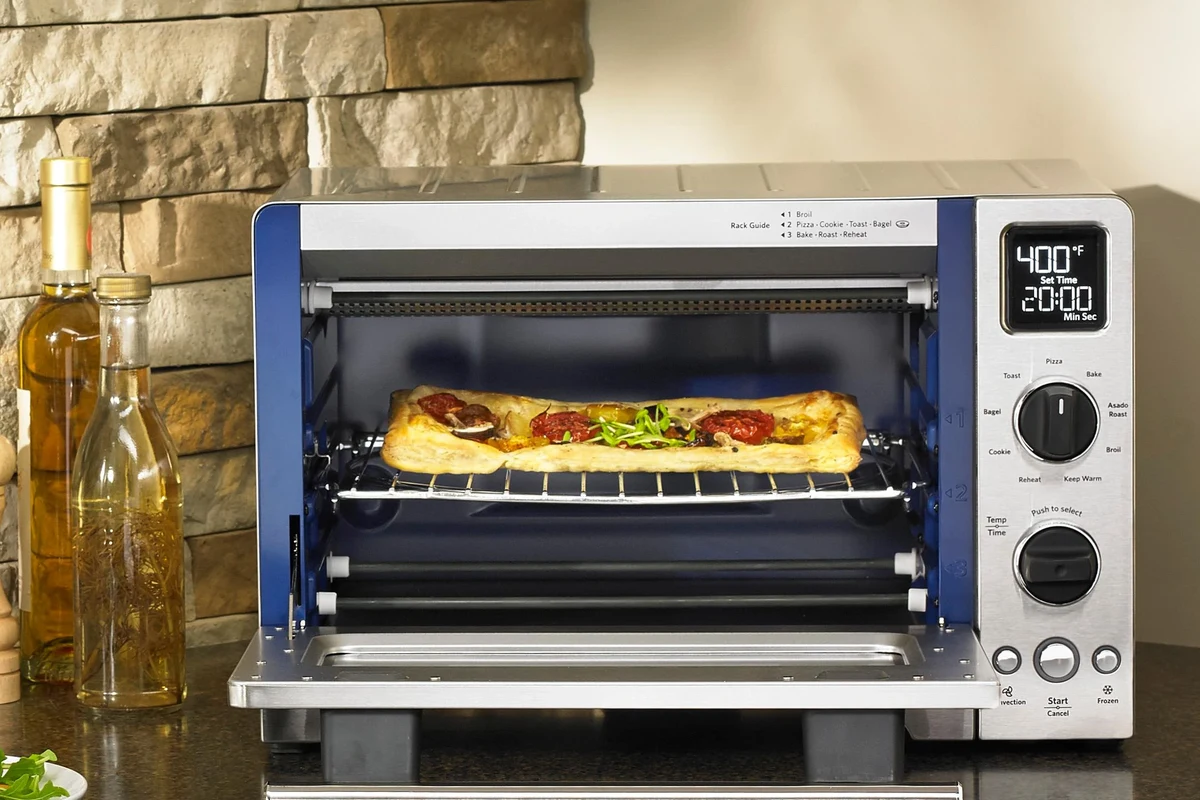
Visual guide: Outlet, Cord, and Plug Checks Before You Use a Toaster
Matching plug type, voltage rating, and amperage to the outlet and circuit
Before using a toaster, check that the plug fits the outlet securely and that the appliance rating matches the household supply. In most homes, standard kitchen toasters are designed for typical residential voltage, but the exact rating should still be confirmed on the label.
The outlet should not feel loose, wobbly, or overly warm after use. If the plug only fits partway or seems to fall out easily, stop using it until the outlet is inspected.
Checking cord condition, heat damage, loose prongs, and scorch marks
Inspect the toaster cord before each use if possible. Look for fraying, cracked insulation, bent prongs, discoloration, or scorch marks around the plug and outlet.
Heat damage is a serious warning sign because it can mean poor contact, overload, or a failing receptacle. If you smell burning plastic or notice dark marks, unplug the toaster and do not use that outlet again until it is checked.
When a toaster should not be used on an extension cord or power strip
Toasters should generally be plugged directly into a wall outlet rather than a power strip. Extension cords and strips can overheat if they are not rated for the appliance load, and they can also create a trip hazard on a crowded countertop.
If a kitchen layout makes direct plugging difficult, that is often a sign the room needs a better outlet arrangement rather than a workaround. A licensed electrician can suggest safer options for the space.
Safe Placement and Everyday Toaster Use in a Code-Aware Kitchen
Clearance from sinks, curtains, cabinets, and combustible materials
Place the toaster away from sinks, dish racks, curtains, paper towels, and anything else that can catch fire or get splashed. Heat and crumbs can build up quickly, so a little extra clearance goes a long way.
Cabinet clearance matters too. Some toasters release heat upward, and placing them too close to low cabinets can trap heat or discolor surfaces over time.
Proper countertop placement to reduce tipping, overheating, and cord strain
Set the toaster on a stable, level countertop where it will not slide or tip when bread is inserted or removed. Keep the cord from hanging over the edge where it can be pulled by accident.
Try not to place the toaster where it crowds other hot appliances. Good spacing helps airflow and reduces the chance of overheating nearby items.
Practical steps for plugging in, toasting, unplugging, and cleaning safely
Plug the toaster in before use, but keep your hands dry and the counter clear. After toasting, use the lever or cancel control as directed by the manufacturer, then unplug the unit if you are done using it for the day.
Let the toaster cool before cleaning. Empty the crumb tray regularly, and never use metal tools inside the slots while the appliance is connected to power.
Common Electrical Mistakes That Can Create Fire or Shock Risks
Overloading kitchen circuits with kettles, air fryers, microwaves, and toasters
One of the most common mistakes is assuming every countertop appliance can run at the same time. A toaster may seem minor, but when combined with a kettle, microwave, or air fryer, the total load can become too much for the circuit.
If lights dim, breakers trip, or outlets feel warm, the circuit may be overloaded. Spread out appliance use instead of stacking several high-draw devices on one outlet group.
Using damaged outlets, loose receptacles, or outdated ungrounded wiring
Outdated or damaged wiring can turn a routine breakfast into a safety issue. Loose receptacles may spark, and old ungrounded wiring may not offer the same level of protection as modern kitchen circuits.
If the outlet faceplate is cracked, the plug slips out easily, or you see exposed conductors, stop using that outlet. These are not cosmetic issues; they can be fire or shock hazards.
Ignoring tripped breakers, buzzing outlets, or repeated toast cycle failures
A breaker that trips once may be a warning, but repeated trips should never be ignored. Buzzing, crackling, or a faint electrical smell from the outlet are all signs to unplug the toaster and investigate further.
If the toaster itself keeps failing mid-cycle, the problem may not be the appliance alone. It could be the outlet, the circuit, or a poor connection somewhere in the system.
When a Kitchen Needs an Upgrade: Cost, Time, and Comparison Factors
Comparing simple outlet replacement, GFCI installation, and circuit upgrades
Not every toaster-related issue requires major work. Sometimes a worn receptacle can be replaced, while other kitchens may need GFCI protection or a more substantial circuit update.
The right fix depends on the age of the home, the condition of the wiring, and how many appliances the kitchen is expected to support. A qualified electrician can help compare the options without guessing.
Typical timeframes for a licensed electrician to inspect or correct toaster-related issues
A basic inspection or outlet replacement may be relatively quick, while a more involved circuit correction can take longer. Timeframes vary by home layout, access to wiring, and whether the panel needs attention too.
If the issue is urgent, such as heat damage or repeated breaker trips, do not wait for it to become a bigger problem. Safety should come before convenience.
Budget considerations for older homes, remodels, and high-demand kitchens
Older homes often need more evaluation because outlets, grounding, and circuit capacity may not match modern appliance use. Remodels and busy family kitchens can also benefit from planning ahead so toasters and other countertop devices do not compete for power.
Budget needs vary by region and by the amount of electrical work required. The most cost-effective approach is usually to fix the weak point early, before it causes damage or repeated interruptions.
Safety and Security Notes for 2025 Kitchen Use
Recognizing warning signs that require immediate unplugging and inspection
Unplug the toaster right away if you see smoke, smell burning, notice melted plastic, or find that the cord or plug is unusually hot. These are warning signs that should not be ignored.
If the outlet itself is warm, discolored, or loose, stop using it until a professional evaluates it. A toaster should never be treated as “normal” if it is leaving visible damage behind.
Fire prevention habits, child safety, and keeping appliances away from water
Basic habits make a big difference. Keep the toaster away from water, do not leave it running unattended, and store cords where children cannot pull them down or touch hot surfaces.
Teach children not to insert utensils, fingers, or food wrappers into the slots. A toaster cools quickly, but the inside can stay hot long after the cycle ends.
When to call a licensed electrician instead of troubleshooting on your own
Call a licensed electrician if the breaker trips repeatedly, the outlet is damaged, the wiring is outdated, or you are unsure whether the kitchen circuit is safe. Electrical work in kitchens is not the place to guess.
If you are dealing with a remodel, added appliances, or a suspected wiring problem, professional help is the safest route. That is especially true when moisture, grounding, or circuit capacity may be involved.
Final Recap: The Smart, Code-Aware Way to Use a Toaster at Home
Quick summary of the most important toaster electrical code basics
The safest toaster setup starts with the right outlet, a healthy cord, and a circuit that is not overloaded. GFCI protection, good placement, and regular inspection all help reduce risk in a busy kitchen.
Key takeaways for safer daily use, fewer overloads, and better kitchen compliance
Use the toaster directly in a wall outlet, keep it away from water and combustibles, and stop using it if you notice heat damage or repeated electrical issues. When in doubt, have a licensed electrician inspect the outlet or circuit before the problem gets worse.
Frequently Asked Questions
A toaster should be plugged directly into a properly grounded wall outlet that matches the appliance rating. Avoid extension cords and power strips unless the manufacturer specifically allows them.
Signs can include tripped breakers, dimming lights, warm outlets, or multiple appliances failing at the same time. If several countertop appliances run together, spread them across different circuits when possible.
Check the cord, plug, and outlet for heat damage, cracks, loose fit, or scorch marks. Make sure the toaster sits on a stable counter away from sinks, curtains, and other combustibles.
Clean the crumb tray regularly, especially if you use the toaster often. Always unplug the unit and let it cool before removing crumbs or wiping the exterior.
Neither is automatically safer in every kitchen. A toaster oven may offer more cooking flexibility, but it can draw more power and take up more counter space, so the best choice depends on your kitchen setup and habits.
Call a licensed electrician if the breaker trips repeatedly, the outlet is damaged, the wiring is outdated, or you notice burning smells or heat at the receptacle. Do not keep using the appliance until the issue is inspected.