
7 Air Fryer Energy Saving Tips to Cut Your Power Bill

Air fryer energy savings mostly come from smarter habits: use the right basket size, skip unnecessary preheating, and avoid overcrowding. Small changes like these can lower electricity use while keeping food crisp and evenly cooked.
If your power bill has been creeping up, air fryer energy saving tips can help you keep cooking costs down without giving up crisp, browned results. The key is using the appliance the right way, so it runs for less time and wastes less heat.
- Right-size the basket: Match the appliance setup to the portion.
- Preheat only when needed: Skip it for recipes that do not require it.
- Cook evenly: Shake or flip food to avoid extra runtime.
- Keep it clean: Better airflow helps performance and efficiency.
Why People Search for Air Fryer Energy Saving Tips: Lower Bills Without Giving Up Crispy Results
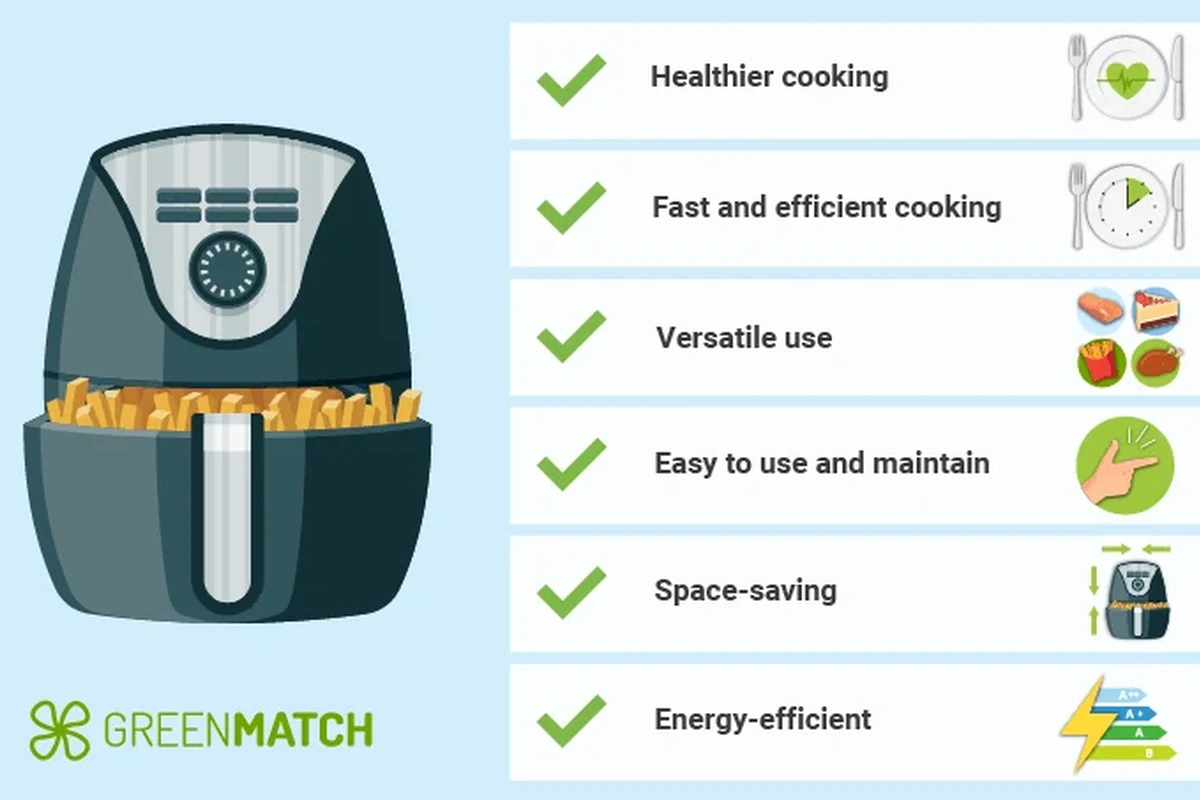
Most people want the same thing from an air fryer: fast meals, crunchy texture, and less energy use than a full-size oven. That makes air fryer energy saving tips especially useful for everyday cooking, not just for people trying to cut costs in a big way.
Search intent: save electricity, cook faster, and keep food quality high
When readers look for energy-saving advice, they usually want practical changes they can apply tonight. They are not looking for theory; they want to know how to cook fries, chicken, vegetables, or frozen snacks more efficiently while keeping the food crisp and evenly cooked.
The good news is that small habits matter. A few adjustments to basket size, temperature, and timing can reduce wasted electricity and also improve results.
What makes air fryers more efficient than ovens in everyday use
Air fryers are usually smaller than conventional ovens, so they heat less air and often reach cooking temperature faster. That smaller cooking chamber can be a real advantage for single portions, side dishes, and quick weeknight meals.
They are not magic, though. If you overload the basket, use the wrong temperature, or keep opening the drawer, you can lose much of that efficiency. The goal is to let the appliance do its job with as little extra runtime as possible.
How Air Fryers Use Power in 2025: Wattage, Preheating, and Cook Time Basics
Air fryers vary by brand, model, and size, but most use enough power to heat quickly and maintain temperature during cooking. In practical terms, the total energy used depends more on cook time and habits than on wattage alone.
Typical watt ranges and what they mean for your electric bill
Many air fryers fall into a mid-range wattage band, though exact numbers vary widely. A higher-watt model may heat faster, but that does not automatically mean it costs more to use if it finishes the job sooner.
Your bill is affected by how long the unit runs. A shorter cooking cycle at a moderate temperature can sometimes use less energy than a longer cycle at a very high setting.
Why preheating can help or hurt energy use depending on the recipe
Preheating is useful when you want immediate crisping or when the recipe depends on a hot cooking chamber from the start. It can improve texture for some frozen foods, breaded items, and baked snacks.
But preheating is not always necessary. For foods that cook for a longer time anyway, skipping preheat may save energy with little or no impact on quality. Check the recipe and decide case by case.
Comparison: air fryer vs. conventional oven, toaster oven, and microwave
Compared with a conventional oven, an air fryer often uses less energy for small portions because it heats a smaller space and usually cooks faster. A toaster oven can be close in efficiency for some foods, especially if it is also compact and used for small batches.
A microwave is usually the most energy-efficient for reheating soft foods or cooking items that do not need crisping. If texture matters, the air fryer often wins; if you only need heat, the microwave may be the smarter choice.
7 Practical Air Fryer Energy Saving Tips That Actually Cut Electricity Use
These tips are simple, but they work because they reduce wasted heat, shorten runtime, and help food cook evenly the first time. That means less guessing, fewer repeat cycles, and better overall efficiency.
Tip 1: Match the basket size to the portion size
Use a basket or tray that fits the amount of food you are cooking. A huge basket for a tiny portion can encourage uneven airflow and make you run the appliance longer than needed.
If your air fryer has multiple cooking zones or accessories, choose the smallest setup that still lets air circulate well. Better fit usually means better efficiency.
Tip 2: Skip unnecessary preheating when the recipe allows it
Many foods can go into a cold air fryer and still cook well, especially if they are being cooked through rather than just crisped at the end. That saves the extra minutes spent heating an empty appliance.
Use preheating when it clearly improves results, but do not treat it as automatic. For some meals, skipping it is one of the easiest air fryer energy saving tips to apply right away.
Tip 3: Cook in batches only when it reduces total runtime
Batch cooking can be efficient if it keeps food in a single, well-circulated layer and avoids overcrowding. But if the batches are too small, or if you keep reheating the unit for just a handful of items, the savings may disappear.
Think about the total cooking time, not just one round. Sometimes one properly loaded batch is more efficient than several tiny ones.
Tip 4: Use the right temperature instead of “max heat” by default
High heat is not always the fastest path to good food. In some cases, a slightly lower temperature gives more even cooking and prevents the outside from browning too quickly before the inside is done.
That matters for energy use because overcooked exteriors often lead to extra troubleshooting and longer total cook time. Start with the recommended temperature, then adjust only if needed.
Tip 5: Shake, flip, or rotate food to shorten cook time
Redistributing food partway through cooking helps hot air reach more surfaces. That can reduce pale spots, improve crisping, and shorten the need for extra minutes at the end.
For thicker items, flipping may matter more than shaking. The goal is simple: help the food finish evenly the first time so you do not need a second cycle.
Tip 6: Keep the basket and heating element clean for better airflow
Grease, crumbs, and stuck-on residue can interfere with airflow and heat transfer. A dirty air fryer may need longer cooking times to deliver the same result.
Regular cleaning also helps reduce smoke and odors. Clean parts according to the manufacturer’s instructions so the appliance stays efficient and safe.
Tip 7: Use residual heat and carryover cooking safely
Some foods continue cooking briefly after the timer ends, especially smaller items or foods with a lot of surface heat. Learning when to stop the cycle a little early can prevent overcooking and reduce wasted runtime.
Use caution here. Only rely on carryover cooking when the food is already close to done and the recipe allows it. Food safety still comes first.
Common Mistakes That Waste Energy and Make Air Fryers Less Effective
Even a good appliance can waste energy if it is used in a way that blocks airflow or forces repeated cooking cycles. Avoiding these mistakes can improve both texture and efficiency.
Overfilling the basket and blocking airflow
Air fryers work best when hot air can move around the food. Packing the basket too tightly creates uneven browning and often leads to extra cook time.
If the food is stacked too high, the top may brown while the middle stays pale. That usually means more shaking, more time, or both.
Opening the drawer too often and resetting heat loss
Every time you open the basket, heat escapes and the appliance has to recover. One quick check is fine, but repeated peeking can add unnecessary minutes to the cook cycle.
Use the light, window, or timer cues if your model has them. Less opening usually means better efficiency and more consistent results.
Using oversized accessories that slow circulation
Some liners, racks, or pans can help with cleanup, but accessories that cover too much surface area may reduce airflow. That can slow cooking and weaken the crisping effect people want from an air fryer.
Choose accessories that are approved for your model and sized correctly. If airflow is blocked, the appliance may need more time to finish the job.
Ignoring recipe adjustments for frozen, wet, or thick foods
Frozen foods, wet marinades, and thick cuts often need different timing than dry or room-temperature foods. If you use the same settings for everything, you may end up running extra cycles.
Adjusting for moisture and thickness is one of the simplest ways to save both time and electricity. It also improves the final texture.
Best Foods and Cooking Habits for Maximum Energy Savings
Some foods naturally suit air fryer cooking better than others. Choosing the right meals can make energy savings easier without forcing you to micromanage every step.
Foods that cook especially well in an air fryer
Air fryers are usually strong performers for frozen fries, nuggets, breaded snacks, roasted vegetables, wings, and small portions of proteins. These foods benefit from fast hot air and do not always need a long preheat.
They are also useful for reheating items that should stay crisp, such as leftover pizza slices or breaded leftovers. In those cases, the air fryer can be more practical than a microwave.
When an air fryer is not the most efficient choice
If you are cooking a large casserole, multiple trays of food, or anything that needs gentle, even baking, a conventional oven may be the better tool. The air fryer can become less efficient when it is pushed beyond its ideal batch size.
For soups, sauces, and very moist foods, another appliance may also make more sense. The most efficient appliance is the one that matches the task.
Meal planning strategies that reduce repeat heating cycles
Plan meals so you can cook similar foods together at similar temperatures. That cuts down on repeated preheating and prevents the appliance from cooling off between tiny batches.
Leftovers can also help. If you know you will reheat roasted vegetables, fries, or chicken later, cook a slightly larger batch the first time and save a future heating cycle.
Safety and Maintenance Tips That Protect Performance and Reduce Waste
Efficiency and safety go hand in hand. An air fryer that is clean, well-ventilated, and used correctly will usually perform better and waste less energy over time.
Preventing overheating, smoke, and blocked vents
Keep the back and sides of the appliance clear so air can move freely. Blocked vents can cause overheating, poor performance, and more smoke from trapped grease.
If you notice unusual odors, smoke, or hot spots, stop and inspect the unit. Do not keep pushing it through a problem that may be related to buildup or a faulty component.
Cleaning filters, trays, and baskets to maintain efficiency
Wash removable parts regularly and let them dry fully before reassembly. Grease buildup can interfere with airflow and make the unit work harder than it should.
Follow the manufacturer’s care instructions for nonstick surfaces and any filters. Harsh scrubbing can damage coatings and shorten the life of the appliance.
Using approved accessories and avoiding unsafe materials
Only use accessories that are rated for air fryer temperatures and approved for your model when possible. Unsafe materials can warp, melt, or restrict airflow.
Do not use anything that could block vents, touch the heating element, or create a fire risk. If you are unsure about an accessory, it is safer to skip it.
Cost-Saving Recap: What You Can Realistically Save and How to Keep It Going
Air fryer energy savings are usually modest per meal, but they can add up over time if you cook with the appliance often. The biggest gains come from shorter runtimes, better batch size choices, and less wasted heat.
Estimated time and energy savings from smarter air fryer use
You are unlikely to slash your bill overnight, but you may notice lower cooking time compared with using a large oven for small meals. The savings are often most noticeable when you replace long oven preheats with quick air fryer sessions.
Results will vary by appliance size, cooking style, and how often you use it. Even so, smarter use can make a real difference across a month of regular cooking.
Quick checklist for daily energy-efficient cooking
Before you start, ask whether the food really needs preheating, whether the basket is the right size, and whether the temperature is appropriate for the recipe. Those three checks solve a lot of wasted-energy problems.
During cooking, avoid crowding, limit drawer opening, and shake or flip only when needed. After cooking, clean the unit so the next meal starts with better airflow.
Final takeaway: small habit changes that add up on your power bill
The best air fryer energy saving tips are simple habits, not complicated tricks. If you match the basket to the food, skip unnecessary preheating, and keep the appliance clean, you can cut waste while keeping the crisp texture people buy an air fryer for.
That balance is the real win: lower energy use, less kitchen frustration, and food that still tastes like it should.
Frequently Asked Questions
The best basket size is the one that fits your portion without overcrowding. A smaller, well-matched basket usually cooks more evenly and can reduce extra runtime.
A small amount of oil can help browning and crisping, which may reduce the need for extra cooking time. Use only what the recipe calls for, since too much oil can create smoke and mess.
Let the unit cool first, then wash removable parts according to the manufacturer’s instructions. Avoid abrasive tools that can damage nonstick coatings or block airflow with residue.
For small portions and quick meals, an air fryer is often cheaper to run than a conventional oven. For large batches or baked dishes, the oven may be more practical.
Check capacity, wattage, counter space, cleaning ease, and whether the controls match how you cook. Also compare warranty details and make sure the size fits your household needs.
Call a professional or replace the unit if you notice repeated overheating, electrical damage, or a power cord problem. Do not continue using an appliance that smells burnt or shows visible damage.
