Air Fryer Food Texture Tips for Crispy Perfect Results

For better air fryer texture, keep food dry, spaced out, and lightly coated with oil. Shake or flip during cooking and adjust time in small steps based on the food.
Getting great air fryer texture is less about guesswork and more about a few repeatable habits. If your fries turn pale, your chicken dries out, or your vegetables come out limp, the fix is usually in airflow, moisture control, and timing.
This guide from the RedKitchenProject Editorial Team covers the most useful air fryer food texture tips for crispier exteriors, tender centers, and more even browning. The goal is simple: better results with less trial and error.
- Dry first: Surface moisture is the biggest enemy of crispness.
- Do not crowd: Airflow is essential for even browning.
- Use little oil: A light coating helps; heavy sauces hurt texture.
- Check early: Small time changes often improve results more than big heat jumps.
Air Fryer Food Texture Tips: What Readers Want to Fix and Improve
Search intent: how to get crispier exteriors, tender interiors, and less soggy results
Most people searching for air fryer texture help want one thing: food that tastes fried without turning dry, rubbery, or greasy. That usually means improving the outside crust while keeping the inside moist and cooked through.
The best results come from balancing heat, spacing, surface moisture, and food type. A single setting rarely fixes everything, so small technique changes often matter more than buying a more expensive model.
Common texture problems: pale fries, dry chicken, limp vegetables, and uneven browning
Pale fries often mean too much moisture, too little airflow, or a basket that is too crowded. Dry chicken usually points to overcooking, thin cuts, or too much direct heat for too long.
Limp vegetables can happen when they release water faster than it can evaporate. Uneven browning often comes from stacked food, uneven cutting, or forgetting to shake and rotate during cooking.
How Air Fryers Create Texture: Heat, Airflow, and Moisture Control
Why rapid circulation matters more than “more heat”
An air fryer works by moving hot air quickly around food, which helps dry and brown the surface. That airflow is what creates crispness, not just a high temperature setting.
If the basket is packed too tightly, the hot air cannot reach every side evenly. In that situation, raising the temperature may only brown the top faster while the rest stays soft.
How moisture escapes and when it gets trapped
Food browns best when surface moisture can evaporate early in the cook. If steam gets trapped under wet batter, crowded food, or excess sauce, the outside stays soft longer.
That is why drying ingredients and using light coatings often improves texture more than adding extra oil. Oil helps with browning, but too much can slow crisping and create a greasy finish.
Basket-style vs oven-style air fryers: texture differences that affect results
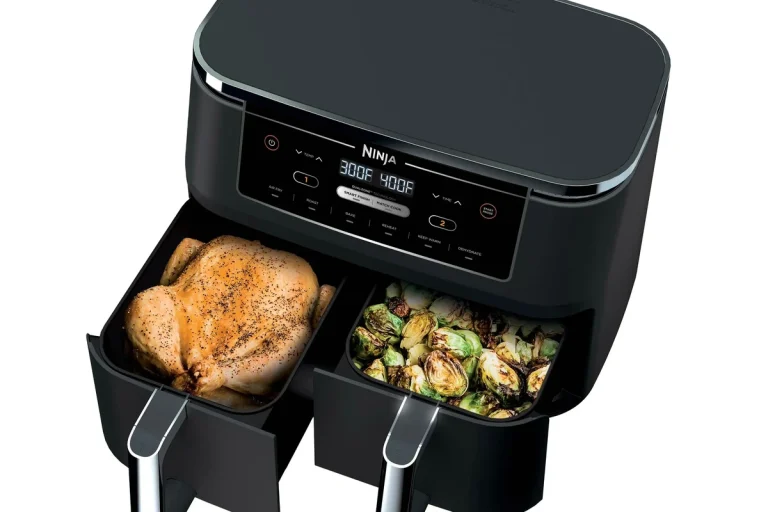
Basket-style air fryers often give faster, more concentrated crisping because food sits closer to the heating element and airflow is tighter. Oven-style air fryers usually offer more space, but large trays can reduce airflow around smaller foods.
That means the same recipe may need different timing, shaking, or tray placement depending on the appliance. Model differences also matter, so results can vary by brand, size, and layout.
Best Practical Air Fryer Food Texture Tips for Crispy, Even Results
Preheat when it helps and skip it when it does not
Preheating can help with breaded foods, frozen snacks, and anything you want to crisp quickly on the outside. It gives the food an immediate burst of heat instead of a slow warm-up.
For delicate foods or recipes that already cook quickly, preheating may not make a meaningful difference. In those cases, focus more on spacing and timing than on adding extra preheat steps.
Avoid overcrowding for better airflow and browning
Overcrowding is one of the biggest reasons air fryer food turns soft instead of crisp. If pieces touch too much, steam builds up and the surface cannot dry evenly.
Cook in a single layer when possible, and use batches if needed. A smaller batch often finishes faster and with better texture than a large one forced into one round.
Use light oil coatings, not heavy marinades, for crispness
A thin oil coating helps promote browning and can improve the texture of fries, vegetables, and breaded items. Use just enough to lightly coat the surface, not enough to drip or pool.
Heavy marinades, especially watery ones, can work against crispness. If you want flavor from a marinade, consider patting food dry first or finishing with sauce after cooking.
Flip, shake, or rotate food at the right point in cooking
Shaking the basket or flipping food helps expose more sides to direct airflow. This is especially useful for fries, nuggets, vegetables, and small breaded items.
Do it around the middle of cooking, or whenever the top side has started to set. Waiting too long can let one side overbrown while the other stays pale.
Pat dry wet ingredients before seasoning and air frying
Drying food before it goes into the basket is one of the simplest ways to improve texture. It matters for chicken wings, tofu, zucchini, shrimp, and even some frozen foods that release extra surface ice.
Use paper towels or a clean kitchen cloth to remove visible moisture. Then season lightly so the coating sticks without turning wet again.
Food-Specific Texture Strategies for Popular Air Fryer Recipes
Frozen fries, tater tots, and breaded snacks: maximizing crunch
Frozen snacks usually perform well in air fryers because they are designed to crisp from a dry surface. Still, they can turn soft if too many pieces are piled together or if they are pulled too early.
For better crunch, spread them out, shake once or twice, and cook until the color deepens slightly. If the packaging gives a range, use it as a starting point and adjust based on your model.
Chicken wings, tenders, and cutlets: crisp skin without drying out
Chicken benefits from a surface that is dry enough to brown but not overcooked in the center. Wings often get the best texture when they are patted dry, lightly seasoned, and cooked in a single layer.
For tenders and cutlets, thickness matters a lot. Thinner pieces cook quickly and can dry out, so it is better to check early and stop once the interior is just done.
Vegetables: keeping edges caramelized while avoiding mush
Vegetables need enough heat to brown, but not so much time that they collapse. Broccoli, Brussels sprouts, carrots, and cauliflower usually do well when cut into similar sizes and coated lightly with oil.
Watery vegetables like zucchini or mushrooms need extra attention. If they are crowded, they release moisture and steam instead of roast, which leads to soft texture and less caramelization.
Fish, shrimp, and delicate proteins: preventing rubbery or soggy texture
Fish and shrimp cook quickly, so texture can change fast. A light coating, a dry surface, and careful timing help prevent rubbery seafood or a soggy crust.
These foods often do better at moderate temperatures with close monitoring. If the coating is very thin, it may crisp lightly rather than become deeply crunchy, which is normal.
Reheating leftovers: restoring crispness instead of steaming food
Air fryers are often better than microwaves for bringing leftovers back to life. They can revive pizza, fried chicken, fries, and breaded foods by drying the surface again.
Use a shorter cook time and check early, because leftovers are already cooked through. Too much time can dry out the center while the outside becomes hard.
Common Mistakes That Ruin Air Fryer Texture
Using too much batter, sauce, or oil
Thick batter can drip, clump, or stay soft if it does not set quickly. Sauces added too early can also prevent browning and leave the surface sticky.
When in doubt, cook first and sauce later. That approach usually gives a cleaner, crispier finish.
Skipping drying, resting, or coating steps
Small prep steps often decide whether food turns crisp or soggy. Drying, resting breaded pieces briefly, and applying a thin coating all help the exterior set better.
Rushing straight from prep to basket can work, but the texture is often less consistent. A minute or two of prep can make a noticeable difference.
Cooking at the wrong temperature for the wrong food type
Very high heat is not always the answer. It can brown the outside before the inside is ready, especially with thicker cuts or dense vegetables.
Lower temperatures can work better for delicate foods, while breaded snacks often need a hotter start. Matching the setting to the food type usually improves texture more than simply turning the dial up.
Opening the basket too often and disrupting airflow
Checking food is smart, but constant opening releases heat and interrupts circulation. That can slow browning and make the cook less even.
Try to check at planned intervals instead of every minute. A quick shake or flip is useful; repeated opening is not.
Ignoring food size, thickness, and batch consistency
Even cooking depends on similar piece sizes. If some pieces are thick and others are thin, the thin ones may dry out before the thicker ones are done.
Cut food evenly when you can, and separate very different sizes into different batches. That small step usually improves both texture and doneness.
Time, Temperature, and Cost Considerations for Better Texture
Why small adjustments in time often matter more than large temperature jumps
Texture usually changes in the final few minutes of cooking. That is why a one- or two-minute adjustment often helps more than a big temperature increase.
If food is close to perfect but not quite crisp enough, extend time in short steps. This is safer than overshooting with heat and drying out the inside.
Comparing texture results: fresh vs frozen, breaded vs unbreaded, homemade vs store-bought
Frozen foods are often engineered to air fry well, so they can crisp more predictably than homemade versions. Fresh ingredients, on the other hand, may need more drying and seasoning control.
Breaded foods usually get better crunch than unbreaded foods because the coating helps build texture. Homemade coatings can be great too, but they may brown differently depending on moisture and thickness.
Energy and convenience benefits of air frying versus oven baking
Air fryers often heat up faster than a full-size oven and can use less energy for small batches. They are also convenient when you want crisp texture without waiting for a large appliance to preheat.
That said, ovens still make sense for larger portions or bigger trays. The best choice depends on batch size, kitchen space, and how often you cook for one versus many.
Safety and Maintenance Notes That Affect Food Quality
Avoiding smoke, burnt coatings, and unsafe oil buildup
Too much oil, sugary glaze, or excess breading can smoke and leave a burnt taste. That not only affects flavor, but can also make the basket harder to clean.
If smoke appears often, lower the oil amount, reduce temperature slightly, or move sugary sauces to the end of cooking. Always follow the manufacturer’s guidance for safe use.
Keeping the basket, tray, and heating area clean for consistent airflow
Built-up grease and crumbs can block airflow and create hot spots. Over time, that can reduce crispness and make food brown unevenly.
Clean the basket, tray, and surrounding areas regularly once the appliance is cool. A clean air fryer is more likely to cook evenly and smell fresh.
Using parchment, liners, and accessories without blocking circulation
Linings can help with cleanup, but they should not cover all the holes or trap steam. If airflow is blocked, texture usually suffers.
Use accessories only if they fit well and still leave room for hot air to move around the food. If an insert changes browning, adjust your timing accordingly.
Checking manufacturer guidance for max fill levels and accessory compatibility
Every air fryer has limits on basket size, fill level, and accessory use. Those limits may vary by brand, model, and design, so it is worth checking the manual before using liners or racks.
If you are unsure about a part or accessory, confirm compatibility before cooking. That simple check can prevent poor results and unnecessary wear.
Final Recap: The Simplest Way to Get Crispy Perfect Results Every Time
Quick summary of the most effective texture tips
The biggest air fryer food texture tips are also the simplest: dry the food, do not overcrowd the basket, use a light oil coating, and shake or flip at the right time. Those steps usually improve crispness more than changing settings wildly.
For the best finish, match the method to the food. Frozen snacks, vegetables, chicken, seafood, and leftovers all need slightly different handling.
When to adjust technique based on food type, batch size, and air fryer model
Use shorter checks for delicate foods and longer crisping time for breaded items. If your air fryer is basket-style, you may get faster browning; if it is oven-style, you may need more rotation and spacing.
Because performance can vary by model, batch size, and ingredient moisture, the smartest approach is to start with the recipe, then fine-tune based on what you see. That is the most reliable path to crispy, even results.
Frequently Asked Questions
A basket that fits your usual batch without crowding is best. If the food piles up, airflow drops and texture usually gets softer.
Use a light coating rather than a heavy pour. Too much oil can make food greasy and may increase smoke.
Clean the basket, tray, and crumb buildup regularly after the unit cools. Grease and residue can affect airflow and leave off flavors.
Often yes for small batches, because the compact space helps hot air circulate faster. For large portions, an oven may still be more practical.
Check basket size, counter space, cleaning ease, and whether the layout suits the foods you cook most. Performance can vary by model and cooking style.
If the appliance has electrical issues, repeated overheating, or damaged cords, stop using it and contact the manufacturer or a qualified repair professional. Do not keep cooking with a unit that shows unsafe behavior.