
Air Fryer Cleaning Frequency Guide for Easy Maintenance

Clean the basket and removable parts after every use, wipe the interior and exterior regularly, and do a deeper clean weekly. A monthly inspection helps prevent smoke, odor, and wear before they become bigger problems.
If you use an air fryer often, the biggest question is not whether to clean it, but how often. The right air fryer cleaning frequency guide keeps food tasting better, reduces smoke and odor, and helps the appliance last longer.
- After every use: Wash removable parts before grease hardens.
- Weekly: Deep clean the interior, crumb areas, and heating zone.
- Monthly: Inspect for wear, buildup, and performance changes.
- Food matters: Greasy meals need more frequent cleaning than light snacks.
What “Air Fryer Cleaning Frequency Guide” Means for Busy Home Kitchens
Search intent: quick answers for how often to clean an air fryer without damaging it
Most people searching this topic want a simple routine they can follow after dinner, not a complicated maintenance manual. The goal is to clean enough to prevent grease buildup and lingering smells, while avoiding anything that could damage nonstick parts or electrical components.
For RedKitchenProject readers, the best approach is usually a layered schedule: quick cleaning after use, a deeper wipe every few days, and a more thorough inspection once a month. That balance works well for most basket-style air fryers in 2025, though your exact routine may vary by model and cooking habits.
Why cleaning frequency matters for flavor, airflow, and appliance lifespan
Air fryers depend on strong airflow to cook evenly. When crumbs, grease, or stuck-on food block that airflow, you may notice uneven browning, more smoke, or a faint burnt smell during cooking.
Regular cleaning also protects the nonstick coating, fan area, and heating element from buildup that gets harder to remove over time. In practical terms, a few minutes of maintenance now can help avoid premature wear later.
What changes the schedule: cooking style, food type, and household size
Your cleaning schedule should reflect what you cook most often. Breaded foods, bacon, wings, sausage, and anything marinated in oil usually need more frequent attention than vegetables or reheated leftovers.
Household size matters too. A single person using the fryer occasionally may only need a light wipe-down after a few uses, while a family cooking dinner in it several nights a week will likely need deeper cleaning more often.
Recommended Cleaning Schedule by Use Level and Food Type
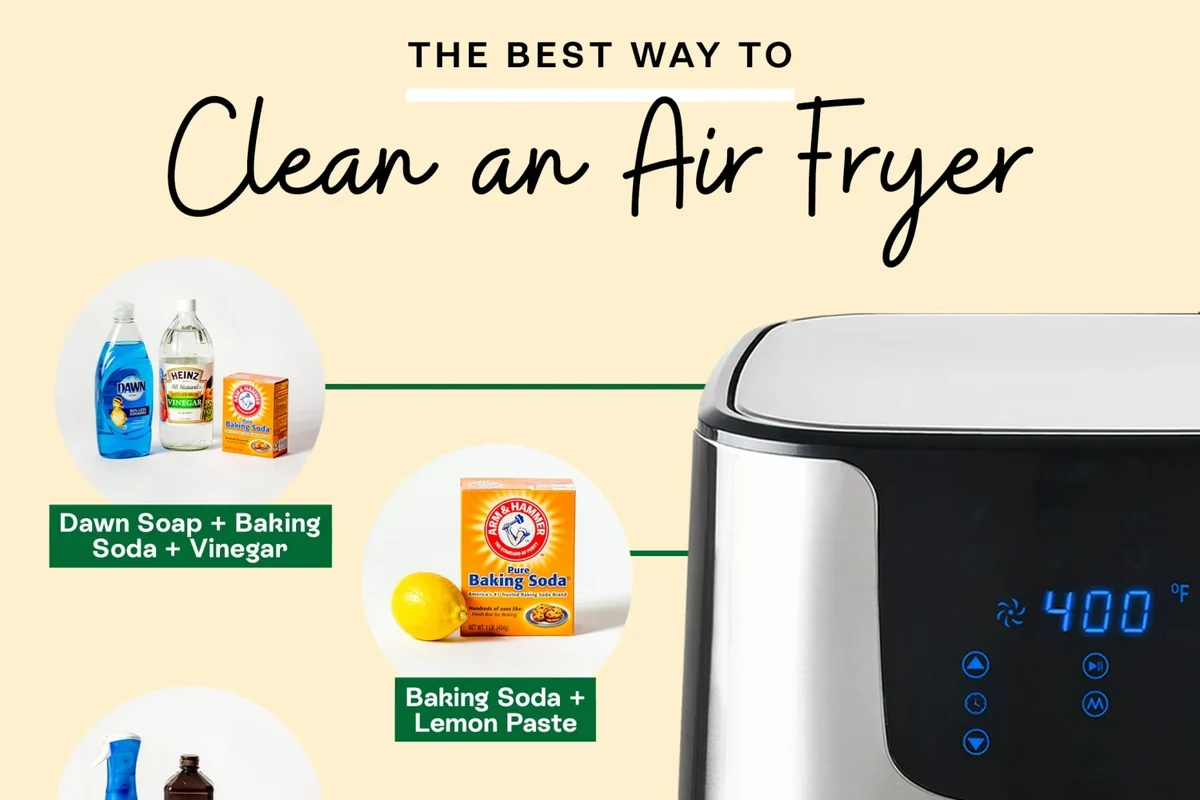
After every use: basket, tray, and any removable nonstick parts
For most air fryers, the basket, crisper plate, and other removable parts should be cleaned after each use once they are cool enough to handle. This is the best time to remove grease before it hardens.
Warm water, mild dish soap, and a soft sponge are usually enough for everyday cleaning. If food is stuck, let the parts soak briefly instead of scrubbing aggressively.
Daily or every few uses: crumb tray, heating area, and exterior wipe-down
If your model has a crumb tray or catch area, check it daily or every few uses, especially if you cook breaded foods or anything that sheds crumbs. The exterior should also be wiped regularly to remove grease splatter and fingerprints.
The inside chamber and around the heating area may need a light wipe more often if you use the fryer heavily. Even a thin film of grease can create odor the next time the appliance heats up.
Weekly: deeper clean for grease buildup, odor control, and residue
A weekly deep clean is a smart baseline for many households. This is when you inspect the interior chamber, fan cover area, removable accessories, and any spots where residue tends to collect.
Weekly maintenance is especially useful if your fryer has started to smell a little stale, smoky, or greasy. Catching buildup early is much easier than dealing with baked-on residue later.
Monthly: full inspection for wear, stuck-on grime, and performance issues
Once a month, take a closer look at the whole appliance. Check for peeling nonstick coating, warped accessories, loose parts, or grime hiding in seams and corners.
This is also a good time to notice performance changes. If the fryer takes longer to cook, smokes more than usual, or leaves food unevenly crisped, buildup may be part of the problem.
High-grease foods vs. low-mess foods: how the schedule changes
High-grease foods need more frequent cleaning because they leave residue on the basket, heating area, and interior walls. Think wings, bacon, sausages, fatty meats, and heavily oiled frozen foods.
Low-mess foods such as vegetables, plain potatoes, or lightly seasoned snacks may allow a slower pace. Even then, you should still clean removable parts after use and keep an eye on crumbs and odor.
Step-by-Step Cleaning Routine for Standard Basket-Style Air Fryers
Cool-down and unplugging before any cleaning begins
Always let the air fryer cool fully before cleaning. Unplug it first, then wait until the basket and interior are safe to touch.
This is a simple step, but it matters. Cleaning a hot appliance can lead to burns, warped parts, or accidental damage to nonstick surfaces.
Safe removal of basket, crisper plate, and accessories
Remove all detachable parts carefully and place them on a towel or drying rack. If your model includes racks, inserts, or trays, clean those separately so you can reach all sides.
Check the user manual if parts feel stuck or if the design is unfamiliar. Forcing accessories out of place can scratch the coating or bend a latch.
Soaking, scrubbing, and drying without scratching nonstick coatings
For stuck-on food, a short soak in warm soapy water usually works better than hard scrubbing. Use a soft sponge, microfiber cloth, or non-abrasive brush to lift residue gently.
Avoid steel wool, metal scrapers, or harsh pads on coated parts. After washing, dry everything completely before reassembly to help prevent odor, corrosion, and moisture trapped in seams.
Cleaning the interior chamber, fan area, and heating element safely
Wipe the inside chamber with a damp cloth or sponge, but do not soak the base. If crumbs or grease are near the heating element, use a soft brush or cloth with care and keep water away from electrical parts.
Never spray cleaner directly into the unit unless the manufacturer specifically allows it. A lightly damp cloth is safer than excess liquid, especially around vents and the fan area.
Reassembly and quick test before the next cook cycle
Once everything is dry, reassemble the fryer and check that the basket slides in smoothly. Make sure no water remains in the tray, handle area, or seams.
If you want extra peace of mind, run the fryer empty for a short cycle according to the manual or simply confirm that it powers on normally. That quick check can reveal lingering moisture or assembly issues before your next meal.
Cleaning Differences by Air Fryer Type, Size, and Brand Features
Basket air fryers vs. oven-style air fryers: what needs more frequent attention
Basket air fryers are usually faster to clean because they have fewer surfaces and removable parts. Oven-style air fryers often need more frequent attention since they have racks, trays, glass doors, and a larger interior.
That said, oven-style models can also handle larger portions, so they may collect more drips and crumbs. If you cook messy foods often, expect more cleanup time regardless of style.
Compact models, dual-basket units, and family-size appliances
Compact air fryers are easier to wipe down, but they may show buildup faster because food sits closer to the heating area. Dual-basket and family-size units can take longer to clean because there are more compartments and removable parts.
In larger models, small spills can spread across a wider area. That makes regular inspection important, even if the fryer looks clean from the outside.
Nonstick, ceramic, and stainless-steel surfaces: care differences
Nonstick coatings need the gentlest treatment. Use soft tools and mild soap, and avoid anything abrasive that can wear the surface down over time.
Ceramic and stainless-steel parts may tolerate a little more scrubbing, but they still benefit from cautious cleaning. Always check the manual, because brand instructions can differ even when the appliances look similar.
Manufacturer instructions that override general cleaning advice
General cleaning advice is helpful, but the manufacturer’s instructions should come first. Some brands allow certain accessories in the dishwasher, while others recommend hand washing only.
If the manual says not to use a specific cleaner, brush, or temperature, follow that guidance. A small difference in care can affect coating life, performance, and warranty coverage.
Common Cleaning Mistakes That Shorten Air Fryer Life
Using abrasive pads, harsh chemicals, or metal tools on coated parts
Abrasive pads can scratch nonstick coatings and make future cleanup harder. Harsh chemicals may leave residue or damage finishes, especially on painted or coated surfaces.
Metal tools are also risky because they can gouge trays, baskets, and inserts. If food is stuck, soaking is usually safer than scraping.
Submerging the base or exposing electrical components to excess water
The base contains the electrical parts, fan, and heating system, so it should never be submerged. Too much water can create a safety hazard and may damage the appliance permanently.
Use a damp cloth instead of running water near vents, switches, or the control panel. If liquid gets inside, stop using the fryer until it is fully dry and inspected.
Skipping the heating element and letting grease harden over time
Many people clean the basket but forget the top interior where grease can collect. Over time, that buildup can smoke, smell, and affect cooking results.
A monthly look at the heating area is a good habit, especially if you cook fatty foods. Catching residue early is much easier than removing hardened grease later.
Reassembling while damp and creating odor, smoke, or corrosion risks
Putting parts back together before they are dry can trap moisture and create a musty odor. In some cases, it can also encourage corrosion or leave the fryer smelling off during the next cook cycle.
Drying is part of cleaning, not an optional final step. If you are short on time, let parts air-dry fully before storing or reassembling them.
Time, Effort, and Cost: What Regular Maintenance Really Requires
How long each cleaning level usually takes: quick clean vs. deep clean
A quick after-use clean often takes only a few minutes, especially if you wash the basket right away. A weekly deep clean can take longer, mainly if grease has started to build up in seams or around the heating area.
Monthly inspections add a little extra time, but they can prevent bigger problems later. In practice, the time you spend now is usually less than the time spent trying to fix neglected residue.
Budget-friendly tools and supplies that actually help
You usually do not need special cleaners to maintain an air fryer. A soft sponge, mild dish soap, microfiber cloths, and a gentle brush are enough for most kitchens.
Paper towels can help with quick wipe-downs, but they should not replace proper washing. The best supplies are the ones that clean effectively without damaging the finish.
When replacing accessories is cheaper than restoring heavily worn parts
If a basket coating is peeling, badly scratched, or warped, cleaning may no longer solve the problem. At that point, replacement accessories may be a better value than trying to restore worn parts.
Availability varies by brand and model, so check compatibility carefully before buying. Matching the right part can be more important than finding the lowest-cost option.
Comparison of light maintenance now vs. costly repairs or replacement later
Routine cleaning is low effort compared with dealing with smoke, odor, poor cooking performance, or damaged parts. Neglected buildup can make the fryer unpleasant to use and may shorten its useful life.
In many kitchens, consistent maintenance is the cheapest form of protection. It helps the appliance stay safer, cleaner, and more reliable over time.
Safety Notes, Odor Prevention, and When to Stop Cleaning Yourself
Electrical safety basics: unplugging, cooling, and dry storage
Always unplug the fryer before cleaning and wait for it to cool. Keep water away from the base, cord, plug, and control panel.
Store the appliance only when it is fully dry. Dry storage helps prevent odors, moisture problems, and accidental electrical issues.
Smoke, burning smells, and stuck grease: warning signs to address immediately
If the fryer smokes more than usual, smells burnt, or leaves a greasy haze, it likely needs a deeper clean. These signs often point to buildup near the heating area or inside the chamber.
Do not keep using it repeatedly without checking the cause. Addressing the problem early is safer and usually easier than waiting for residue to harden.
When manufacturer support, a technician, or replacement parts may be needed
If cleaning does not fix smoke, uneven cooking, or odd odors, the issue may be mechanical rather than cosmetic. Damaged fans, heating elements, controls, or cracked accessories may need service or replacement.
When in doubt, use the manufacturer’s support resources or a qualified appliance technician. For electrical repairs or anything involving internal wiring, professional help is the safer choice.
How to keep the air fryer ready for safe, low-odor everyday use
The easiest habit is also the most effective: clean the removable parts after use, wipe the fryer regularly, and do a deeper clean before buildup becomes obvious. That rhythm keeps the appliance ready for the next meal.
With a consistent air fryer cleaning frequency guide, most home cooks can reduce smoke, improve flavor, and extend the life of the machine without turning cleanup into a big chore.
Final Recap: The Easiest Cleaning Frequency Plan for Long-Term Performance
Simple takeaways for daily, weekly, and monthly maintenance
After every use, clean the basket and other removable parts. Every few uses or daily, wipe the exterior, crumb areas, and visible interior spots. Once a week, do a deeper clean, and once a month, inspect for wear and stubborn buildup.
Best-practice summary for cleaner food, better airflow, and longer appliance life
The best routine is the one you can keep up with. If you match your cleaning schedule to how often you cook and what you cook, your air fryer will stay safer, smell better, and perform more consistently in 2025.
Frequently Asked Questions
Clean the basket and other removable parts after every use if possible. That helps prevent grease buildup, odors, and stuck-on food.
Not always, but you should wipe up crumbs or visible grease regularly. A deeper interior clean is usually needed weekly or whenever smoke or odor appears.
A little oil can help with browning, but heavy oil use usually means more cleanup. Greasy foods and marinades often require more frequent washing and wiping.
Usually yes, especially basket-style models with removable parts. Oven-style air fryers can take longer to clean because they have more racks, trays, and interior surfaces.
Look for removable dishwasher-safe parts if the manual allows it, a nonstick or easy-wipe interior, and a size that fits your counter and cooking needs. Always compare the manufacturer’s cleaning instructions before you buy.
Stop if you notice electrical damage, persistent burning smells, or smoke that does not go away after cleaning. Contact the manufacturer, a technician, or replace worn parts if the problem continues.
