Air Fryer Safe Materials Guide for Better Cooking

The safest air fryer materials are sturdy stainless steel, approved food-grade silicone, and clearly rated parchment liners. Always check your model’s manual, heat limits, and airflow clearance before using any accessory.
If you use an air fryer often, the materials you put inside matter just as much as the food itself. The right basket inserts, liners, pans, and racks can help you cook more evenly, clean up faster, and avoid warped or unsafe accessories.
This air fryer safe materials guide from the RedKitchenProject Editorial Team explains what works, what to avoid, and how to check compatibility before you cook. Because air fryer designs vary, always match any accessory to your specific model, temperature range, and airflow needs.
- Best materials: Stainless steel and food-grade silicone are usually the most practical choices.
- Use with care: Parchment, glass, and ceramic depend on fit, heat rating, and model approval.
- Avoid: Thin plastics, loose paper, and unknown coatings that may melt or break down.
- Check fit: Leave space for airflow so food crisps evenly and cooks safely.
What “Air Fryer Safe Materials” Really Means for Everyday Cooking
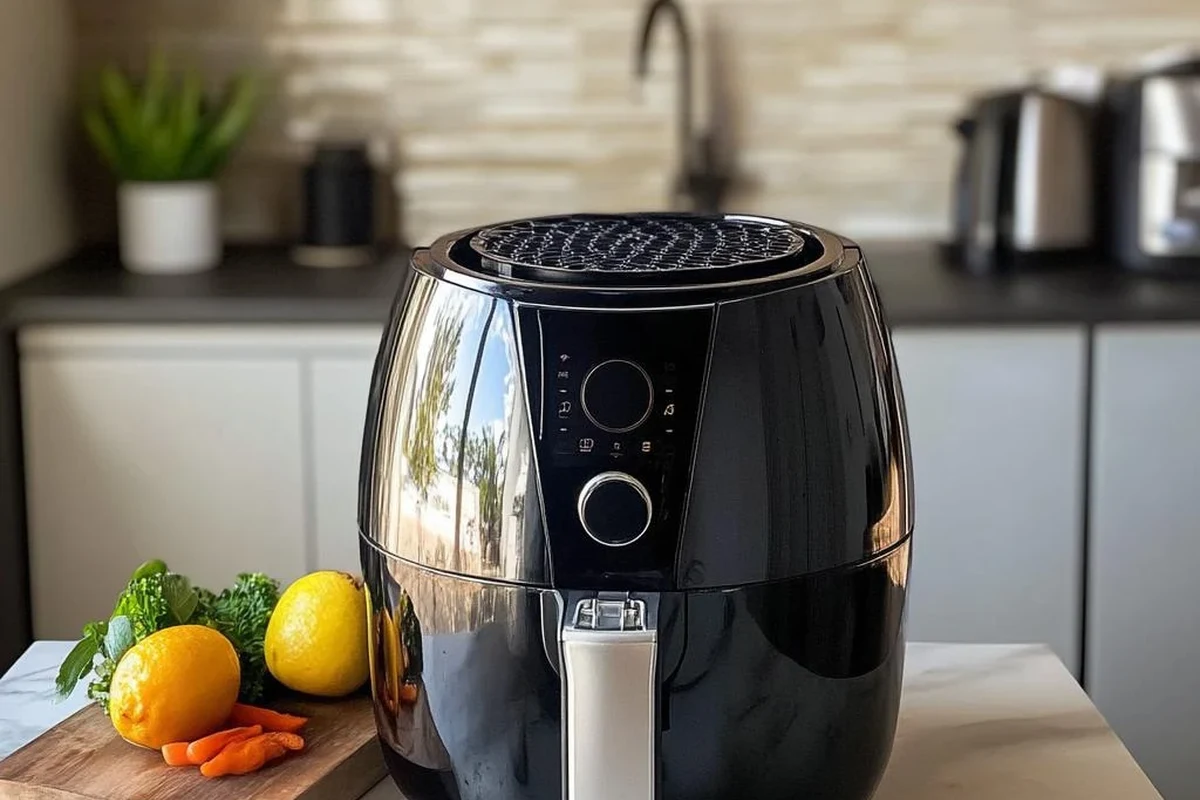
Search intent: choosing cookware, liners, and accessories that won’t warp, melt, or release harmful fumes
“Air fryer safe” does not mean every material is automatically fine at every temperature. It means the item can handle high heat, fast airflow, and repeated use without softening, melting, cracking, or breaking down in a way that affects food or safety.
For everyday cooking, that usually means looking for materials rated for the heat your air fryer actually reaches. It also means checking whether the item can stay stable when hot air moves around it at high speed.
How material safety affects browning, airflow, cleanup, and long-term appliance performance
The material you choose can change how well food crisps. A thick pan may block airflow, while a perforated liner can help reduce sticking without trapping too much steam.
Material choice also affects cleanup and wear. Rough, peeling, or low-quality surfaces can hold residue, stain easily, or shed flakes over time, which is not ideal for either food quality or appliance life.
Air Fryer Basket, Tray, and Rack Materials: What’s Safe vs. What’s Not
Stainless steel, aluminum, ceramic-coated, silicone, and tempered glass: strengths and limitations
Stainless steel is one of the most reliable options for air fryer racks and inserts. It is durable, handles high heat well, and usually resists warping better than cheaper thin metals.
Aluminum can also work well if it is sturdy enough and approved for high heat. It heats quickly, but thin pieces can bend, and very lightweight foil-style accessories may shift around in strong airflow.
Ceramic-coated items can be convenient because food releases more easily. The limitation is that the coating must be high-heat rated and in good condition, since chips or peeling can shorten the accessory’s useful life.
Food-grade silicone is useful for molds and small bake cups because it is flexible and easy to clean. It is best when clearly labeled for high-temperature cooking and used in shapes that will not block airflow too much.
Tempered glass can be acceptable in some oven-style air fryers if the manufacturer allows it. It is less common in basket models and should be used cautiously because sudden temperature changes can cause thermal shock.
Materials to avoid in high-heat air frying: thin plastics, non-heat-rated coatings, and low-grade foils
Thin plastic should never go in an air fryer basket or tray. Even if it seems sturdy at room temperature, it can soften or melt quickly once the heater and circulating air get going.
Be careful with accessories that have unknown coatings or vague heat claims. If the packaging does not clearly state a safe temperature range, it is better to skip it than risk fumes, sticking, or damage.
Low-grade foil is another problem. It can tear, fly around, or block airflow if it is used loosely, and it may create hot spots if it sits too close to the heating element.
Compatibility by air fryer type: basket models, toaster-oven styles, and oven-style air fryers
Basket air fryers usually need smaller, more open accessories that preserve airflow. Tall pans, deep dishes, and oversized liners can reduce crisping and make cooking uneven.
Toaster-oven-style and oven-style air fryers often have more room for pans, racks, and multi-level cooking. That extra space can make metal bakeware and glass more practical, as long as the manufacturer approves the material.
Compatibility matters because the same accessory can be safe in one air fryer and awkward in another. Always check the shape of the basket or oven cavity before buying inserts that look “universal.”
How to Check Compatibility Before You Cook
Read the manufacturer label, manual, and max temperature rating before using any insert or accessory
The fastest way to avoid mistakes is to start with the manual. Look for the maximum temperature, approved materials, and any warnings about liners, pans, or parchment.
If the accessory itself has a label, read that too. A product that is oven-safe may still have a lower heat limit than your air fryer’s highest setting.
Measure basket size, airflow clearance, and accessory depth to prevent blocking circulation
Air fryers work best when hot air can move freely around the food. If an insert fills the basket too tightly, you may get pale spots, longer cook times, or soggy edges.
Measure the usable basket width, depth, and height before buying accessories. Leave enough space around the sides and top so the food and insert do not crowd the heating path.
Practical fit checks for parchment liners, silicone mats, baking pans, and skewers
Parchment liners should sit flat under food and should not curl into the fan or heating area. Perforated liners are usually safer because they allow more airflow than solid sheets.
Silicone mats need to be sized carefully so they do not cover every vent hole. Baking pans should be shallow enough to fit comfortably, and skewers should not extend so far that they touch the heating element or interior walls.
Choose accessories that leave visible space around the food. In air frying, a little open room is usually better than a perfect full fit.
Best Safe Materials for Common Air Fryer Accessories
Parchment paper: when it works, when it burns, and why perforated liners matter
Parchment paper is useful for sticky foods, delicate items, and easier cleanup. It works best when weighed down by food so it cannot lift into the heating element.
Perforated parchment liners are often the better choice because they let air move through the basket more easily. Solid parchment can work in some cases, but too much coverage can reduce crisping and increase the chance of scorching.
Food-grade silicone: best uses for egg bites, muffins, and easy-release snacks
Food-grade silicone is a smart option for egg bites, mini muffins, and soft snacks that tend to stick. It is flexible, easy to wash, and usually good for repeated use if the material is thick and high-heat rated.
Still, silicone is not ideal for every job. Very thin silicone can wobble, and large mats can block airflow if they sit flat across too much of the basket.
Metal accessories: safe choices for roasting, crisping, and multi-layer cooking
Metal accessories are often the best choice for roasting vegetables, reheating leftovers, and cooking multiple items at once. Stainless steel racks and sturdy pans usually handle air fryer heat well and stand up to regular use.
If you want better crisping, choose open designs that let air pass through. Dense pans and oversized inserts can work, but they may slow down browning on the bottom side.
Glass and ceramic: when they are acceptable and when thermal shock becomes a risk
Glass and ceramic can be useful in some oven-style air fryers, especially for casseroles or baked dishes. The main concern is thermal shock, which can happen if a hot dish is placed on a cold surface or exposed to sudden temperature changes.
Use only items clearly marked as heat-safe for oven use, and avoid moving them from extreme cold to high heat too quickly. If you are unsure, metal is usually the safer and more forgiving choice.
Practical Steps for Safer Air Frying at Home
Preheating, spacing, and loading food so hot air can circulate evenly
Preheating can help some foods start crisping sooner, but it is not always necessary. Whether you preheat or not, do not overload the basket, because crowded food traps steam and reduces browning.
Arrange food in a single layer when possible. If you need to stack, do it lightly and shake or turn the food partway through cooking so the hot air can reach more surfaces.
Using liners correctly without covering too much of the basket or tray
Liners are helpful, but they should support the cooking process instead of fighting it. Keep paper or silicone from covering all the vents, and never let loose material float up toward the heating element.
If a liner is sliding around, it is probably too light, too large, or being used before the basket is loaded. Add food first when safe to do so, and use only the amount of liner needed for the job.
Cleaning routines that protect coatings, reduce residue buildup, and extend accessory life
Gentle cleaning keeps accessories safer for longer. Soak stuck-on residue when needed, use non-abrasive sponges, and avoid harsh scrubbing that can damage coatings or roughen surfaces.
Let parts cool before washing them, and dry them fully before storing. Moisture trapped in seams or coatings can shorten the life of both accessories and the air fryer itself.
Quick comparison: reusable accessories vs. disposable liners for convenience, cost, and durability
Reusable accessories usually cost more upfront, but they can be better for frequent cooking and meal prep. They also reduce waste and tend to offer more stable performance once you find the right fit.
Disposable liners are convenient for quick cleanup, but they are not always the best choice for airflow or long-term value. The right option depends on how often you cook, how much cleanup you want to avoid, and how tightly your air fryer is built.
Common Mistakes That Damage Accessories or Create Safety Risks
Using non-stick items above their heat limit and assuming “oven-safe” always means “air fryer safe”
“Oven-safe” does not automatically mean “air fryer safe.” Air fryers can move heat more aggressively than some ovens, so an item may be exposed to harsher conditions than you expect.
Non-stick items should be used only within their stated temperature range. Once a coating starts to break down, it may not cook well and could become unsafe to keep using.
Overfilling baskets, stacking food too tightly, and causing uneven cooking or smoke
Too much food in one load is one of the most common air fryer mistakes. It can lead to pale spots, soggy textures, and smoke from dripping grease or trapped crumbs.
Give food some space, especially items that release fat or moisture. If needed, cook in batches rather than forcing everything into one overcrowded basket.
Placing loose paper, lightweight foil, or unstable containers where they can touch the heating element
Any loose material can become a problem if airflow lifts it into the top of the unit. That includes paper liners, thin foil, and lightweight containers that are not stable enough for fast-moving air.
Keep all inserts anchored by food or by the shape of the basket itself. If something seems likely to shift, it probably needs a different size or design.
Ignoring wear signs such as peeling coatings, warped trays, cracked silicone, or discoloration
Wear is a warning, not just a cosmetic issue. Peeling coating, bent metal, cracked silicone, or heavy discoloration can all signal that an accessory is no longer a good fit for high-heat cooking.
When in doubt, replace the item. A worn accessory can affect cooking quality and may create more risk than it is worth.
Cost, Durability, and Long-Term Value: Choosing the Right Materials for Your Kitchen
Low-cost vs. premium accessory materials: what you gain in longevity, performance, and cleanup
Cheaper accessories can be fine for occasional use, but they may use thinner metal, weaker coatings, or less stable silicone. Premium materials often last longer and hold their shape better under repeated heat cycles.
You are usually paying for better durability, easier cleanup, and more consistent results. That said, the best value depends on how often you use the air fryer and what you cook most often.
When to replace worn accessories instead of risking poor results or safety issues
Replace an accessory when it warps, peels, cracks, or no longer fits securely. If it has become hard to clean or starts changing the way food cooks, that is another sign it may be past its best use.
It is usually smarter to replace one worn insert than to keep using a piece that may damage food quality or create a heat-related problem.
Best-value material picks for frequent use, family meals, and meal prep
For frequent use, stainless steel and high-quality food-grade silicone are often the most practical choices. They balance durability, easy cleanup, and broad compatibility with many air fryer styles.
For family meals and meal prep, sturdy metal racks, shallow pans, and perforated parchment liners can offer a good mix of convenience and performance. The best pick still depends on your model, your cooking habits, and how much cleanup you want to avoid.
Final Takeaway: A Simple Material-Safety Checklist for Better Air Frying
Recap of the safest material choices, compatibility checks, and common red flags
The safest air fryer materials are usually sturdy stainless steel, approved food-grade silicone, and clearly rated parchment liners. Tempered glass and ceramic may work in some oven-style models, but only when the manufacturer allows them.
Avoid thin plastics, unknown coatings, loose paper, and lightweight foil that can shift into the heating area. Always check the manual, the temperature rating, and the fit before using any accessory.
How to make faster, safer, and more consistent air fryer meals with the right accessories
When the material is right, the whole cooking process gets easier. Food browns more evenly, cleanup is simpler, and the air fryer is less likely to collect residue or suffer avoidable wear.
Use the smallest safe accessory that does the job, keep airflow open, and replace worn items before they become a problem. That simple routine leads to safer, faster, and more consistent air fryer meals.
Frequently Asked Questions
Stainless steel and other sturdy, heat-rated metals are usually the safest choices. Food-grade silicone can also work well for some accessories if it is clearly labeled for high heat.
Yes, parchment paper can be used if it is kept under food and does not block too much airflow. Perforated liners are often better because they allow more circulation.
Food-grade silicone is often safe for air fryer use when the product is rated for high heat. It works best for molds, cups, and small bake items that do not cover too much of the basket.
Sometimes, but only if the manufacturer says the material is approved for your model. Glass and ceramic can be at risk of thermal shock if they are exposed to sudden temperature changes.
Check the manual, measure the basket or cavity, and make sure the accessory leaves room for airflow. A good fit should not block vents, touch the heating element, or sit too tightly.
Avoid thin plastics, loose paper, unstable containers, and any accessory with unknown heat ratings. Also replace worn items that are peeling, cracked, warped, or badly discolored.