Perfect Ratio for Rice and Water in Rice Cooker Guide

The best starting ratio depends on the rice type, but white rice often begins around 1:1 to 1:1.25 and brown rice around 1:1.75 to 1:2. For the most consistent results in 2026, use the rice cooker’s own cup or water lines, then fine-tune by small amounts.
If you want consistently fluffy rice, the best starting point is a simple rice-to-water ratio matched to the rice type and your cooker. In 2026, the most reliable approach is still to measure carefully, then fine-tune once you know how your rice cooker behaves.
- Start simple: Use a rice-type-specific ratio, not one number for everything.
- Measure correctly: Match the cooker’s cup and water lines whenever possible.
- Adjust in small steps: Add or reduce water a little at a time.
- Rinse consistently: Rinsing changes texture and can slightly affect water needs.
Understanding the Perfect Ratio for Rice and Water in a Rice Cooker
The phrase “perfect ratio for rice and water in rice cooker” usually means one thing: rice that is cooked through, not mushy, and not dry in the center. Most people are not looking for a complicated formula. They want a dependable starting point that works on a normal weeknight.
What readers are actually searching for: fluffy, non-sticky rice every time
For many home cooks, the goal is light, separated grains with just enough moisture to feel tender. That result depends on more than water alone. Rice age, rinsing, cooker type, and the exact grain all influence the final texture.
A good ratio is a starting point, not a guarantee. If you learn how to adjust by a small amount, you can get much closer to the texture you prefer without guessing every time.
Why the right rice-to-water ratio changes by rice type and cooker style
Different rice varieties absorb water differently. Long-grain white rice usually needs less water than brown rice, while sticky or short-grain rice often needs a little more for a softer finish.
The cooker also matters. A basic rice cooker, a fuzzy logic model, and an induction cooker may all handle heat and steam differently, which changes how much water ends up in the grain by the end of the cycle.
How this guide fits RedKitchenProject’s water ratio and measurement focus
RedKitchenProject focuses on practical measurement guidance, so this article keeps the advice simple, repeatable, and easy to check at home. You will find baseline ratios, measurement tips, and adjustment methods you can use in 2026 without needing special tools.
The goal is not to overcomplicate rice cooking. It is to help you measure once, cook confidently, and make small corrections when needed.
Standard Rice and Water Ratios by Rice Type
These ratios are useful starting points for most rice cookers. They are not the only correct numbers, but they are a dependable baseline for home use.
White rice: the most common baseline ratio for rice cookers
For standard white rice, a common starting ratio is 1 cup rice to 1 to 1.25 cups water, depending on the grain and cooker. Many rice cookers also include their own water lines, which may be the better guide if they are designed for the cooker’s cup size.
If you prefer slightly firmer rice, start at the lower end. If you want softer rice, move a little higher, but make changes in small steps.
Brown rice: why it needs more water and a longer cook time
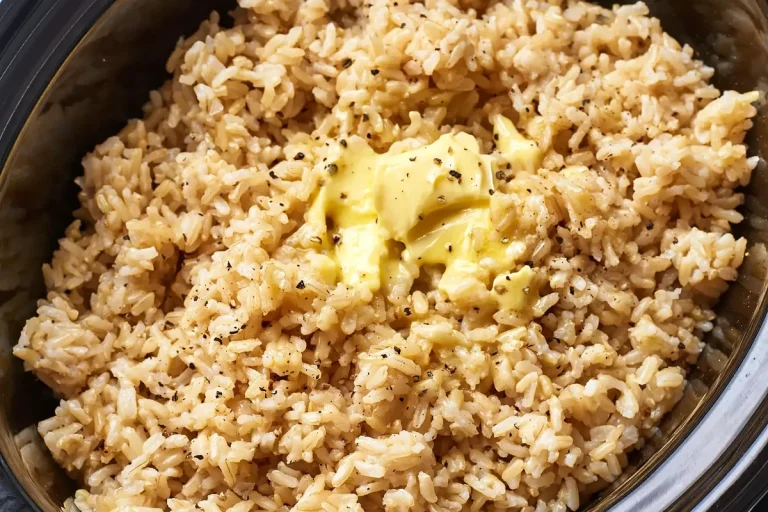
Brown rice has the bran layer intact, so it absorbs water more slowly and needs extra time. A practical starting point is often around 1 cup brown rice to 1.75 to 2 cups water.
Because brown rice can vary by brand and age, some batches need a little more water than others. If the grains are still chewy after cooking, increase water slightly before changing anything else.
Jasmine, basmati, sushi, and short-grain rice: how ratios differ
Jasmine rice often cooks well with slightly less water than sticky varieties, usually around 1 cup rice to 1 to 1.25 cups water. Basmati may also prefer a lighter hand with water to keep the grains separate.
Sushi rice and other short-grain rice types usually need a bit more moisture for a softer, more cohesive texture. A starting range around 1 cup rice to 1.1 to 1.3 cups water is common, but the cooker’s fill lines may still give the best result.
Parboiled, wild rice, and mixed grains: special measurement considerations
Parboiled rice often needs less water than brown rice and can stay firmer if overfilled. Wild rice and mixed-grain blends usually need more water and longer cooking because the grains do not absorb at the same rate.
For blends, follow the package first if it gives a specific rice cooker method. Mixed grains are one of the easiest ways to throw off a generic ratio.
How to Measure Rice and Water Correctly in a Rice Cooker
Even a good ratio can fail if the measuring method is inconsistent. The biggest errors usually come from using the wrong cup, skipping rinsing without adjusting, or assuming every rice cooker measures the same way.
Using the rice cooker cup versus a standard measuring cup
Many rice cookers come with a smaller cup than a standard U.S. measuring cup. That cup is often closer to about 180 ml, not 240 ml, so using the wrong one changes the ratio immediately.
If your cooker includes a cup, use that cup for both rice and water instructions unless the manual says otherwise. Mixing measurement systems is one of the most common reasons rice comes out too wet or too dry.
Rinsing rice: when it helps and how it affects the water ratio
Rinsing removes excess starch from the surface of the grains, which can help reduce stickiness. It is especially useful for white rice, jasmine, and basmati when you want more separated grains.
Rinsed rice may need a tiny bit more water than unrinsed rice, but usually not a dramatic change. The bigger benefit is texture consistency, not a major shift in the ratio.
Leveling, soaking, and adjusting for altitude or humidity
Always level the rice in the cooker pot before adding water. A sloped surface can make the measurement line less accurate and lead to uneven cooking.
Soaking can help brown rice and some long-grain varieties cook more evenly. In dry climates or at higher altitude, you may need slightly more water and longer cooking time because evaporation and boil behavior can change.
Step-by-step method for getting consistent results in 2026
Use the cooker’s own cup if available, and measure the same way every time.
Rinse until the water runs less cloudy, then drain well before cooking.
Use the correct fill line for your rice type, or start with a proven ratio.
After cooking, wait 5 to 10 minutes before opening and fluffing the rice.
Rice Cooker Types and How They Affect the Ratio
Not every rice cooker behaves the same way. Some are basic and predictable, while others use sensors and programmed cycles to adjust heat and timing automatically.
Basic rice cookers versus fuzzy logic and induction models
Basic rice cookers usually work best with simple ratios and the manufacturer’s water lines. They are straightforward, but they may be less forgiving if you use the wrong cup size or open the lid early.
Fuzzy logic and induction models can make more nuanced adjustments during cooking. That can improve results, but it also means the “same” ratio may behave a little differently from one model to another.
Small, medium, and large rice cooker capacity considerations
Small cookers often perform best within a narrow range of batch sizes. If you cook too little rice in a large cooker, the steam pattern may not distribute moisture as evenly.
Large cookers are more forgiving for family meals, but they still need the right fill level. Overfilling can cause boil-over, while underfilling may leave the rice less evenly cooked.
Nonstick inner pot markings and how to use the water lines properly
Many inner pots have lines for white rice, brown rice, or mixed grains. Those markings are designed for the cooker’s own cup system, so they often work better than a generic chart.
Read the markings carefully and match them to the rice type you are cooking. If the pot shows multiple lines, use the one that matches your grain rather than guessing based on appearance.
When the manufacturer’s fill line should override a generic ratio
If the manual gives a specific water line for your rice type, that should usually take priority. Manufacturers calibrate those lines for the cooker’s heating pattern, pot shape, and measurement cup.
A generic ratio is still useful when the manual is missing or unclear. But when the cooker provides a clear system, it is usually the better first choice.
Common Mistakes That Throw Off the Rice and Water Balance
Most rice problems come from small measurement errors, not from the cooker itself. The good news is that these mistakes are easy to avoid once you know what to watch for.
Adding too much water and ending up with mushy rice
Too much water is the fastest path to soft, sticky, or mushy rice. This is especially noticeable with white rice and jasmine rice, which can lose their texture quickly when overwatered.
If your rice is consistently mushy, reduce the water slightly before changing cook time. A small adjustment is usually enough.
Using the wrong cup size or ignoring the cooker’s measurement system
Using a standard measuring cup when the recipe assumes the rice cooker cup can distort the ratio. The result may look close on paper, but it will not cook the same way in practice.
Always confirm whether the recipe is written for a rice cooker cup or a standard cup. That one detail can make a major difference.
Skipping rice rinsing when the recipe assumes rinsed grains
Some recipes assume the rice has been rinsed and drained. If you skip that step, extra surface starch can make the rice gummy and slightly wetter than expected.
If you prefer not to rinse, you may need to reduce water a little. The texture will be different, so keep your method consistent.
Opening the lid too early and disrupting steam-based cooking
Rice cookers depend on steam to finish the grain evenly. Opening the lid too soon lets steam escape and can leave the top layer undercooked or uneven.
Wait until the cycle ends, then let the rice rest briefly before fluffing. That short pause helps moisture redistribute.
Not accounting for old rice, extra-sticky varieties, or mixed add-ins
Older rice often needs a little more water than freshly purchased rice because it may have dried out in storage. Extra-sticky varieties may need less, depending on the texture you want.
Add-ins like vegetables, broth, or beans change the water balance too. When you cook mixed rice dishes, expect to adjust your ratio rather than using a plain-rice chart unchanged.
Practical Adjustments for Better Texture, Taste, and Timing
Once you have a baseline ratio, the next step is learning how to make small adjustments. That is where most home cooks get better results over time.
How to make rice firmer, softer, or more separated
For firmer rice, reduce the water slightly and keep the lid closed until the resting period is over. For softer rice, add a little more water or extend the resting time after the cycle finishes.
If you want more separated grains, rinse the rice well and avoid over-stirring after cooking. Fluff gently with a rice paddle or fork.
Quick comparison: slightly less water vs slightly more water
Best for firmer texture, separated grains, and avoiding mushy results. It can leave rice a little dry if reduced too much.
Best for softer rice, brown rice, and mixed grains. Too much can create a sticky or heavy texture.
Estimated cook times by rice type and cooker style
White rice usually finishes faster than brown rice, and basic cookers may finish sooner than models that use more gradual heat control. Brown rice and mixed grains typically need the longest cycle plus a resting period.
Cook time can vary by model, batch size, and starting water temperature. Treat any time estimate as a guide, not a promise.
How leftovers, reheating, and batch size affect future ratios
Leftover rice usually reheats better when it starts slightly on the firmer side. If you know you will store some for later, avoid overwatering the original batch.
Batch size also matters. A half batch may need a small adjustment compared with a full pot, especially in larger cookers.
Safety, Maintenance, and Smart Use Tips for Rice Cookers
Rice cookers are generally simple appliances, but safe handling still matters. A clean, well-maintained cooker is also more likely to give accurate results.
Avoiding overflow, boil-over, and steam-release burns
Do not fill the pot beyond the maximum line. Overflow can make a mess, affect cooking performance, and create a burn risk when steam escapes.
Be careful when opening the lid after cooking. Steam can be hot enough to cause burns, especially right after the cycle ends.
Keeping the inner pot, lid, and steam vent clean for accurate cooking
Starch buildup can affect how steam moves through the cooker. Clean the inner pot, lid, gasket area if present, and steam vent after use according to the manual.
A clean cooker is not just about hygiene. It also helps the appliance cook more consistently.
Checking cord, plug, and appliance condition before use
Before each use, check that the cord and plug are in good condition and that the cooker sits flat on the counter. If you notice damage, stop using it until it is inspected or replaced.
For any appliance with electrical damage, do not attempt unsafe repairs. If needed, consult a qualified appliance technician.
When to follow the manual instead of a general ratio guide
Always prioritize the manufacturer’s instructions if they differ from a general chart. This is especially important for specialty cookers, multi-function models, and rice cookers with unique fill lines.
If your model has a specific rice program, use that program first. General ratios work best as a backup when the manual is unavailable or too vague.
Final Recap: The Best Rice and Water Ratio Strategy for 2026
The most reliable rice cooker strategy in 2026 is still simple: start with the right ratio for the grain, measure consistently, and adjust in small steps. That approach works better than chasing one universal number for every rice type.
Quick summary of the most reliable starting ratios by rice type
White rice usually starts around 1:1 to 1:1.25. Brown rice often needs around 1:1.75 to 1:2, while sushi and short-grain rice usually sit slightly higher than basmati or jasmine.
Parboiled, wild rice, and mixed grains often need special handling, so use the package or the cooker’s water lines whenever possible.
How to adjust confidently based on cooker model and personal texture preference
If your rice is too firm, add a small amount more water next time. If it is too soft, reduce water slightly or rinse and drain more thoroughly before cooking.
The best ratio is the one that matches your cooker, your rice, and your preferred texture. Once you find it, write it down so you can repeat it.
Closing takeaway for readers seeking consistent rice cooker results
There is no single perfect ratio for every rice cooker and every grain, but there is a dependable way to get close every time. Measure carefully, respect the cooker’s markings, and make small adjustments until the rice comes out the way you like it.
Frequently Asked Questions
A common starting point is 1 cup rice to 1 to 1.25 cups water, depending on the grain and cooker. If your rice cooker has water lines, those may be more accurate than a generic chart.
Brown rice usually needs more water than white rice because the bran layer slows absorption. A practical starting range is about 1 cup brown rice to 1.75 to 2 cups water.
Rinsing helps remove surface starch and can reduce stickiness, especially for white rice, jasmine, and basmati. If you rinse, drain well and keep your method consistent from batch to batch.
Usually no. Many rice cooker cups are smaller than a standard U.S. measuring cup, so using the cooker’s own cup is important for accurate ratios.
The most common cause is too much water, but using the wrong cup size or opening the lid too early can also affect texture. Reduce water slightly and follow the cooker’s measurement system.
Follow the manual whenever it gives a specific ratio or water line for your model. Manufacturer instructions usually account for the cooker’s pot shape, heating pattern, and measurement system.