How Much Water for Brown Rice in a Rice Cooker Guide

Start with 1 cup brown rice to 2 cups water in most rice cookers, then adjust slightly for your model and texture preference. Use the same cup system every time and let the rice rest before fluffing.
If you are asking how much water for brown rice in a rice cooker, the most useful starting point is usually 1:2 or slightly under that, depending on the rice type and your cooker. In 2026, the best results still come from matching the ratio to your rice cooker model, the grain size, and the texture you want.
- Best starting ratio: Use 1:2 for most brown rice in rice cookers.
- Measure consistently: Use the cooker cup or matching markings every time.
- Texture fixes: Add a little water for firmer rice; reduce slightly for mushy rice.
- Rest matters: Let cooked rice sit before fluffing for better texture.
How Much Water for Brown Rice in a Rice Cooker: What Readers Are Really Trying to Solve
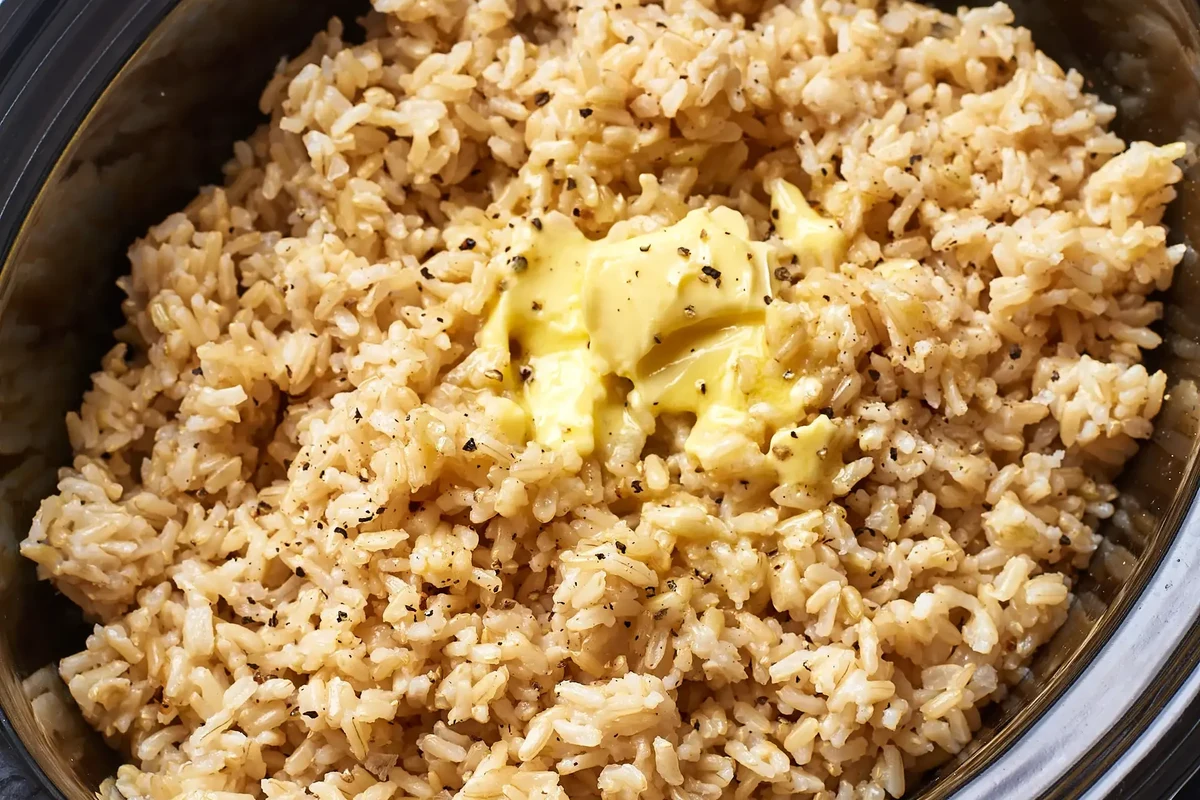
Most people are not just looking for a number. They want brown rice that is tender, evenly cooked, and not glued to the bottom of the pot.
The challenge is that brown rice has a bran layer that slows water absorption. That means it usually needs more water and more time than white rice, but not so much that it turns soft or gummy.
Search intent behind the water-to-rice question
When readers search for the right water ratio, they are usually trying to avoid trial and error. They want a simple measurement that works the first time, or at least gets them close enough to adjust next time.
That is especially true for rice cooker users, because these appliances are meant to reduce guesswork. Still, the exact ratio can shift a little based on the cooker’s heating style and the kind of brown rice you buy.
Why brown rice needs a different approach than white rice
Brown rice keeps the bran and germ layers, which makes it more nutritious but also slower to soften. White rice has those layers removed, so it usually cooks faster with less water.
Because of that extra structure, brown rice often benefits from a longer cook cycle, a bit more water, and a resting period after cooking. Skipping any of those steps can leave the center chewy or the top layer dry.
What “perfect” texture means for most rice cooker users
For most home cooks, “perfect” brown rice means grains that are separate, tender, and still lightly chewy. It should not be watery, overly sticky, or crunchy in the center.
That texture target matters because some people prefer a firmer bite for bowls and meal prep, while others want a softer result for side dishes. The best ratio depends partly on that preference.
Best Brown Rice Water Ratios for Rice Cookers in 2026
For 2026, the most practical starting point is still a ratio around 1:2 for many rice cookers. That means 1 cup of brown rice to 2 cups of water, measured consistently with the same cup system.
If your cooker runs hot or your brown rice is softer to begin with, you may do better with 1:1.75. If your rice is especially firm, old, or you like a softer texture, you may need a little more than 2 cups.
Standard ratio ranges: 1:1.75, 1:2, and when to adjust
A 1:1.75 ratio is a good starting point for many fuzzy logic cookers and for people who prefer firmer grains. A 1:2 ratio is the most common all-purpose option and is often the easiest place to begin.
Adjust upward slightly if the rice comes out too firm, if you rinse heavily and lose a little surface moisture, or if your cooker tends to evaporate more water. Adjust downward a little if the result is mushy or if your cooker has a very tight lid and strong steam retention.
How rice cooker type affects the ideal water amount
Basic one-button rice cookers often need a slightly more forgiving ratio because they use simpler heat control. Fuzzy logic models, pressure cookers, and induction rice cookers can manage moisture and temperature more precisely.
That precision can mean a little less water is needed, especially if the cooker holds steam very efficiently. Always check the manual first, because manufacturer guidance may differ from general kitchen advice.
Differences between short-grain, medium-grain, and long-grain brown rice
Short-grain brown rice tends to cook up a little stickier and may need slightly less water if you want a firmer texture. Long-grain brown rice usually stays more separate and may need the full 1:2 ratio or a touch more.
Medium-grain brown rice sits in between. If you are unsure which type you have, start with 1:2 and adjust in small steps on the next batch.
Rice Cooker Compatibility: Matching the Water Ratio to Your Model
Not every rice cooker behaves the same way. Two cookers can use the same water ratio but produce different results because of lid design, heating method, pot shape, and steam release behavior.
That is why compatibility matters as much as the ratio itself. The goal is to match the method to the machine instead of treating every cooker like a clone.
Basic one-button rice cookers vs. fuzzy logic models
Basic rice cookers are usually simple and reliable, but they may not compensate well for small measurement errors. With these models, consistency in measuring is especially important.
Fuzzy logic cookers can adjust heat in stages, which often helps brown rice cook more evenly. They may tolerate a slightly lower water ratio, but the exact sweet spot still depends on the brand and model.
Multi-function cookers, pressure cookers, and induction rice cookers
Multi-function cookers and pressure cookers can shorten cook time, but they often use different water needs than standard rice cookers. Pressure cooking can trap more moisture, so the same ratio may produce a softer result.
Induction rice cookers tend to heat more evenly and can be more precise, which is helpful for brown rice. Even so, the manual remains the best guide for your specific appliance.
How manufacturer markings and cup sizes can change the measurement
One of the biggest sources of confusion is cup size. Rice cookers often include a rice-cooker cup that is smaller than a standard US measuring cup, so mixing the two can throw off the ratio.
Also, many inner pots have water lines meant for the included cup size, not a kitchen measuring cup. If you use a different cup, the markings may no longer match the intended fill level.
- Match year, make, model, and trim
- Check FCC ID or part number
- Compare button layout and emergency key blade
Step-by-Step Method for Cooking Brown Rice in a Rice Cooker
The easiest method is to start with the right ratio, measure carefully, and let the cooker finish its full cycle. Brown rice is more forgiving when you avoid shortcuts.
Use the same measuring system every time, especially if you are dialing in a new cooker or a new bag of rice.
Measuring rice and water correctly with rice-cooker cups
Measure the rice with the cup that came with the cooker, if possible. Then add the matching water amount using the same system so the ratio stays consistent.
If your cooker has water lines for brown rice, those markings are often the easiest reference. Still, confirm whether the lines are meant for the rice-cooker cup or a standard measuring cup before you rely on them.
Rinsing, soaking, and optional resting before cooking
Rinsing brown rice removes excess surface starch and can help the grains cook a little more cleanly. It also helps reduce foaming in some cookers.
Soaking is optional, but it can improve texture and reduce cook time for some varieties. If you soak, you may need slightly less water, since the grains already absorb some moisture before cooking.
Brown rice varieties differ by brand, age, and storage conditions, so the same ratio may need small adjustments from batch to batch.
Cook cycle timing, steam release, and post-cook fluffing
Let the cooker run through the full brown rice cycle if it has one. If your model only has a standard cycle, expect brown rice to need more time and possibly a warm rest at the end.
After cooking, let the rice sit with the lid closed for 10 to 15 minutes if possible. Then fluff gently with a rice paddle or fork to release steam and separate the grains.
Use the same cup system your cooker is designed for.
Start with 1:2, then adjust later if needed.
Let the cycle finish, then rest before fluffing.
Common Brown Rice Mistakes That Cause Mushy, Dry, or Undercooked Results
Most brown rice problems come from measurement mistakes, not from the rice itself. A small error in water or cup size can change the final texture more than people expect.
Fixing those habits usually improves results faster than buying a different cooker.
Using the wrong cup measurements
Using a standard measuring cup when the recipe assumes a rice-cooker cup can lead to overfilling or underfilling. That is one of the most common reasons brown rice turns out off.
If you are not sure which cup the recipe uses, check the cooker manual or the inner pot markings. Consistency matters more than the exact cup style, as long as you stay with one system.
Skipping rinse or soak steps when needed
Skipping rinsing can leave extra starch on the grains, which may make the rice stickier than intended. That does not always ruin the batch, but it can change the texture.
Skipping soaking is usually fine for many cooks, but some older or firmer brown rice benefits from it. If your rice keeps coming out chewy, a short soak may help more than adding a lot more water.
Opening the lid too early or not letting the rice rest
Opening the lid during cooking releases steam and can interrupt the cook cycle. That can leave the top layer drier while the bottom stays wet.
Not resting the rice after the cycle finishes can also affect texture. The rest time allows moisture to redistribute through the pot.
Overfilling the cooker and blocking proper steam circulation
Rice needs space to expand and steam needs room to move. Overfilling the cooker can cause uneven cooking, boil-overs, or a gummy bottom layer.
Stay within the cooker’s marked maximum fill line. If you need larger batches, cook in smaller portions instead.
Programming a transponder or smart key may require professional equipment and proof of ownership.
Time, Cost, and Convenience: Is Brown Rice Worth the Extra Effort?
Brown rice usually takes longer than white rice, but many people still choose it because of its texture, fiber, and meal-prep value. The extra effort is mostly in the first few batches while you learn your cooker.
Once you know the right ratio, brown rice becomes a low-maintenance staple.
How brown rice cook times compare with white rice
Brown rice generally takes longer because the bran layer slows water absorption. In a rice cooker, that often means a dedicated brown rice cycle or a longer standard cycle.
White rice is faster and more predictable, but brown rice can be just as convenient once you know your machine’s rhythm. The main tradeoff is time, not difficulty.
Energy use and batch-cooking efficiency
Brown rice may use more energy per batch because of the longer cook time, but batch cooking can offset that. Making several portions at once is often more efficient than cooking small amounts repeatedly.
If your rice cooker has a keep-warm mode, use it carefully. Long warm times can dry out the rice or make the bottom layer less appealing.
Convenience tips for meal prep and storage
Brown rice stores well in the refrigerator and can be reheated with a splash of water. That makes it useful for lunch bowls, stir-fries, and quick side dishes.
Cool cooked rice quickly, store it in sealed containers, and reheat only what you need. Good storage helps preserve texture and food safety.
Safety and Reliability Notes for Rice Cooker Use
Rice cookers are simple appliances, but they still deserve basic safety checks. A good setup prevents spills, scorching, and unnecessary wear on the machine.
If your cooker starts acting differently, it is worth checking the pot, lid, and heating surface before blaming the rice.
Preventing boil-overs, scorching, and steam burns
Do not exceed the maximum fill line, especially when cooking larger batches of brown rice. Too much water or too much rice can cause boil-overs and messy steam release.
Be careful when lifting the lid after cooking. Hot steam can burn quickly, so open it away from your face and hands.
Checking the inner pot, lid seal, and heating plate condition
A scratched inner pot, damaged lid seal, or dirty heating plate can affect cooking performance. Even a good ratio may fail if the cooker cannot heat evenly or trap steam correctly.
Clean the cooker according to the manufacturer’s instructions and replace worn parts when possible. Small maintenance habits often improve results more than constant recipe changes.
When a rice cooker problem means repair or replacement
If the cooker overheats, shuts off early, leaks steam excessively, or stops warming properly, the issue may be mechanical rather than procedural. At that point, repeating the same recipe will not solve the problem.
Consider repair or replacement if the unit no longer heats evenly or if the inner pot and lid are in good condition but the results keep getting worse. Appliance performance can vary by model, age, and use history.
Final Recap: The Easiest Way to Get Brown Rice Right Every Time
The simplest answer to how much water for brown rice in a rice cooker is to start with 1 cup rice to 2 cups water, then adjust slightly based on your cooker and preferred texture. That ratio works well for many standard rice cookers in 2026, but it is not the only correct answer.
Measure consistently, use the right cup size, allow the rice to rest after cooking, and make small changes instead of large ones. That approach gives you the best chance of getting brown rice that is tender, even, and dependable batch after batch.
Quick summary of the best water ratio and method
Start at 1:2 for most brown rice in a rice cooker. If the result is too firm, add a little more water next time; if it is too soft, reduce it slightly.
Final takeaways from the RedKitchenProject Editorial Team
Brown rice is less about a single magic number and more about matching the ratio to your cooker and grain type. Once you learn that balance, the process becomes straightforward and repeatable.
Frequently Asked Questions
A common starting point is 1 cup brown rice to 2 cups water. Some cookers and rice types do better with a slightly lower or higher amount, so small adjustments may help.
Rinsing is usually a good idea because it removes excess surface starch. It can help the rice cook more cleanly and reduce foaming in some cookers.
Soaking is optional, but it can improve texture and help some brown rice cook more evenly. If you soak it, you may need to reduce the water slightly.
Mushy rice often means too much water, the wrong cup measurement, or not enough resting time after cooking. A tighter ratio and more careful measuring usually fix it.
Hard rice usually means not enough water, too little cook time, or opening the lid too early. A small water increase or a longer rest can improve the result.
Not always. Basic cookers, fuzzy logic models, and pressure cookers can behave differently, so the manual and your own results matter.