What Is the Difference Between Pasta and Noodles Explained

Pasta is usually an Italian wheat dish made for sauce, while noodles cover many grains and styles used in soups and stir-fries. The best choice depends on the recipe, the texture you want, and how you plan to serve it.
Pasta and noodles look alike, but they are not quite the same. In simple terms, pasta usually comes from durum wheat and often uses eggs, while noodles can come from many grains and starches, with or without eggs.
- Ingredient difference: Pasta usually uses durum wheat; noodles can use many grains.
- Culture difference: Pasta is tied to Italian cooking; noodles span many cuisines.
- Texture difference: Pasta often aims for firm bite; noodles vary from chewy to silky.
- Best use: Pasta fits sauced meals; noodles fit soups and stir-fries.
What Is the Difference Between Pasta and Noodles?
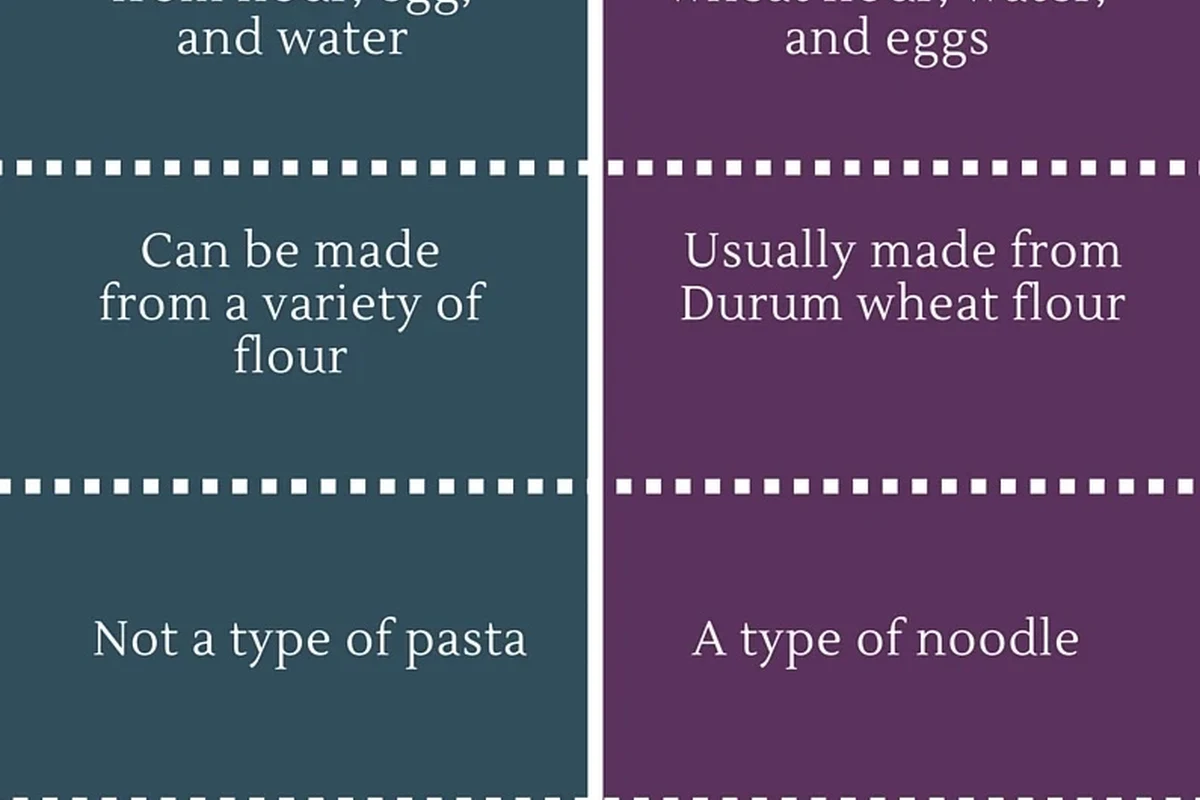
The biggest difference is tradition, ingredients, and how people use them. Pasta is most tied to Italian cooking. Noodles are a broader food group used in many Asian and global dishes.
That said, the line is not always sharp. Some foods called noodles are very close to pasta, and some pasta shapes can look like noodles. So the real answer depends on the recipe, the dough, and the food culture behind it.
Simple answer in plain terms
Pasta is usually an Italian wheat dough shaped into tubes, ribbons, or sheets. Noodles are often long strands, but they can also be flat, curly, thin, or thick.
Pasta often has a firmer bite and pairs with sauce. Noodles often show up in soup, broth, or stir-fry dishes. In short, pasta is a food family, and noodles are a wider one.
Why people mix them up
They both use dough. They both cook fast. And they both can be long strands or flat strips.
Also, many grocery stores group them in the same aisle. That makes sense for shopping, but it can blur the meaning. A package label may say pasta, noodle, or even both, depending on the brand and country.
Names can change by region. A food that counts as pasta in one place may be called noodles in another.
Ingredients and Dough: What Each One Is Made From
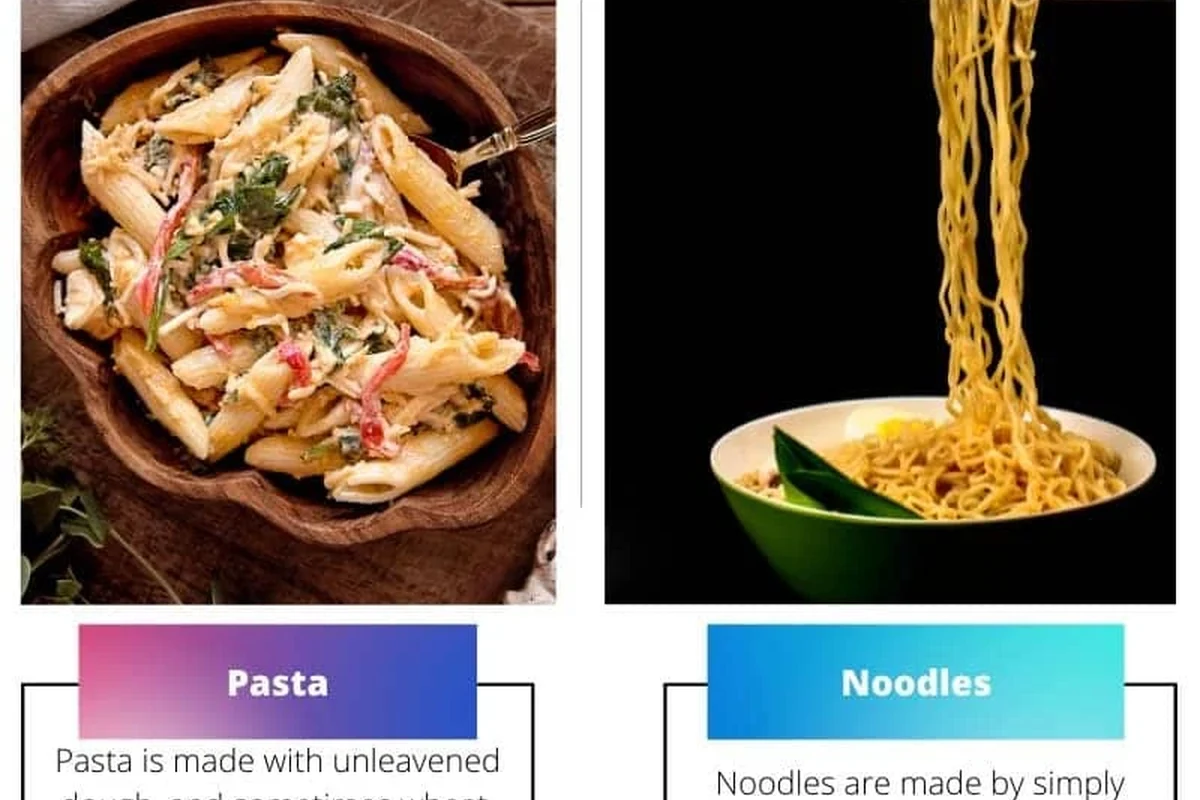
The dough tells you a lot. Pasta and noodles can both start with flour and liquid, but the exact mix changes the final feel, color, and taste.
Typical pasta ingredients
Classic pasta often uses durum wheat semolina. Many fresh pasta recipes also include eggs. Water may also appear in some styles, especially dried pasta made at scale.
- Durum wheat gives pasta a firm bite.
- Eggs add color and a richer taste.
- Water helps form the dough and shape.
Italian pasta makers often aim for a dough that holds its shape in cooking. That is why pasta usually feels sturdy, even when it is tender.
Typical noodle ingredients
Noodles can use wheat flour, rice flour, buckwheat, mung bean starch, or other starches. Some noodle doughs use eggs. Others use only water, salt, and flour.
- Rice noodles stay light and soft.
- Egg noodles taste richer and feel springy.
- Glass noodles turn clear after cooking.
This wide range is why noodles vary so much. One noodle may feel chewy. Another may feel silky. Another may almost melt in soup.
How flour, eggs, and water change the result
Flour gives structure. Eggs add protein and fat. Water brings the dough together.
More protein in the flour often means more chew. More eggs can make the dough richer and more yellow. Less gluten, like in rice noodles, usually means a softer bite.
Durum wheat has a strong gluten structure, which helps many pasta shapes keep their form.
Shape, Texture, and Cooking Style
Shape matters more than many people think. It changes how sauce clings, how broth flows, and how the dish feels on the fork or chopsticks.
How pasta shapes affect sauce use
Pasta shapes often match specific sauces. Long strands like spaghetti work well with smooth sauces. Short shapes like penne or fusilli trap thicker sauce inside the curves.
That match is not random. A ridged tube can hold meat sauce. A flat ribbon can catch cream sauce. A tiny shape can work in soup or baked dishes.
Good for light sauces that coat evenly.
Better for chunky sauces and baked meals.
How noodle styles affect broth and stir-fry dishes
Noodles often shine in broth, soup, and stir-fry. Thin noodles soak up flavor fast. Wider noodles can carry sauce and toppings in a heavier dish.
Because noodles come in many styles, the cooking method changes a lot. Some need a quick boil. Some need soaking. Some cook right in the soup.
What texture tells you about each one
Pasta usually aims for al dente, which means firm but cooked through. Noodles may aim for chewy, soft, springy, or silky, depending on the dish.
Texture is a clue to the food’s role. If the bite feels sturdy and sauce-ready, you may be looking at pasta. If the bite feels more flexible or broth-friendly, it may be a noodle style.
Where They Come From and How They’re Used
Culture is a big part of the answer. The same basic idea, dough shaped into strands or pieces, can mean different things in different food traditions.
Pasta in Italian cooking
Pasta is a core part of Italian cooking. It appears in many forms, from spaghetti to ravioli to lasagna. It often pairs with tomato sauce, cream sauce, cheese, olive oil, or meat sauce.
Italian meals often treat pasta as the center of the plate. It can be a first course or a main dish, depending on the meal and region.
Noodles in Asian and global cooking
Noodles play a major role in Chinese, Japanese, Korean, Thai, Vietnamese, and other cuisines. They also appear in many other food traditions around the world.
Some noodles sit in broth. Others get tossed with vegetables, meat, or sauce in a hot pan. Some are served cold. That range makes noodles very flexible in home cooking.
How culture shapes the dish name
The name often comes from the dish’s roots, not just the shape. A wheat strand in Italy is likely called pasta. A wheat or rice strand in many Asian dishes is likely called noodles.
So the label is not only about ingredients. It also reflects history, cooking style, and local food language. That is why two very similar foods can have different names.
Nutrition, Cost, and Everyday Value
Nutrition and value depend on the exact product. Fresh, dried, egg-based, whole grain, and gluten-free versions all differ.
Calories, protein, and carbs compared
Most pasta and noodles are mainly carbs. Protein levels vary with the flour and whether eggs are used. Whole grain versions often bring more fiber than refined ones.
If you want a more filling meal, look at the full dish. Sauce, vegetables, beans, meat, tofu, and portion size matter as much as the noodle or pasta itself.
If you have a food allergy or gluten issue, always check the label. Ingredients can vary a lot by brand and style.
Fresh, dried, and specialty options
Dried pasta often lasts longer in the pantry and is easy to keep on hand. Fresh pasta cooks fast and has a softer bite. Specialty noodles may use rice, buckwheat, or bean starch.
Specialty choices can be great, but they may cost more or need careful cooking. For example, rice noodles can turn mushy if they sit too long in hot liquid.
Which one gives better value for home cooks
For most home cooks, dried pasta offers strong value. It stores well, cooks reliably, and works with many sauces. Noodles can also offer great value, especially when you cook soups or stir-fries often.
The best value depends on your meals. If you make Italian-style dinners a lot, pasta may be the better buy. If you cook noodle soups or quick pan meals, noodles may fit your routine better.
- Keep dried pasta in a cool, dry pantry.
- Store fresh noodles in the fridge or freezer.
- Match delicate noodles with gentle cooking.
Common Mistakes People Make When Comparing Them
A lot of confusion comes from habits in the kitchen. Small cooking mistakes can also make one food feel like the other.
Calling every long strand pasta
Not every long strand is pasta. Many noodle types are long too. Rice vermicelli, ramen, soba, and egg noodles all use long shapes.
Look at the ingredients and the dish style. That gives you a better answer than shape alone. Shape helps, but it does not tell the whole story.
Using the wrong sauce or broth
A heavy sauce can overwhelm delicate noodles. A thin broth can slide off a sturdy pasta shape. The dish works best when the food and liquid fit together.
- Use light sauce for thin strands.
- Use broth for noodles made for soup.
- Pouring thick sauce on fragile noodles.
- Serving soup with a shape that falls apart fast.
Overcooking or rinsing at the wrong time
Overcooking softens the texture too much. Rinsing can wash away starch that helps sauce cling. But some noodle dishes do need rinsing, especially cold salads or certain stir-fries.
Follow the package directions first. Then adjust for the recipe. If the dish needs a glossy finish or a cold serve, rinsing may help. If it needs sauce grip, skip it.
Use caution with boiling water and hot steam. Follow the package and your cookware instructions.
Which One Should You Choose?
Choose based on the meal you want, not just the label. Both can be delicious, but each one fits certain dishes better.
Best choice for weeknight meals
Pasta is often the easiest weeknight pick. It is widely available, simple to cook, and easy to pair with pantry sauces. A box of dried pasta can save dinner when time is short.
Best choice for soups and stir-fries
Noodles are often the better choice for soups and stir-fries. They absorb flavor well and fit many global recipes. If you want a quick broth bowl or a fast pan meal, noodles usually make more sense.
Best choice for classic comfort food
Pasta wins for many comfort-food meals. Think spaghetti with tomato sauce, baked ziti, or fettuccine with cream sauce. Those dishes feel familiar, hearty, and easy to share.
Clear final recommendation
If you want the shortest answer, here it is. Pasta is usually the better fit for Italian-style sauced meals. Noodles are usually the better fit for soups, broths, and stir-fries.
In everyday cooking, the best choice depends on the dish, not the name alone. If you want a safe all-around pantry staple, keep dried pasta on hand. If you cook a lot of Asian-style meals or noodle soups, keep a few noodle types too.
Pasta and noodles overlap, but they are not the same. Pasta usually means Italian wheat-based shapes for sauce, while noodles cover a wider range of grains, textures, and cooking styles.
- Pasta is usually tied to Italian cooking and durum wheat.
- Noodles can use many grains and starches.
- Shape, texture, and sauce choice matter most in the kitchen.
- Choose pasta for sauced meals and noodles for soups or stir-fries.
Frequently Asked Questions
Not always. Pasta is usually tied to Italian cooking and durum wheat, while noodles cover a wider range of ingredients and food traditions.
Both start with dough and can be shaped into long strands or flat pieces. The main difference is often the flour, the recipe, and the cooking style.
It depends on the type and the full meal. Whole grain, egg, rice, and specialty versions all vary in calories, protein, and fiber.
Sometimes, yes. It works best when the shape and texture fit the sauce, broth, or stir-fry you are making.
Some noodle dishes need rinsing to stop cooking, remove starch, or help with cold dishes. Other recipes need the starch left on so sauce sticks better.
Check the ingredient list, cooking method, and whether the product fits your recipe. If you have allergies or gluten concerns, read the label carefully.