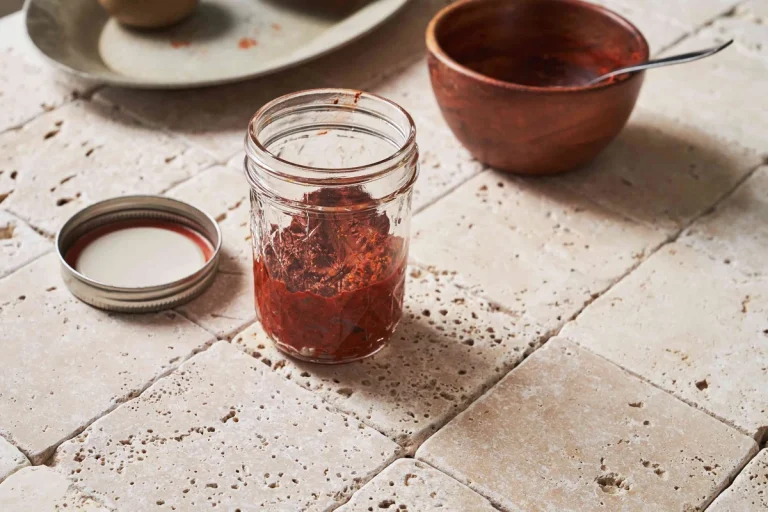
Is Tomato Paste Gluten Free A Simple Answer Guide

Yes, tomato paste is usually gluten free if it’s plain. Always check the label, since added flavors or shared processing can change that.
Yes, tomato paste is usually gluten free. Plain tomato paste is made from tomatoes and salt, so it often fits a gluten free diet.
Still, the label matters. Some brands add flavorings, thickeners, or shared-process ingredients that can bring in gluten.
- Plain paste: Usually safe when it contains only tomatoes and salt.
- Label check: Look for wheat, barley, malt, and unclear starches.
- Cross contact: Clean tools and safe storage help prevent contamination.
- Best use: Tomato paste works well in sauce, soup, stew, and chili.
Is Tomato Paste Gluten Free? The Short Answer
For most home cooks, the simple answer is yes. Plain tomato paste is naturally gluten free in many cases.
That said, you should not assume every jar, can, or tube is safe. Ingredients can vary by brand and by product line.
What most plain tomato paste contains
Most basic tomato paste has a short ingredient list. It usually includes tomatoes, and sometimes salt.
That simple list is a good sign. If nothing from wheat, barley, rye, or malt appears, the product is often a safe choice.
Ingredient rules can vary by region and by manufacturer. Always check the exact package you plan to buy.
When tomato paste is not gluten free
Tomato paste can become unsafe when brands add gluten-based ingredients. This is more common in seasoned or ready-made blends.
Watch for flour, modified starch from wheat, malt, or sauce mixes that use wheat as a thickener.
Why the label matters more than the brand name
A trusted brand can still make different products. One tomato paste may be plain, while another may include extra flavorings.
So the brand name alone does not tell you enough. The ingredient list and allergen statement give you the real answer.
Can I trust tomato paste just because it looks plain?
No. Plain-looking packaging can still hide added starches or shared processing risks. The label is the safest guide.
How Tomato Paste Is Made and Where Gluten Can Sneak In
Tomato paste starts as cooked, strained tomatoes. Makers reduce the water until the paste turns thick and rich.
That base process does not need gluten. Problems usually show up later, when brands add extra ingredients or use shared lines.
Basic ingredients in standard tomato paste
Standard tomato paste is simple. It usually needs only tomatoes, and sometimes a little salt.
This is why many shoppers can use it with little worry. Fewer ingredients usually mean fewer chances for hidden gluten.
Thickeners, flavorings, and shared equipment risks
Some products use thickeners or flavor mixes. Those additions can create risk if they contain wheat or barley.
Shared equipment can also matter. If a factory handles wheat foods, cross contact may be a concern for very sensitive shoppers.
If you have celiac disease or a strong gluten sensitivity, choose products with clear gluten free labeling when possible.
Why some canned and tube products stay safe
Many canned and tube tomato pastes stay safe because the recipe stays simple. The packaging type does not decide gluten status by itself.
What matters most is the ingredient list, the allergen note, and the maker’s processing controls.
How to Check a Jar, Can, or Tube Before You Buy
A quick label check can save you from a bad surprise at dinner. I like to treat tomato paste like any other pantry item with hidden risks.
Take ten seconds at the store, and you’ll avoid guessing later.
Reading the ingredient list the right way
Start with the ingredient list. Look for a short, plain list with tomatoes near the top.
If you see a long list, slow down. Extra seasonings, starches, or sauces need a closer look.
- Read the full ingredient list
- Check the allergen statement
- Look for wheat, barley, rye, and malt
- Skip products with unclear starches
Looking for gluten free labels and allergen notes
A gluten free label can make shopping easier. It does not replace the ingredient list, but it adds helpful peace of mind.
Allergen notes also matter. Some packages clearly say whether wheat is present or whether the product was made in a shared facility.
Spotting wheat, barley, malt, and hidden starches
Wheat is the most obvious red flag. Barley and malt can also signal gluten.
Be careful with vague words like starch or modified food starch. If the source is not clear, choose a different product.
Tomato paste is often used in tiny amounts, but small amounts still matter for gluten safety.
Best Ways to Use Tomato Paste in Gluten Free Cooking
Tomato paste is a handy flavor tool in gluten free kitchens. It adds body, color, and deep tomato taste fast.
Because it is so concentrated, a spoonful can make a big difference in pasta sauce or soup.
Safe uses in pasta sauce, soup, and stew
Tomato paste works well in red sauces, bean soup, chili, and stew. It helps build a richer base without much effort.
Just make sure every other ingredient is also gluten free. Broth, sausage, seasoning blends, and canned soup bases can hide gluten too.
How to build flavor without adding gluten
Cook the paste in oil for a minute or two. That step deepens the flavor and cuts the raw taste.
Add garlic, onion, herbs, and safe broth for more depth. You do not need flour or roux to make a tasty sauce.
Simple swaps for thickening and boosting taste
If you need more body, use mashed beans, potato starch, or cornstarch. These can help without bringing in gluten.
You can also simmer the sauce a little longer. Slow cooking often thickens food naturally.
For richer sauce, cook tomato paste in a little oil before adding liquid. It takes the sharp edge off the flavor.
Common Mistakes That Can Make Tomato Paste Unsafe
Most gluten problems happen in the kitchen, not just in the package. A safe ingredient can become unsafe through careless handling.
That is why cross contact matters so much.
Using shared spoons or dirty cans
Do not dip a spoon back into the can after it touches bread, pasta, or flour. That can transfer gluten right into the paste.
Use a clean spoon every time. If you scoop from a shared container, keep it separate from gluten foods.
Mixing it with sauces that contain flour
Tomato paste may be safe on its own, but the final dish may not be. Flour in gravy, sauce, or seasoning can change that fast.
Always check the full recipe, not just one ingredient. A safe paste cannot fix a gluten-filled sauce.
Trusting homemade blends without checking ingredients
Homemade tomato blends can be great, but they need careful checks. Friends or family may add bouillon, seasoning salt, or flour without noticing.
Ask what went into the mix before you use it. When in doubt, make your own simple version.
Stop using any product if the label is damaged, unclear, or missing key ingredient details.
Buying Guide: What Matters Most for Gluten Free Shoppers
When you shop for tomato paste, focus on clarity first. The best choice is the one you can verify with confidence.
That means simple ingredients, clear labels, and a package style you can use cleanly at home.
Certified gluten free versus naturally gluten free
Some tomato pastes are naturally gluten free. Others carry a certified gluten free label.
Certified products can offer extra confidence for strict diets. Still, naturally gluten free products may work well if the label is clear.
Best package types for home cooks
Cans, jars, and tubes can all work. Tubes are handy because you can use a little at a time and seal the rest.
Cans are common and often budget friendly. Jars can be easy to spoon from, but they need careful storage after opening.
Best for small amounts and less waste.
Best for batch cooking and pantry stock.
Value, shelf life, and pantry storage
Tomato paste usually stores well before opening. After opening, move it to the fridge if the package says to do so.
Use clean tools each time. That helps the paste stay safe and last longer.
- Buy the simplest ingredient list you can find
- Pick tubes for less waste in small kitchens
- Store opened paste as the label directs
- Keep a clean spoon in the pantry drawer
Final Verdict: Is Tomato Paste Gluten Free and Worth Using?
Yes, tomato paste is usually gluten free, and it can be a very useful pantry staple. The safest choices are plain products with a short ingredient list and clear labeling.
If you cook for someone with celiac disease or high gluten sensitivity, be extra careful with labels and cross contact.
Who can use it with confidence
Most home cooks can use plain tomato paste with confidence. It works well in pasta sauce, soup, stew, and chili.
If the package says gluten free, that adds another helpful layer of trust.
When to skip it and choose another option
Skip tomato paste if the ingredients are unclear. Also skip it if you see wheat, barley, malt, or a suspicious starch source.
If a product lacks allergen details and you need strict gluten control, choose a better-labeled option.
Best practical takeaway for Red Kitchen Project readers
The best answer is simple. Tomato paste is often gluten free, but the label decides the final call.
Read the ingredients, check the allergen note, and keep your prep tools clean. That gives you the safest path for gluten free cooking at home.
- Plain tomato paste is often gluten free
- Added flavorings can create gluten risk
- Label checks matter more than brand names
- Clean tools help prevent cross contact
Frequently Asked Questions
Yes, plain tomato paste is usually gluten free because it often contains only tomatoes and salt. Always check the label, since ingredients can vary by brand.
Watch for wheat, barley, malt, and unclear starches. Seasoned or flavored products can also include gluten-based additives.
Read the ingredient list and allergen note first. Look for a gluten free label if you need extra confidence.
Yes, cross contact can happen during processing or in your kitchen. Use clean spoons and follow the package guidance if you need strict gluten control.
Any package can work if the label is clear. Tubes are often handy for small amounts, while cans and jars suit batch cooking.
Yes, tomato paste works well in gluten free pasta sauce, soup, and stew. Just make sure the broth, seasoning, and other ingredients are also gluten free.