What Is Hearts of Palm Pasta and Is It Healthy

Hearts of palm pasta is a mild, vegetable-based pasta swap made from the tender center of palm stems. It’s a good choice for low-carb or gluten-free meals, but it won’t taste or feel like wheat pasta.
Hearts of palm pasta is a pasta-style food made from the tender center of palm stems. It’s popular with people who want fewer carbs, a gluten-free option, or a lighter pasta swap.
In simple terms, it is not wheat pasta. It’s a vegetable-based noodle alternative with a mild taste and a soft bite.
- What it is: A pasta-style food made from hearts of palm, not wheat.
- Best use: It works well in low-carb and gluten-free meals.
- Texture: It’s softer than regular pasta and can turn mushy if overcooked.
- Nutrition: Check labels for sodium, serving size, and added ingredients.
- Buying tip: Choose a short ingredient list and a package size you’ll finish soon.
What Is Hearts of Palm Pasta?
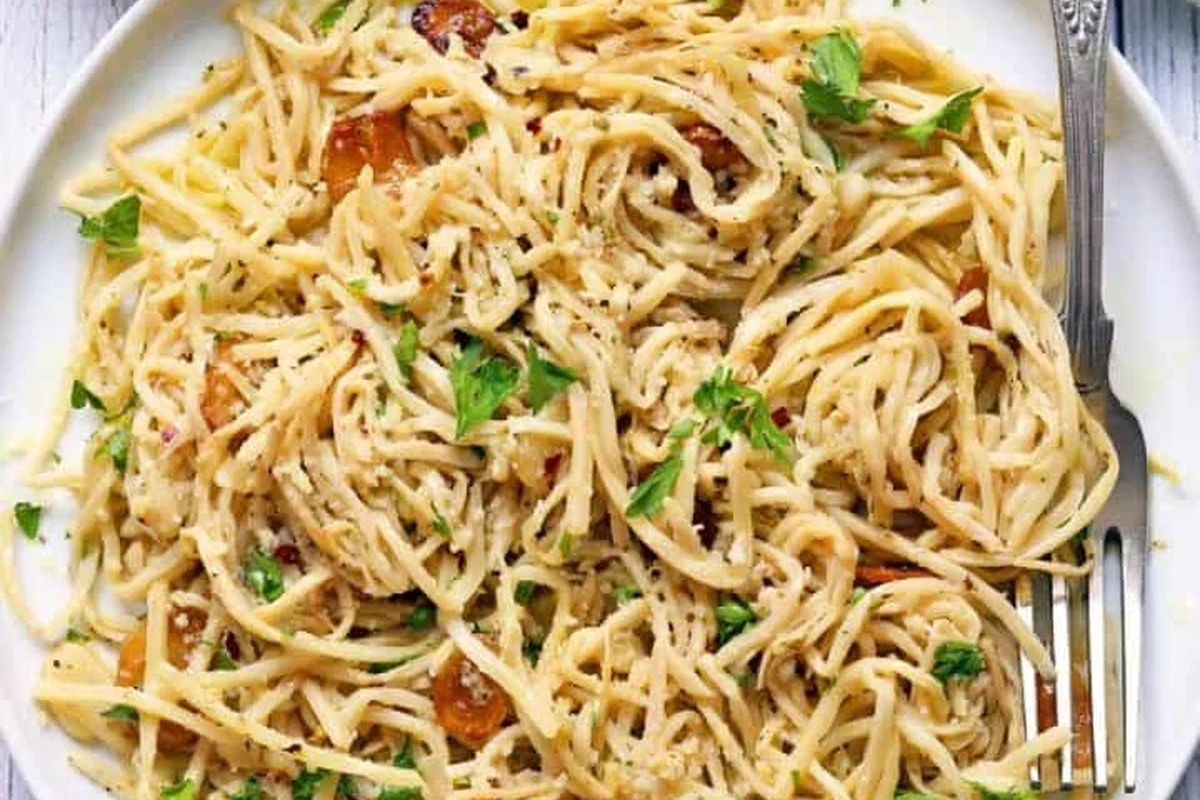
Hearts of palm pasta comes from the inner part of certain palm trees. Makers cut, clean, and shape it into strands, ribbons, or tubes that look like pasta.
It’s often sold in cans, jars, or sealed pouches. Some brands keep it plain. Others add a little salt or citric acid to help with shelf life and taste.
The simple answer and how it is made
The simple answer is this. Hearts of palm pasta is a plant-based pasta substitute made from the soft center of palm stalks.
To make it, producers harvest the hearts of palm, trim the outer layers, and cut the tender core into noodle-like shapes. The final product is usually pre-cooked, so it needs only warming or a quick rinse before use.
Hearts of palm has been used in salads and side dishes for years. Pasta shapes are a newer, more convenient twist.
What it tastes like and how it feels to eat
Hearts of palm pasta tastes mild and a little earthy. It does not taste like wheat pasta, and that matters if you expect a close match.
The texture is tender, slightly crisp when cooked well, and a bit softer than al dente wheat pasta. If you like a clean flavor that lets sauce do the work, it can be a nice fit.
In short: think of it as a light noodle base, not a perfect pasta clone.
Hearts of Palm Pasta Nutrition and Ingredients
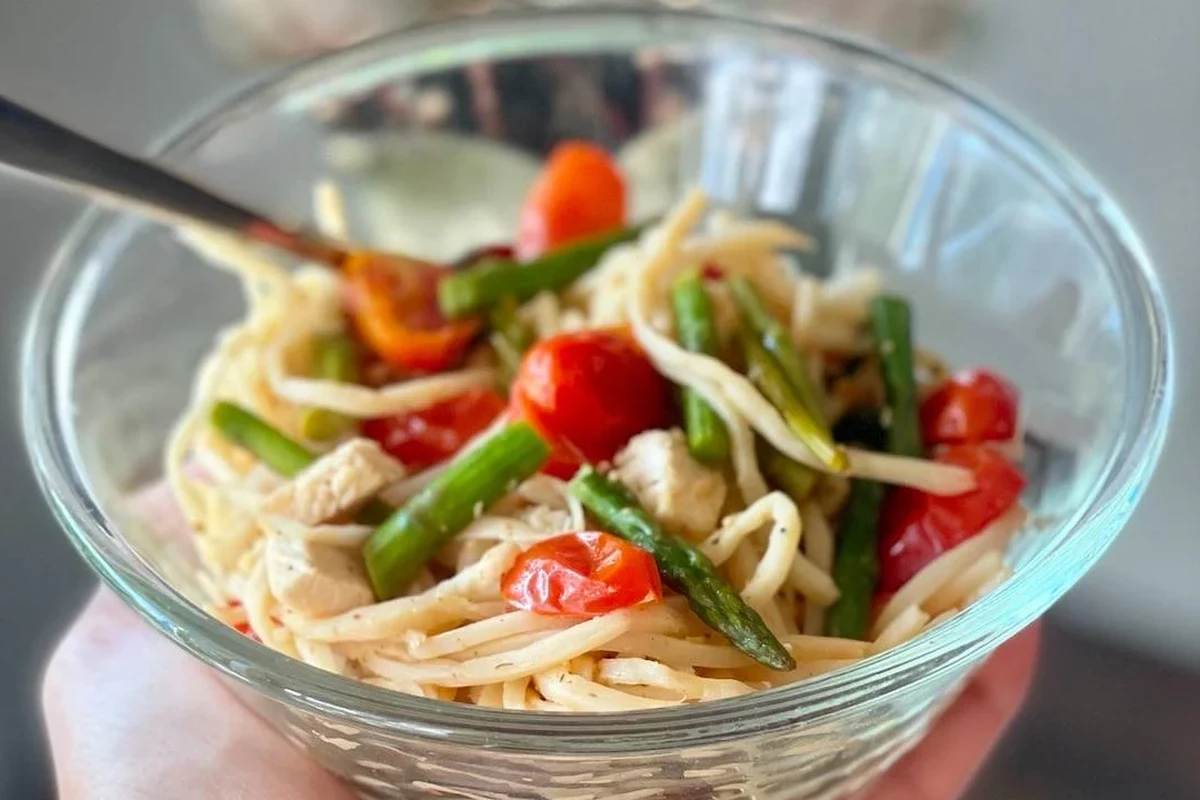
Nutrition can vary by brand, shape, and added ingredients. Always check the label, since sodium and serving size can differ a lot.
Main ingredients to look for on the label
The best labels are short and easy to read. Many products list hearts of palm, water, and salt.
Some also include citric acid or ascorbic acid to help with freshness and color. That’s common and usually not a problem for most shoppers.
- Hearts of palm as the main ingredient
- Short ingredient list
- Lower sodium if you eat it often
- No unwanted fillers or added starches
Calories, carbs, fiber, and sodium basics
Hearts of palm pasta is often lower in calories and carbs than wheat pasta. That is one reason it shows up in low-carb meals.
It also tends to have some fiber, though the amount depends on the brand. Sodium can be the bigger watch item, especially in canned or jarred products.
If you track carbs closely, compare the serving size on each package. One brand may look better simply because the serving is smaller.
Nutrition facts can shift by brand and package style. Use the label on the exact product you plan to buy.
How it compares with wheat and chickpea pasta
Wheat pasta usually gives you more starch and a firmer pasta feel. Chickpea pasta usually brings more protein and more fiber.
Hearts of palm pasta sits in a different lane. It is lighter, lower in carbs, and often softer in texture.
| Option | Best For | Key Consideration |
|---|---|---|
| Hearts of palm pasta | Low-carb and gluten-free meals | Soft texture and lower protein |
| Wheat pasta | Classic pasta dishes | Higher carbs and gluten |
| Chickpea pasta | More filling bowls | Different taste and firmer bite |
Is Hearts of Palm Pasta Healthy?
For many people, it can be a healthy choice. But “healthy” depends on your goals, your diet, and how you serve it.
Best benefits for low carb and gluten free eaters
Hearts of palm pasta works well for people who want fewer carbs. It also fits gluten-free diets, since it does not come from wheat.
It can help you build a lighter meal without giving up the pasta shape. That makes it useful for bowls with lots of vegetables, lean protein, or a rich sauce.
- Lower carb than many traditional pasta options
- Gluten free by nature
- Easy to pair with many sauces
- Good for lighter weeknight meals
Limits to keep in mind before you buy
It is not a perfect swap for every dish. The texture is softer, and the flavor is more neutral than wheat pasta.
It may also cost more than basic dry pasta. For some families, that makes it better as an occasional pantry item than an everyday staple.
Who may want to skip it or eat it less often
If you want a very hearty pasta dish, this may leave you wanting more. People who love chewy noodles often prefer wheat or legume pasta.
It may also be a less ideal pick if you are watching sodium closely. In that case, compare brands and rinse well before cooking.
How to Cook Hearts of Palm Pasta the Right Way
Good cooking matters here. The product is already tender, so the goal is to warm it without making it mushy.
Best cooking methods for good texture
Rinsing and draining are usually the first steps. Many cooks also pat the pasta dry before heating.
You can warm it in a skillet for a short time, toss it into sauce near the end, or serve it cold in some dishes. The best method depends on the brand and the shape.
Remove the packing liquid so the flavor stays clean.
Use a towel or paper towels to reduce extra water.
Warm it just until hot, then add sauce or toppings.
Common mistakes that make it mushy or bland
The biggest mistake is overcooking. Since the pasta starts soft, too much heat can make it fall apart.
Another common issue is skipping seasoning. Hearts of palm pasta needs bold sauce, salt, herbs, or garlic to shine.
- Rinse and dry before cooking
- Use strong sauces and seasonings
- Heat briefly and serve right away
- Boiling it too long
- Using watery sauces
- Expecting a firm wheat-pasta texture
Simple sauce pairings that work well
Rich sauces often work best because they give the pasta more flavor. Tomato sauce, pesto, garlic butter, and creamy sauces are all solid choices.
It also works well in cold pasta salads with olive oil and herbs. For example, a simple bowl with cherry tomatoes, basil, and feta can taste fresh and balanced.
- Add sauce at the end to protect texture
- Use a hot pan, not a long simmer
- Season the sauce more than you would for wheat pasta
Buying Guide: What to Look for in 2026
In 2026, shoppers still see a mix of shelf-stable and chilled options. The best choice depends on how often you use it and how much pantry space you have.
Price, package size, and pantry value
Value is not just about the sticker price. It also depends on how much you get, how many servings you need, and whether you finish the package before it sits too long.
If you cook for one or two people, a smaller package may make more sense. For larger households, a multi-pack can be easier to keep on hand.
Texture, ingredient quality, and brand differences
Brand differences show up in texture, shape, and salt level. Some products are firmer, while others lean softer and more delicate.
Look for a short ingredient list and a shape you’ll actually use. That sounds simple, but it helps avoid waste.
Fresh, shelf-stable, or refrigerated options
Shelf-stable products are the easiest for pantry storage. Refrigerated versions may offer a fresher feel, but they need more careful handling.
Freshness is useful, but convenience matters too. If you want a backup meal option, shelf-stable is usually the safer bet.
Safety, Storage, and Shelf Life
Hearts of palm pasta is simple to store, but you still need to watch package dates and handling. Follow the label for the best results.
How to store opened and unopened packages
Keep unopened shelf-stable packages in a cool, dry place. Avoid heat and direct sun.
After opening, move leftovers to a sealed container and refrigerate them. Use them within the time listed on the package, or sooner if the texture changes.
If a package is swollen, leaking, badly dented, or smells off, do not use it.
Signs the pasta is no longer good
Bad smell, slime, strange color, or sour taste are all warning signs. When in doubt, throw it out.
Texture changes can also matter. If it feels sticky or overly soft after opening, that’s a sign to stop using it.
Cleaning and prep tips before cooking
Give the pasta a good rinse before heating. This removes packing liquid and helps the taste stay clean.
Use a colander and let it drain well. A dry surface helps the sauce cling better.
Rinse, drain, and refrigerate leftovers in a sealed container.
Check smell, color, and package condition before you open it.
Best Uses, Recipe Ideas, and Final Verdict
Hearts of palm pasta works best in meals where sauce and toppings do the heavy lifting. It’s less about mimicking classic pasta and more about giving you a lighter base.
When hearts of palm pasta works best
It shines in quick dinners, low-carb bowls, and gluten-free meals. It also works well when you want lots of vegetables and a smaller pasta feel.
Try it with marinara, creamy mushroom sauce, shrimp, grilled chicken, or roasted vegetables. Those pairings help fill out the meal.
When another pasta may be the better choice
Choose wheat pasta if you want a classic bite and better chew. Choose chickpea pasta if you want more protein and a heartier bowl.
If you need a dish that holds up well for leftovers, another pasta may be more forgiving. Hearts of palm can soften more after sitting.
It gives you a light base that works well with bold sauces.
Wheat or chickpea pasta may fit better.
Final recommendation from the Red Kitchen Project Editorial Team
Hearts of palm pasta is a smart pantry choice if you want a lighter, gluten-free option. It is not the best pick for every pasta dish, but it can be very useful in the right meal.
In short, buy it for convenience, lower carbs, and easy weeknight cooking. Skip it if you want the most classic pasta taste and texture.
Hearts of palm pasta is a good choice for low-carb and gluten-free meals, but it works best with bold sauce and careful cooking. If you want a firmer, more classic pasta bite, wheat or chickpea pasta is still the better pick.
Frequently Asked Questions
It comes from the tender inner part of palm stems. Brands shape it into noodle-like strands or tubes.
No, it has a milder and more earthy taste. The texture is softer than wheat pasta, too.
It can be a healthy choice for many people. It is often lower in carbs and works well in gluten-free meals.
Rinse and drain it first, then warm it briefly. Don’t boil it too long, or it can get mushy.
Bold sauces work best, like marinara, pesto, garlic butter, or creamy sauces. They help cover the mild flavor.
Store it in a sealed container in the fridge. Use it soon and follow the package directions for safety and quality.