Is Pasta Vegan What You Need to Know Before You Eat

Yes, many pastas are vegan, especially plain dry pasta. Fresh, filled, and flavored pasta need a closer label check.
Yes, many kinds of pasta are vegan. Plain dried pasta often uses just flour and water. But some pasta contains egg, milk, or cheese, so the label still matters.
- Plain dry pasta: Often vegan when it uses wheat and water only.
- Fresh pasta: More likely to contain egg, so always read the label.
- Filled pasta: Check the filling for cheese, milk, or meat.
- Best label check: Look for egg, whey, casein, butter, and cheese.
- Safest pick: Simple dried pasta is usually the easiest vegan choice.
Is Pasta Vegan? The Short Answer and the Exceptions
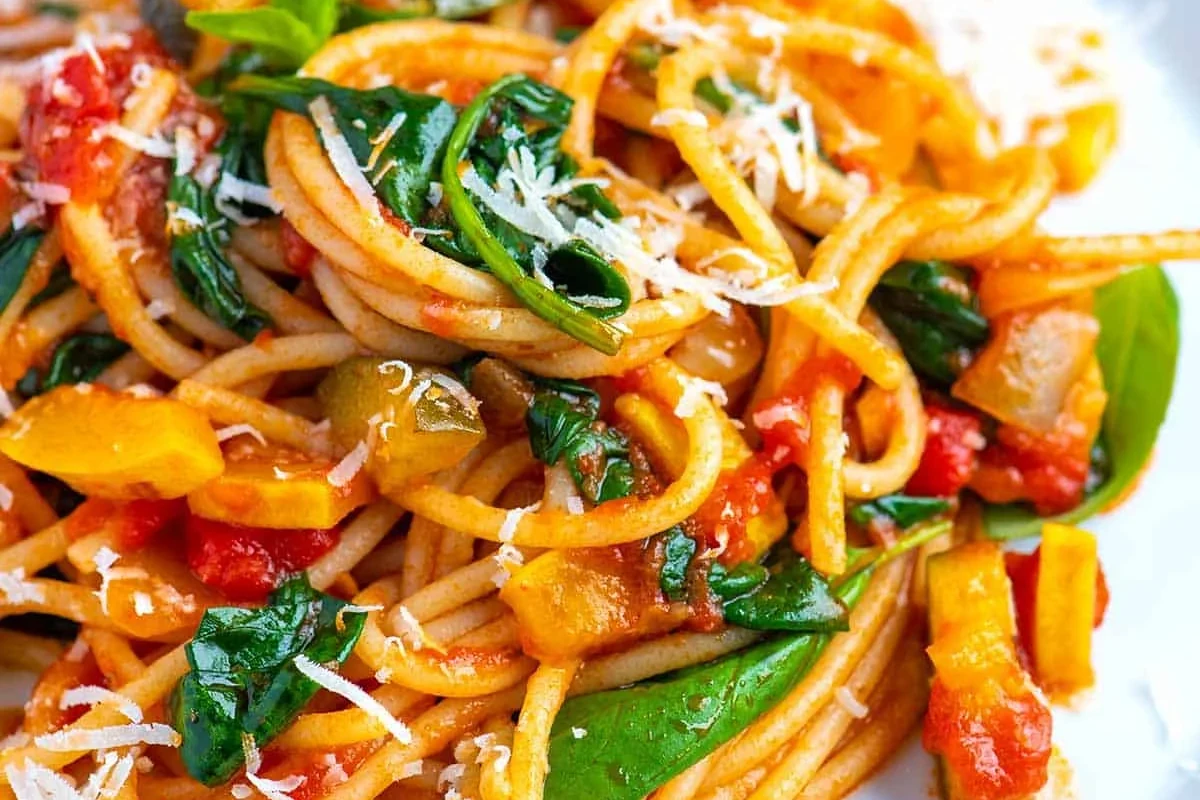
The short answer is yes, often. But not always. If you buy plain pasta, it is usually vegan. If you buy fresh, filled, or flavored pasta, check the package first.
That simple rule saves a lot of guesswork. In a busy kitchen, it helps you shop fast and cook with confidence.
Why most plain pasta is vegan
Most dry pasta starts with wheat flour and water. Some brands also use durum semolina. Those ingredients come from plants, so the pasta fits a vegan diet.
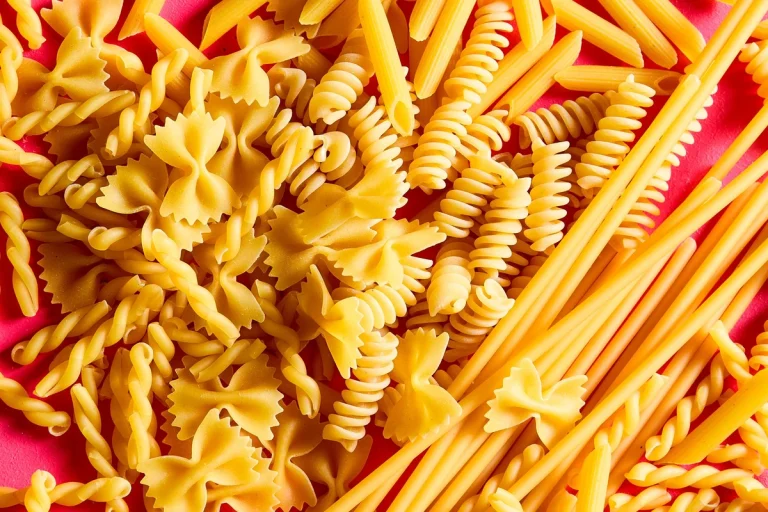
That is why many pantry pastas work well for vegan meals. Spaghetti, penne, rigatoni, and fusilli are often safe choices.
When pasta is not vegan
Pasta stops being vegan when it includes egg, dairy, or other animal-based ingredients. Fresh pasta often uses egg. Some filled pasta also includes cheese, milk, or meat.
Flavored pasta can also be a problem. Spinach pasta, tomato pasta, and black pasta may still be vegan, but not always. The color alone does not tell you enough.
How to read the label fast
Start with the ingredient list. Look for egg, milk, cheese, butter, whey, casein, or honey. If you see any of those, skip it.
If the list is short, that is a good sign. Still, check for allergen statements and flavor notes. Some brands make the same pasta shape in several versions.
Recipes and formulas vary by brand, region, and store line. Always check the exact package you plan to buy.
What Pasta Is Made Of in 2026
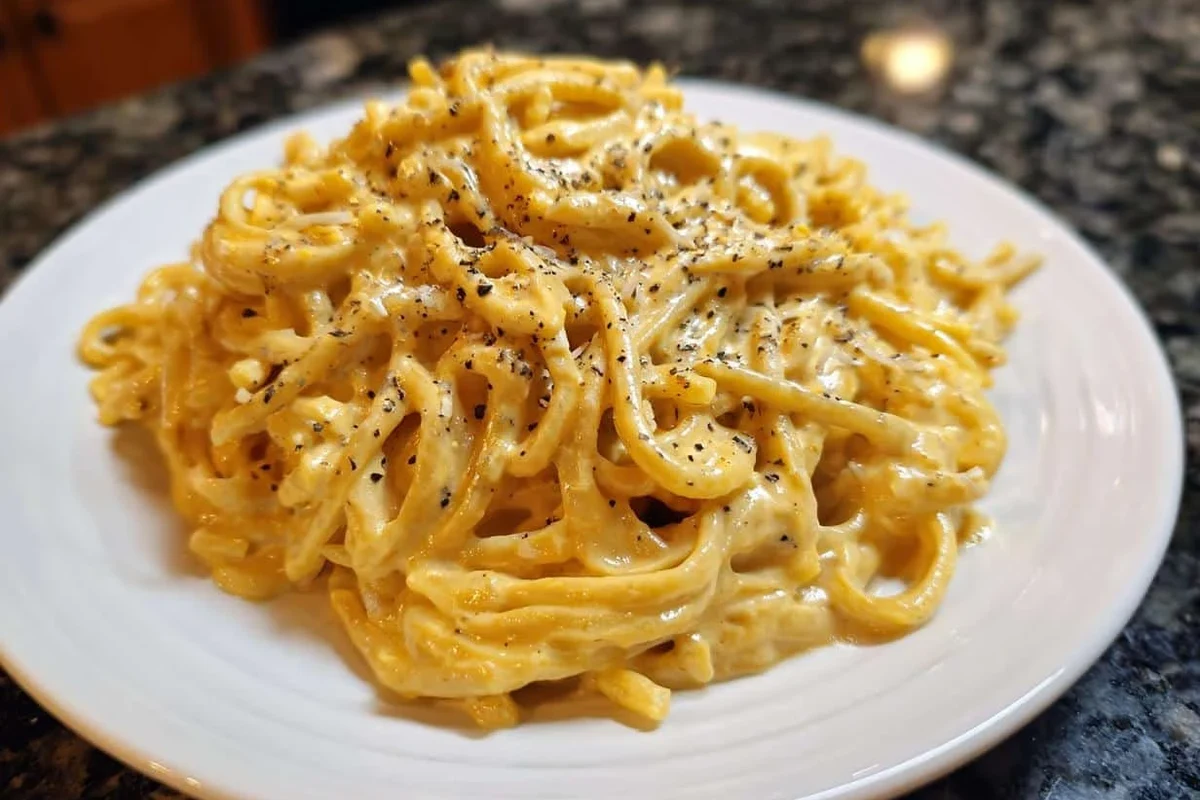
In 2026, pasta still comes in many forms. The base ingredients are simple in most cases. But the final product can change a lot based on style and filling.
That means you cannot judge every pasta by shape alone. You have to look at the ingredients and the type.
Common vegan pasta ingredients
These are the most common plant-based pasta ingredients:
- Durum wheat semolina
- Enriched wheat flour
- Water
- Salt
- Spinach powder or tomato powder for color
These ingredients are common in many dry pastas. They make a simple noodle that works with almost any sauce.
Ingredients that can make pasta non vegan
Some pasta recipes use eggs for richness and texture. Others use milk, cheese, or butter for flavor. Filled pasta may also include ricotta, parmesan, or meat.
Watch for less obvious animal ingredients too. Whey and casein come from milk. Some pasta doughs and fillings use them for taste or texture.
Fresh pasta vs dried pasta
Dried pasta is more likely to be vegan. It usually has a short ingredient list. Fresh pasta often uses eggs, which makes it less likely to fit a vegan diet.
Fresh pasta can still be vegan, but you need to check each package. Homemade fresh pasta is different too. The recipe decides whether it stays plant based.
Many traditional Italian pasta shapes are made without egg. Egg is more common in some fresh styles than in dry pasta.
Types of Pasta and Their Vegan Status
Different pasta types follow different rules. Some are easy yes answers. Others need a careful label check.
Dry pasta from the store
Dry pasta from the store is often the easiest vegan pick. Many basic shapes use only wheat and water. That includes everyday pantry staples like spaghetti and macaroni.
Still, do not assume every box is safe. Some premium or specialty dry pastas include egg. A quick scan takes only a few seconds.
Fresh pasta and refrigerated pasta
Fresh pasta and refrigerated pasta are more likely to contain egg. They may also include dairy or other rich ingredients. That gives them a softer texture and richer taste.
If you want vegan fresh pasta, look for a package that says it clearly. Otherwise, check the ingredient list line by line.
Filled pasta like ravioli and tortellini
Filled pasta needs the most care. The outer dough may be vegan, but the filling often is not. Cheese, cream, and meat show up often in these products.
Even vegetable fillings can hide dairy. A spinach ravioli may still contain ricotta or parmesan. So the filling matters as much as the pasta shell.
Gluten free and legume pasta options
Gluten free pasta can be vegan, but it depends on the recipe. Many use rice, corn, lentils, chickpeas, or quinoa. Those are plant based ingredients.
Legume pasta is a smart choice for many vegan cooks. It can add more protein and fiber than standard wheat pasta. But again, check for egg or dairy in flavored blends.
How to Spot Vegan Pasta Fast
Use a simple label check so you can shop with less stress and fewer surprises.
How to Check If Pasta Is Vegan Before You Buy
You do not need a long label lesson. You just need a fast system. Look at the ingredient list, then scan for animal-based add-ins.
Ingredient labels to look for
Choose pasta with short, plain ingredient lists. Wheat flour, semolina, and water are the most common vegan signs. Salt and plant powders are usually fine too.
If the package says “egg pasta,” it is not vegan. If it says “fresh egg pasta,” that is also a clear no.
Hidden animal ingredients to watch for
Some ingredients are easy to miss. Look for whey, casein, lactose, milk solids, butter, cheese powder, and egg powder. These all point to animal ingredients.
Also check for flavor blends and stuffing ingredients. A pasta shell may look plain while the filling is not. That is where many shoppers get fooled.
What certified vegan labels mean
A certified vegan label can make shopping easier. It usually means the brand followed a vegan standard. That can save time when you shop often.
Even so, it is smart to glance at the ingredients. Labels can change, and product lines can vary by market. When in doubt, the package wins over the front-of-box claim.
If you have an egg or dairy allergy, check the full label every time. Vegan and allergy-safe are not always the same thing.
Benefits of Choosing Vegan Pasta
Vegan pasta is not just for strict vegans. It can be a simple, flexible, low-fuss pantry food. That makes it useful for many home cooks.
Simple pantry use and easy meals
Plain vegan pasta stores well and cooks fast. That makes it a great backup meal on busy nights. You can keep a few shapes on hand and build dinner around them.
It also works well for meal planning. A box of pasta can become lunch, dinner, or a side dish with very little effort.
Works with many sauces and toppings
Vegan pasta pairs with a wide range of sauces. Tomato sauce, olive oil, garlic, pesto without cheese, and bean-based sauces all work well.
You can also change the meal with simple toppings. Roasted vegetables, herbs, olives, and toasted nuts all add flavor and texture.
Fits plant based eating goals
For people cutting back on animal foods, vegan pasta makes the switch easier. You do not have to give up comfort food. You just choose the right box.
It also helps if you cook for a mixed group. One vegan pasta dish can please many people at the same table.
- Easy to keep in the pantry
- Works with many sauces and add-ins
- Often simple to identify on the label
Common Mistakes People Make With Pasta Labels
Most pasta mistakes come from assuming too much. The box may look plain, but the ingredients tell the real story.
Assuming all pasta is vegan
This is the biggest mistake. Many people think every pasta shape is plant based. That is not true.
Dry pasta is often vegan, but not always. Fresh and filled pasta need more care. Always check the exact product.
Missing egg in fresh pasta
Egg is common in fresh pasta. It helps with color, taste, and texture. That makes fresh pasta a frequent problem for vegan shoppers.
If you buy from a deli case or refrigerated section, read the label closely. Do not rely on the look or color alone.
Forgetting about cheese or milk in fillings
Cheese and milk hide in many pasta fillings. Ravioli, tortellini, and stuffed shells are the main examples. Even vegetable fillings can include dairy.
That is why filled pasta deserves a second check. The filling matters just as much as the dough.
- Check the ingredient list, not just the front label.
- Look for egg in fresh pasta first.
- Watch filled pasta closely for cheese or milk.
How to Cook and Serve Vegan Pasta the Right Way
Cooking vegan pasta is simple. The main trick is to build flavor with the sauce, not with dairy or egg.
Best sauces for vegan pasta
Tomato sauce is the easiest choice. Olive oil, garlic, chili flakes, and herbs also work well. For a richer meal, try a blended cashew sauce or white bean sauce.
If you buy jarred sauce, check the label too. Some sauces include cheese or cream. A vegan pasta can still turn non vegan if the sauce is not safe.
Easy protein and vegetable add ins
Veggies make vegan pasta feel complete. Broccoli, zucchini, mushrooms, peas, and spinach all cook well with pasta.
For more protein, add chickpeas, lentils, tofu, or white beans. These simple add-ins help turn pasta into a full meal.
Simple swaps for non vegan meals
It is easy to make a familiar dish vegan. Use olive oil instead of butter. Use plant-based cheese only if you like the taste and texture.
You can also swap cream sauces for blended vegetables or beans. That keeps the meal rich without using dairy.
Save a few vegan pasta shapes in your pantry. That way, you always have a fast meal base ready.
Final Verdict: Which Pasta Choices Are Safest for Vegan Eaters
The safest everyday choice is plain dry pasta with a short ingredient list. Think wheat flour, semolina, and water. That is usually the easiest vegan pick.
Fresh pasta, filled pasta, and specialty pasta need more attention. They are still possible vegan options, but the label matters more.
Best everyday picks
Choose plain spaghetti, penne, rigatoni, or other dry shapes with simple ingredients. These are the most reliable options for most vegan kitchens.
If you want extra protein, legume pasta can be a smart swap. Just make sure the flavor blend stays plant based.
When to double check the package
Double check every time you buy fresh pasta, filled pasta, or flavored pasta. Also check again if the brand changes the recipe. That happens more often than people expect.
If the package is unclear, look for a certified vegan label or choose a simpler product. When the label is messy, the safest answer is to pass.
Practical recommendation from Red Kitchen Project
For most shoppers, the best approach is simple. Buy plain dry pasta for the easiest vegan option. Then keep a few sauce and topping ideas ready so dinner stays easy.
In short, yes, pasta can be vegan. But the safest choice is to read the label every time, especially with fresh or filled pasta.
Plain dry pasta is usually the safest vegan pick, while fresh and filled pasta deserve a careful label check. If you want the least risk, choose simple dried pasta and verify sauces and fillings before you cook.
Frequently Asked Questions
Yes, plain dry pasta is often vegan because it usually contains wheat and water. Still, you should check the label because some brands add egg.
Fresh pasta, refrigerated pasta, and filled pasta are the most likely to contain egg, milk, cheese, or meat. Flavored pasta can also include non vegan ingredients.
Scan the ingredient list for egg, milk, cheese, butter, whey, casein, or honey. If you see any of those, the pasta is not vegan.
Many gluten free pastas are vegan because they use rice, corn, lentils, or chickpeas. But you still need to check for egg or dairy in the recipe.
A certified vegan label can make shopping easier because it signals a vegan standard was used. Even so, it is smart to read the ingredient list too.
The safest choice is plain dry pasta with a short ingredient list. Look for wheat flour, semolina, and water, and avoid fresh or filled pasta unless the label clearly says vegan.