How Much Vanilla Bean Paste to Use Instead of Extract

Use vanilla bean paste in the same amount as vanilla extract in most recipes. If the dish is delicate, use a little less; if it is bold, a small boost can work.
If a recipe calls for vanilla extract, use the same amount of vanilla bean paste in most cases. The swap is usually one to one, but the paste can taste a bit stronger and adds vanilla specks.
- Best starting point: Use a 1:1 swap for most recipes.
- Flavor difference: Paste often tastes richer and looks more decorative.
- Recipe fit: Use less in delicate creams and pale desserts.
- Shopping tip: Check ingredients because brands vary a lot.
How Much Vanilla Bean Paste to Use Instead of Extract
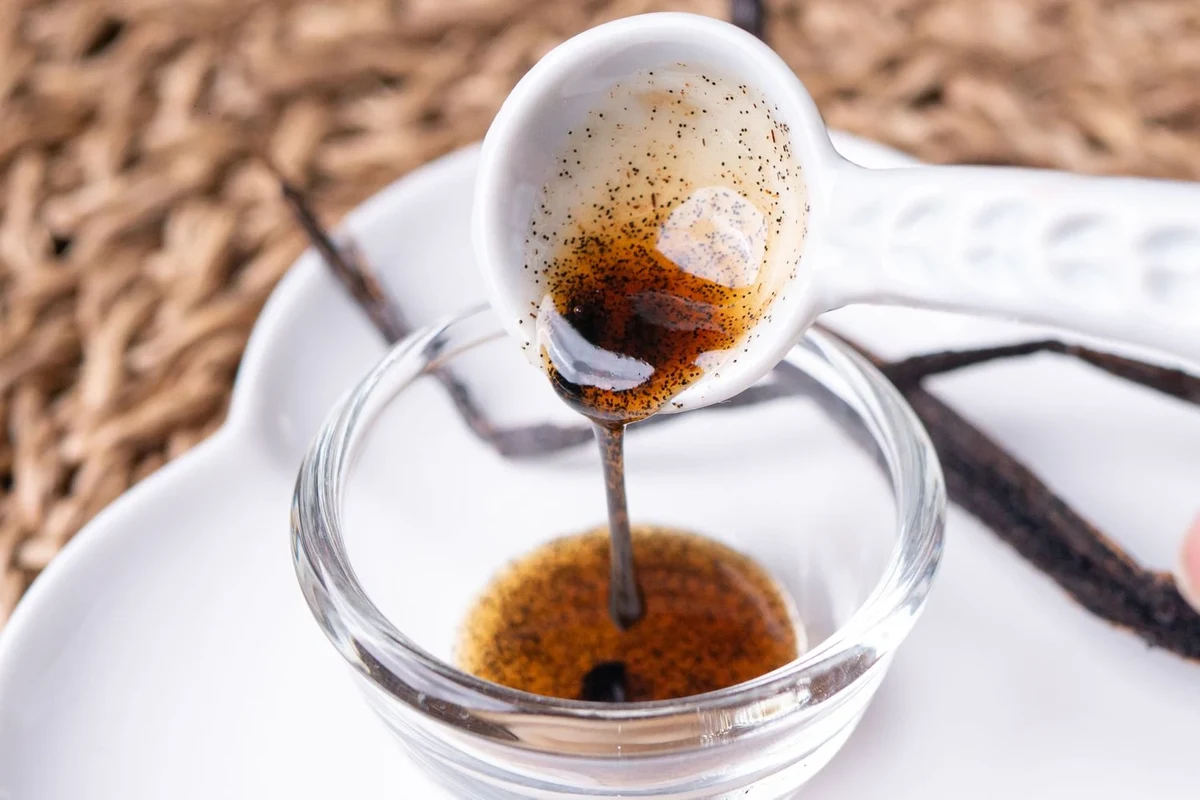
The simple rule is easy. Use 1 teaspoon of vanilla bean paste for 1 teaspoon of vanilla extract.
That works well in most baking and dessert recipes. Still, the best amount can change based on the dish, the brand, and how bold you want the flavor.
The quick answer for most recipes
For cakes, cookies, custards, and sauces, start with a 1:1 swap. If a recipe needs 2 teaspoons of extract, use 2 teaspoons of paste.
This is the safest place to begin because it keeps the recipe balanced. You can always add a little more next time if you want a deeper vanilla taste.
When you’re unsure, start with the same amount as extract. Then taste the batter or filling if the recipe allows it.
Why the swap is not always one to one
Vanilla bean paste is not just extract with a new name. It often has vanilla seeds and a thicker base, so it can feel richer.
Some brands also use sugar, syrup, or thickeners. That can change both the taste and the texture a little.
Brand formulas vary. Always check the label if you want a very clean vanilla flavor or a sweeter paste.
When you may need a little more or less
Use a little more paste if the recipe has strong flavors. Chocolate, coffee, and spice batters can handle a bolder vanilla note.
Use a little less in delicate dishes. Light custards, whipped cream, and pale frostings can show the specks and stronger flavor fast.
What Vanilla Bean Paste Is and How It Works
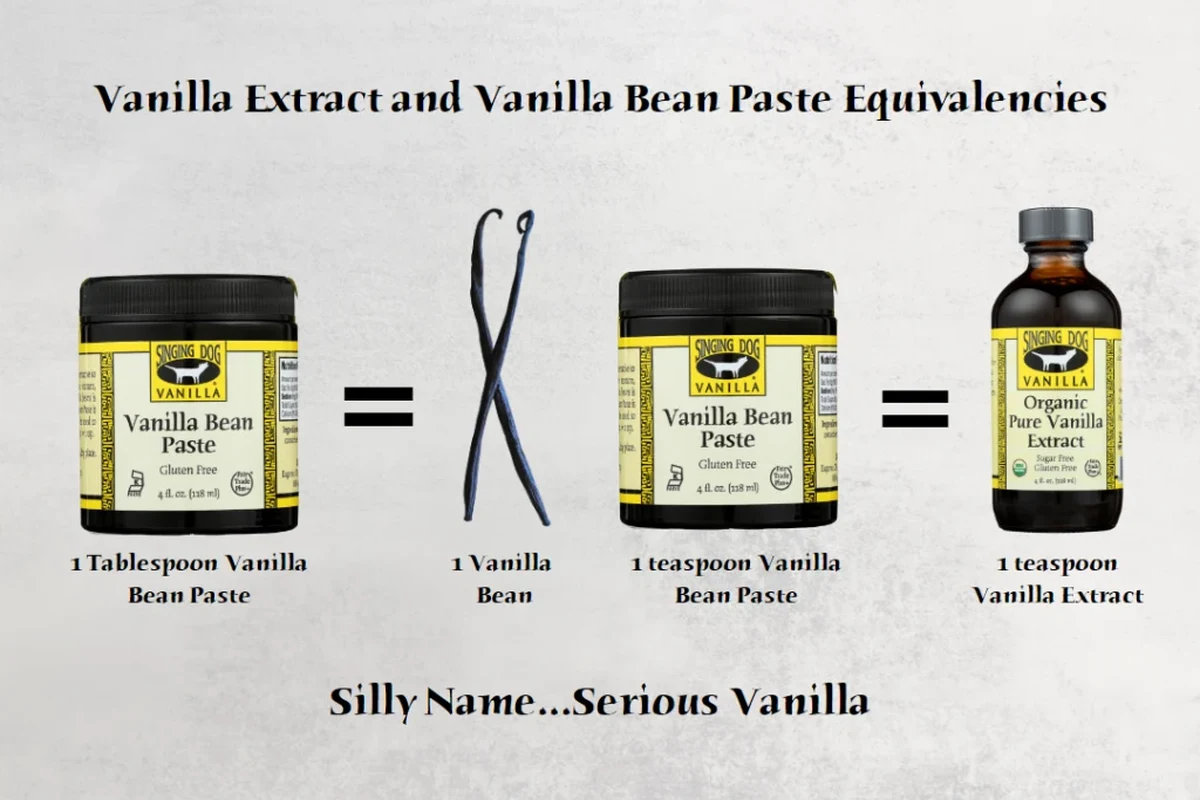
Vanilla bean paste is a thick vanilla product made to give you flavor and visible vanilla seeds. It sits between extract and whole beans in both price and style.
For home cooks, that makes it a handy middle option. You get a more fancy look than extract, but you skip the work of scraping beans.
What’s in vanilla bean paste
Most vanilla bean pastes contain vanilla extract, ground vanilla bean, and a thickener. Some also include sugar or syrup.
That mix gives the paste its dark look and speckled finish. It also helps the flavor cling well in batters and fillings.
Those tiny black specks come from vanilla seeds or ground bean, not from added color.
How it differs from vanilla extract
Vanilla extract is thin and liquid. It blends in fast and adds flavor without changing the look much.
Vanilla bean paste is thicker and often more visible. It can add a fuller vanilla note and a more polished look.
Best when you want simple flavor and no visible specks.
Best when you want flavor plus a more decorative finish.
How the flavor and specks change a recipe
The specks can make custards, ice cream, and frosting look more rich. That can be a plus when presentation matters.
However, the specks can also stand out in very smooth or pale recipes. If you want a clean look, extract may be the better fit.
Vanilla Bean Paste vs Extract: Best Swap Ratios
For most cooks, the best swap ratio is simple. Use equal amounts, then adjust later if needed.
Still, a few recipe types benefit from a slight change. The right call depends on how strong you want the vanilla to be.
Use the standard conversion in baking
In cookies, muffins, cakes, and quick breads, use the same amount of paste as extract. This keeps the recipe formula steady.
If the recipe uses only a small amount of vanilla, the swap is usually easy. The difference will be subtle, not dramatic.
When strong vanilla flavor calls for a small boost
Some desserts benefit from a little extra paste. This can help when the recipe has lots of cocoa, nuts, or spice.
A small boost means adding only a little more, not doubling it. Too much can make the dish taste heavy or sweet.
When delicate recipes need a lighter hand
Use a lighter hand in whipped cream, panna cotta, and light custards. These recipes can show paste specks more clearly.
If you want a gentle vanilla taste, use slightly less paste than extract. You can also mix paste and extract for a softer look.
| Option | Best For | Key Consideration |
|---|---|---|
| 1:1 swap | Most baking and desserts | Best starting point for home cooks |
| Slight boost | Bold chocolate or spice recipes | Use only a small extra amount |
| Slight reduction | Delicate creams and pale fillings | Helps keep flavor and look light |
When to Use Vanilla Bean Paste in Pasta and Dessert Recipes
Even though this article sits in a pasta blog, vanilla bean paste can still help in sweet pasta dishes. It also shines in dessert recipes that use pasta shapes or dough.
Think stuffed pasta desserts, sweet noodle bakes, and cream-based treats. The paste adds flavor and a nice visual touch.
Sweet pasta dough and filled pasta treats
Sweet ravioli, dessert tortellini, and similar treats can use vanilla bean paste well. It blends into dough or filling and gives a warm vanilla note.
Use the same amount you would use for extract. If the filling already has sugar and dairy, keep the vanilla balanced.
- Mix paste into wet ingredients for even flavor.
- Check sweetness before adding extra paste.
- Watch the color if you want a pale filling.
Cream sauces, custards, and baked desserts
Vanilla bean paste works well in pastry cream, baked custards, rice pudding, and cheesecake batter. It gives a richer look than extract.
In these recipes, the 1:1 swap still works well. For a stronger finish, add a touch more only after you know the base flavor.
Recipes where extract still works better
Use extract when the recipe needs a clear, simple vanilla note. It’s often the better choice for light-colored sauces and budget-friendly baking.
Extract also blends in more smoothly when you do not want visible specks. That matters in some frostings, glazes, and white cakes.
Choosing the Right Vanilla for the Recipe
The best choice depends on flavor, look, and how much you want to spend on ingredients.
What to Look for Before You Buy Vanilla Bean Paste
Not all vanilla bean pastes taste the same. The label can tell you a lot about quality and how the paste will behave in recipes.
If you bake often, it helps to compare ingredients and bottle size before you buy.
Ingredients that affect taste and quality
Look for a clear vanilla base and real vanilla bean content. Some pastes use more sugar or thickener than others.
A simpler ingredient list often gives a cleaner vanilla taste. Still, the best product depends on how you plan to use it.
Texture, seed count, and vanilla strength
A thicker paste may cling better to batters and fillings. A looser paste may pour more easily, which some cooks prefer.
More visible seeds usually mean a more decorative look. But seed count alone does not guarantee stronger flavor.
- Check the ingredient list for added sugar or syrup
- Compare bottle size with how often you bake
- Look for a texture that matches your recipes
- Read the label for storage and use notes
Price, bottle size, and value for home cooks
Vanilla bean paste often costs more than extract. That’s normal because it usually includes more bean material and a thicker formula.
For many home cooks, the value comes from the look and flavor. If you only bake once in a while, extract may be the smarter buy.
Common Mistakes When Swapping Vanilla Bean Paste for Extract
The swap is easy, but a few mistakes can throw off a recipe. Most of them come from using too much or forgetting the paste changes the look.
A little care goes a long way here.
Using too much and overpowering the dish
Vanilla bean paste can taste richer than extract. If you add too much, it can cover up other flavors.
Stick close to the recipe amount first. Then adjust only if the dish really needs more vanilla.
The vanilla flavor takes over the whole dish.
Use the same amount as extract first, then taste and adjust in small steps.
Forgetting the paste adds visible vanilla specks
Those specks can be lovely in ice cream or custard. They can also look odd in a smooth, bright-white frosting.
If the look matters, test a small amount first. That saves you from a finish you don’t want.
Not adjusting for color or sweetness
Some pastes darken the batter a little. Others add a touch of sweetness that extract does not.
That matters most in pale cakes, whipped cream, and delicate fillings. Keep that in mind before you pour in extra paste.
Safety, Storage, and Kitchen Care Tips
Vanilla bean paste is simple to use, but it still needs basic care. Good storage helps keep flavor strong and the texture smooth.
Clean tools also matter, especially if you bake often.
How to store vanilla bean paste for best quality
Store the bottle in a cool, dry place. Keep the cap closed tightly after each use.
Avoid heat and direct sun. Those conditions can hurt flavor over time.
How long it lasts and when to replace it
Check the label for shelf life guidance. The exact timing can vary by brand and ingredients.
If the paste smells flat, looks very dry, or changes a lot in texture, it may be time to replace it.
Do not use any ingredient that shows mold, strange odor, or clear spoilage. When in doubt, throw it out.
How to keep bottles and spoons clean
Use a clean spoon each time you scoop paste. This helps keep the bottle free from crumbs and moisture.
Wipe the cap and neck if paste builds up there. That small habit makes the bottle easier to open later.
Wipe the rim and close the cap tightly.
Check texture, smell, and the bottle for clumps or leaks.
Final Recommendation: When Vanilla Bean Paste Is Worth It
Vanilla bean paste is worth it when you want a richer vanilla look and a more polished finish. It shines in desserts where the specks matter as much as the taste.
If you bake often, it can be a nice upgrade for custards, frostings, and special treats.
Best use cases for home cooks
Choose paste for recipes where presentation matters. It’s a strong pick for ice cream, pastry cream, cheesecake, and dessert fillings.
It also works well when you want a vanilla flavor that feels a little more special.
When extract is the smarter choice
Pick extract when you want a simple, low-fuss ingredient. It’s usually the better choice for everyday baking and very pale recipes.
It also makes sense if you want to save money or avoid visible specks.
Clear bottom line for everyday cooking
For most recipes, use vanilla bean paste in the same amount as extract. That 1:1 swap is the best place to start.
If the recipe is delicate, use a little less. If the flavor is bold and you want more vanilla presence, add only a small boost.
Use vanilla bean paste one to one instead of extract in most recipes. Choose extract for a cleaner look and lower cost, and choose paste when you want richer flavor and visible vanilla specks.
Frequently Asked Questions
Yes, in most recipes you can use the same amount. Start with a 1:1 swap, then adjust if the flavor or look needs a change.
It often tastes a little richer or more full. Brand formulas vary, so the strength can differ from one paste to another.
Yes, it can add visible specks and a slightly darker color. That can look great in custards and frostings, but it may not suit pale recipes.
Use less in delicate recipes like whipped cream, light custards, or pale frostings. Those dishes can show the specks and stronger flavor more easily.
Neither is always better. Paste is great for flavor and appearance, while extract is better for simple, clean, everyday baking.
Keep it in a cool, dry place with the cap closed tightly. Use a clean spoon so moisture and crumbs do not get into the bottle.