How Much Dry Pasta Is 1 Cup Cooked Easy Guide

About 2 ounces of dry pasta usually makes 1 cup cooked. The exact amount changes by pasta shape, so a kitchen scale gives the best accuracy.
If you’re asking how much dry pasta is 1 cup cooked, the short answer is usually about 2 ounces of dry pasta. That equals roughly 1 cup cooked for many shapes, but the exact amount changes by pasta type and how long you cook it.
- Best rule: 2 ounces dry pasta usually equals about 1 cup cooked.
- Most accurate method: Weigh pasta before cooking for steady portions.
- Shape matters: Long and small pasta types can measure differently.
- Easy habit: Measure dry pasta first, then cook and drain it the same way.
How Much Dry Pasta Is 1 Cup Cooked
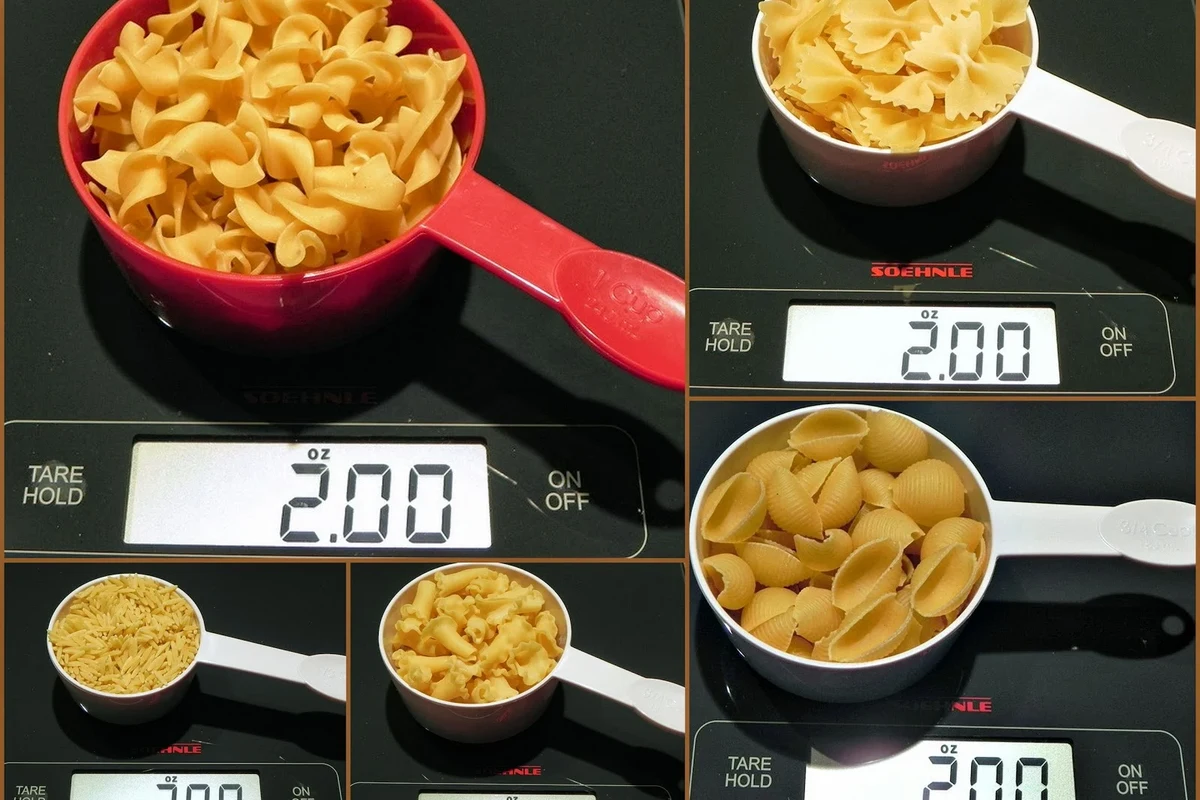
For most standard pasta shapes, 2 ounces dry makes close to 1 cup cooked. That is a useful home-cooking rule, but it is not perfect for every shape.
Quick answer for common pasta shapes
Long pasta, like spaghetti, often needs a little more care. Short pasta, like penne or macaroni, usually follows the 2-ounce rule more closely.
How much dry pasta do I need for 1 cup cooked?
Start with about 2 ounces of dry pasta. For many shapes, that gives you close to 1 cup cooked pasta.
Here’s a simple way to think about it.
- 2 ounces dry pasta often becomes about 1 cup cooked.
- 1 cup dry pasta usually makes about 2 cups cooked.
- Thin pasta can cook up a bit more loosely.
- Small shapes can pack into a cup more tightly.
In short: 2 ounces dry is the best starting point for 1 cup cooked.
Why the amount changes by pasta type
Pasta shapes do not all absorb water the same way. Their size, thickness, and surface area all matter.
Thicker pasta often keeps more bite and may not expand as much by volume. Tiny shapes can settle into a measuring cup more tightly after cooking.
Cooking time, water amount, and draining style can all change the final cup size.
That’s why a cup of cooked pasta is best seen as a guide, not a perfect lab measure. For meal planning, that’s usually enough.
How Pasta Swells During Cooking
Dry pasta changes a lot once it hits boiling water. It absorbs water, softens, and grows in both weight and size.
What happens when dry pasta absorbs water
As pasta cooks, starch and water work together. The pasta gets heavier because it takes in liquid.
That means a small amount of dry pasta can look like a much bigger bowl once it’s done. This is why dry and cooked measurements do not match one to one.
Pasta usually weighs more after cooking because it absorbs water, not because it grows new food mass.
Why shape and size affect the final cup
Shape changes how pasta settles in a cup. Long noodles leave more air space, while small shapes can fill gaps more tightly.
For example, a cup of cooked elbows may look denser than a cup of cooked spaghetti. Both may start from similar dry amounts, but they don’t always look the same in the bowl.
- Measure dry pasta before cooking for the most repeatable results.
- Use the same shape each time when tracking portions.
- Drain pasta the same way each time to reduce variation.
Dry Pasta to Cooked Pasta Conversion Chart
This chart gives you a practical starting point. Use it as a home guide, not a strict rule.
Spaghetti, penne, macaroni, and other common shapes
| Dry Pasta | Cooked Pasta | Best Use |
|---|---|---|
| 2 ounces | About 1 cup | One serving for many meals |
| 1 cup | About 2 cups | Family side dish or larger plate |
| 4 ounces | About 2 cups | Two servings |
| 8 ounces | About 4 cups | Small family meal |
These numbers work best for common dried pasta shapes. Fresh pasta, filled pasta, and very thick shapes can behave differently.
Always check package directions for specialty pasta. Some shapes need different cooking times and give different yields.
How to measure by weight for better accuracy
A kitchen scale gives you the cleanest result. Weight is more reliable than cups because pasta shapes vary so much.
If a recipe says 2 ounces dry, weigh out 2 ounces. That keeps portions steady, especially when you cook pasta often.
Best Ways to Measure Pasta at Home
There are a few easy ways to measure pasta. The best one depends on how exact you want to be.
Using cups, a kitchen scale, or pasta tools
Cups work fine for quick meals. A scale works better when you want repeatable portions.
Fast and easy, but less exact for mixed shapes.
Best for steady portions and recipe accuracy.
Helpful for spaghetti and other long noodles.
Pasta tools can help with long shapes, but they still depend on the brand and hole size. A scale avoids that guesswork.
Which method works best for everyday cooking
For most home cooks, I’d pick a scale for accuracy and cups for speed. If you cook the same pasta often, you may learn the eye test over time.
Still, the scale wins when portions matter. It helps with meal prep, budget cooking, and recipe follow-through.
Common Mistakes When Measuring Pasta
Most pasta mistakes happen before the pot even gets hot. A little care here saves waste later.
Overpacking the cup or guessing portion size
If you press pasta into a cup, you can overmeasure it. That leads to too much food and uneven recipe results.
Guessing can also go wrong. A “small handful” may be fine one day and huge the next.
- Level dry pasta loosely in the cup.
- Use a scale when you need exact portions.
- Pressing pasta down into the cup.
- Relying on guesswork for every meal.
Using the wrong shape as a guide
Do not assume all pasta shapes behave the same. A cup of penne is not the same as a cup of farfalle or spaghetti.
If you want repeatable results, stick with one shape when you learn your portion size. That makes future cooking much easier.
How Much Pasta to Cook for Real Meals
The right amount depends on who you’re feeding and what else is on the plate. Pasta can be a main dish or a side.
Single servings, family dinners, and meal prep
For one adult serving, 2 ounces dry is a common starting point. For a side dish, you may want less.
For family dinners, plan extra if you have hungry kids or a sauce-heavy dish. Leftovers can be useful, but too much pasta can dry out later.
Best for one person or a light meal.
Best for shared dinners and leftovers.
How to adjust for sauces, soups, and baked dishes
Heavy sauces usually need a little more pasta. Soups and casseroles may need less, since pasta shares space with other ingredients.
In baked dishes, pasta often keeps cooking in the oven. That means you may want to cook it slightly less on the stove.
Recipe style matters. A creamy pasta bake, a brothy soup, and a simple marinara bowl all need different amounts.
Tips for Better Pasta Results Every Time
Good measuring helps, but cooking and draining habits matter too. Small changes can affect the final texture and volume.
Cooking, draining, and storing pasta the right way
Use plenty of water so the pasta moves freely. Stir early so noodles do not stick together.
Drain it when it’s done, then toss it with sauce soon after. If you wait too long, it can clump and feel dry.
Drain the pasta well and clean the pot soon after it cools.
Check your measuring cups and scale for wear or stuck residue.
When to measure before cooking and when to measure after
Measure before cooking when you want the most control. That works best for recipes, portions, and meal prep.
Measure after cooking only when you need a serving size for a plated meal. Even then, expect some variation from shape to shape.
Use care around boiling water and steam. Keep hands and tools away from hot pots and strainers.
Final Recommendation for Easy Pasta Measuring
If you want the simplest rule, remember this: 2 ounces of dry pasta usually makes about 1 cup cooked. That’s the easiest starting point for most everyday meals.
Simple rule to remember for home cooking
Use 2 ounces dry for one cup cooked, then adjust by shape and recipe. If the pasta is long, thin, or specialty shaped, expect some change.
For example, if you cook spaghetti for dinner twice a week, weigh it once or twice. After that, you’ll know what your usual serving looks like.
Best approach for accuracy, speed, and less waste
For accuracy, use a kitchen scale. For speed, use a loose cup measure and the 2-ounce rule.
That balance gives you good results without extra fuss. It also helps cut waste, which is always a win in a busy kitchen.
The best all-around method is to weigh 2 ounces of dry pasta for about 1 cup cooked. If you cook by eye, use the cup rule as a guide and adjust for shape, sauce, and serving size.
- 2 ounces dry pasta usually makes about 1 cup cooked.
- Shape changes the final volume, so results can vary.
- A kitchen scale gives the most accurate portion size.
- Measure dry pasta before cooking for the best control.
Frequently Asked Questions
About 2 ounces of dry pasta usually makes close to 1 cup cooked. The exact amount can change by shape and cooking time.
No, pasta shape and thickness change how much it grows. Long noodles, small shapes, and thick pasta can all give different results.
Yes, a scale gives more accurate portions because pasta shapes vary so much. Cups are still fine for quick everyday cooking.
A common starting point is 2 ounces dry per person for a main dish. You can use less for a side dish or more for a big meal.
Pasta absorbs water as it cooks, so it weighs more and takes up more space. The final volume also depends on how well it drains.
Measure before cooking when you want the most control over portions. Measure after cooking only when a recipe or serving size calls for it.