Can You Cook Pasta in a Rice Cooker Easy Guide

Yes, you can cook pasta in a rice cooker, especially short shapes and small batches. It works best when you watch the water level, stir once or twice, and check doneness early.
Yes, you can cook pasta in a rice cooker. It works best for simple pasta dishes, small to medium batches, and busy nights when you want less mess.
Can you cook pasta in a rice cooker without making a mess?
Usually, yes. The key is using enough water, stirring once or twice, and watching for boil overs.
- Best shapes: Short pasta cooks more evenly than long noodles.
- Main risk: Too little water can cause sticking and scorch marks.
- Best use: Small, simple meals with low cleanup.
- Safety first: Watch for boil overs and handle steam carefully.
- Cleanup matters: Wash starch residue soon to protect the pot.
Can You Cook Pasta in a Rice Cooker? The Short Answer
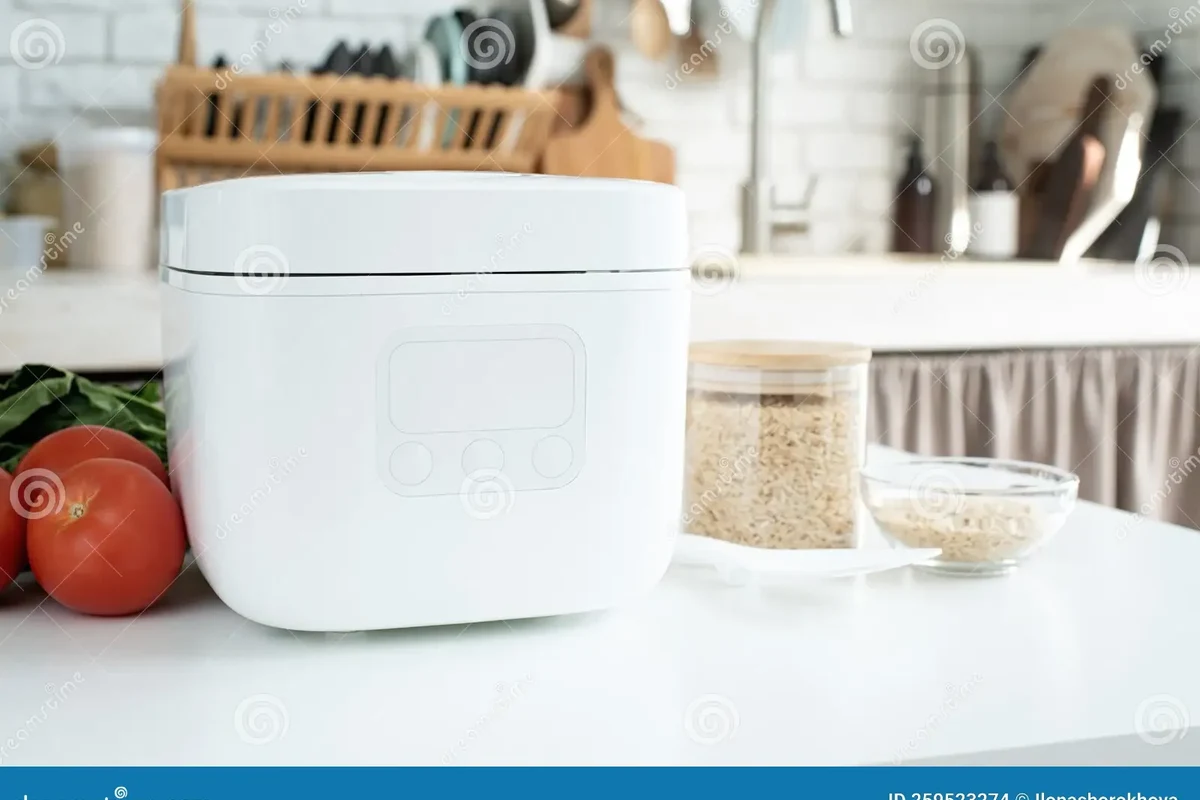
A rice cooker can cook pasta, but it is not always the best tool for every shape or sauce. Think of it as a handy backup for simple pasta meals.
For plain noodles, it can save time and cut down on pot watching. For delicate pasta or large family meals, a regular pot may still work better.
What a rice cooker can do well
Rice cookers do a good job with steady heat and covered cooking. That makes them useful for boiling water and keeping the heat even.
They are also nice when you want less cleanup. You can often cook, drain, and mix in one place.
When pasta works best in a rice cooker
Short pasta shapes and simple sauces work best. Think elbow macaroni, penne, shells, or rotini.
This method is also useful when you want a low-effort meal. If you are cooking in a dorm, office, or small kitchen, it can be a smart choice.
When it may not be the right tool
A rice cooker may not suit long pasta like spaghetti or fettuccine. Those shapes can clump, stick, or cook unevenly.
It also may not be ideal for very large batches. Some cookers foam over if you add too much water or pasta.
How Pasta Cooking Works in a Rice Cooker
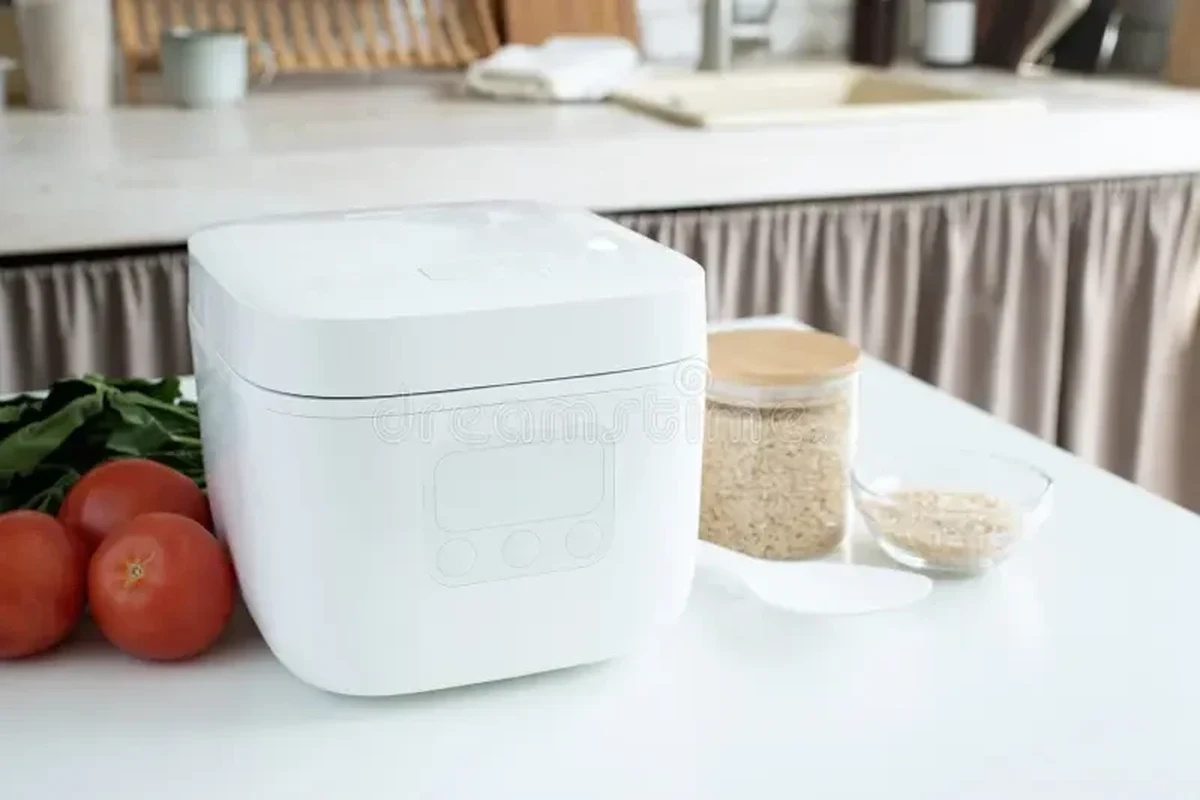
Pasta cooks when hot water softens the starch in the noodles. A rice cooker gives you heat, steam, and a covered pot, so the pasta can cook in a controlled space.
The main trick is balance. You need enough water for the pasta to move, but not so much that the cooker spills over.
Heat, water, and steam explained simply
The cooker heats water until it boils. Then the pasta softens as it absorbs heat and water.
The lid traps steam, which helps keep the temperature steady. That can work well, but it also means foam can build fast.
Why different rice cooker types matter
Basic rice cookers often switch between cook and warm. That can work for pasta, but you need to watch the timing.
Fancier models may have more settings. Still, the manual matters most, since each cooker handles heat a little differently.
What changes with small and large cooker sizes
Small cookers fill up fast. That means boil overs can happen sooner if you add too much water or pasta.
Larger cookers give you more room to stir and simmer. They are usually easier for pasta, but they still need close attention.
Model behavior can vary a lot. Check the manual before using pasta in any rice cooker.
Best Pasta Types and Ingredients for Rice Cooker Cooking
The best pasta for a rice cooker is sturdy and short. It should cook evenly without tangling too much.
Simple ingredients also help. This method works best when you keep the recipe easy.
Good pasta shapes for this method
Use shapes that move well in water and cook at about the same rate.
- Elbow macaroni
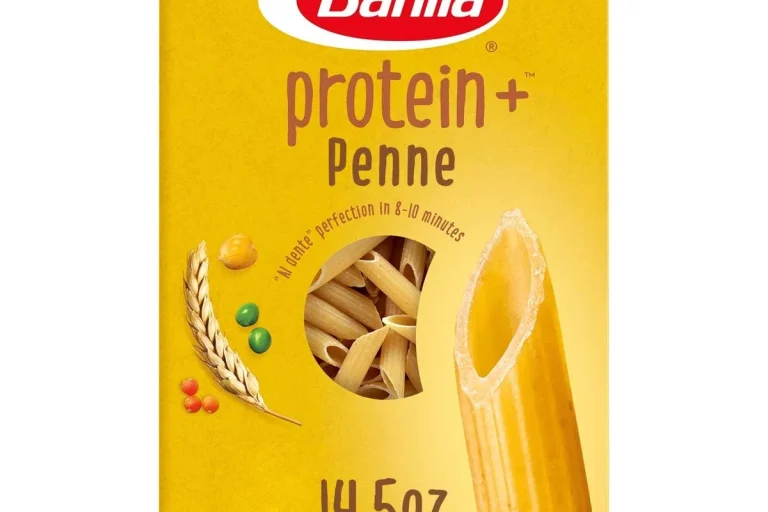
- Penne
- Rotini
- Small shells
- Farfalle
These shapes are less likely to stick together than long strands. They are also easier to stir in a small pot.
Water, salt, and oil basics
Use enough water to cover the pasta well. If the pasta sits too high, it may cook unevenly.
Add salt if you want better flavor. A small splash of oil can help a little, but it is not a fix for sticking.
- Stir early to keep pasta from clumping.
- Use enough water for free movement.
- Watch the cooker closely near the end.
Optional add-ins for better flavor
You can add garlic, herbs, or a little broth for more taste. Soft vegetables can work too, as long as they cook in time.
Cheese and cream are best added at the end. That helps them stay smooth and keeps them from sticking to the pot.
Step-by-Step Guide to Cooking Pasta in a Rice Cooker
This method is simple, but timing still matters. Pasta can turn mushy fast if you walk away too long.
Basic method for plain pasta
Pour in enough water to cover the pasta well. Add salt if you want more flavor.
Place the pasta in the pot and spread it out as much as you can.
Close the lid and begin the cook cycle. Stay nearby so you can check it.
Stir to keep the noodles from sticking. Do this carefully to avoid spills.
How to check doneness without overcooking
Taste a piece near the end of cooking. You want it tender, but still a little firm in the center.
If the pasta looks close, check it often. Rice cookers can move from underdone to overdone very fast.
How to drain and finish the pasta
Turn off the cooker and drain the pasta right away. Use a colander if you have one.
Then add sauce, butter, cheese, or vegetables. Mix while the pasta is still hot so the flavors blend well.
Hot steam and boiling water can burn you. Open the lid slowly and keep your hands clear of the steam path.
Benefits and Limits of Using a Rice Cooker for Pasta
This method has real upsides, but it also has limits. Knowing both helps you choose the right tool for the job.
Why it can save time and effort
You do not need a separate pot and burner. That can be helpful in a cramped kitchen.
It also reduces the chance of forgetting a boiling pot. You can let the cooker do the heating while you handle other prep.
Where the method falls short
Rice cookers are not made just for pasta. Some models foam up, and some cook unevenly with starch-heavy foods.
You also have less control than you get with a stovetop pot. That matters when you want exact texture.
Best use cases for busy home cooks
This method is great for students, small apartments, and quick lunches. It also helps when you only need one or two servings.
If you want a simple meal with fewer dishes, it can be a good fit. If you want perfect pasta for guests, a pot is safer.
- Uses one appliance for cooking and heating
- Works well for simple, small pasta meals
- Can reduce stovetop watching and cleanup
Common Mistakes and How to Avoid Them
Most pasta problems in a rice cooker come from water level, shape choice, or timing. A few small fixes can make a big difference.
Using too little water
Too little water lets pasta stick and cook unevenly. It also raises the chance of scorching on the bottom.
Add enough water for the pasta to move freely. If needed, add a little more during cooking.
Choosing the wrong pasta shape
Long noodles and very thick pasta are harder to manage. They can clump or break in the cooker.
Stick with short, sturdy shapes. They are easier to stir and easier to drain.
Letting the cooker boil over
Pasta foam can rise fast. This is more likely when the cooker is too full.
Use a larger cooker when possible. Also, keep an eye on the lid and steam vent.
Forgetting to stir at the right time
If you wait too long, the noodles may glue together. That can lead to clumps and uneven texture.
Stir once after the first few minutes, then check again near the end. Gentle stirring is usually enough.
- Use short pasta shapes
- Watch the cooker during the boil
- Stir carefully to prevent sticking
- Overfilling the cooker
- Walking away during the last few minutes
- Using fragile noodles that break easily
Safety, Cleaning, and Maintenance Tips
Rice cookers are simple, but they still need care. Safe handling and good cleaning help the appliance last longer.
Safe handling during hot cooking
Always follow the manual for your model. Some cookers need extra space around the vents.
Do not touch the inner pot with bare hands after cooking. Use a towel or mitt, since the pot can stay hot for a while.
Follow the appliance manual and stop using damaged equipment.
How to clean starch buildup
Pasta leaves starchy residue behind. Clean the inner pot, lid, and steam parts soon after use.
Warm water and mild soap usually work well. Let stuck starch soak before scrubbing.
Wash the inner pot, lid, and any removable parts with mild soap.
Check vents, seals, and the outer body for residue or wear.
How to protect the nonstick pot
Use soft tools when stirring or cleaning. Metal spoons and rough scrub pads can scratch the surface.
Once the coating is damaged, food may stick more often. That can make the cooker harder to clean.
Final Verdict: Is Cooking Pasta in a Rice Cooker Worth It?
For many home cooks, yes, it is worth trying. A rice cooker can handle simple pasta meals well, especially when you want less cleanup.
Still, it is not a perfect swap for a pot. The best choice depends on your pasta shape, batch size, and how much control you want.
Who should try it
Try it if you cook small portions, live in a small space, or want an easy one-appliance meal. It is also useful for beginners.
Who should use a pot instead
Use a pot if you want long pasta, large batches, or more exact texture. A stovetop gives you more control over water and timing.
Best final recommendation for Red Kitchen Project readers
Our simple advice is this. If your rice cooker has a reliable manual and you stick to short pasta, it can be a handy kitchen shortcut.
If you want the safest and most flexible method, use a regular pot. That is still the best all-around choice for most pasta nights.
Yes, you can cook pasta in a rice cooker, and it works best for short shapes and small meals. A pot is still better for long noodles, big batches, and tighter control.
- Short pasta shapes work best in a rice cooker.
- Use enough water and stir to prevent clumps.
- Watch closely near the end to avoid overcooking.
- Clean starch residue right away to protect the pot.
Frequently Asked Questions
Short, sturdy shapes work best. Penne, rotini, shells, and elbow macaroni are easier to stir and less likely to clump.
Timing varies by pasta shape, batch size, and cooker model. Start checking early and taste for doneness near the end.
You can add sauce after the pasta cooks, but heavy sauces may stick or scorch. It is usually safer to cook the pasta first, then mix in the sauce.
Use enough space in the cooker, avoid overfilling, and watch the pot closely as it boils. Stirring once or twice can also help reduce clumps and foam.
It is better not to leave it alone for long. Rice cookers can foam over, and pasta can overcook quickly if you do not check it.
Wash the inner pot, lid, and removable parts soon after use with mild soap and warm water. Soak any starch residue first, and avoid rough tools that can damage the coating.