How to Make Miso Paste at Home in Easy Steps

You can make miso paste at home with cooked beans, koji, salt, and patience. The key is clean prep, tight packing, and steady fermentation.
Making miso paste at home is a slow but rewarding kitchen project. You mix cooked beans, koji, salt, and water, then let time do the rest. The result can taste fresher and more personal than many store-bought jars.
- Simple base: Beans, koji, salt, and water make the core mix.
- Safety first: Clean tools and tight packing help prevent spoilage.
- Flavor changes: Longer aging usually means darker, stronger miso.
- Best use: Homemade miso works well in soups, sauces, and marinades.
What Miso Paste Is and Why Make It at Home
Miso is a fermented seasoning made from beans, koji, and salt. Koji is a grain, often rice or barley, that has been grown with a helpful mold called Aspergillus oryzae. It helps break down the beans and grains during fermentation.
Home miso lets you control the salt level, texture, and flavor. It also gives you a better sense of how fermentation changes food over time.
How miso paste is made in simple terms
Think of miso as a slow mix of cooked beans and seasoned grain culture. The koji starts the break down process, while salt helps keep harmful microbes in check. Then the mixture rests for weeks or months.
As it ages, the paste gets deeper in flavor. It can stay light and sweet or turn dark and bold, depending on the ingredients and time.
Why home-made miso can taste fresher
Freshly made miso often tastes brighter because you can choose the beans and koji at their best. You also avoid long shelf time before opening the jar. That can make the flavor seem fuller and more lively.
There’s another bonus. You can shape the taste to fit your kitchen. For example, you can make it mild for soups or stronger for marinades.
Miso can vary a lot by region, ingredient mix, and aging time. That’s why no two batches taste exactly the same.
Ingredients and Tools You Need

You do not need fancy gear for a basic batch. You do need clean tools, enough salt, and a jar or crock that fits your batch size.
Core ingredients for a basic miso batch
Most home recipes start with cooked soybeans. Some cooks use chickpeas, white beans, or a bean mix for a different flavor.
Koji matters just as much as the beans. Without it, the paste will not ferment into true miso in the usual way.
Helpful tools for safe mixing and storage
Use a large bowl, a potato masher, measuring cups, and a clean spoon. You also need a jar, crock, or food-safe container with a lid.
A weight can help keep the paste pressed down. Clean hands or gloves also help reduce contamination during packing.
Ingredient choices that change flavor and color
Different beans bring different results. Soybeans make a classic taste, while chickpeas can feel lighter and a little sweeter.
Koji grain also changes the final flavor. Rice koji often tastes milder. Barley koji can bring a deeper, earthier note. More aging usually means darker color and stronger taste.
Ingredient results vary by brand, moisture level, and room temperature. If your batch seems dry or sticky, small adjustments are normal.
How to Make Miso Paste Step by Step
The process is simple, but it rewards patience. Clean prep and steady fermentation matter more than speed.
Prepare the beans and grain base
Soak dry beans if needed, then cook them until soft enough to mash by hand.
Let the beans cool before mixing. Warm beans can harm the koji and affect the ferment.
Leave some texture if you want a rustic paste. Mash smoother for a more even finish.
The beans should be soft, but not watery. If they are too wet, the batch can turn loose and harder to pack.
Mix in koji, salt, and water
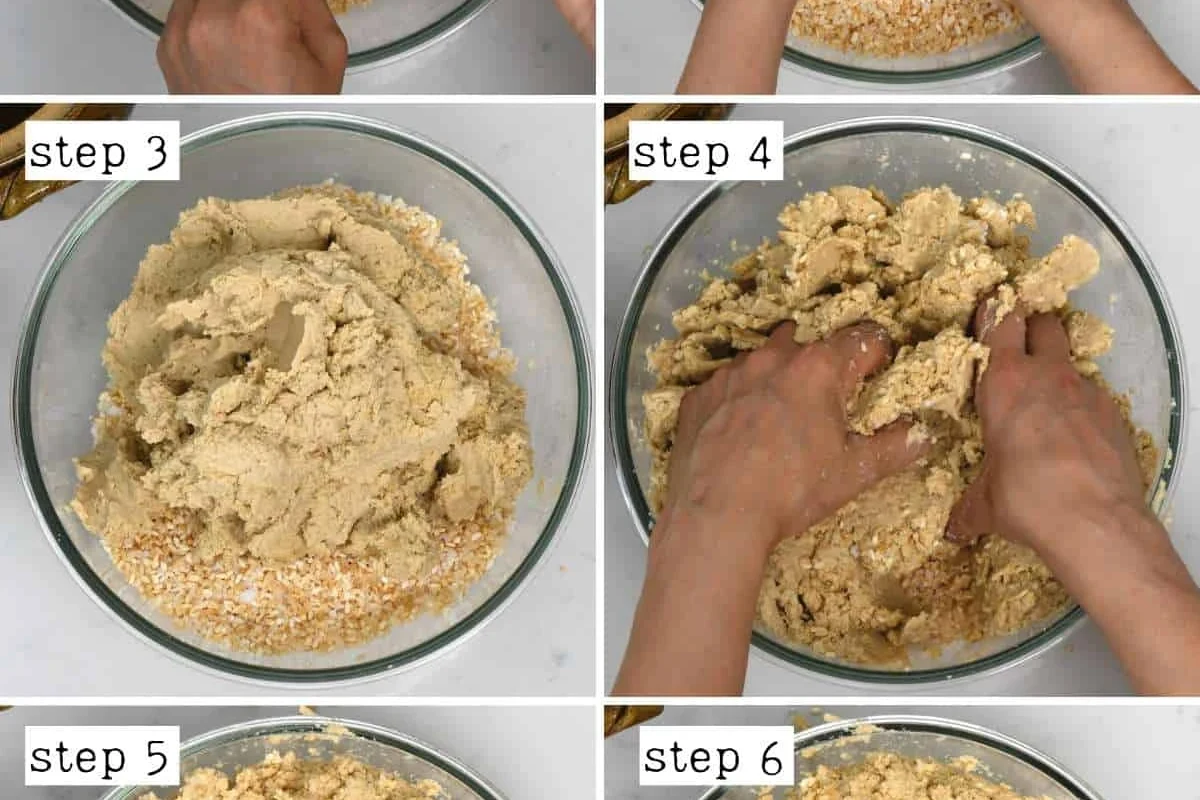
Combine the mashed beans with koji and salt in a clean bowl. Add water a little at a time until the mix feels damp and pressable, not soupy.
Salt does two jobs here. It seasons the paste and helps guide safe fermentation. Mix very well so the salt spreads evenly.
Use clean, food-safe tools and containers. If you see signs of spoilage, such as strong rot, slime, or fuzzy mold in odd colors, discard the batch.
Pack the mixture and seal it well
Press the mixture firmly into the container. Push out air pockets as you go, since trapped air can lead to spoilage on the surface.
Smooth the top, then cover it with a clean layer or lid. If you use a weight, keep it clean and food-safe. Seal the container in a way that fits your setup.
Let it ferment and check it over time
Store the container in a cool, stable spot away from direct sun. The exact time depends on your recipe, room temperature, and flavor goal.
Check the batch now and then. You want a stable ferment, not a wet or moldy mess. A little color change is normal. Odd smells or unsafe growth are not.
- Press the paste down hard to reduce air pockets.
- Keep the container clean every time you inspect it.
- Write the start date on the jar so you can track aging.
Best Ratios, Fermentation Time, and Flavor Results
There is no single perfect formula. Still, some basic ranges help you get better results on the first try.
Salt levels and why they matter
Salt level affects both safety and taste. Too little salt can make the ferment less stable. Too much can slow flavor growth and make the paste harsh.
Most home cooks follow a trusted recipe that gives a balanced salt level for the bean and koji amount. If you change the ratio, do it carefully.
Short ferment vs long ferment
A short ferment gives you a lighter, milder paste. It can be ready sooner, but the flavor stays softer.
A long ferment brings darker color and deeper umami. It also takes more patience. If you like rich soup or bold marinades, longer aging often helps.
How texture and taste change with time
Early miso often tastes sweeter and less sharp. As it ages, the paste usually gets smoother, darker, and more complex.
Texture can also shift. Some batches stay thick and rustic. Others become softer and easier to stir into broth or sauce.
Common Mistakes When Making Miso Paste
Most problems come from balance. The paste needs enough salt, low air exposure, and the right bean texture.
Using too much or too little salt
Too little salt can invite spoilage. Too much salt can make the miso slow to develop and too aggressive in taste.
If you are new to fermentation, follow a tested recipe instead of guessing. That gives you a safer starting point.
Letting air or mold get into the batch
Air pockets are a common problem. They can create spots where mold grows on the surface.
Pack the paste tightly and keep the top covered. If any mold looks unusual, or if the smell turns clearly bad, throw the batch out.
Getting the bean texture wrong
Beans that are too firm will not mash well. That can leave dry lumps and uneven fermenting.
Beans that are too wet can make the paste loose. Aim for soft, mashable beans with little standing water.
- Use soft beans that mash easily
- Pack the jar tightly
- Keep notes on salt and time
- Leaving air pockets in the container
- Using dirty tools or lids
- Ignoring strange smells or growth
Safety, Storage, and Cleaning Tips
Fermentation is simple, but it still needs care. Clean tools and safe storage help protect the batch and your kitchen.
How to keep miso safe during fermentation
Use food-safe containers only. Keep the batch away from heat, sun, and dirty tools. Check it with clean hands or utensils.
Safety matters most when the batch changes in smell, color, or surface growth. When in doubt, do not taste it.
How to store it after it finishes fermenting
Once the miso reaches the flavor you want, move it to a cool place. Many home cooks store it in the fridge to slow further aging.
Keep it sealed well so it does not dry out or pick up fridge odors. A clean spoon helps each time you scoop some out.
How to clean tools and jars properly
Wash bowls, lids, weights, and spoons with hot soapy water. Rinse well and let them dry fully before use.
Wash and dry all tools before storing them.
Check jars for cracks, odors, or leftover residue.
Dry containers matter because moisture can help unwanted growth. Clean, dry gear gives your batch a better start.
Ways to Use Homemade Miso Paste
Homemade miso is more than soup. It works in dressings, glazes, marinades, and quick sauces.
Simple soups, sauces, and marinades
Stir a spoonful into hot broth for an easy soup base. Mix it with oil, vinegar, or citrus for a fast dressing.
You can also blend it with garlic, ginger, or a little sugar for a marinade. It adds depth fast, so start small.
How to adjust recipes for stronger home-made miso
Home miso can taste stronger or saltier than a jar you know well. Taste first, then add more if needed.
If the flavor feels bold, thin it with broth, water, or a mild fat like oil. That keeps the dish balanced.
What to expect compared with store-bought miso
Store-bought miso is steady and easy to use. Homemade miso can feel more personal and sometimes more rustic.
The trade-off is time and uncertainty. Your batch may taste different from the last one, which is part of the fun.
- Use soft beans, koji, salt, and clean tools.
- Pack tightly and keep air out as much as possible.
- Let the paste ferment slowly for better flavor.
- Store finished miso cold and use clean spoons.
Final Verdict: Is Homemade Miso Worth It?
Yes, if you enjoy slow cooking and want more control over flavor. Homemade miso rewards patience, and the process is easier than many people expect.
It is best for cooks who like to learn by doing. If you enjoy small kitchen projects, this one can be deeply satisfying.
Who should make it at home
Home miso is a great fit if you like fermentation, meal prep, or custom flavors. It also suits cooks who want a pantry staple with more character.
If you often make soups, rice bowls, or marinades, a jar of homemade miso can be very useful.
When store-bought miso makes more sense
Store-bought miso makes more sense if you need a fast, reliable option. It is also the easier choice if you do not want to wait weeks or months.
For many kitchens, the best answer is both. Keep store-bought miso for everyday use, and make a small home batch when you want to experiment.
Homemade miso is worth trying if you want better flavor control and enjoy patient kitchen projects. If you need speed and consistency, a good store-bought jar still wins.
Frequently Asked Questions
It depends on the recipe, room temperature, and flavor you want. Some batches taste good sooner, while others need months for deeper flavor.
Yes, many home cooks use chickpeas, white beans, or mixed beans. The flavor and texture will change, so expect a different result from classic soy miso.
A normal batch should smell pleasant and fermented, not rotten or slimy. If you see unusual fuzzy mold, strong bad odors, or other spoilage signs, discard it.
Store finished miso in a sealed container in a cool place, and many cooks use the fridge. Use clean utensils each time so you do not add moisture or food bits.
You can, but salt affects both safety and flavor. It is best to follow a tested recipe first and make small changes later.
Homemade miso works in soups, sauces, dressings, and marinades. Start with a small amount because the flavor can be stronger than you expect.