How Is Pasta Made Easy Guide to Fresh Pasta Making

Pasta is made by mixing flour with liquid, then kneading, resting, rolling, and shaping the dough. Fresh pasta cooks fast and tastes softer, while dried pasta stores longer and works better for everyday meals.
Pasta starts with a simple mix of flour and liquid. For fresh pasta, that usually means eggs, flour, and a little salt. Then you mix, rest, roll, cut, and cook it.
The short answer to how is pasta made is this. Manufacturers or home cooks turn flour and water, or flour and eggs, into dough. Then they shape it and dry it or cook it right away.
- Simple process: Mix, knead, rest, roll, cut, and cook.
- Best texture: Rested dough rolls easier and tears less.
- Fresh vs dried: Fresh is tender. Dried is firmer and stores longer.
- Common fixes: Adjust flour or water in small amounts.
- Safety matters: Handle egg dough carefully and clean tools well.
Fresh pasta starts with a simple dough
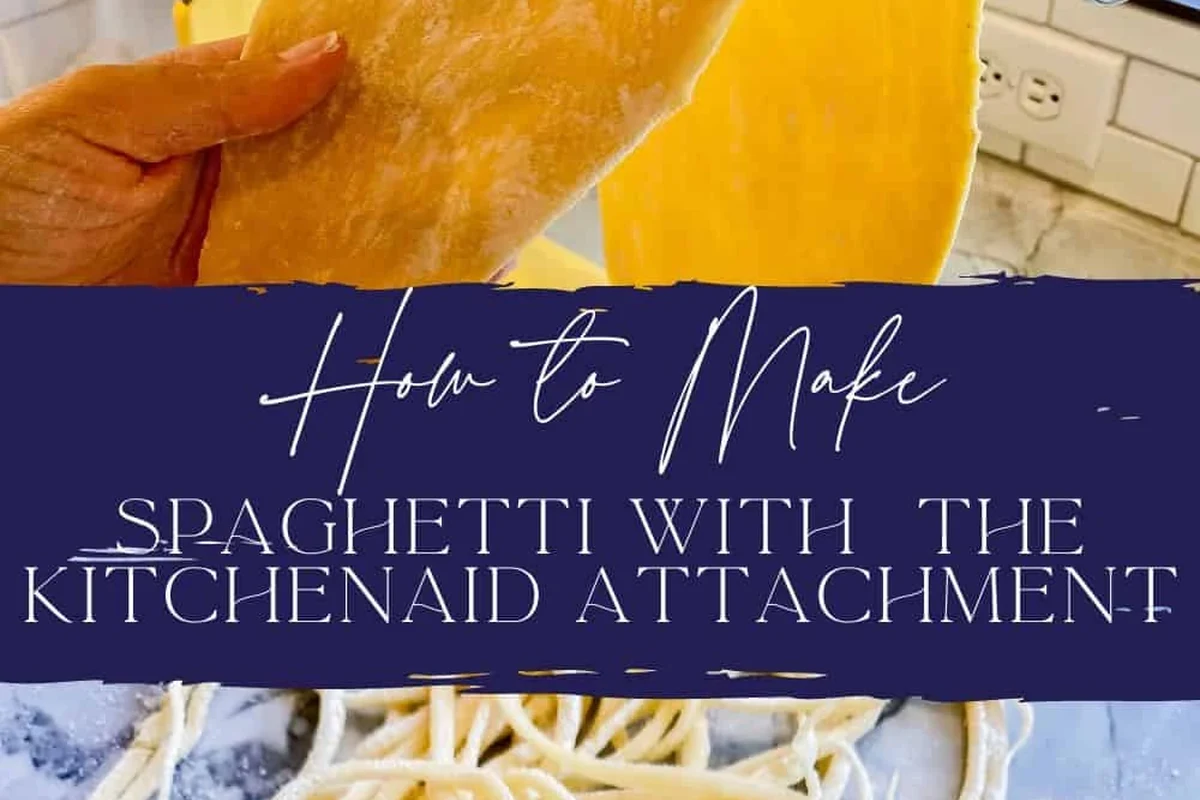
If you want better taste and texture at home, it helps to know each step. Pasta is not hard, but small details matter.
How Is Pasta Made? The Simple Answer
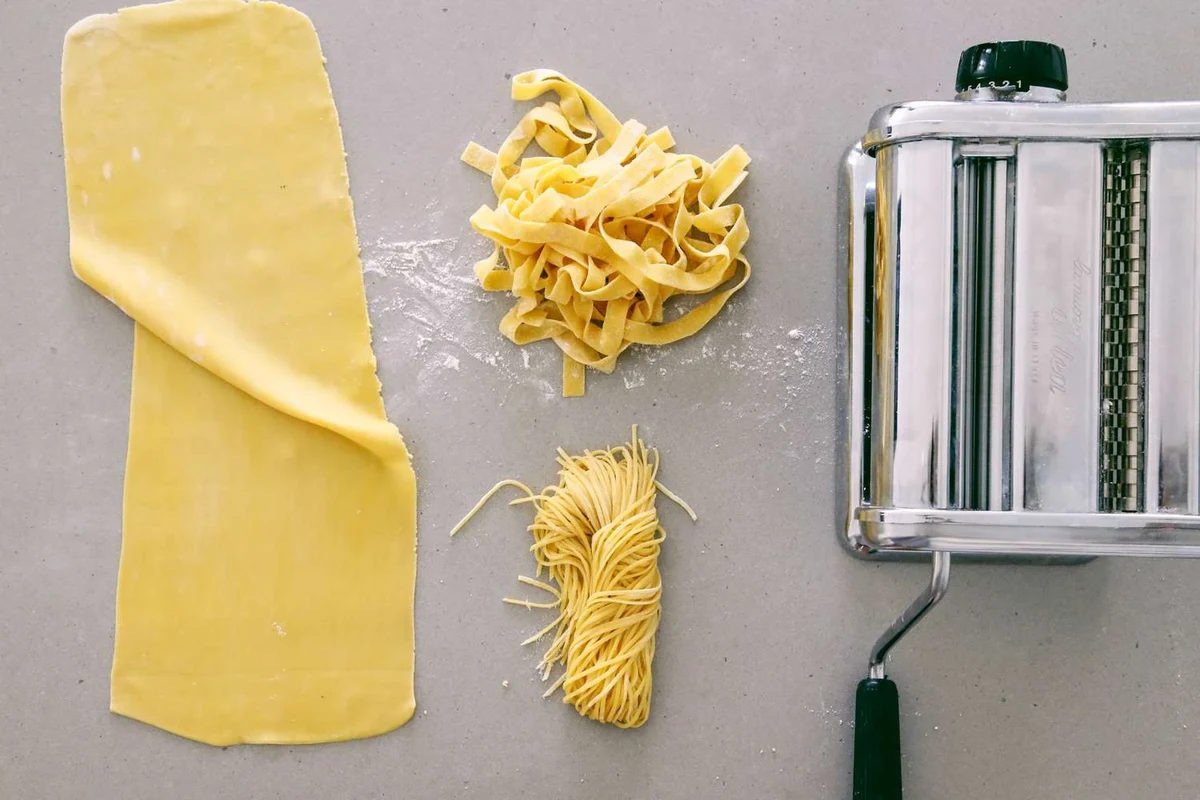
Pasta is made by mixing flour with liquid. The dough gets kneaded, rested, and shaped into noodles, sheets, or stuffed forms.
Fresh pasta uses more moisture and cooks fast. Dried pasta gets dried fully, so it lasts longer and keeps its shape well.
Fresh pasta vs dried pasta at a glance
Fresh pasta feels soft, rich, and tender. Dried pasta feels firmer and has a chewier bite.
The biggest difference is moisture. That one detail changes taste, texture, storage, and cooking time.
Soft and tender
Best when you want a delicate bite and a quick cook.
VS
Firm and shelf stable
Best when you want pantry storage and a reliable texture.
Why the process matters for taste and texture
Mixing, kneading, and resting all change the final bite. A well-made dough feels smooth and elastic, not sticky or dry.
That matters because pasta carries sauce. A good dough helps sauce cling, while a weak dough can turn mushy or tear.
What You Need to Make Pasta at Home
You do not need fancy gear to make pasta. A bowl, a counter, and a rolling pin can be enough for many recipes.
Basic ingredients for fresh pasta dough
Most fresh pasta starts with flour and eggs. Some doughs use only flour and water, especially for certain shapes or styles.
Salt helps flavor the dough. You still need to salt the cooking water too, since that seasons the pasta more evenly.
Helpful tools and what you can skip
A pasta machine can help you roll thin sheets. Still, you can make good pasta by hand if you keep the dough even.
You can skip special cutters at first. A sharp knife or pizza cutter works fine for simple noodles.
Tool needs vary by recipe and shape. Thin sheets for ravioli need more care than rustic hand-cut noodles.
Choosing flour, eggs, water, and salt
Flour choice changes the dough a lot. All-purpose flour works for many home cooks, while some recipes use semolina or 00 flour.
Eggs add richness and color. Water-based doughs can feel firmer and work well for certain shapes.
How Pasta Is Made Step by Step
Fresh pasta follows a simple path. Mix the dough, rest it, roll it thin, then cut or shape it.
Combine flour and liquid until a rough dough forms.
Work the dough until it feels firm and elastic.
Let it relax so it rolls out more easily.
Make sheets, ribbons, or filled shapes as needed.
Cook fresh pasta soon, or dry it if the recipe allows.
Mixing and forming the dough
Start by making a mound of flour with a well in the center. Add eggs or water, then slowly pull the flour into the liquid.
The dough may look rough at first. That is normal. Keep mixing until it comes together in one mass.
Resting the dough for better results
Resting lets the flour absorb moisture. It also helps the dough relax, which makes rolling easier.
If you skip the rest, the dough may snap back. That can make it hard to roll thin.
Many pasta doughs become easier to shape after a short rest, even when they feel too stiff at first.
Rolling, cutting, and shaping pasta
Roll the dough a little at a time. Dust with flour as needed, but do not overdo it.
Then cut the dough into noodles or shape it into sheets. If you make filled pasta, keep the edges sealed well.
Drying or cooking fresh pasta
Fresh pasta cooks fast, often in just a few minutes. The exact time depends on thickness and shape.
You can dry some fresh pasta for later use. Still, not every fresh dough dries well, so follow the recipe closely.
Fresh egg pasta needs careful handling. Keep it chilled if you are not cooking it right away, and follow safe food rules.
Fresh Pasta vs Dried Pasta: Which Is Better?
Neither one wins every time. The better choice depends on your meal, your schedule, and your storage space.
Best uses for fresh pasta
Fresh pasta shines in simple sauces. Butter, cream, light tomato sauce, and broth-based dishes work well.
It also fits stuffed pasta, like ravioli or tortellini. Those shapes need a soft, flexible dough.
Best uses for dried pasta
Dried pasta works well for most weeknight meals. It is steady, easy to store, and simple to cook.
It also holds up better in baked dishes and hearty sauces. Think meat sauce, baked casseroles, or thick vegetable sauces.
Texture, shelf life, and cooking time compared
Fresh pasta cooks faster and tastes softer. Dried pasta takes longer and gives a firmer bite.
Dried pasta also keeps in the pantry much longer. Fresh pasta needs more care and usually has a shorter life.
| Option | Best For | Key Consideration |
|---|---|---|
| Fresh pasta | Special meals and delicate sauces | Short shelf life and fast cooking |
| Dried pasta | Everyday cooking and pantry storage | Longer cook time and firmer texture |
Common Pasta Making Mistakes and How to Fix Them
Most pasta problems come from dough texture, rolling, or handling. The good news is that many fixes are simple.
Dough that feels too dry or too wet
Dry dough cracks and will not come together well. Wet dough sticks to everything and can be hard to shape.
The dough looks crumbly or sticky.
Add a few drops of water for dry dough, or dust with flour for wet dough.
Pasta that tears, sticks, or cooks unevenly
Tearing often means the dough is too dry or not rested enough. Sticking usually means you need more flour or better spacing.
Uneven cooking can happen when the pasta has different thicknesses. Try to roll the dough as evenly as you can.
Pasta tears or sticks while you work.
Rest the dough longer, dust lightly, and keep shapes separated.
How to avoid overworking the dough
Too much kneading can make the dough tough. Stop once it feels smooth and elastic.
Use firm but steady pressure. You want the dough to hold together, not turn stiff and hard.
- Knead until smooth, then let the dough rest
- Dust lightly to prevent sticking
- Roll the dough in even sheets
- Adding lots of flour at once
- Skipping the rest period
- Pulling the dough too hard
Safety, Cleaning, and Storage Tips
Fresh pasta is a food safety topic as much as a cooking topic. Clean tools and cold storage matter, especially with egg dough.
Food safety for eggs and fresh dough
Use fresh eggs and clean hands. If the dough sits out, do not leave it at room temperature for too long.
Cook fresh egg pasta soon after making it, or chill it based on the recipe. When in doubt, follow trusted food safety guidance.
Cleaning tools, counters, and pasta machines
Clean your counter right after use. Dried dough gets harder to remove later.
For pasta machines, follow the manual. Many machines need dry cleaning only, not water on the rollers.
Brush off flour and dough scraps, then wipe surfaces clean.
Check your tools for buildup, damage, or loose parts.
Follow the appliance manual and stop using damaged equipment.
How to store fresh pasta the right way
Store fresh pasta in the fridge if you plan to use it soon. For longer storage, freezing often works better than keeping it chilled.
Dry pasta fully before storing it at room temperature. If it still feels soft, it may spoil or clump.
Is Homemade Pasta Worth It in 2026?
For many home cooks, yes. Homemade pasta gives you control over texture, shape, and flavor.
Cost, time, and value for home cooks
Homemade pasta can be budget friendly if you already have the basics. The real cost is often time, not ingredients.
If you cook pasta often, the hands-on work may feel worth it. If you need dinner fast, dried pasta still makes more sense.
Who should make pasta from scratch
Make pasta from scratch if you enjoy cooking projects. It is also a good fit if you want a special meal for guests.
If you want quick cleanup and less fuss, buy dried pasta instead. That choice is completely reasonable.
Best for cooks who enjoy hands-on kitchen projects.
Best for busy nights and low-effort meals.
Final recommendation from the Red Kitchen Project Editorial Team
If you want the simplest answer, homemade pasta is worth trying at least once. It teaches you how dough works and gives you a better feel for texture.
For everyday cooking, dried pasta is still the easy winner. For special meals, fresh pasta can be a real treat.
Fresh pasta is best when you want a soft bite and a special meal. Dried pasta is better for speed, storage, and everyday ease.
- Pasta is made by mixing flour with liquid, then shaping the dough.
- Resting and rolling matter as much as the ingredients.
- Fresh pasta tastes softer, while dried pasta stores longer.
- Clean tools well and handle egg dough with care.
Frequently Asked Questions
Most fresh pasta uses flour, eggs, and a little salt. Some doughs use water instead of eggs, depending on the style.
Many doughs rest for a short time so the flour can absorb moisture. Resting also helps the dough relax and roll more easily.
Fresh pasta cooks fast and should feel tender with a slight bite. Start checking early, since thickness and shape change the cook time.
Yes, many fresh pasta shapes freeze well if you handle them gently. Freeze them in a single layer first, then store them in a sealed container.
Tearing often means the dough is too dry or has not rested enough. Lightly adjust the moisture and let it relax before trying again.
It depends on the meal and your schedule. Fresh pasta is great for soft texture and special dishes, while dried pasta is easier for everyday cooking.