How Long Does Fresh Pasta Last and How to Store It

Fresh pasta usually lasts 1 to 2 days in the fridge and about 1 to 2 months in the freezer. If it smells off, looks slimy, or shows mold, throw it out.
Fresh pasta does not last very long, and that’s the simple truth. In most cases, it’s best within a day or two in the fridge, or longer only if you freeze it right away. If you’ve ever found a tray of homemade noodles on the counter and wondered whether they’re still okay, this guide will help you decide fast.
- Fridge life: Fresh pasta usually lasts 1 to 2 days.
- Freezer life: Frozen fresh pasta keeps best for 1 to 2 months.
- Spoilage signs: Mold, sour smell, slimy texture, or odd color mean discard it.
- Best storage: Seal pasta well and freeze it for longer storage.
How Long Does Fresh Pasta Last? The Quick Answer
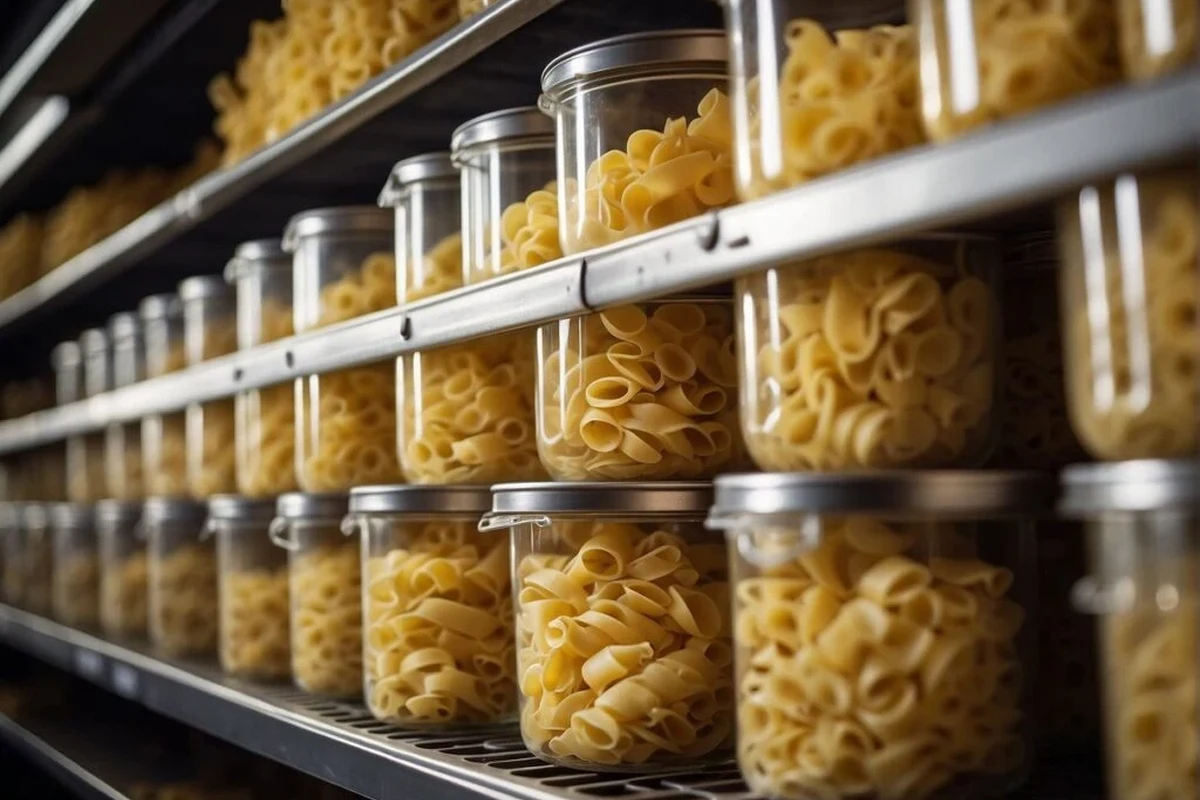
Fresh pasta spoils faster than dried pasta because it holds more moisture. Eggs and filling can shorten its life even more. The safest storage plan depends on whether the pasta is uncooked, cooked, filled, homemade, or store-bought.
Fresh pasta at room temperature
Fresh pasta should not sit out for long. If it contains eggs or filling, treat it like a perishable food. As a rule, refrigerate or freeze it as soon as you can.
For safety, don’t leave fresh pasta out for hours while you prep the rest of dinner. Warm rooms, damp dough, and filling all make spoilage happen faster.
Fresh pasta in the fridge
In the fridge, fresh pasta usually lasts about 1 to 2 days when stored well. Some store-bought pasta may last a little longer if the package says so. Always follow the label if it gives a shorter time.
Homemade pasta often has a shorter life than packaged pasta. That’s because it may have more moisture and less protective packaging.
Fresh pasta in the freezer
Freezing gives fresh pasta the longest life. Most fresh pasta keeps well for about 1 to 2 months in the freezer, sometimes longer if it stays sealed and frozen solid. Quality starts to drop after a while, even if it stays safe.
If you want the best texture later, freeze pasta before it starts to soften or stick together. Small portions also thaw and cook more evenly.
What Fresh Pasta Is and Why It Spoils Fast
Fresh pasta is made with soft dough that still holds moisture. That moisture helps it cook into a tender bite, but it also gives spoilage microbes a place to grow. That’s why fresh pasta needs more care than dried pasta.
Shelf life can vary by recipe, filling, packaging, and fridge temperature. When in doubt, use the package date or freeze it sooner.
Key ingredients that affect shelf life
Eggs matter a lot. Dough made with eggs usually spoils faster than egg-free dough. Cheese, meat, and vegetables in filled pasta can also shorten storage time.
Salt, oil, and flour help texture, but they do not make pasta shelf-stable. They can’t replace cold storage.
How moisture and eggs change storage time
Moisture is the big reason fresh pasta goes bad. Wet dough can turn sticky in the fridge and can also support mold growth if it sits too long.
Eggs add rich flavor and a soft bite, but they also raise food safety concerns. That’s why egg pasta needs careful chilling and clean handling.
Why homemade and store-bought pasta differ
Homemade pasta often has no preservatives and may contain more moisture. That usually means a shorter shelf life. Store-bought fresh pasta may last a bit longer because it is packed more tightly and may include stabilizers.
Still, the package date matters more than a general rule. If the label says use it by a certain day, follow that date.
Dried pasta lasts much longer because it has very little moisture.
How to Store Fresh Pasta the Right Way
Good storage keeps pasta safe and helps it cook better later. The main goals are simple. Keep it cold, keep it dry enough, and keep air away from it.
Storing uncooked pasta in the fridge
Place uncooked fresh pasta in a shallow container or on a tray lined with parchment. Cover it well so it does not dry out or pick up fridge smells. Then put it in the coldest part of the fridge.
If the pasta is already shaped, make sure the pieces do not touch too much. That helps prevent clumping.
Storing uncooked pasta in the freezer
Freeze uncooked fresh pasta in a single layer first if you can. Once the pieces are firm, move them to a freezer bag or sealed container. This step helps stop the pasta from turning into one frozen block.
Label the bag with the date. That small habit makes a big difference when your freezer gets busy.
- Freeze pasta in small portions for faster cooking later.
- Press out extra air before sealing bags.
- Keep filled pasta flat so it does not crush.
How to dry fresh pasta before storing
Some pasta shapes benefit from a short drying time before storage. Let them sit on a floured tray or rack until the surface feels less wet. Don’t let them dry so long that they crack.
Drying helps reduce sticking. It also makes short-term fridge storage easier.
Best containers and wrapping methods
Use airtight containers, freezer bags, or tight plastic wrap. Parchment paper can help separate layers. For delicate shapes, a tray plus loose cover often works better than a deep bowl.
How to Tell If Fresh Pasta Has Gone Bad
Fresh pasta can go bad even when it looks fine at first glance. Use your eyes, nose, and common sense. If anything seems off, it’s safer to throw it out.
Signs of spoilage you should not ignore
Watch for mold, slimy spots, odd color, or a sour smell. If the pasta feels tacky in a bad way, that can also be a warning sign. A strong off smell is reason enough to discard it.
Do not taste pasta to “check” if it’s okay. That’s not a safe test.
What mold, smell, and texture changes mean
Mold means the pasta is no longer safe. Even a small spot can mean the rest is contaminated. A sour, musty, or fermented smell also points to spoilage.
Texture changes matter too. If the pasta turns overly sticky, mushy, or oddly dry with damp spots, it may be past its best.
When it is safest to throw it out
If you don’t know how long it sat out, throw it out. If the fridge temp seems unreliable, throw it out. If the package is damaged or the pasta looks questionable, it’s not worth the risk.
When fresh pasta shows mold, bad odor, or slimy texture, do not cook it to “fix” it. Heat does not make spoiled food safe.
Cooking Fresh Pasta Safely After Storage
Stored fresh pasta often cooks a little differently from pasta made and cooked right away. Cold pasta may need a bit more time. Frozen pasta may need no thawing at all.
How storage changes cooking time
Chilled pasta can take slightly longer to cook than room-temperature pasta. Frozen pasta often needs a few extra seconds or a little more, depending on shape and thickness. Thin noodles cook faster than filled pasta.
Check the pasta early. It should be tender but still have a little bite.
What to do with refrigerated pasta
Take refrigerated pasta out just before cooking. If it looks dry, let it sit for a minute while the water heats. Then drop it into well-salted boiling water.
Stir gently at first so the strands separate. That helps prevent clumps.
What to do with frozen pasta
Cook frozen pasta straight from the freezer unless the recipe says otherwise. Do not thaw it on the counter. Thawing at room temp can raise food safety risks and can ruin the texture.
For filled pasta, keep an eye on the edges. They can burst if they boil too hard for too long.
Food safety tips before boiling
Wash your hands before handling pasta. Keep raw fillings away from ready-to-eat foods. If pasta touched raw meat, use extra care and follow safe handling rules.
Follow the package directions and your recipe notes. If the pasta smells off before cooking, do not use it.
Common Storage Mistakes That Shorten Shelf Life
A few small mistakes can cut fresh pasta’s life in half. The good news is that most of them are easy to fix once you know what to watch for.
Leaving pasta out too long
This is the most common mistake. Fresh pasta should not sit on the counter while you answer the door or finish the sauce. Get it into the fridge or freezer quickly.
Using too much moisture in the container
Too much dampness makes pasta sticky and can speed up spoilage. If you see condensation in the container, that’s a sign the storage setup needs work.
Use a dry container and let pasta cool a bit before sealing it tightly.
Skipping labels and date marks
It’s easy to forget when you made or opened fresh pasta. A quick date label solves that problem. It also helps you use older pasta first.
Mixing cooked and uncooked pasta
Keep cooked pasta separate from raw pasta. They spoil at different rates, and mixing them can create confusion about what is still safe.
- Label every container with the date.
- Store pasta in small, flat portions.
- Keep raw and cooked pasta apart.
- Leaving fresh pasta on the counter.
- Sealing wet pasta in a warm container.
- Tasting pasta that may be spoiled.
Best Storage Methods for Different Types of Fresh Pasta
Not all fresh pasta behaves the same way. Egg pasta, filled pasta, and egg-free pasta each need a slightly different approach. The goal is the same, though. Keep the texture good and the food safe.
Egg pasta
Egg pasta is rich and tender, but it needs careful cold storage. Refrigerate it quickly if you’ll use it soon. Freeze it if you won’t cook it within a day or two.
Egg pasta also benefits from gentle handling. It can dry out or crack if it sits exposed too long.
Filled pasta like ravioli or tortellini
Filled pasta spoils faster than plain noodles because the filling adds moisture and extra ingredients. Cheese, meat, and spinach fillings need especially careful storage. Keep filled pasta cold and cook it soon.
If the filling leaks, the pasta may not hold up well in storage. In that case, freezing in a single layer can help.
Egg-free pasta
Egg-free fresh pasta can last a little longer than egg pasta, but not by much. It still needs refrigeration or freezing. Do not assume it is shelf-stable just because it skips eggs.
It’s a good option if you want a slightly simpler dough, but storage rules still apply.
Store-bought versus homemade pasta
Store-bought fresh pasta often has clearer use-by dates and tighter packaging. Homemade pasta gives you more control over ingredients, but it usually needs faster use. Both should be stored cold.
| Type | Best For | Storage Note |
|---|---|---|
| Egg pasta | Rich noodles and classic texture | Refrigerate quickly or freeze soon |
| Filled pasta | Ravioli and tortellini | Use fast because fillings spoil sooner |
| Egg-free pasta | Simpler doughs | Still needs cold storage |
| Store-bought pasta | Convenient use at home | Follow the package date first |
Final Recommendation: The Safest Way to Keep Fresh Pasta Fresh
If you want the safest, easiest rule, refrigerate fresh pasta for very short use and freeze it for later. That works for most home cooks and keeps waste low. It also gives you better control over texture and food safety.
Best storage choice for most home cooks
For pasta you’ll cook soon, the fridge is fine. For pasta you won’t use right away, the freezer is the better choice. That’s especially true for egg pasta and filled pasta.
When to refrigerate and when to freeze
Use the fridge when you plan to cook the pasta within 1 to 2 days. Use the freezer when you want to keep it longer. If you’re unsure, freezing is usually the safer move.
Refrigerate in a sealed container and use it fast.
Freeze in portions and label the date.
Throw it out right away.
Simple rules to remember for better results
Keep fresh pasta cold. Keep it dry enough to avoid clumps. Check for smell, mold, and texture changes before cooking. And when you’re not sure, don’t risk it.
Fresh pasta is best used quickly, usually within 1 to 2 days in the fridge or about 1 to 2 months in the freezer. For most home cooks, freezing is the safest long-term option, while the fridge works best for short-term plans.
Frequently Asked Questions
Fresh pasta usually lasts about 1 to 2 days in the fridge. Always follow the package date if store-bought pasta gives a shorter time.
Yes, freezing is the best way to keep fresh pasta longer. Most fresh pasta keeps well for about 1 to 2 months in the freezer when sealed well.
Look for mold, a sour smell, slimy spots, or odd color changes. If anything seems off, it is safest to throw it out.
Usually, no. Most frozen fresh pasta can go straight into boiling water, which helps protect the texture and reduces food safety risk.
Filled pasta needs even more care because the filling can spoil faster. Keep it cold and use it sooner than plain noodles.
Freeze it in a sealed bag or container, then label the date. If you plan to cook it very soon, refrigerate it and use it quickly.