Can You Eat Raw Pasta Is It Safe or a Bad Idea

Yes, you can eat a small bite of raw dried pasta, but it is not the best choice. Fresh pasta should be cooked first because it can carry more food safety risk.
Can you eat raw pasta? Yes, you can swallow a small bite, but it’s not a good habit. Most raw pasta tastes dry, hard, and bland, and some types can bring food safety risks.
- Dried pasta: A small bite is usually not dangerous, but it’s still hard to digest.
- Fresh pasta: Cook it first, especially if it contains eggs.
- Biggest risk: Eating a lot can cause stomach upset or discomfort.
- Best choice: Cook pasta for better taste, texture, and safety.
Can You Eat Raw Pasta? The Short Answer and What It Means
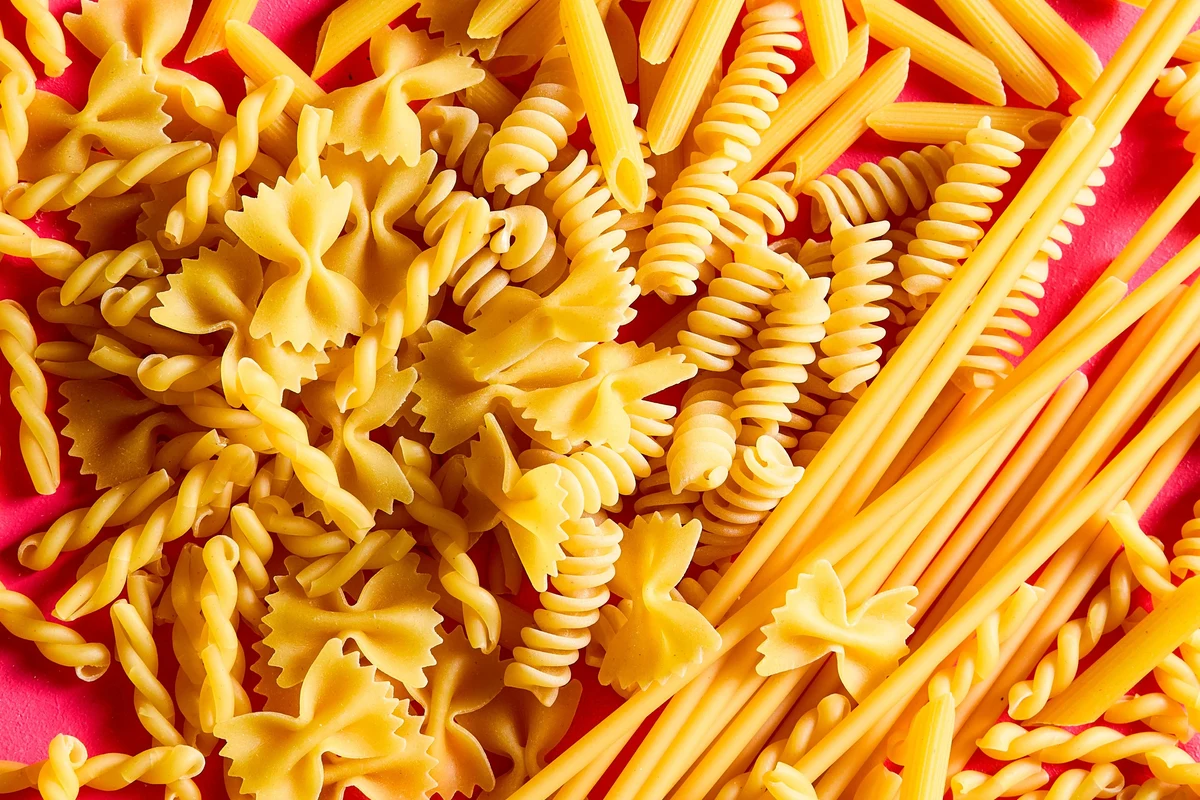
The short answer is simple. A tiny bite of raw pasta usually won’t hurt most healthy adults, but it’s still better cooked.
Why most people ask this question
People ask because they’ve snacked on dry pasta as kids. Others want to know if a crunchy bite is safe when cooking runs late.
Some also wonder if raw pasta counts as a quick snack. It does not offer the same texture, taste, or digestibility as cooked pasta.
The quick safety answer for dried and fresh pasta
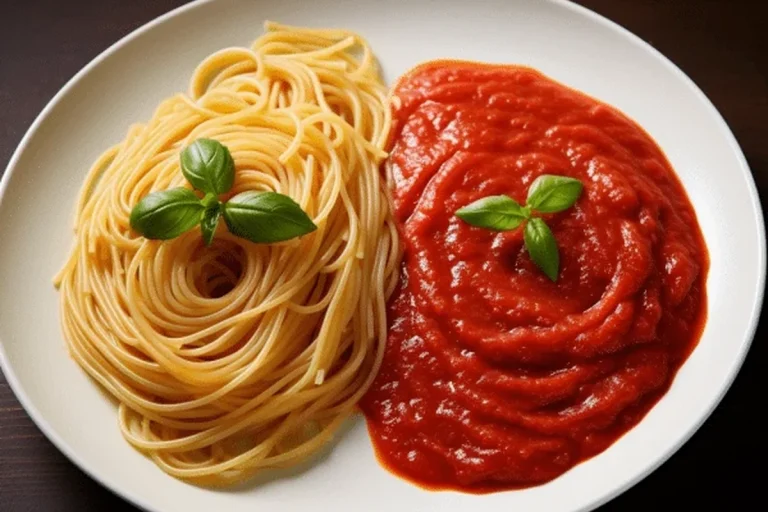
Dried pasta is made to be cooked. It’s hard, dry, and tough to chew when raw.
Fresh pasta is a different story. It often contains eggs and more moisture, so it can carry a higher food safety risk if left uncooked.
When raw pasta is a bad idea
Raw pasta is a bad idea when it’s fresh, homemade, or made with eggs. It’s also a bad idea if you have a sensitive stomach.
Very young children should not snack on hard pasta pieces. They can choke more easily than adults.
If pasta is fresh, homemade, or egg-based, cook it before eating. Follow the package or recipe directions for safe handling.
What Raw Pasta Is Made Of and How It Behaves
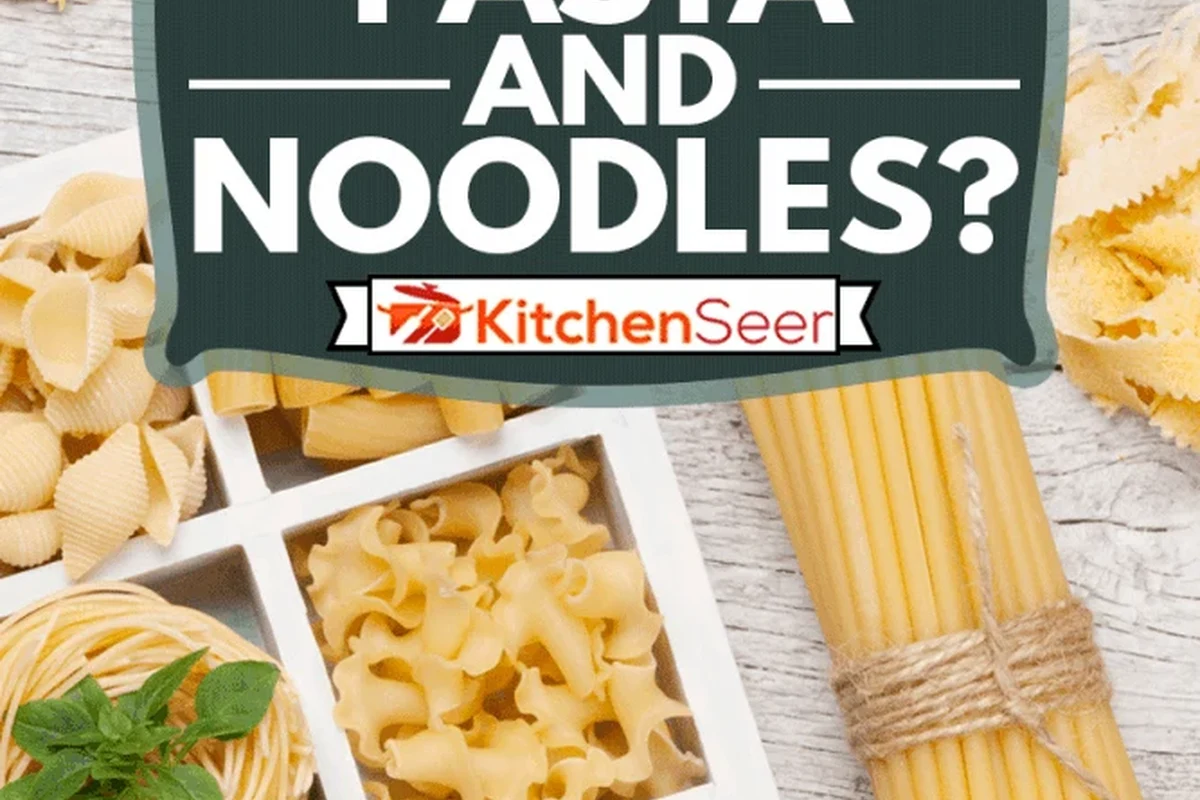
Raw pasta seems simple, but the ingredients and shape matter. Dry pasta and fresh pasta behave very differently in your mouth and stomach.
Ingredients in dried pasta
Most dried pasta uses durum wheat semolina and water. Some versions also include added vitamins or other grains.
Because it is dried, it stays firm for a long time. That firm texture is why it needs boiling water to soften.
Ingredients in fresh pasta
Fresh pasta often uses flour, eggs, and water. Some recipes add oil or salt too.
This type feels soft before cooking. But that softness also means it can spoil faster than dried pasta.
Why texture changes after cooking
Heat changes the starch in pasta. The noodles absorb water and become tender.
That shift is what makes pasta pleasant to eat. Raw pasta stays chalky, stiff, and hard to chew.
Cooking pasta makes the starch easier for your body to break down.
Is Raw Pasta Safe to Eat? The Main Health Risks
For most people, a small bite of dry pasta is not a major problem. Still, raw pasta can cause discomfort, and fresh pasta can raise bigger concerns.
Digestive discomfort and stomach upset
Raw pasta can be hard to digest. It may leave you feeling bloated or uneasy.
That risk goes up if you eat a lot at once. Your stomach may need more time to deal with the dry, dense starch.
Food safety concerns with eggs in fresh pasta
Fresh pasta can contain raw eggs. That matters because eggs can carry harmful germs if they are not handled well.
Store fresh pasta in the fridge if the recipe or package says to do so. Also cook it fully before serving unless the product says it is ready to eat.
Why uncooked flour can still be a concern
Flour is a raw agricultural ingredient. It is not treated like a ready-to-eat food in many cases.
That means uncooked flour can carry germs. Cooking pasta helps reduce that risk.
Food safety rules can vary by recipe, brand, and region. When in doubt, check the package and the recipe source.
What Happens If You Eat Raw Pasta by Mistake
If you accidentally eat a little raw pasta, don’t panic. Most people will only notice mild discomfort, if anything at all.
What mild symptoms can look like
Mild symptoms may include stomach heaviness, gas, or a scratchy feeling in the throat. Hard pieces can also irritate your mouth.
If you only ate one or two pieces, you may not notice much at all. A glass of water can help the dry texture move along.
When to watch for a bigger problem
Watch more closely if you ate fresh pasta, a large amount, or pasta with eggs. Also pay attention if you have vomiting, fever, or strong pain.
Those signs may point to a food safety issue or another problem. If symptoms feel severe or keep getting worse, seek medical help.
How much raw pasta matters
Amount matters a lot. One accidental bite is very different from a bowl of raw pasta.
The more you eat, the more likely you are to feel discomfort. Fresh pasta also deserves more caution than plain dried pasta.
- Drink water if a dry bite feels stuck or scratchy.
- Skip raw fresh pasta, especially if it contains egg.
- Watch for symptoms after a larger accidental serving.
Raw Pasta vs Cooked Pasta: Taste, Texture, and Nutrition
Raw and cooked pasta are not close substitutes. Cooking changes the taste, feel, and how your body handles it.
How flavor and mouthfeel compare
Raw pasta tastes plain and dry. It can also feel dusty or hard on the teeth.
Cooked pasta tastes fuller and softer. It works better with sauce, butter, olive oil, and cheese.
What changes in digestibility
Cooked pasta is easier to chew and swallow. It is also easier for your body to break down.
Raw pasta takes more effort from your jaw and stomach. That is one reason it feels less satisfying as a snack.
Does cooking change nutrition much
Cooking changes texture more than it changes the basic food. The main ingredients stay the same.
Still, cooked pasta is the normal and safer way to eat it. The real gain is comfort and safety, not a big nutrition boost.
When People Use Raw Pasta on Purpose
Some people do eat raw pasta on purpose. That does not make it the best choice, but it explains why the question comes up so often.
Snack habits and childhood habits
Many people remember sneaking dry pasta from the pantry. It’s a common childhood habit.
Some adults keep doing it out of habit. They may like the crunch, even if the taste is not great.
Creative uses in crafts and food styling
Raw pasta can show up in crafts, table decor, or food styling. In those cases, it is not meant to be eaten.
That matters because some shapes are more decorative than edible. A food photo may use raw pasta for looks only.
Why these uses still have limits
Even if raw pasta seems harmless, it still has limits. Hard pieces can hurt teeth or be tough for kids to chew.
Fresh pasta should never be treated like a snack. Its ingredients and storage needs make it a different food.
How to Handle Pasta Safely at Home
Good storage and safe cooking habits make pasta easy to manage. They also lower the chance of waste and food-safety problems.
Storage tips for dried pasta
Keep dried pasta in a cool, dry place. Seal the package well after opening.
Check for moisture, bugs, or odd smells before cooking. If something seems off, throw it out.
Safe handling for fresh pasta
Follow the package or recipe instructions for fresh pasta. Some types need refrigeration, and some need quick cooking.
Do not leave fresh pasta at room temperature for long. Treat it like a more delicate food.
Follow the package directions for storage, cooking time, and serving. If pasta smells sour or looks spoiled, do not taste it.
Best cooking and tasting habits
Cook pasta until it reaches the texture you want, then taste a strand. That is the easiest way to check doneness.
If you are unsure, cook it a little longer. It’s better than serving pasta that feels too hard or chalky.
- Cook fresh pasta fully before serving.
- Store dried pasta in a sealed, dry container.
- Check package directions for special pasta types.
- Do not eat raw egg pasta as a snack.
- Do not taste pasta that smells spoiled.
- Do not give hard pasta pieces to small children.
Final Verdict: Should You Eat Raw Pasta or Skip It?
For most readers, the best choice is to skip raw pasta and cook it instead. Cooked pasta tastes better, feels better, and is the safer option.
Best choice for most readers
If you want a snack, choose something made to be eaten raw. Raw pasta is not a great snack food.
It is hard, dry, and not very easy to digest.
When a small bite is unlikely to be a big issue
A tiny bite of dried pasta is usually not a big deal for most healthy adults. Still, it is more of an accident than a smart habit.
If the pasta is fresh or egg-based, the answer changes. Cook it first.
Clear recommendation from Red Kitchen Project Editorial Team
Our advice is simple. Skip raw pasta when you can, and especially skip fresh raw pasta.
If you already ate a small amount, stay calm and watch how you feel. If symptoms seem strong, get medical advice.
- Dry pasta is usually safe in tiny amounts, but it is not ideal.
- Fresh pasta can carry more food-safety risk and should be cooked.
- Cooking improves texture, taste, and digestibility.
Eat cooked pasta for the best taste and safety. A tiny bite of dry pasta is usually not a major issue, but fresh pasta should stay cooked.
Frequently Asked Questions
A small bite of dried pasta is usually not a big issue for most healthy adults. Fresh pasta is different and should be cooked first.
Fresh pasta often contains eggs and more moisture, so it can spoil faster. It should be handled and cooked according to the package or recipe directions.
Yes, raw pasta can feel heavy and be hard to digest. Eating a lot at once may cause bloating or discomfort.
If it was a small amount of dried pasta, you may not need to do anything. Drink water and watch for symptoms, especially if it was fresh pasta.
Cooking changes pasta’s texture and makes it easier to digest. The basic ingredients stay the same, so the bigger change is comfort and safety.
Avoid raw pasta if it is fresh, egg-based, or seems spoiled. It is also best to avoid giving hard pasta pieces to small children.