How Many Calories Are in One Cup of Pasta Explained

One cup of cooked plain pasta usually has about 200 calories. The exact number changes with pasta type, cup packing, and added sauce.
One cup of cooked pasta usually has about 180 to 220 calories. The exact number changes by pasta type, shape, and how you measure the cup.
- Plain cooked pasta: Most cups land near 200 calories.
- Dry vs. cooked: Dry pasta and cooked pasta are not the same measure.
- Portion size: Packed cups can hold more calories than loose cups.
- Toppings matter: Sauce, oil, and cheese often add the most calories.
How Many Calories Are in One Cup of Pasta?
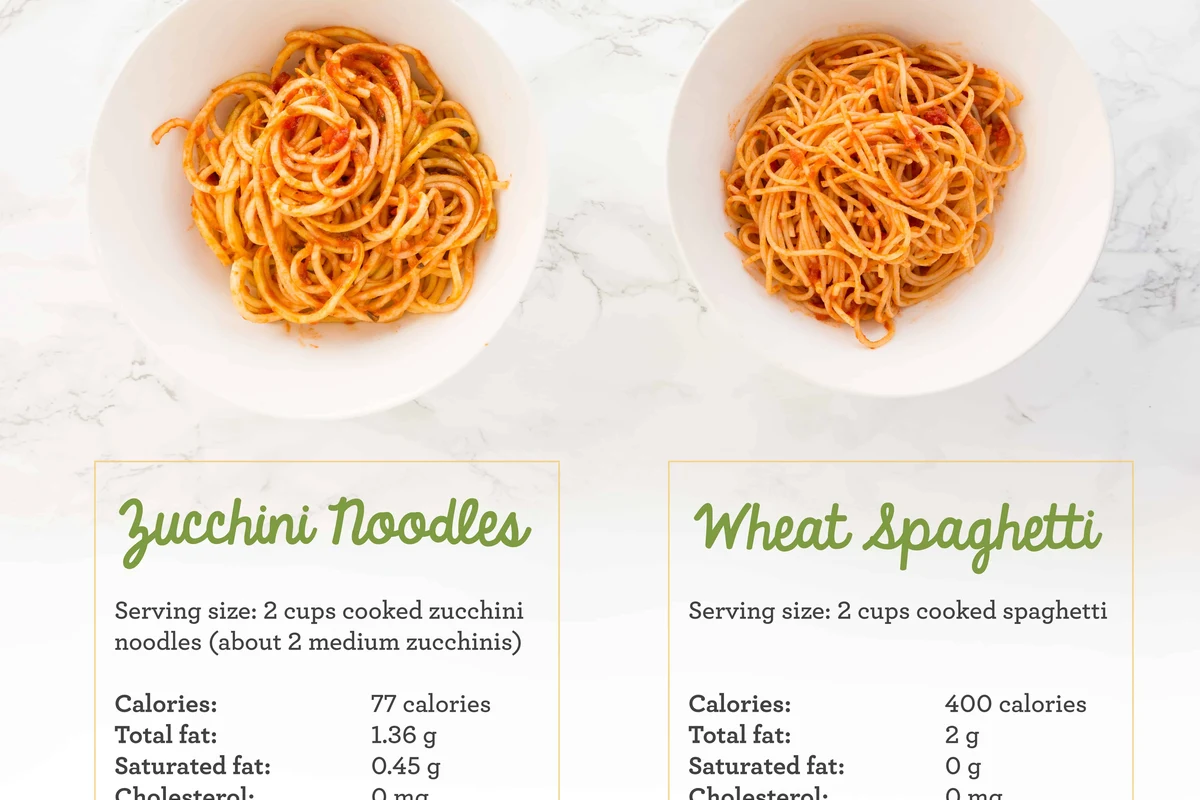
The short answer is that one cup of cooked pasta usually lands near 200 calories. That is a useful average for most plain pasta made with wheat flour.
If you want the most practical number, use 200 calories per cup as a starting point. Then adjust for the pasta type and any sauce or toppings.
The quick answer for cooked pasta
For plain cooked pasta, one cup is often close to 180 to 220 calories. Many common white pasta brands fall right in that range.
That means a small bowl can add up fast if you serve two or three cups. In short, pasta calories are easy to underestimate.
Why the number changes by pasta type
Different pasta types use different flours and eggs. Those changes affect both weight and calories in a cup.
Shape also matters. A cup of long noodles may hold less pasta by weight than a cup of small shells.
Cooked vs. dry pasta: what you need to know
This is where many people get mixed up. Dry pasta is much denser than cooked pasta because it has not absorbed water yet.
One cup of dry pasta does not equal one cup of cooked pasta. A cup of dry pasta can turn into about two cups, or even more, after cooking.
Calories vary by brand, shape, and recipe. Check the package label when you need a more exact number.
What Counts as One Cup of Pasta?
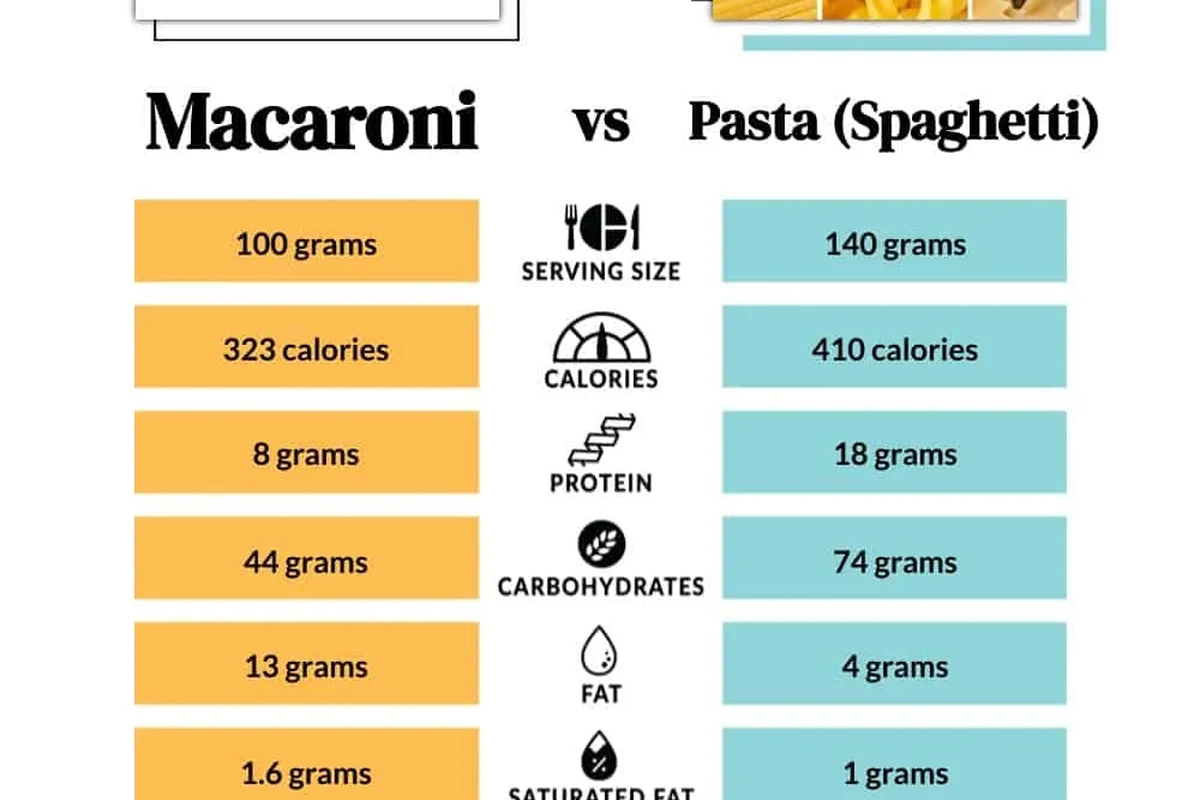
One cup sounds simple, but pasta is tricky. A cup can mean loosely filled, packed, or measured after cooking and draining.
That small difference can change your calorie count more than you think.
Measuring cooked pasta the right way
The best method is to cook the pasta first, drain it well, and then measure it. Let it sit for a moment so extra water drips off.
Use a dry measuring cup and fill it without pressing the pasta down hard. Pressing can pack in more pasta and raise the calorie count.
How shape affects cup measurements
Not all pasta shapes fill a cup the same way. Long noodles, short tubes, and tiny shapes all settle differently.
For example, elbow pasta can pack more tightly than spaghetti. That means one cup of each may not weigh the same.
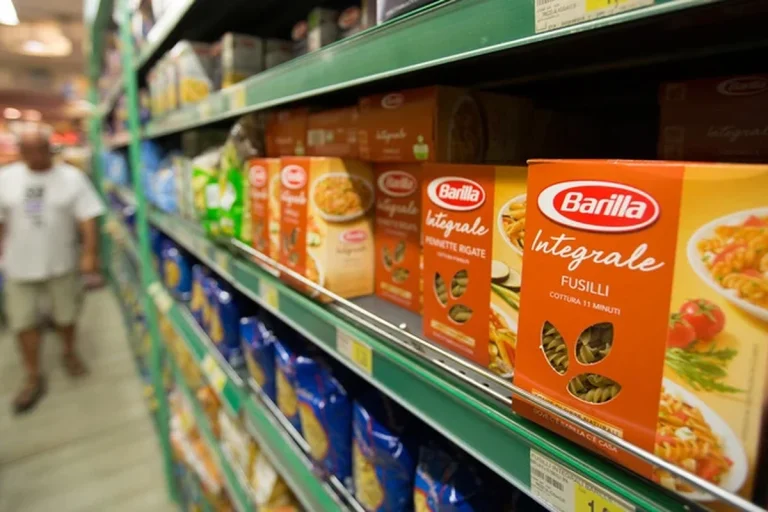
Many pasta labels list serving sizes by dry weight, not cooked volume. That is why the package can look smaller than your bowl.
Why packed and loose cups can differ
A loosely filled cup has more air gaps. A packed cup holds more pasta and more calories.
This matters most with small shapes like rotini or penne. A gentle fill gives a better home estimate than a tightly packed cup.
Calories by Pasta Type and Shape
Here is the part most readers want. The calories in one cup shift a little depending on the pasta style.
These are general ranges for cooked pasta with no sauce.
Regular white pasta
Regular white pasta is the most common type. One cup of cooked white pasta usually has about 180 to 220 calories.
It is made from refined wheat flour, so it cooks up soft and mild. That makes it easy to pair with many sauces.
Whole wheat pasta
Whole wheat pasta often lands in a similar calorie range. One cup usually has about 170 to 210 calories.
The bigger difference is fiber. Whole wheat pasta often keeps you full longer, which can help with portion control.
Egg pasta and enriched pasta
Egg pasta can run a little higher in calories because eggs add fat and protein. One cup may range from about 200 to 250 calories.
Enriched pasta often looks like regular pasta but has added nutrients. The calorie count usually stays close to standard white pasta.
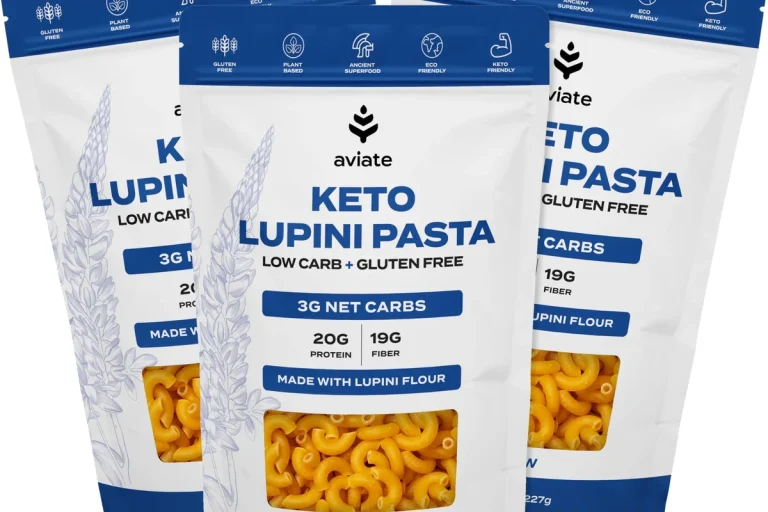
Gluten-free pasta options
Gluten-free pasta can vary a lot. Rice pasta, corn pasta, and bean-based pasta all have different calorie counts.
Some gluten-free choices match regular pasta closely. Others, especially bean-based types, may have more protein and fiber per cup.
Calories by Pasta Type at a Glance
Use this as a simple home guide, then check the package label for the exact brand.
| Option | Best For | Key Consideration |
|---|---|---|
| White pasta | Everyday meals | Usually near 200 calories per cup |
| Whole wheat pasta | More fiber | Calories stay similar, but fullness may improve |
| Egg pasta | Richer taste | Can be a little higher in calories |
| Gluten-free pasta | Special diets | Calories vary by ingredient |
What Changes the Calorie Count?
Plain pasta calories are only part of the story. Water, portion size, and toppings can change the total fast.
That is why a simple bowl of pasta can turn into a much larger meal than expected.
Water content after cooking
Cooked pasta holds water inside the noodles. That water adds weight, but it does not add calories.
This is why cooked pasta looks bigger than dry pasta. It feels like more food, but the calorie count depends on the dry ingredients.
Portion size and serving mistakes
Many people pour pasta into a bowl and call it one serving. In real life, that bowl may hold two or three cups.
If you want better control, measure once or twice until your eye learns the size. After that, you can estimate more easily.
Added sauces, oil, and cheese
This is where calories climb quickly. Butter, olive oil, cream sauce, and cheese can add a lot more than the pasta itself.
A simple tomato sauce usually adds fewer calories than a creamy sauce. Still, the amount you use matters just as much as the type.
Restaurant pasta often uses more oil, cheese, and sauce than home portions. Never assume a restaurant plate matches a standard cup measure.
How to Measure Pasta for Better Accuracy
If you track calories, measuring well makes a big difference. You do not need perfect math, but you do need a steady method.
Pick one method and use it the same way each time.
Using measuring cups at home
Measuring cups work fine for most home cooks. Just make sure the pasta is cooked, drained, and not packed down hard.
For long noodles, a cup can be awkward. In that case, a scale gives a cleaner result.
Weighing pasta for the best results
A kitchen scale is the most accurate tool for pasta. It helps you compare dry and cooked amounts without guessing.
This is especially useful if you follow a meal plan or count calories often. It also helps when you cook different pasta shapes.
Visual portion tips for everyday cooking
If you do not want to measure every time, use simple visual cues. A small handful looks like less than most people think.
For many meals, one cup of cooked pasta is about the size of a clenched fist. That is not exact, but it helps in a pinch.
- Measure pasta after cooking for the clearest cup count.
- Use a scale when you need the most exact result.
- Keep sauces separate until you know your pasta portion.
Common Mistakes People Make With Pasta Calories
Most pasta calorie errors come from simple mix-ups. Once you know the traps, tracking gets much easier.
Counting dry pasta as cooked pasta
This is the biggest mistake. Dry pasta is much denser than cooked pasta, so the calories per cup are very different.
If you count dry pasta as cooked, you may understate your meal by a lot.
Forgetting sauce calories
Pasta alone is only part of the meal. Sauce, oil, and cheese can add more calories than the noodles in some recipes.
Even a light drizzle of oil adds up if you use it often. That is easy to miss when you are cooking by eye.
Guessing portions from restaurant plates
Restaurant servings can be much larger than home servings. A full plate may contain far more than one cup.
It also may include hidden butter, oil, or cheese. So the calorie count can be much higher than a plain home bowl.
Use hot water and steam care when draining pasta. Keep hands clear of the pot and colander to avoid burns.
How to Fit Pasta Into a Balanced Meal
Pasta can fit into many eating styles. The trick is to build the rest of the plate with care.
You do not need to skip pasta. You just need a portion that fits your goals.
Smart serving ideas for weight goals
If you want a lighter meal, start with one cup of cooked pasta. Then add more vegetables and a lean protein.
If you want more calories for a bigger meal, increase the pasta slowly. That helps you stay in control.
Best pairings for more fiber and protein
Try pasta with chicken, tuna, beans, tofu, or lentils. These foods help make the meal more filling.
Add vegetables like spinach, broccoli, peppers, or zucchini. They add bulk with fewer calories than extra pasta.
When to choose smaller or larger portions
Smaller portions work well when pasta is a side dish. They also help if the sauce is rich.
Larger portions make more sense after hard exercise or when pasta is the main meal. In that case, balance it with protein and vegetables.
Final Takeaway: The Best Way to Track Pasta Calories
So, how many calories are in one cup of pasta? For most cooked plain pasta, the answer is about 200 calories.
That number can move up or down based on the type of pasta, how full the cup is, and what you add on top.
Simple recommendation for home cooks
For everyday meals, use 200 calories per cup as a practical estimate. It is close enough for most home cooking.
If you are watching calories closely, weigh the pasta or check the package label.
When to use labels, scales, or cup measures
Use the label when you need brand-specific facts. Use a scale when accuracy matters most.
Use cup measures when you want a fast home estimate. That mix gives you both ease and control.
- One cup of cooked pasta is usually about 200 calories.
- Shape, type, and packing can change the number.
- Sauces and toppings often add more calories than the pasta.
- A kitchen scale gives the best accuracy.
Frequently Asked Questions
One cup of cooked plain pasta is usually about 180 to 220 calories. A simple estimate of 200 calories works well for most home meals.
Yes, shape can change how much pasta fits in one cup. Small shapes may pack more tightly than long noodles, so the weight can differ.
No, dry pasta is much denser than cooked pasta. One cup of dry pasta usually turns into more than one cup after cooking.
Sauces, oil, butter, and cheese often add the most calories. The pasta itself is only part of the total meal.
A kitchen scale gives the most accurate result. Measuring cooked pasta with a cup also works if you use the same method each time.
Yes, restaurant pasta often uses larger portions and more oil or cheese. A plate at a restaurant may contain far more than one cup.