What Does Chickpea Pasta Taste Like and Is It Good

Chickpea pasta tastes mild, nutty, and a little earthy. It can be very good if you like a firmer bite and use a bold sauce.
Chickpea pasta tastes mild, a little nutty, and slightly earthy. It is not a perfect match for wheat pasta, but it can be very good when cooked well and paired with the right sauce.
- Flavor: Mild, nutty, and slightly bean-like.
- Texture: Firmer than regular pasta when cooked well.
- Best use: Works best with tomato, pesto, or creamy sauces.
- Main limit: Can taste earthy or turn soft if overcooked.
What Does Chickpea Pasta Taste Like?
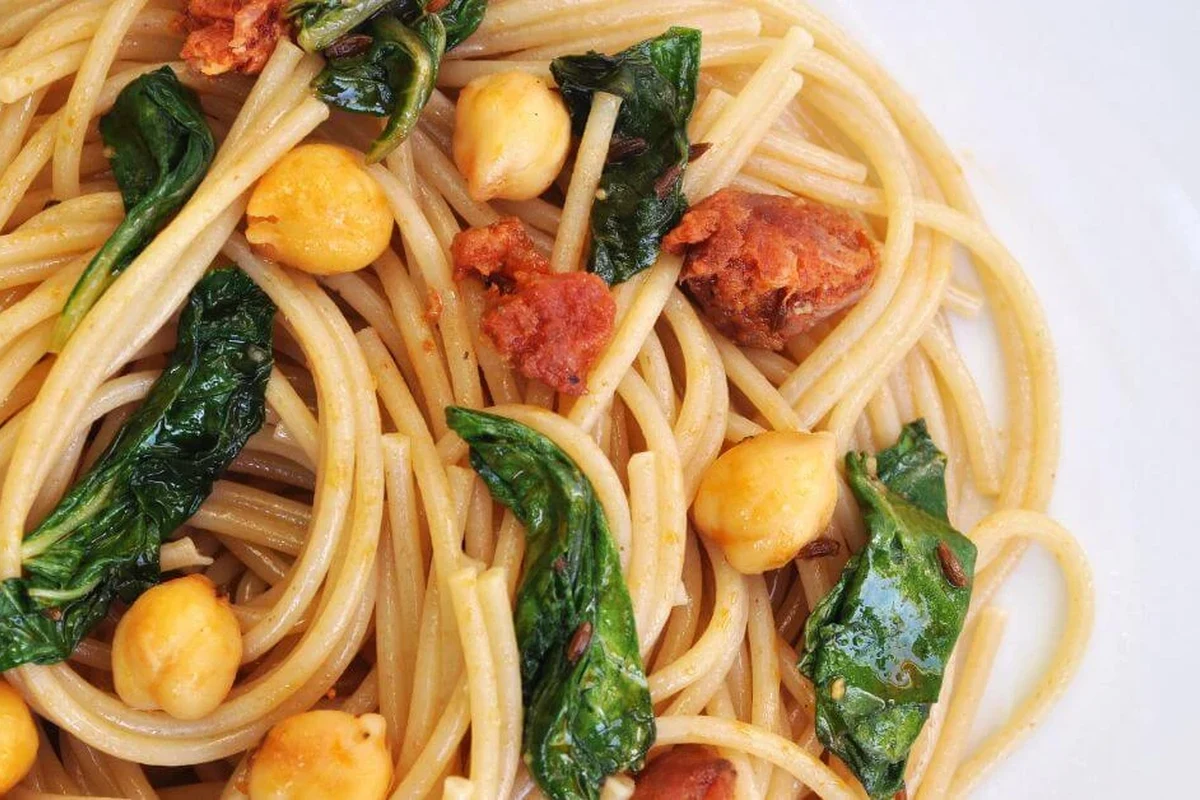
The first thing most people notice is the bean-like flavor. It is gentle, not loud, and it often tastes a bit like chickpeas, but softer.
Many brands also have a light nutty note. Some people describe the taste as close to whole grain pasta, while others notice a faint earthy finish.
The texture matters just as much as the flavor. Chickpea pasta can feel firmer and more filling than regular pasta, and some brands taste smoother than others.
Is chickpea pasta sweet or savory?
It is usually savory. Any sweetness is mild and comes from the chickpea itself.
In short, chickpea pasta does not taste like plain wheat pasta. It has its own flavor, but it stays mild enough for many sauces.
How Chickpea Pasta Is Made and Why It Tastes Different
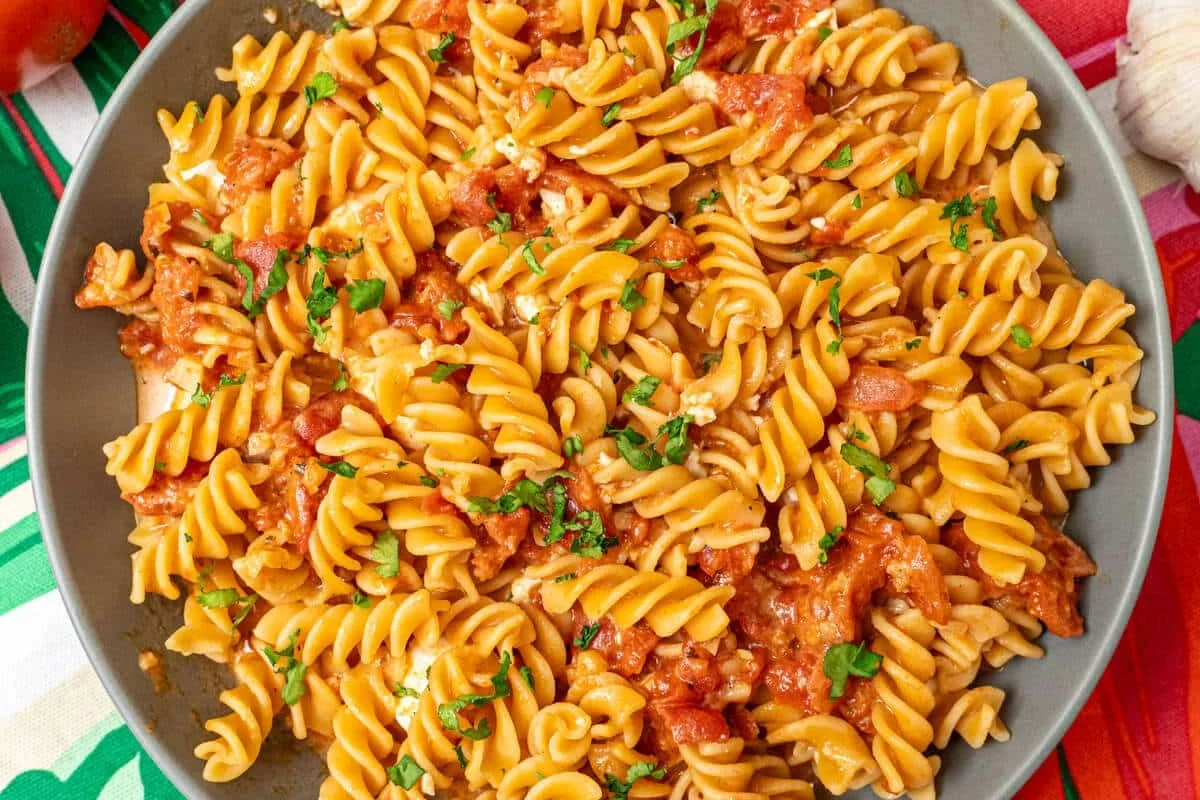
Chickpea pasta starts with chickpea flour or a blend that uses chickpeas as the main ingredient. That change in flour is the main reason it tastes different from classic pasta.
Wheat pasta gets most of its taste and chew from semolina. Chickpea pasta brings more bean flavor, more protein, and often a denser bite.
Key Ingredients and Common Brands
Most chickpea pastas use chickpea flour, sometimes with water and a small number of added ingredients. Some brands keep the list short, while others mix in lentil or rice flour for texture.
That ingredient list shapes the final taste. A product with only chickpeas often tastes stronger and feels firmer.
Ingredient lists vary by brand and shape. Always check the package if you want a cleaner label or a milder taste.
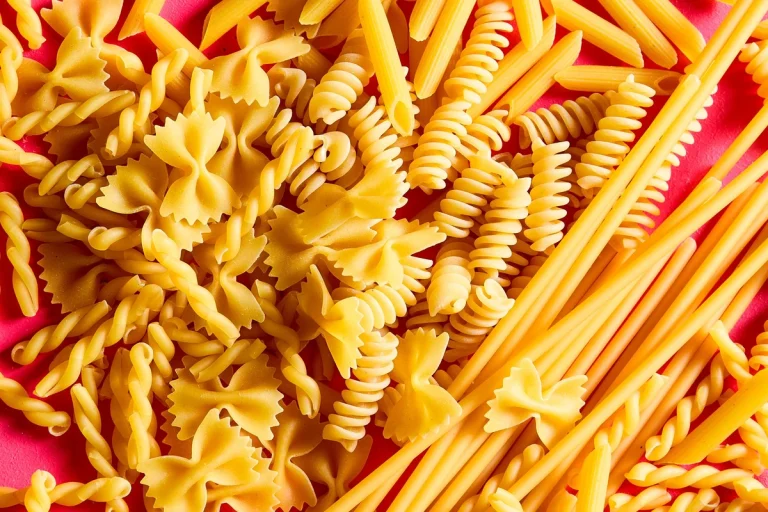
Common shapes include elbows, rotini, penne, and spaghetti. Short shapes often hold sauce well, which can help balance the bean flavor.
Texture, Aroma, and Aftertaste
Dry chickpea pasta often smells faintly like dry beans or flour. After cooking, that smell usually softens a lot.
The texture can be a little grainy if it is overcooked. When cooked right, it feels pleasantly firm and more substantial than many wheat pastas.
The aftertaste is usually the biggest difference. Some people notice a mild legume finish at the end of each bite.
Short pasta shapes often hide flavor differences better than long noodles.
In short, the taste comes from the chickpea flour, and the texture comes from how the pasta is made and cooked.
Is Chickpea Pasta Good for Everyday Meals?
Yes, it can be. Chickpea pasta works well for many weeknight meals, especially if you like hearty pasta and bold sauce.
It may not replace wheat pasta for everyone. Still, it can be a smart pantry option when you want more protein or need a gluten-free choice.
Best Uses in Simple Recipes
Chickpea pasta does best in meals with strong flavor. Tomato sauce, pesto, garlic oil, and creamy sauces can all help round out the taste.
It also works well in pasta salads if you cool it properly and avoid overcooking. A little olive oil and fresh herbs can help a lot.
- Use bold sauces to balance the bean flavor.
- Keep add-ins simple, like herbs, cheese, or roasted vegetables.
- Rinse only if the package suggests it or the shape needs it.
For example, a simple tomato and basil sauce often tastes better with chickpea pasta than a very light butter sauce.
When It Works Better Than Wheat Pasta
Chickpea pasta can be a better fit when you want more protein in a meal. It can also help if you need a gluten-free pasta option.
It may feel more filling, so smaller portions can work well. That can be useful for lunch or quick dinners.
In short, chickpea pasta is good for everyday meals if you like its flavor and use the right sauce.
Chickpea Pasta Benefits and Limits
Chickpea pasta has real upsides, but it also has a few trade-offs. Knowing both helps you avoid disappointment.
Protein, Fiber, and Gluten-Free Appeal
Many shoppers choose chickpea pasta for its protein and fiber content. Exact amounts vary by brand, so check the label if those numbers matter to you.
It also appeals to people who avoid gluten. That said, you should still check the package for allergen notes and cross-contact warnings.
- Often higher in protein than wheat pasta
- Usually a good gluten-free option
- Can feel more filling in small portions
It can be a helpful pantry swap, but it is still a processed food. Balance matters, just like with any pasta.
Common Drawbacks to Know
The biggest complaint is taste. Some people find chickpea pasta too earthy or too bean-like.
Texture is another issue. If you cook it too long, it can turn mushy or break apart.
- More protein than many standard pastas
- Gluten-free for many diets
- Pairs well with strong sauces
- Bean flavor may not suit everyone
- Texture can turn soft fast
- Some brands cost more than wheat pasta
In short, the benefits are real, but the flavor and texture can be a dealbreaker for some people.
How to Cook Chickpea Pasta the Right Way
Chickpea pasta needs careful cooking. The difference between firm and mushy can be small.
Follow the package directions first. Brand and shape matter, so cooking time can vary a lot.
Cooking Time, Water, and Stirring Tips
Use plenty of salted water so the pasta moves freely. Stir early and often to keep pieces from sticking together.
Taste it a minute or two before the timer ends. Chickpea pasta can go from firm to soft very quickly.
Hot water and steam can burn. Drain pasta carefully and keep children away from the stove.
Save a little pasta water if you want a smoother sauce. That starch can help the sauce cling better.
Common Mistakes That Affect Taste
Overcooking is the most common mistake. It can make the pasta soft, gummy, or split apart.
Using too little water can also cause sticking. So can skipping the stir in the first few minutes.
- Check doneness early
- Use a large pot of water
- Toss with sauce right away
- Boiling it far past the package time
- Leaving cooked pasta to sit in water
- Using very delicate sauces that get lost
In short, chickpea pasta tastes best when you treat it gently and stop cooking a little early.
Chickpea Pasta vs Regular Pasta
This comparison usually comes down to flavor, texture, and your goals at the table. Neither one is best for every meal.
Flavor, Texture, and Nutrition Compared
Regular pasta tastes neutral and familiar. Chickpea pasta tastes nuttier and more earthy.
Regular pasta often has a softer, springy bite. Chickpea pasta is usually denser and can feel more filling.
Nutrition also differs, but exact values depend on the brand and serving size. Chickpea pasta often offers more protein and fiber.
| Option | Best For | Key Consideration |
|---|---|---|
| Chickpea pasta | Gluten-free meals and higher-protein dishes | Mild bean taste and firmer texture |
| Regular pasta | Classic pasta flavor and broad recipe use | Less protein in many products |
Who Should Choose Each One
Choose chickpea pasta if you want a pasta with more character and a heartier feel. It can be a good fit for busy weeknights and simple sauces.
Choose regular pasta if you want the most familiar taste and texture. It is usually the safer pick for picky eaters and classic Italian-style dishes.
Chickpea pasta can fit that need well.
Regular pasta is the more familiar choice.
In short, chickpea pasta is the better swap for nutrition goals, while regular pasta wins on classic flavor.
Buying Guide: What to Look for in Chickpea Pasta
If you are shopping for chickpea pasta, read the label closely. Small ingredient changes can make a big difference in taste and texture.
Ingredients, Price, and Value
Look for a short ingredient list if you want a cleaner product. Chickpea flour should usually be the main ingredient.
Price can vary by brand and store, so think about value instead of chasing the lowest shelf tag. A better texture or milder flavor may be worth it.
- Check the main ingredient list
- Look for allergen and gluten notes
- Compare shape, serving size, and texture claims
- Read cooking directions before you buy
Also check the package for storage and cooking notes. Some brands hold up better in baked dishes, while others work best in quick sauces.
Best Options for Taste and Texture
If you care most about taste, start with a simple shape like penne or rotini. Those shapes often handle sauce well and mask some of the bean flavor.
If you care most about texture, look for brands that promise a firmer bite. Still, the final result depends on cooking time.
In short, the best chickpea pasta is the one that matches your taste, your sauce, and your cooking style.
Final Verdict: Should You Try Chickpea Pasta?
Yes, if you want a hearty, gluten-free pasta with more protein and a mild bean flavor. It is not a perfect stand-in for wheat pasta, but it can be very good in the right dish.
If you want the most classic pasta taste, regular pasta may still be your best choice. But if you are open to something a little different, chickpea pasta is worth trying.
Chickpea pasta is a solid pantry option for people who want more protein, a gluten-free choice, and a firmer bite. It works best with bold sauces and careful cooking, while regular pasta still wins for the most familiar flavor.
For most home cooks, the answer is simple. Chickpea pasta tastes good when you expect a mild, nutty pasta, not a wheat clone.
Frequently Asked Questions
Chickpea pasta tastes mild, nutty, and a little earthy. Regular pasta tastes more neutral and familiar.
Yes, but only lightly. The bean flavor is usually softer than the taste of whole chickpeas.
Cook it just until tender and taste it early. Use plenty of water and stir it during the first few minutes.
Bold sauces work best, like tomato sauce, pesto, garlic oil, or creamy sauces. They help balance the bean flavor.
Many chickpea pastas are gluten-free, but you should still check the label. Look for allergen notes and cross-contact warnings.
Check the ingredient list, cooking directions, and allergen notes. A short ingredient list and a shape you like can improve the final result.