How Many Ounces Is 2 Cups of Pasta Easy Guide

Two cups of pasta usually weigh about 4 to 8 ounces, depending on the shape and whether it is dry or cooked. For the most accurate result, use a kitchen scale instead of cups.
If you’re asking how many ounces is 2 cups of pasta, the short answer is that it depends on the pasta shape and whether it’s dry or cooked. For many dry pasta shapes, 2 cups is often around 4 to 8 ounces by weight, but the exact amount can shift a lot.
That’s why cups can be handy for quick cooking, while ounces give you a more exact result. If you want the safest answer for a recipe, a kitchen scale usually wins.
- Shape matters: Long pasta often weighs less than short pasta in 2 cups.
- Dry and cooked differ: Never swap dry pasta for cooked pasta by volume.
- Scale wins: Ounces or grams give more exact and repeatable results.
- Cups are close: They work well for quick home cooking estimates.
How Many Ounces Is 2 Cups of Pasta? The Quick Answer
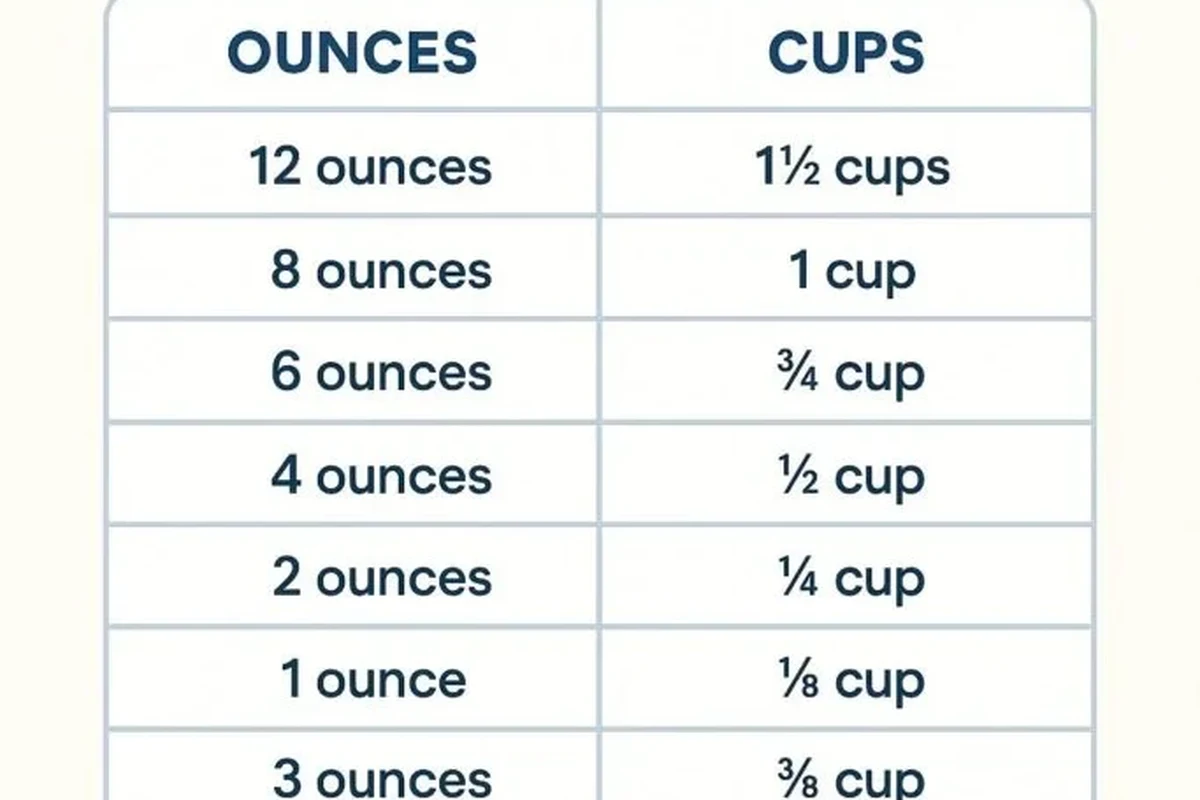
There isn’t one exact answer for every kind of pasta. Two cups of dry pasta can weigh very differently from 2 cups of cooked pasta.
As a rough guide, 2 cups of dry pasta often lands near 8 ounces for many common shapes. But some shapes weigh less, and some weigh more, because they pack into the cup in different ways.
Why the answer changes by pasta shape
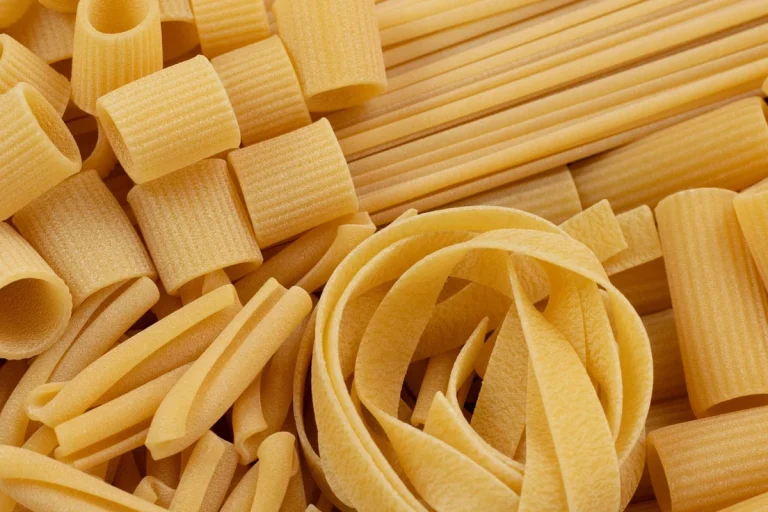
Pasta shape changes how much air sits between the pieces. Long noodles, short tubes, and tiny shapes all fill a cup in different ways.
For example, 2 cups of loose spaghetti strands may weigh less than 2 cups of tightly packed elbow macaroni. The cup measures space, not weight, so shape matters a lot.
Dry pasta versus cooked pasta weight
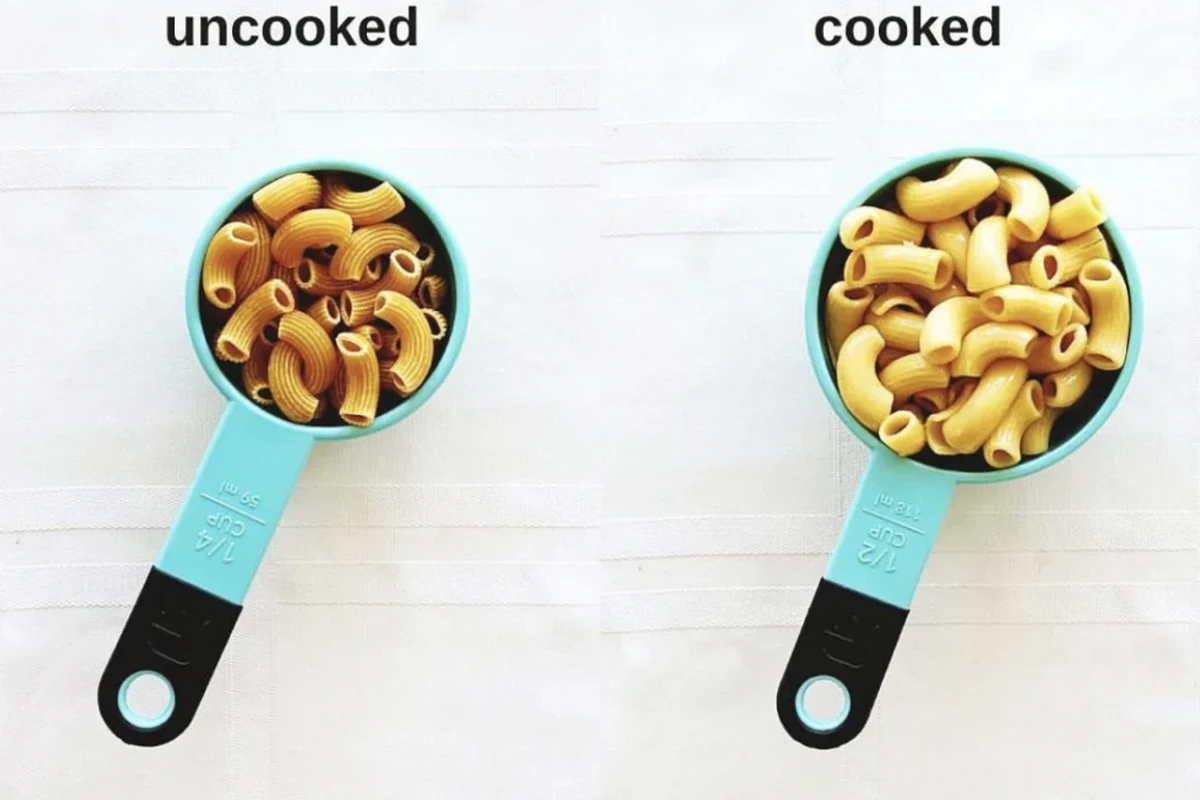
Dry pasta and cooked pasta are not the same thing. Dry pasta absorbs water as it cooks, so it gets heavier and takes up more volume.
That means 2 cups of dry pasta and 2 cups of cooked pasta can have very different ounce counts. If a recipe does not say which one to use, check carefully before you start.
Exact weights vary by brand, shape, and how tightly you fill the cup. A scale gives the most consistent result.
How Pasta Measurements Work in Real Life
In the kitchen, pasta measurements are about more than math. They’re about how the pasta sits in the cup, how you scoop it, and how much room it has.
That’s why two people can measure the same pasta and get different results. One may scoop loosely, while the other may shake the cup and pack it down.
Why cups can be less exact than ounces
Cups measure volume. Ounces measure weight. Those are different things, and pasta shows the gap very clearly.
A cup of airy pasta can weigh much less than a cup of dense pasta. So if you want repeatable results, ounces are usually better than cups.
How pasta packing and shape affect the result
Loose pasta leaves more air gaps. Packed pasta leaves fewer gaps and weighs more in the same cup.
Broken noodles can also change the result. Small pieces settle more tightly, which can make the same cup weigh more than whole pieces.
When a kitchen scale gives the best answer
A kitchen scale helps when you need accuracy. This is especially useful for baking, meal prep, and recipes that depend on exact portions.
If you cook pasta often, a scale also saves guesswork. You can measure the same amount every time and avoid waste.
Set a bowl on the scale, tare it to zero, then add pasta until you reach the target weight.
Common Pasta Types and Their 2-Cup Ounce Estimates
These estimates help you get close when you don’t have a scale. Think of them as practical kitchen ranges, not fixed rules.
Brand, shape, and cup filling style can all shift the final number a little.
Long pasta like spaghetti and linguine
Long pasta often weighs less in a cup than short pasta. The strands trap more air, especially if you measure them loosely.
For 2 cups of dry spaghetti or linguine, a common estimate is about 4 to 6 ounces. If the strands are broken or packed down, the weight can rise.
Short pasta like penne, rotini, and shells
Short pasta usually fills a cup more tightly. The pieces nest together and leave less open space.
For 2 cups of dry penne, rotini, or shells, a common estimate is about 6 to 8 ounces. This range can still move depending on shape and brand.
Small pasta like elbow macaroni and orzo
Small pasta often packs very well in a cup. That makes it heavier than long noodles in the same volume.
For 2 cups of dry elbow macaroni or orzo, the weight is often near 8 ounces, and sometimes a bit more. Tiny pasta can settle fast, so avoid shaking the cup too much.
Many boxed pasta servings are based on dry weight, not cooked volume. That’s one reason the label can feel different from what you see in the pot.
How to Measure Pasta the Right Way
The best method depends on what you’re cooking. If you want speed, cups can work fine. If you want accuracy, ounces are better.
Here’s how to choose the right method without making dinner harder than it needs to be.
Measuring dry pasta with cups
Use a dry measuring cup, not a liquid cup. Fill it loosely and level it off with a straight edge.
Don’t press the pasta down unless the recipe tells you to. Pressing changes the volume and can throw off the amount.
Measuring cooked pasta with cups
Let cooked pasta drain well before measuring. Extra water clings to the noodles and can make the amount look larger than it is.
Scoop gently into the cup. If you pack cooked pasta tightly, you may end up with more pasta than the recipe expects.
Using ounces, grams, and a scale for better accuracy
Ounces work well for many home cooks. Grams work too, and many recipes use them because they stay precise across different shapes.
If your recipe gives a weight, follow the weight. That usually gives the best match for sauce balance, serving size, and texture.
Why This Conversion Matters for Cooking
Pasta measurement affects more than the pasta itself. It changes the sauce ratio, serving size, and final feel of the dish.
A little too much pasta can make a sauce seem thin. Too little can leave the meal underfilled.
Getting the right serving size
Many people use pasta as the base of a meal. If you measure poorly, servings can get too large or too small.
That matters when you cook for one, for kids, or for a group. A steadier measurement helps you plan better.
Keeping sauce and pasta in balance
Good pasta dishes depend on balance. The sauce should coat the noodles, not disappear under them.
If you know your pasta weight, you can match the sauce more easily. That makes the dish taste more even and less dry.
Scaling recipes up or down with confidence
When you double a recipe, measurement errors double too. That’s a fast way to end up with too much or too little food.
Using ounces helps you scale with less stress. It also makes leftovers easier to plan.
Common Mistakes People Make With Pasta Measurements
Most pasta measuring mistakes are simple. The good news is that they’re easy to fix once you know what to watch for.
A few small habits can make your cooking much more consistent.
Mixing up dry and cooked amounts
This is the biggest mistake. Dry pasta and cooked pasta are not interchangeable by volume or weight.
If a recipe says 2 cups of cooked pasta, don’t swap in 2 cups of dry pasta. The final dish will be off by a lot.
Assuming every pasta shape weighs the same
Different shapes hold different amounts of air. That changes the weight in the cup.
Long noodles, tube pasta, and tiny shapes all behave differently. So one rule never fits every pasta type.
Overfilling cups and packing pasta too tightly
It’s easy to heap pasta above the rim. It’s also easy to shake it down and pack in extra pieces.
Both habits make the measurement less accurate. For a better result, fill the cup once and level it off.
For food safety, cool cooked pasta quickly if you plan to store it. Follow safe storage times from trusted food safety guidance.
Best Tools and Simple Tips for Better Pasta Measuring
You don’t need fancy gear to measure pasta well. A few basic tools and habits can make a big difference.
The goal is not perfection. The goal is a result you can repeat.
Measuring cups versus kitchen scales
Measuring cups are fast and familiar. They work well when you just need a rough amount.
Kitchen scales are better when the recipe depends on exact weight. They remove most of the guesswork.
Tools that help with portion control
A small scale is the most useful tool for pasta portions. It helps with both dry and cooked amounts.
Dry measuring cups, a ladle, and a large mixing bowl also help. They keep the process neat and simple.
Easy habits that save time and reduce waste
Measure before you boil. That keeps you from cooking too much pasta by accident.
Keep your most-used pasta shapes in clear containers if you cook them often. It makes scooping and portioning easier.
- Use a scale for recipes that need exact pasta amounts.
- Level dry cups instead of packing them down.
- Check whether the recipe means dry or cooked pasta.
- Match the sauce amount to the pasta weight.
Final Takeaway: The Best Way to Measure 2 Cups of Pasta
So, how many ounces is 2 cups of pasta? The safest answer is that it varies, but 2 cups of dry pasta often falls around 4 to 8 ounces.
Long pasta usually weighs less, while small short pasta often weighs more. Cooked pasta is a different story, so always check whether the recipe means dry or cooked.
When to use ounces
Use ounces when you want accuracy. It’s the better choice for recipe testing, portion control, and scaling meals.
If your recipe lists weight, follow that number. It will usually give you the most reliable result.
When cups are good enough
Cups are fine for quick weeknight cooking. They work best when the exact weight does not matter much.
If you’re making a simple family meal, a close estimate is usually enough.
Practical recommendation for home cooks
For the most dependable result, weigh pasta when you can. If you don’t have a scale, use cups as a helpful estimate and avoid packing the pasta down.
That simple approach keeps dinner easy and helps your sauce, servings, and texture come out better.
- 2 cups of pasta can weigh very different amounts by shape.
- Dry pasta and cooked pasta should never be measured the same way.
- A kitchen scale gives the best accuracy for most recipes.
- Cups are fine for quick, everyday home cooking.
Frequently Asked Questions
No. Many dry pasta shapes are near 8 ounces for 2 cups, but the exact weight changes by shape and how tightly the pasta packs. Long noodles often weigh less, while small shapes can weigh more.
There is no single exact number because cooked pasta varies by shape and how much water it holds. If you need accuracy, weigh the cooked pasta on a scale.
Different shapes trap different amounts of air in a cup. Long pasta, short tubes, and tiny shapes all pack differently, so the same cup can weigh different amounts.
Use ounces when you want the most accurate result. Use cups when you need a quick estimate and the recipe is flexible.
Use a dry measuring cup and level it off without packing the pasta down. For the best result, place the pasta on a kitchen scale and measure by weight.
The biggest mistake is mixing up dry and cooked pasta amounts. That can throw off serving size, sauce balance, and the final texture of the dish.