How to Make Ginger and Garlic Paste at Home Fast

Ginger and garlic paste is easy to make at home with fresh ingredients and a blender. Keep the batch small, store it cold, and use it early in sauces or pasta.
Ginger and garlic paste is one of the fastest ways to add bold flavor to everyday cooking. If you want a simple answer, the best homemade version uses equal parts ginger and garlic, a little oil, and a clean blender or grinder. It takes just a few minutes, and it can save a lot of prep time later.
This guide shows how to make ginger and garlic paste at home fast, how to store it, and when store-bought paste may make more sense. It also explains how the paste behaves in sauces, stir-fries, and pasta dishes.
- Fast method: Blend equal parts ginger and garlic until smooth.
- Best practice: Use dry tools and a clean jar to slow spoilage.
- Cooking use: Add it early for a deeper sauce base.
- Storage rule: Refrigerate soon or freeze small portions.
What Ginger and Garlic Paste Is and Why Home Cooks Use It
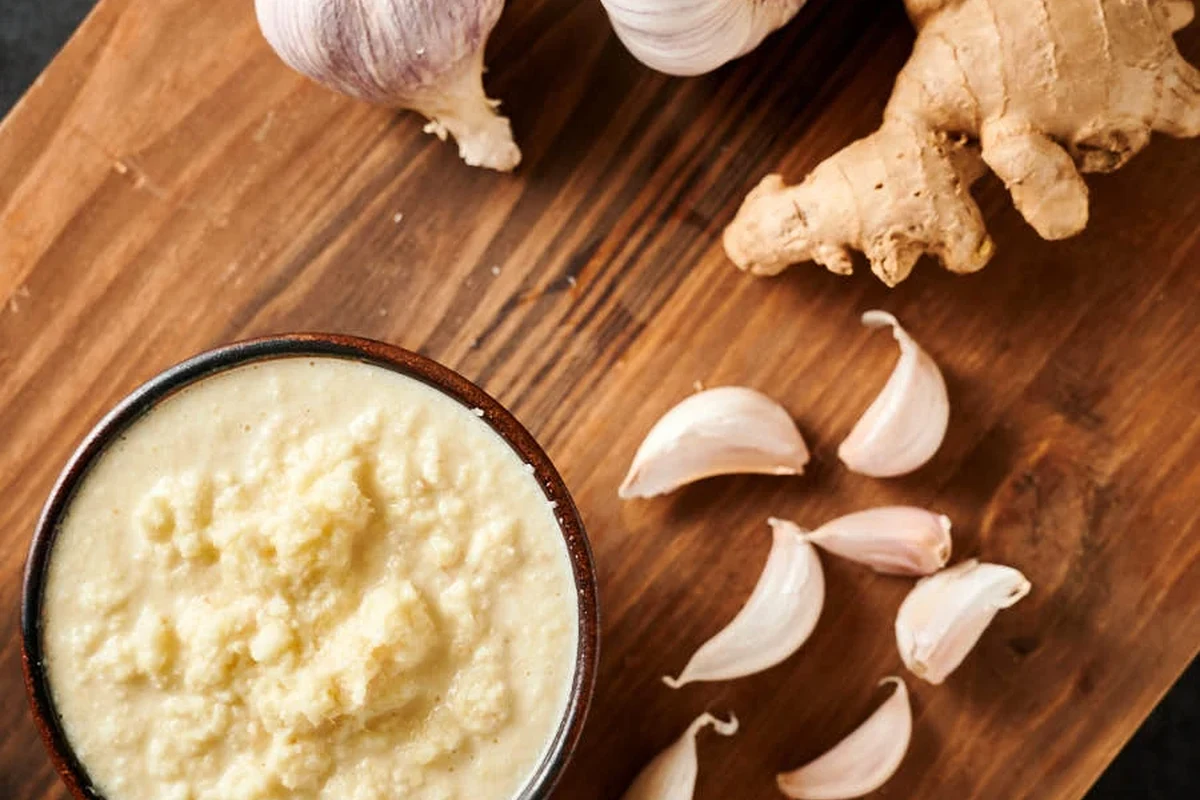
Ginger and garlic paste is a smooth blend of peeled ginger and garlic cloves. Many cooks use it as a flavor base for sauces, curries, marinades, and quick skillet meals. It gives you the sharp, warm taste of both ingredients in one step.
For busy home cooks, that matters. You skip peeling, chopping, and mincing every time you cook. You also get a more even flavor in the pan.
How this paste saves time in daily cooking
The main benefit is speed. Instead of handling two aromatics every time, you scoop one spoonful and move on.
That helps on weeknights when dinner needs to come together fast. It also helps when you cook often and want less knife work.
Make a small batch first. That keeps the paste fresh and helps you learn how much your family likes.
Where it fits in pasta, sauces, and other quick meals
Even though this article sits in a pasta blog, ginger and garlic paste works well in more than pasta. It adds depth to tomato sauce, noodle bowls, fried rice, soups, and pan sauces.
In pasta dishes, it works best at the start of cooking. You sauté it in oil before adding tomatoes, cream, broth, or vegetables. That gives the whole dish a deeper base.
How to Make Ginger and Garlic Paste at Home Fast
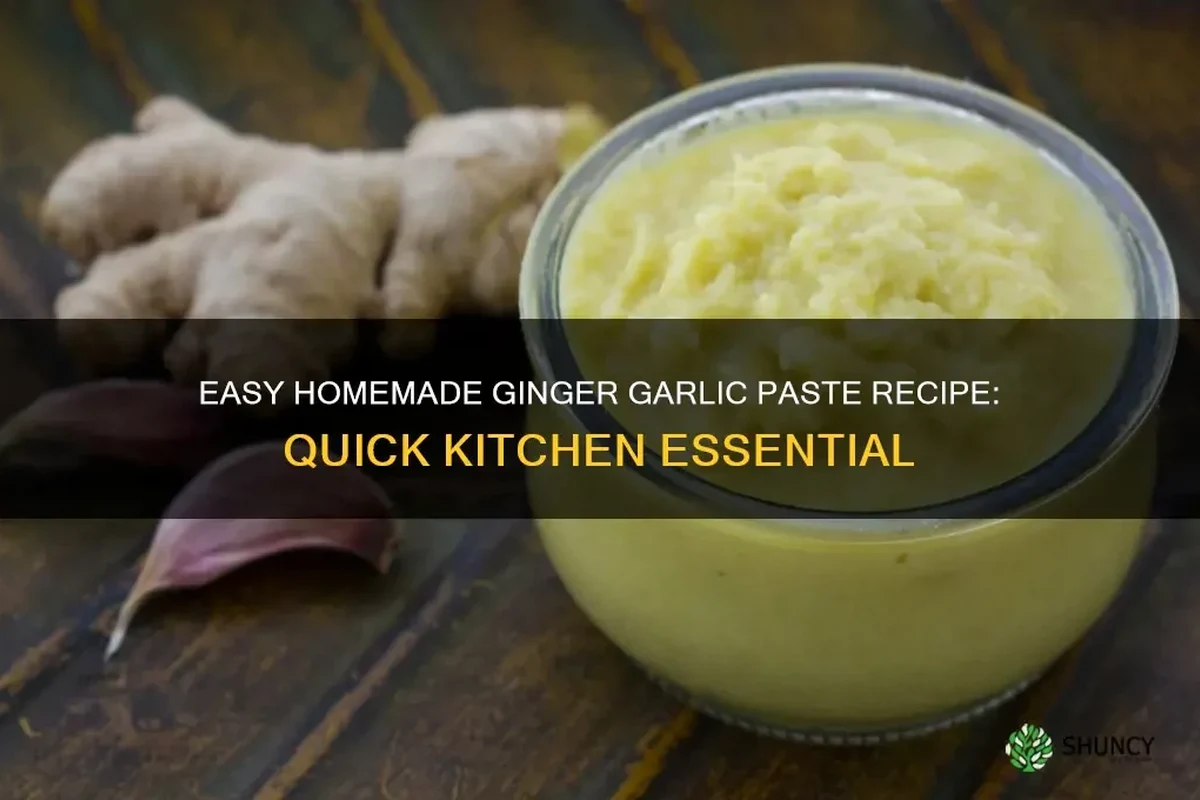
The fastest homemade method is simple. Clean the ingredients, peel them, cut them into small pieces, and blend until smooth. A little oil can help the paste blend and store better.
Basic ingredient ratios that work well
A common starting point is equal parts ginger and garlic by weight or volume. Many cooks like a 1:1 ratio because it gives balanced flavor.
If you want a stronger garlic taste, use a little more garlic. If you want a brighter, fresher taste, use a little more ginger. The right mix depends on the dish.
Step-by-step method for a smooth paste
Peel the garlic and trim the ginger skin. Cut both into small pieces for easier blending.
Use dry tools and dry ingredients. Extra water can shorten shelf life and make the paste spoil faster.
Add the ingredients to a blender or grinder. Pulse until the mix turns smooth, and stop to scrape the sides as needed.
A small amount of neutral oil can help the paste move and blend better. Use only a little.
Spoon the paste into a clean, dry jar. Close it tightly and place it in the fridge or freezer.
Quick blender method for busy cooks
If you are in a rush, the blender method is the easiest. Add peeled garlic, chopped ginger, and a small splash of oil. Blend in short bursts until smooth.
This method works best when you do not overload the jar. If the blades stall, stop and scrape the sides. A small amount of liquid can help, but too much can make the paste watery.
Blenders and grinders vary. Some need more ingredient volume to catch the blades, while others work well with small batches.
Ingredients, Tools, and What to Look For
Good paste starts with good ingredients. Fresh, firm ginger and plump garlic cloves make the smoothest blend and the best flavor.
Best ginger and garlic to choose
Choose ginger that feels firm and looks smooth. Avoid shriveled pieces or roots with moldy spots.
For garlic, pick bulbs that feel heavy for their size. Skip cloves that are soft, green inside, or damaged.
Helpful tools for faster prep and better texture
A sharp knife helps you cut the ginger into small pieces fast. A sturdy blender, mini chopper, or wet grinder can make the paste smoother.
Helps you prep faster and cut the ginger into small, even pieces.
Makes a finer paste with less effort than hand chopping.
Helps protect the paste from extra moisture during storage.
Optional add-ins for longer shelf life
Some home cooks add a little oil or salt to slow spoilage. These additions can help, but they do not make the paste last forever.
Do not rely on oil or salt alone for long storage. Keep the paste cold and check it often for smell, color, or mold changes.
How the Paste Works in Cooking
Ginger and garlic paste changes as it cooks. At first, it smells sharp and strong. As it sautés, the harsh edge softens and the flavor becomes rounder and deeper.
Flavor changes during sautéing and simmering
When the paste hits hot oil, it releases aroma quickly. That is why cooks often add it near the start of a recipe.
If you simmer it in sauce, the flavor becomes smoother. If you cook it too hard, though, the garlic can turn bitter. So keep the heat moderate and stir often.
Why it helps build a strong base for sauces
This paste gives sauces a strong flavor base before tomatoes, broth, coconut milk, or cream go in. It helps the final dish taste fuller without extra work.
That is useful in pasta sauce too. A spoonful can make a simple tomato sauce taste more layered and savory.
How much to use in common dishes
The right amount depends on the recipe and your taste. Start small if you are unsure.
- Use about 1 teaspoon for a single serving sauce.
- Use 1 tablespoon for a small pan of pasta sauce.
- Use more only if the dish needs a stronger flavor base.
- Add the paste early for a deeper flavor.
- Stir often so it does not burn.
- Start with less and taste as you cook.
Benefits and Limits of Homemade Paste
Homemade paste has clear upsides. It tastes fresh, costs less per batch in many homes, and lets you control the texture and flavor balance.
Fresh taste and lower cost
Freshly made paste usually tastes brighter than old jarred paste. You also avoid extra fillers or preservatives that some store versions use.
For cooks who make lots of meals from scratch, that control matters. You can make a batch that fits your exact cooking style.
Short shelf life and storage limits
The trade-off is shelf life. Fresh paste can spoil if it picks up water, dirt, or air.
That means you need clean tools, sealed storage, and cold temperatures. If you make too much, some of it may go to waste.
When store-bought paste may be the better choice
Store-bought paste may suit you if you cook less often or want the longest possible shelf life. It can also help if you need a very consistent product and do not want prep time.
- Fresh taste
- Easy to customize
- Good for quick home cooking
- Short storage life
- Needs clean prep
- Can spoil if handled badly
Common Mistakes and How to Avoid Them
Most paste problems come from moisture, poor blending, or bad storage. The good news is that each one is easy to fix once you know what to watch for.
Using wet tools or damp ingredients
Water is one of the biggest problems. It can make the paste thin and can also help spoilage start sooner.
Dry the ginger after washing it. Make sure the knife, board, blender, and jar are dry too.
Grinding the paste too coarse or too thin
A coarse paste can leave stringy bits in the pan. A very thin paste can spread too fast and cook unevenly.
Try to blend until the mix looks smooth but still thick enough to spoon. If needed, stop and scrape the sides instead of adding too much liquid.
Skipping proper storage steps
Do not leave the paste on the counter for long. Put it in the fridge soon after making it.
Also, use a clean spoon each time you scoop some out. A dirty spoon can bring in germs and shorten the life of the whole jar.
- Use dry tools and a clean jar
- Store small batches for faster use
- Check for odd smell or mold before using
- Do not add too much water
- Do not leave paste at room temperature
- Do not use dirty spoons in the jar
Safety, Cleaning, and Storage Tips
Good storage keeps the paste safer and helps it last longer. Clean tools also matter because ginger and garlic paste is best when it stays dry and uncontaminated.
How to keep the paste safe in the fridge
Store the paste in a sealed glass jar or another clean container. Keep it in the coldest practical part of the fridge, not in the door.
Use it within a short time and check it often. If the color changes, mold appears, or the smell turns sour, throw it out.
Freezing tips for longer use
Freezing is a smart option if you make paste in larger batches. You can freeze small spoonfuls in a tray, then move them to a freezer-safe bag or container.
That makes it easy to grab only what you need. It also reduces waste because you do not thaw the whole batch each time.
Follow the appliance manual and stop using damaged equipment. If a blender jar cracks, leaks, or smells burnt, do not keep using it.
Easy cleanup for blender, jar, and knife tools
Rinse the blender right away so the paste does not dry on the blades. Warm soapy water usually helps, but always follow the manual for your appliance parts.
Wash knives and cutting boards with hot, soapy water. Dry everything fully before you store it. That helps prevent rust, residue, and water spots.
Final Recommendation: The Best Way to Make Ginger and Garlic Paste in 2026
For most home cooks in 2026, the best method is still the simple one. Use fresh ginger, fresh garlic, a dry blender or grinder, and a small batch size. That gives you the best mix of speed, flavor, and control.
Who should make it at home
Make it at home if you cook often, want fresher flavor, or like to control the texture. It is especially useful for people who make sauces, pasta, stir-fries, or meal prep recipes each week.
When to buy instead of making it fresh
Buy it instead if you cook less often, need longer storage, or want the least prep work. Store-bought paste can be a practical backup when time matters more than freshness.
Simple closing verdict for Red Kitchen Project readers
Homemade ginger and garlic paste is fast, useful, and easy to fit into daily cooking. If you keep the batch small and store it well, it can become one of the most helpful shortcuts in your kitchen.
- Equal parts ginger and garlic work well for most cooks.
- Dry tools and cold storage help the paste last longer.
- It works best as an early flavor base in sauces and pasta.
- Make it fresh at home when you want control and better taste.
Frequently Asked Questions
A 1:1 ratio is a good starting point for most home cooks. You can adjust it if you want more garlic bite or more ginger brightness.
It depends on storage, moisture, and cleanliness. Keep it sealed in the fridge or freeze small portions if you want it to last longer.
Yes, it works well at the start of cooking. Sauté it in oil first so the flavor becomes smooth and deeper before you add the sauce base.
The fastest method is to peel, chop, and blend the ingredients in short bursts. A small amount of oil can help the mix move and blend more easily.
Extra water is often the cause. Wet tools, damp ingredients, or a dirty spoon can also shorten shelf life.
Freezing is a smart choice if you make a larger batch. It lets you use small portions without thawing the whole container.