How Many Calories in Pasta A Simple Guide for You

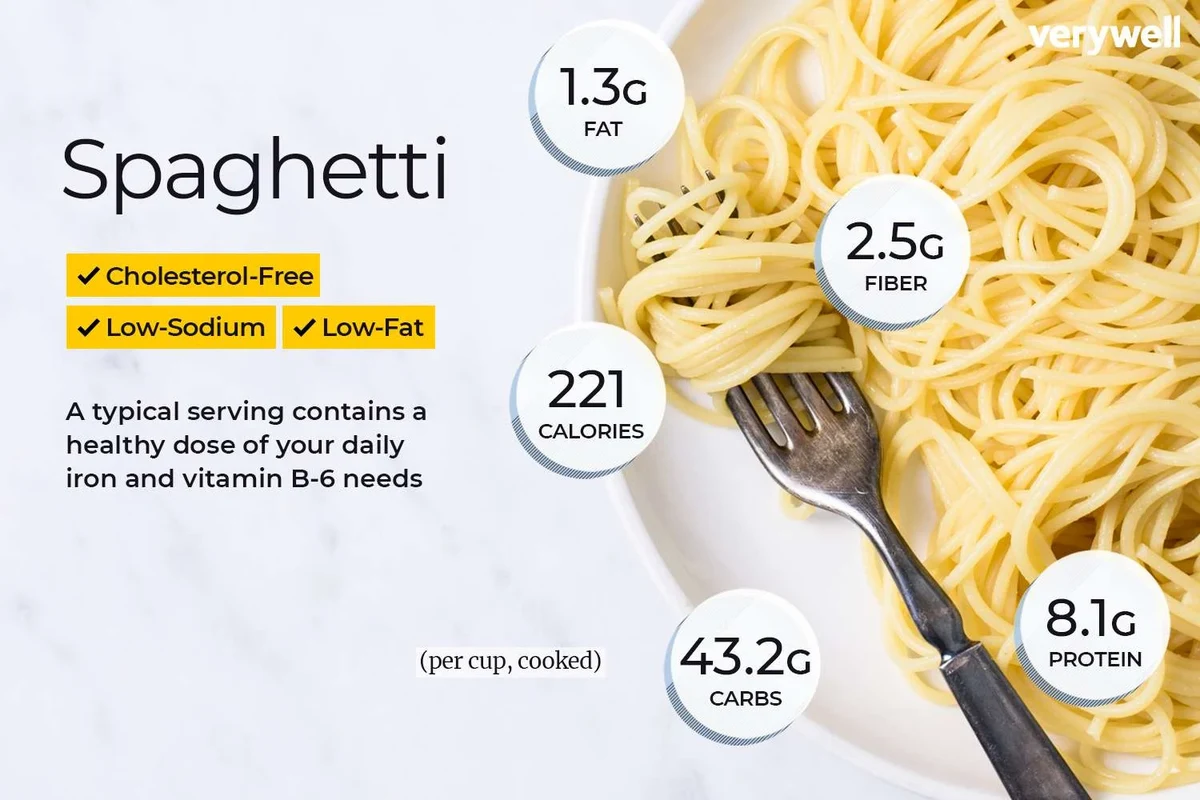
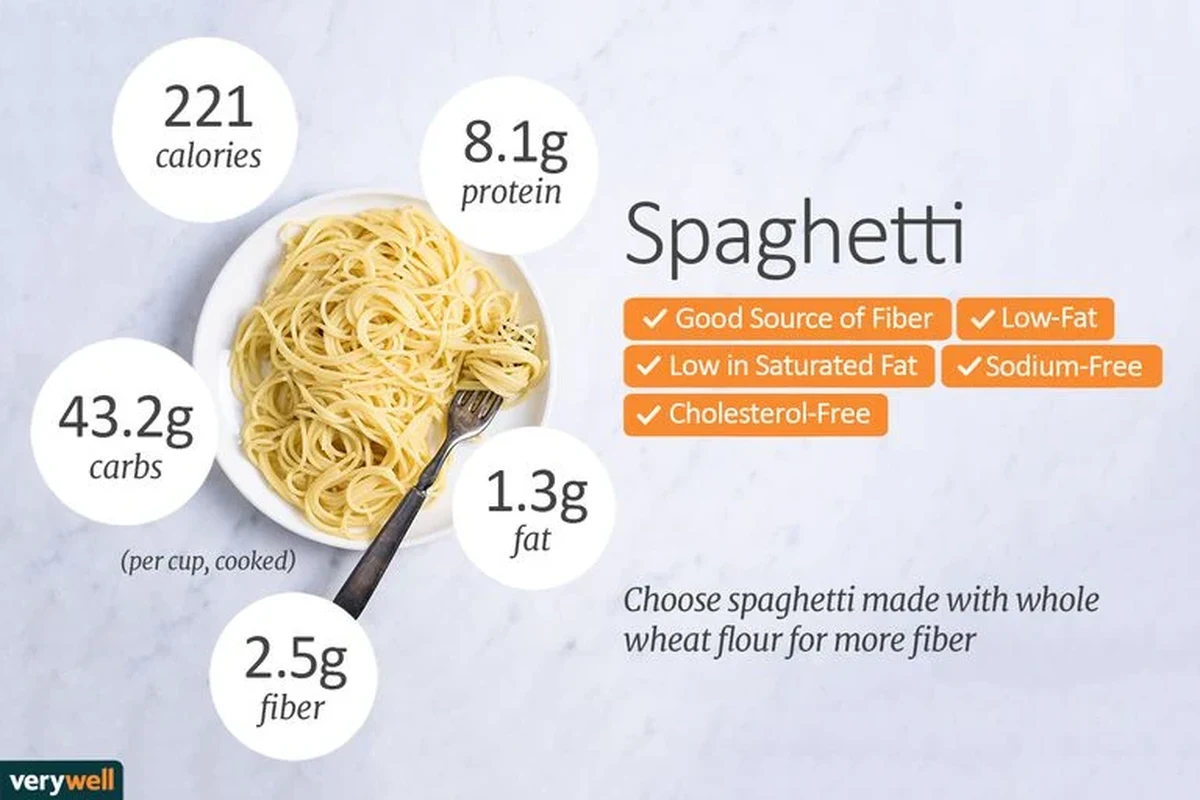
Plain cooked pasta is often about 200 calories per cup. The total rises fast once you add sauce, cheese, oil, or a bigger portion.
If you’re wondering how many calories in pasta, the short answer is this: plain cooked pasta usually lands around 200 calories per cup. Dry pasta looks much smaller, so the calorie count rises fast once you measure it before cooking.
- Cooked vs dry: Dry pasta is easier to count accurately.
- Portion size: Bigger bowls can double the calories fast.
- Extras matter: Sauce, cheese, and oil often add the most.
- Label check: Always read servings in grams and servings per box.
How Many Calories in Pasta? The Quick Answer
Pasta calories depend on whether you measure it dry or cooked. That’s the part that trips up most home cooks.
As a simple rule, one cup of cooked plain pasta is often close to 200 calories. Dry pasta is more dense, so a small handful can turn into a much bigger bowl after boiling.
Calories in cooked pasta vs dry pasta
Cooked pasta holds water. That water adds volume, but not calories.
Dry pasta has no extra water, so it weighs more in calorie terms. For example, 2 ounces of dry pasta is often around one serving and can become about one cup cooked, depending on shape.
That is why a dry measuring cup and a cooked measuring cup are not the same thing. If you mix them up, your count can be off by a lot.
Why serving size changes the number fast
Pasta is easy to overpour. A small dry portion can grow into a large cooked bowl.
Restaurant plates make this even trickier. Many servings are larger than the label serving size, so the calories climb quickly.
Weigh dry pasta when you want the clearest calorie count. It’s more accurate than guessing by eye.
What Affects Pasta Calories Most
Not all pasta is the same. The recipe, shape, and filling all matter.
White pasta, whole wheat pasta, and gluten free pasta
White pasta and whole wheat pasta are often close in calories. The bigger difference usually shows up in fiber and texture.
Whole wheat pasta may keep you full longer because it has more fiber. Gluten free pasta can vary more, since brands use different flours and starches.
Fresh pasta, dried pasta, and stuffed pasta
Fresh pasta often has more moisture and a softer bite. It can still have a similar calorie count per serving, but the label matters most.
Stuffed pasta, like ravioli or tortellini, usually has more calories than plain pasta. The filling adds cheese, meat, or both.
Calories can vary by brand, shape, and recipe. Always check the package label if you need a close count.
How shape and brand can change the count
Shape changes how much pasta fits in a cup. Small shapes pack tighter than long noodles.
Brand also matters because some pasta is denser. Two products can look similar and still have different serving sizes.
How to Read Pasta Nutrition Labels
The label tells you the best starting point. The trick is reading it the right way.
Serving size, grams, and cup measurements
Start with the serving size in grams. That number is usually more exact than cups.
Many pasta labels list a dry serving, not a cooked one. If the label says 2 ounces dry, that is not the same as 2 ounces cooked.
Should I count pasta by cups or by weight?
Weight is usually better. Cups can change a lot based on shape, packing, and how the pasta cooks.
Calories from pasta alone vs added ingredients
Plain pasta is only part of the meal. Sauce, cheese, oil, and meat can add a lot more calories.
That means a simple bowl can go from light to heavy fast. A modest sauce may be fine, while a rich cream sauce can push the total much higher.
Common label mistakes people make
One common mistake is reading the cooked amount as if it were dry. Another is ignoring the number of servings in the box.
People also forget that a serving of sauce may be much smaller than what they pour. That can double the real total without warning.
Calories in Popular Pasta Portions
Portion size matters more than most people think. A little extra pasta can add up fast.
One cup of cooked pasta
One cup of cooked plain pasta is often around 200 calories. That’s a useful ballpark for spaghetti, penne, and similar shapes.
Still, the exact number depends on the brand and type. Stuffed pasta will usually be higher.
Two cups of cooked pasta
Two cups of cooked plain pasta are often around 400 calories. That’s before sauce, cheese, or oil.
For many people, that’s already a full meal base. Add toppings, and the total can climb fast.
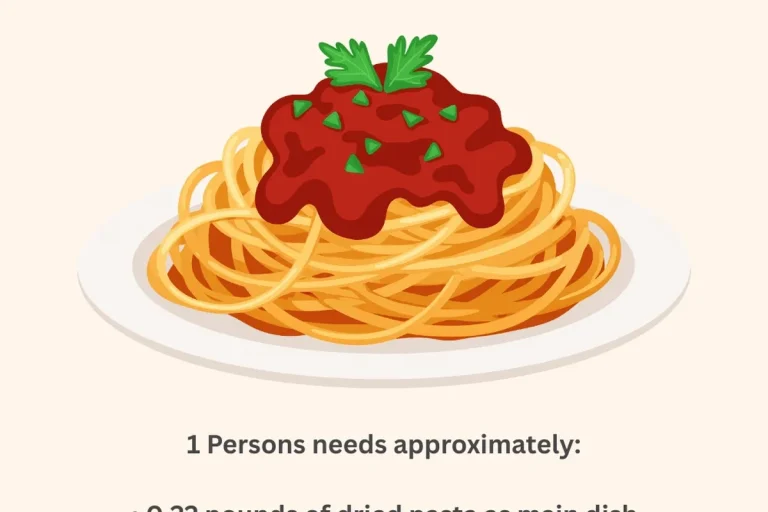
Pasta often looks like a small portion in a pot, then expands into a much larger bowl after cooking.
Restaurant portions and home portions
Restaurant servings are often much larger than home servings. A plate can hold two or three cups without looking huge.
At home, your bowl size changes what feels “normal.” A deep bowl can make a single serving look tiny.
How Pasta Calories Change with Sauces and Toppings
Plain pasta is only the base. The extras usually do the heavy lifting.
Tomato sauce, cream sauce, and pesto
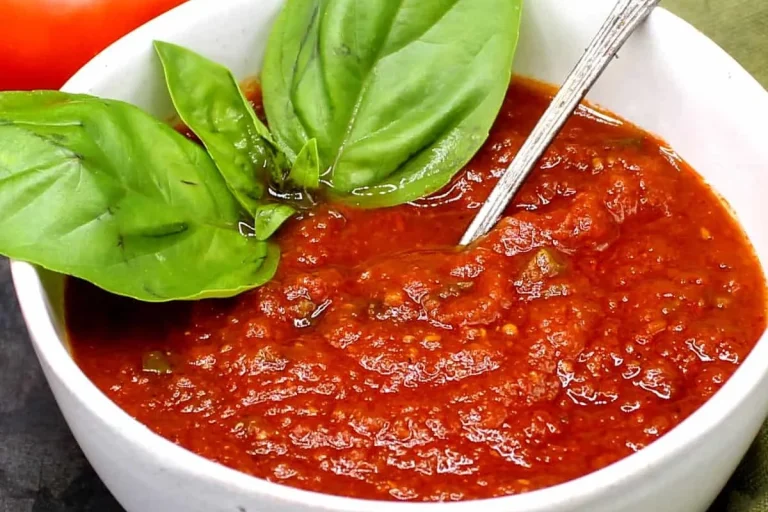
Tomato sauce is often the lightest of the three. It can still vary if it includes sugar or extra oil.
Cream sauce usually adds more calories because of butter, cream, or cheese. Pesto can also be rich since it often contains oil and nuts.
Cheese, meat, and oil add-ons
Cheese adds flavor fast, but it also adds calories fast. A small sprinkle is different from a heavy layer.
Meat, sausage, and meatballs can make pasta more filling. Olive oil helps with taste, but it adds up quickly if you pour freely.
Light ways to build a filling bowl
Start with a moderate pasta portion. Then add vegetables, lean protein, and a simple sauce.
That mix can feel satisfying without going overboard. It also gives you more volume for the calories.
- Use more vegetables to stretch the bowl.
- Choose tomato-based sauces when you want a lighter meal.
- Measure oil and cheese instead of pouring by habit.
Is Pasta Healthy? Benefits and Limits
Pasta can fit into a healthy diet. The key is how much you eat and what you serve with it.
When pasta fits a balanced meal
Pasta works well when you pair it with protein, vegetables, and a sensible sauce. That makes the meal more balanced and filling.
It can also be a good energy food for active days. Many people like it because it’s simple, cheap, and easy to build around.
When pasta can push calories too high
Pasta becomes a problem when the portion gets too large. Rich sauces and heavy toppings can push it even higher.
That matters if you’re watching weight or trying to keep meals lighter. A big bowl can quietly turn into a very high-calorie meal.
Best choices for weight goals and energy needs
If you want better control, choose plain pasta, watch the sauce, and keep the serving size steady. Whole wheat pasta may help some people feel full longer.
If you need more energy, a larger pasta meal can make sense. The best choice depends on your day, your goals, and your hunger.
Common Mistakes When Counting Pasta Calories
Most pasta calorie mistakes are simple. That’s good news, because they’re easy to fix.
Measuring dry pasta after cooking
This is one of the biggest errors. Dry pasta grows after boiling, so the cooked amount looks much larger.
If you measure after cooking, you may think you ate less than you did. That can throw off your count fast.
Forgetting sauces, cheese, and extras
Plain pasta is only part of the meal. Sauce, cheese, and oil often add more calories than the pasta itself.
Even small extras matter. A few spoonfuls here and there can change the total more than you expect.
If you have food allergies, check the full ingredient list. Pasta can contain egg, wheat, dairy, soy, or other allergens.
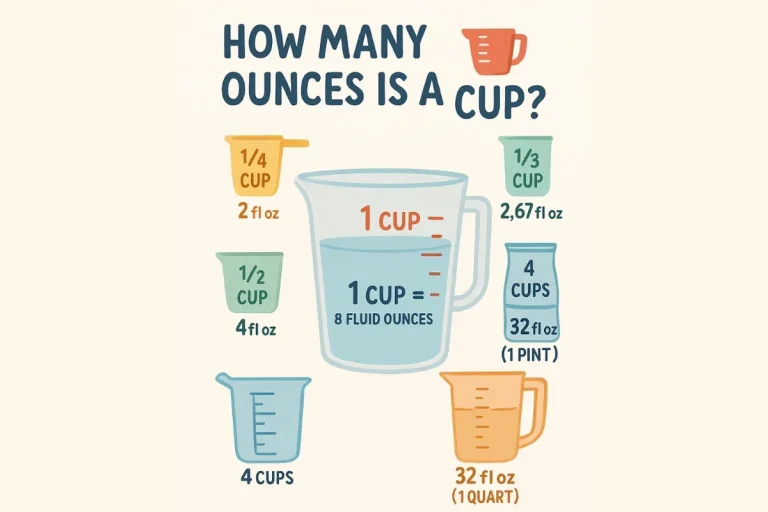
Using the wrong cup size or bowl size
A mug, a cereal bowl, and a measuring cup all hold different amounts. That can make your portion look smaller or bigger than it is.
For better accuracy, use a real measuring cup or a food scale. It’s a small step that helps a lot.
Final Recommendation: How to Enjoy Pasta Without Guesswork
The easiest way to count pasta calories is to start with dry weight, then add the rest of the meal. That gives you a much clearer picture.
For most home cooks, a moderate portion of plain pasta with a light sauce is a smart middle ground. It’s filling, flexible, and easier to track.
Simple portion tips for everyday cooking
Pick one serving size and stick with it. If you want more volume, add vegetables instead of more pasta.
Measure sauce, cheese, and oil when you can. That one habit makes the biggest difference.
Best next step for readers who want better control
Check the pasta box label, then compare it with your usual bowl size. If you cook pasta often, a kitchen scale can make counting much easier.
In short, pasta can fit almost any meal plan. You just need to watch the portion and count the extras honestly.
- Cooked pasta is usually about 200 calories per cup.
- Dry pasta is more accurate for calorie tracking.
- Sauces, cheese, and oil often add the most calories.
- Portion size matters more than pasta shape alone.
Frequently Asked Questions
One cup of cooked plain pasta is often around 200 calories. The exact number can change by brand, shape, and type.
Dry pasta is not higher in calories by itself, but it is more dense. Once it cooks, it absorbs water and looks much larger.
Whole wheat pasta is often close to white pasta in calories. The bigger difference is usually fiber, taste, and texture.
Sauces can add a lot of calories, especially cream sauce, pesto, cheese, and oil. Tomato sauce is often lighter, but the recipe still matters.
Weigh dry pasta when you can, then add the calories from sauce and toppings. That gives you a more accurate total than guessing by bowl size.
Yes, pasta can fit a healthy meal plan when the portion is moderate and the meal includes vegetables and protein. The main issue is usually portion size and rich toppings.