Is Thai Red Curry Paste Spicy A Simple Guide

Yes, Thai red curry paste is usually spicy, but the heat level depends on the brand and how much you use. Coconut milk and careful tasting make it easy to control.
Yes, Thai red curry paste can be spicy. But the heat level depends on the brand, the chile mix, and how much you use. Some pastes taste bold and hot. Others feel warm, rich, and only mildly spicy.
If you’re new to it, think of red curry paste as a flavor base, not just a heat bomb. It brings chile heat, garlic, lemongrass, galangal, and other savory notes that make curry taste deep and bright.
Is Thai red curry paste always very hot?
No. The heat varies a lot by brand and recipe. Some versions are mild enough for weeknight cooking, while others can feel quite sharp.
- Heat varies: Different brands use different chiles and amounts.
- Balance matters: Coconut milk, broth, and vegetables soften spice.
- Start small: Add paste slowly and taste as you cook.
- Read labels: Check chile placement, sodium, oil, and sugar.
Is Thai Red Curry Paste Spicy? The Short Answer
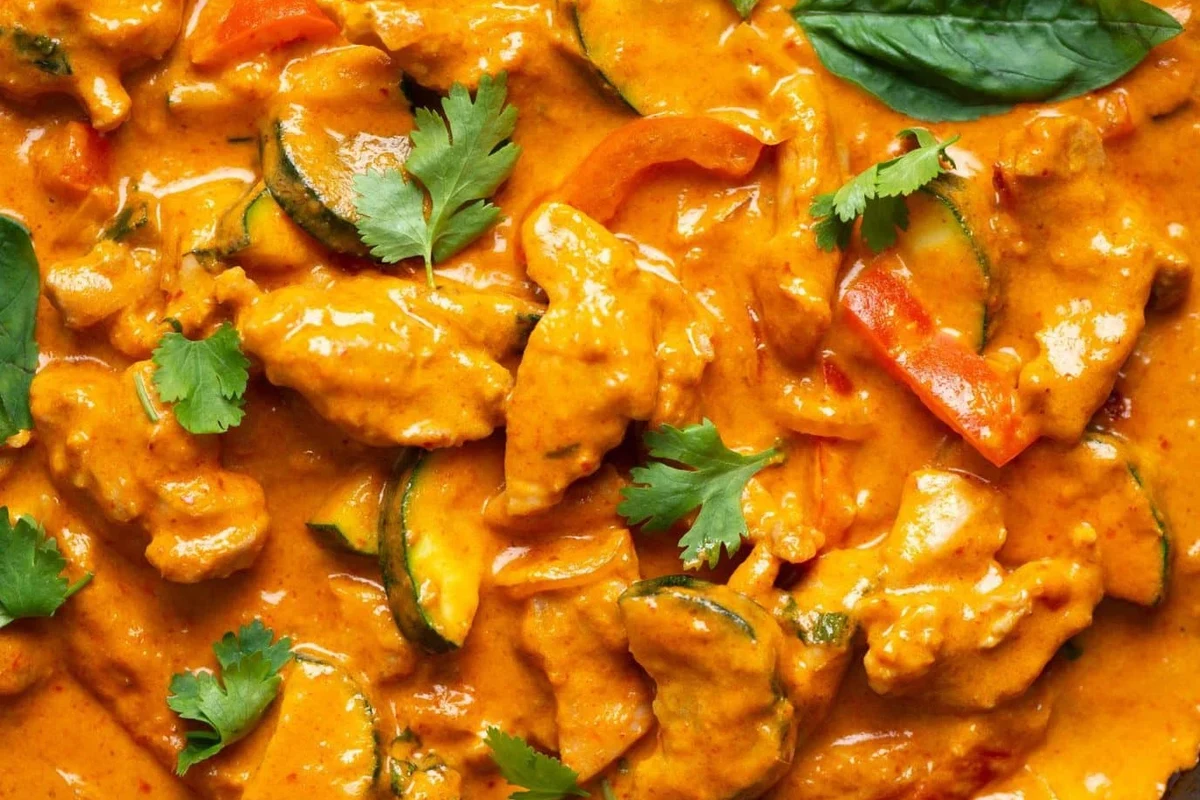
Thai red curry paste is usually spicy, but not always in a harsh way. Most of the heat comes from red chiles, and the rest of the paste adds balance.
In a finished curry, the spice often feels softer than it does straight from the jar. Coconut milk, broth, vegetables, and protein all help spread out the heat.
So the best short answer is this. Thai red curry paste can be spicy, but the final dish is easy to control if you start small.
What Gives Thai Red Curry Paste Its Heat
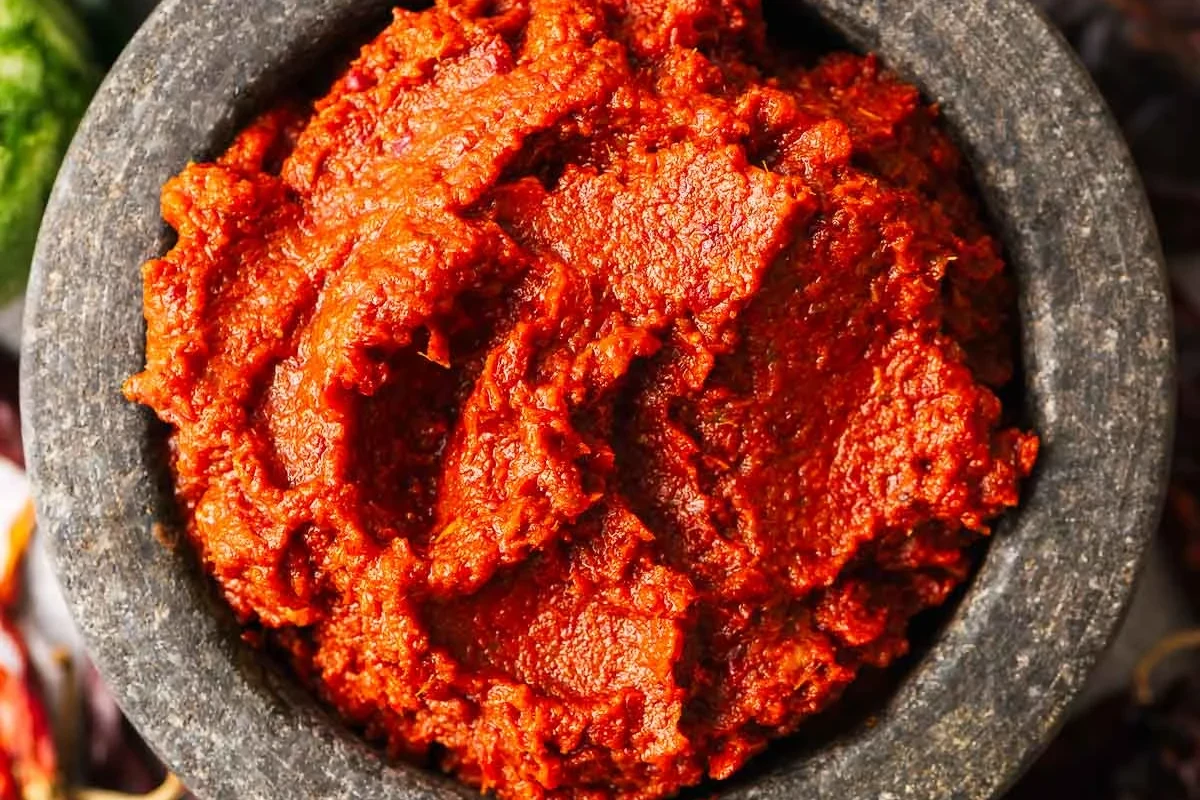
Red curry paste gets its heat from the ingredients in the paste itself. But it also gets its flavor from herbs, roots, and aromatics that round out the burn.
Chiles and spice level
Red chiles are the main source of heat. Different brands use different chile types and amounts, so one jar may feel mild while another feels much hotter.
That’s why two red curry pastes can taste very different. A paste with more chiles will hit harder, while a paste with more herbs may taste smoother.
Spice level can vary by region, brand, and batch. Always check the ingredient list if you want a milder jar.
Other flavor builders in the paste
Thai red curry paste is more than chiles. It often includes garlic, shallot, lemongrass, galangal, kaffir lime peel, coriander, and cumin.
These ingredients do not usually add much heat. Instead, they give the paste a fresh, earthy, and citrusy taste. That mix can make the spice feel more complex than just “hot.”
Many curry pastes taste less spicy after cooking because fat and liquid spread the chile heat.
How Spicy Thai Red Curry Paste Feels in Real Cooking
The way red curry paste tastes in a pot is not the same as tasting it raw. Once you cook it, the heat blends with the rest of the dish.
Heat in curries, soups, and noodles
In curry, the spice usually feels warm and steady. In soup, it can seem a little sharper because there may be less fat in the bowl.
In noodles, the paste can cling to each bite. That can make the heat feel stronger, even if you use the same amount you would in curry.
Heat gets softened by coconut milk and simmering liquid.
Spice can feel brighter when the broth is lighter.
Paste can coat food well, so the heat may seem stronger.
Why coconut milk changes the spice
Coconut milk helps cool the sharp edge of chile heat. It also gives the dish a rich body, so the curry tastes smoother and less aggressive.
That said, coconut milk does not erase spice. It just spreads it out and makes it easier to enjoy. If you still want more heat, you can always add a little more paste later.
Hot chiles can irritate skin and eyes. Wash your hands after handling paste, and avoid touching your face while cooking.
What to Look for on the Label Before You Buy
Labels matter because red curry paste is not one fixed product. A quick look at the ingredient list can help you guess the heat level before you buy.
Ingredient list and chile type
Check where chiles appear in the list. If they’re near the top, the paste will likely taste hotter.
You can also look for added herbs and spices. A longer, more balanced list often means the heat will feel less one-note.
- Check where chiles appear in the ingredient list.
- Look for coconut, herbs, and aromatics for balance.
- Read the label for sodium, oil, and added sugar.
- Pick a jar that matches your heat tolerance.
Sodium, oil, and added sugar
Spice is only one part of the label. Sodium, oil, and sugar can change how the paste tastes in your food.
More salt can make the flavor seem stronger. Sugar can soften heat. Oil can help carry the paste through the dish, which may make the spice feel more even.
- Start with a smaller jar if you cook for kids or spice-shy guests.
- Compare labels if you want a cleaner, less salty taste.
- Choose a paste with simple ingredients when possible.
How to Use Thai Red Curry Paste Without Making It Too Hot
You do not need to fear red curry paste. A few simple habits can keep the dish flavorful without making it too spicy.
Start with less and build up
The safest move is to begin with a small spoonful. You can always add more, but you cannot take heat back out once it’s in the pot.
Cook the paste in oil first, then taste the sauce before adding more. That gives you a better sense of the real spice level.
Add a little paste at first, then stir and taste.
Let the paste bloom in oil before adding liquid.
Add more only after the sauce has simmered a bit.
Balance heat with sweet, sour, and creamy foods
Thai cooking often balances hot, sweet, sour, and salty flavors. You can use that same idea at home.
A little sugar, lime juice, or coconut milk can help. Vegetables, tofu, chicken, or noodles also spread the heat across more bites, which makes the dish easier to eat.
- Taste the sauce after each small addition.
- Use coconut milk, broth, or vegetables to soften heat.
- Add lime or sugar for balance, not to hide bad flavor.
- Dumping in a full spoonful without tasting.
- Relying on dairy alone to fix a very hot curry.
- Serving it before checking the final spice level.
Common Mistakes That Make Red Curry Taste Too Spicy
Most too-hot red curry problems come from simple cooking mistakes. The good news is that they’re easy to avoid.
Using too much paste at once
This is the most common mistake. A heavy hand can turn a balanced curry into something that burns instead of tastes rich.
Remember that the paste is concentrated. Even a small amount can flavor a whole pan, especially if you cook for one or two people.
Skipping the taste test while cooking
If you do not taste as you cook, the heat can sneak up on you. The curry may seem fine at first, then become too strong after simmering.
Try to taste near the end, after the flavors blend. That gives you a better read on the final dish.
The curry tastes much hotter than you expected.
Add more coconut milk, broth, vegetables, or rice to spread out the heat.
Is It Worth Buying for Home Cooking in 2026?
Yes, Thai red curry paste is still worth buying in 2026 for many home cooks. It gives you a fast way to make bold meals with very little prep.
Best for quick weeknight meals
Red curry paste works well when you want dinner fast. You can stir it into coconut milk, add a protein, toss in vegetables, and serve it with rice or noodles.
That makes it a strong pantry item for busy nights. It also helps when you want a lot of flavor without chopping a long list of spices.
Limits to know before you choose it
The main drawback is control. Some jars are much hotter than others, and the heat can be hard to judge from the front label alone.
It also may not suit every eater. If you cook for children or people who avoid spice, you may need to use less paste or choose a milder brand.
Thai red curry paste is usually spicy, but it’s also flexible and easy to control. For most home cooks, it’s a smart pantry staple if you start small and balance it with coconut milk or broth. If you want very mild food, look for a gentler brand and taste as you go.
Final Recommendation for Red Kitchen Project Readers
If you’ve been wondering whether Thai red curry paste is spicy, the honest answer is yes, but usually in a manageable way. It’s a good choice if you like bold flavor and want fast meals with depth.
For the best result, read the label, start with less, and build the heat slowly. That simple habit gives you more control and helps you avoid a curry that’s hotter than you wanted.
- Thai red curry paste often has real heat, but the level varies by brand.
- Coconut milk and broth soften the spice in finished dishes.
- Start with a small amount and taste before adding more.
- It’s a strong pantry pick for quick, flavorful home cooking.
Frequently Asked Questions
No. The heat level depends on the brand, the chile mix, and how much you use. Some pastes taste mild, while others are much hotter.
Red chiles are the main source of heat. Garlic, lemongrass, galangal, and herbs add flavor, but they do not usually add much spice.
Start with less paste and add more only after tasting. Coconut milk, broth, vegetables, rice, and a little sugar can help soften the heat.
The heat can feel stronger in lighter soups or noodle dishes. Coconut milk and other fats usually make the spice feel smoother in curry.
Look at the ingredient list for chile type and where chiles appear. Also check sodium, oil, and added sugar if you want a cleaner flavor.
Yes, it is a useful pantry staple for quick meals with big flavor. It works best when you start small and adjust the heat as you cook.