Is White Pasta Healthy What You Need to Know

Yes, white pasta can be healthy when you keep portions moderate and build a balanced meal. It becomes less healthy when you pile on heavy sauces or skip vegetables and protein.
Yes, white pasta can be healthy. It depends on your portion size, what you serve with it, and your overall diet.
- Moderation matters: White pasta works best in sensible portions.
- Balance helps: Add vegetables and protein for a better meal.
- Fiber is lower: Whole wheat and legume pasta offer more.
- Sauces change the picture: Creamy toppings can add many calories.
Is White Pasta Healthy? The Short Answer

White pasta is not a superfood. It is also not a bad food. For most people, it can fit into a balanced meal without trouble.
The main issue is that white pasta uses refined flour. That means it has less fiber than whole grain pasta. Still, it can work well when you pair it with protein, vegetables, and a sensible sauce.
What white pasta is made from
Most white pasta comes from refined wheat flour. Makers often use semolina or durum wheat flour. They mix it with water, then shape and dry it.
This process gives pasta its smooth texture and mild taste. That simple taste is one reason many people keep coming back to it.
When white pasta can fit a healthy diet
White pasta fits well when you eat it in the right amount. It also works better when the rest of the plate has color and protein.
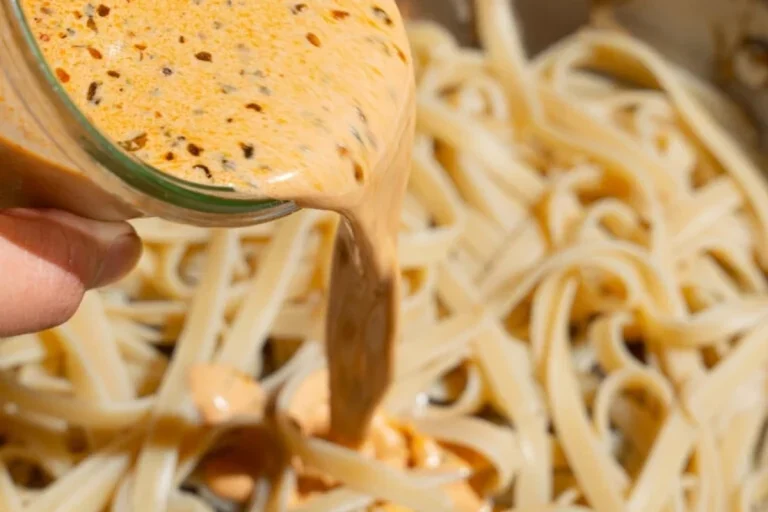
For example, a bowl with pasta, chicken, beans, spinach, and tomato sauce is much more balanced than plain pasta with a heavy cream sauce.
When it may not be the best choice
White pasta may not be the best pick if you need more fiber. It may also be less helpful if you often eat large portions.
If you manage blood sugar, you may want to watch portion size closely. The same goes for meals with rich sauces and little else on the plate.
How White Pasta Is Made and Why It Matters

How pasta is made changes its nutrition. It also affects how filling it feels and how fast it digests.
Refined flour versus whole grain flour
Refined flour removes the bran and germ from the grain. Those parts hold much of the fiber and many nutrients.
Whole grain flour keeps more of the grain intact. That usually means more fiber, a deeper flavor, and a firmer bite.
How processing changes fiber and nutrients
Refining wheat lowers the fiber content. It can also reduce some vitamins and minerals.
Some pasta products get enriched after processing. That means makers add back a few nutrients, but not the full fiber found in whole grains.
Why texture and taste stay popular
White pasta stays popular for a simple reason. It cooks up tender and has a mild taste that works with many sauces.
It also feels familiar to many home cooks. That makes it easy to use on busy nights when you want dinner fast.
Nutrient content can vary by brand, shape, and whether the pasta is enriched. Always check the package label if you want exact values.
Nutrition Facts That Shape the Health Debate
White pasta gets a mixed reputation because it is energy dense but not very fiber rich. That does not make it unhealthy by itself.
Calories, carbs, and serving size
White pasta is mostly carbohydrate. That makes it a quick energy source for the body.
The catch is serving size. A small serving can fit a meal plan well. A very large bowl can push calories and carbs much higher than you meant to eat.
Protein, fiber, and key vitamins
White pasta has some protein, but not a lot. It also has less fiber than whole grain options.
Some enriched pastas contain added B vitamins and iron. Even so, they still do not match the fiber level of whole wheat pasta.
How white pasta compares with whole wheat pasta
Whole wheat pasta usually gives you more fiber. It may also help you feel full longer.
White pasta often wins on taste and texture for picky eaters. That can matter a lot at home, especially with kids or guests.
| Option | Best For | Key Consideration |
|---|---|---|
| White pasta | Classic taste and soft texture | Lower fiber, so portion size matters |
| Whole wheat pasta | More fiber and fuller meals | Denser texture and stronger flavor |
Health Benefits of White Pasta
White pasta still has real upsides. The key is knowing where it helps and where it falls short.
Easy energy for active people
Carbs give your body fast fuel. That can be useful before or after hard exercise.
Active people often need easy-to-digest food. White pasta can fill that role well when paired with lean protein.
Gentle on the stomach for some eaters
Some people find white pasta easier to digest than high-fiber options. That can matter during illness or when your stomach feels sensitive.
Of course, food tolerance is personal. What feels gentle for one person may not work for another.
Simple base for balanced meals
White pasta works like a blank canvas. You can build a better meal around it with very little effort.
That makes it useful on weeknights. A quick pan of vegetables, a protein, and a light sauce can turn it into a solid dinner.
Pasta can feel more filling when you add protein, fiber, and healthy fat to the plate.
Limits and Common Mistakes to Watch For
White pasta becomes less healthy when the rest of the meal goes off track. Most problems come from portions and toppings.
Large portions and blood sugar spikes
A big bowl of pasta can raise blood sugar faster than a smaller serving. This matters more for people who already watch carbs.
Portion size is the easiest place to improve. You do not need to cut pasta out. You just need to keep the serving realistic.
Heavy sauces and extra calories
Cream sauces, lots of cheese, and oily toppings add calories fast. They can turn a simple meal into a heavy one.
That does not mean you must avoid them. It just means they work best as an occasional choice, not the default.
Skipping vegetables and protein
Plain pasta alone is not a balanced meal. It lacks enough fiber, protein, and micronutrients on its own.
If you skip vegetables and protein, you may feel hungry again soon. That often leads to snacking or second helpings.
If you have diabetes or another health condition, ask a qualified professional how pasta fits your meal plan.
How to Make White Pasta Healthier
You can keep white pasta and still improve the meal. Small changes make a big difference.
Use smart portions and plate balance
Start with a modest serving. Then fill the rest of the plate with vegetables and protein.
A good rule is simple. Make pasta one part of the meal, not the whole meal.
Add protein, vegetables, and healthy fats
Try chicken, tuna, shrimp, beans, lentils, tofu, or eggs. Add broccoli, peppers, peas, mushrooms, or spinach.
A little olive oil, avocado, or nuts can also help. These foods add flavor and help the meal feel more complete.
Choose better sauces and toppings
Tomato-based sauces often keep meals lighter than cream-based ones. Pesto can work too, but use it with care because it is rich.
Fresh herbs, garlic, lemon, and a small amount of cheese can add flavor without going overboard.
- Use pasta as the base, not the main event.
- Mix in vegetables before you add more cheese.
- Save creamy sauces for smaller portions.
White Pasta vs Other Pasta Options
Different pasta types serve different goals. The best choice depends on what you want most.
White pasta versus whole wheat pasta
Whole wheat pasta gives you more fiber and often more staying power. White pasta usually tastes softer and blends better with delicate sauces.
If you want better fullness, whole wheat is often the stronger choice. If you want comfort and familiar taste, white pasta may win.
White pasta versus legume pasta
Legume pasta, like chickpea or lentil pasta, often has more protein and fiber. That can make it a strong pick for higher satiety.
It may also have a different taste and texture. Some people love it. Others prefer the classic feel of white pasta.
Which option works best for different goals
If you want comfort and easy cooking, white pasta is a solid choice. If you want more fiber, whole wheat or legume pasta may fit better.
For family meals, mixed preferences matter too. Sometimes the best pasta is the one everyone will actually eat.
Best when you want a mild taste and soft texture.
Best when you want more fiber or protein.
Final Recommendation: Is White Pasta Healthy in 2026?
White pasta can be part of a healthy diet in 2026. It works best when you keep portions reasonable and build a balanced plate.
Best for everyday meals and special cases
White pasta is a good fit for quick dinners, picky eaters, and meals that need a soft texture. It can also work well for active people who need easy energy.
It may be especially useful when you want a simple base for vegetables, lean protein, and a lighter sauce.
Who should limit it more often
People who need more fiber may want to choose whole grain pasta more often. The same goes for anyone trying to manage blood sugar closely.
If rich sauces and large portions are your usual habit, white pasta may not be the best everyday choice.
Bottom line for Red Kitchen Project readers
White pasta is healthy enough for many households when you use it well. The real question is not whether it is good or bad.
The better question is how you build the rest of the meal. That is where the health value really changes.
White pasta is a fine choice for balanced meals when portions stay moderate and the plate includes vegetables and protein. Choose whole wheat or legume pasta more often if you want extra fiber or protein.
Frequently Asked Questions
Yes, white pasta can fit into a healthy diet when portions stay moderate. It works best with vegetables, protein, and a lighter sauce.
Whole wheat pasta usually has more fiber and may keep you full longer. White pasta still works well if you want a softer texture and mild taste.
White pasta has less fiber than whole grain pasta. Lower fiber can mean you get hungry again sooner.
Use a smaller portion and add vegetables, protein, and healthy fats. Tomato-based sauces and herbs can add flavor without too many extra calories.
It can be okay in small portions, but it may raise blood sugar more quickly than higher-fiber pasta. If you manage diabetes, ask a qualified professional for personal advice.
Whole wheat pasta and legume pasta usually offer more fiber or protein. The best choice depends on your taste, goals, and how you plan to serve it.