Is Pasta Heart Healthy What You Need to Know

Yes, pasta can be heart healthy when you keep portions modest and choose better toppings. Whole wheat or bean pasta with vegetables and lean protein is usually the best fit.
Yes, pasta can be heart healthy. The catch is that it depends on the type of pasta, the portion size, and what you serve with it.
Plain white pasta on its own is not the best heart food. But pasta with fiber, lean protein, vegetables, and a lighter sauce can fit a balanced heart-friendly meal.
Heart health is personal. Your best choice can change based on blood sugar, blood pressure, weight goals, and overall diet.
- Portion matters: Big servings can turn pasta into a heavy meal fast.
- Type matters: Whole wheat and bean pasta usually offer more fiber.
- Toppings matter: Sauce, cheese, and processed meat change the health picture.
- Balance matters: Add vegetables and protein for a better heart-friendly plate.
Is Pasta Heart Healthy? The Short Answer and What It Means

Pasta is not bad for your heart by itself. It becomes more or less heart friendly based on how often you eat it and how you build the meal.
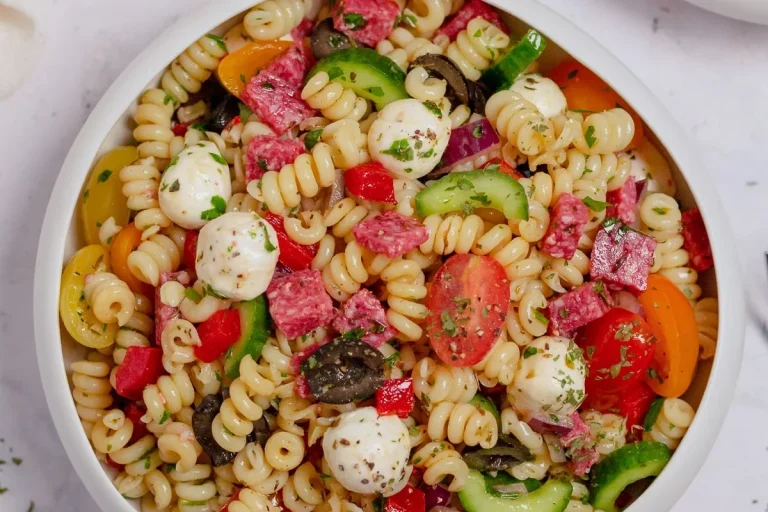
If you eat pasta in a big portion with creamy sauce, cheese, and processed meat, it can work against heart goals. If you pair it with vegetables, beans, olive oil, and a modest serving, it can be a solid dinner option.
Think of pasta as a base, not the whole story. That mindset makes it easier to keep the meal filling without going overboard.
How Pasta Affects Heart Health

Pasta mainly affects heart health through its carbs, its effect on fullness, and the foods people add to it. The pasta shape matters less than the full plate.
Carbs, Blood Sugar, and Fullness
Pasta is a carb-rich food. Carbs give you energy, but refined pasta can raise blood sugar faster than higher-fiber choices.
That does not mean you must skip pasta. It means you may want to slow the rise by adding fiber, protein, and healthy fat.
Cooling and reheating some cooked starches can change their texture and digestibility a bit, but portion size still matters most.
Pasta can also feel filling, which helps some people avoid snacking later. But if the serving is too small, you may feel hungry again soon.
Why Portion Size Changes the Answer
Portion size can turn a decent meal into a heavy one. A large bowl of pasta can pack in more refined carbs and calories than you expect.
A smaller serving leaves room for vegetables, beans, fish, chicken, or tofu. That balance is usually better for the heart.
- Use a smaller bowl to keep portions in check.
- Fill half the plate with vegetables first.
- Treat pasta as one part of the meal, not the whole meal.
Which Types of Pasta Are Better for Your Heart
Some pasta types offer more fiber or protein than others. That can help with fullness and blood sugar control.
Whole Wheat Pasta
Whole wheat pasta usually has more fiber than regular white pasta. Fiber helps you feel full and may support better heart habits over time.
It also has a firmer bite, which some people like. Others find the taste a little nuttier or heavier, so it comes down to preference.
- More fiber than refined pasta
- Often more filling
- Easy one-for-one swap in many recipes
- Different taste and texture
- Not everyone enjoys it plain
- Still needs smart toppings
Bean and Lentil Pasta
Bean and lentil pasta usually brings more protein and fiber than regular pasta. That combo can help a meal feel more balanced.
It can be a smart pick if you want a pasta dish that holds you longer. It also works well when you want to cut back on meat.
Regular White Pasta
Regular white pasta can still fit a heart-friendly diet. The key is to keep the portion modest and build a better plate around it.
This is often the easiest option for picky eaters and quick weeknight meals. Just be careful not to let the sauce do all the work.
- Whole wheat pasta adds more fiber.
- Bean and lentil pasta adds protein too.
- White pasta can still work in a balanced meal.
What to Look for in a Heart-Friendly Pasta Meal
The best pasta meals for heart health usually share the same traits. They include fiber, some protein, and not too much salt or saturated fat.
Fiber, Protein, and Healthy Fats
Fiber helps with fullness and can support better eating patterns. Protein also helps you stay satisfied, so you may avoid extra snacks later.
Healthy fats matter too. A little olive oil, nuts, seeds, or avocado can make the meal more satisfying without going too heavy.
Helps you feel full and supports a steadier meal.
Makes the dish more filling and more balanced.
Adds flavor and helps the meal feel complete.
Sodium, Sauce, and Toppings
Many pasta problems come from the extras. Jarred sauces, salty cheese, and cured meat can push sodium and saturated fat too high.
Tomato-based sauces often work better than cream-based ones. You can also make sauce taste richer with garlic, herbs, onion, and a splash of olive oil.
If you need to limit sodium, check labels on sauce, cheese, broth, and packaged toppings. Small amounts can add up fast.
Common Pasta Mistakes That Can Hurt Heart Health
Most pasta mistakes are simple. They usually come from size, sauce, or toppings.
Oversized Portions
A huge pasta bowl can crowd out vegetables and protein. It can also make it easy to eat more calories than you planned.
If you often finish a giant serving and still feel hungry, your meal may need more protein and fiber. It may not need more pasta.
Creamy Sauces and Heavy Cheese
Alfredo-style sauces and lots of cheese can make pasta feel rich and comforting. They can also add more saturated fat than many people want often.
That does not mean you can never enjoy them. It just means they work better as an occasional meal, not an everyday habit.
Too Much Salt and Processed Meat
Pepperoni, sausage, bacon, and ham can make pasta taste bold. They also raise sodium and often add more saturated fat.
For heart health, use them less often. Try roasted vegetables, beans, tuna, or grilled chicken instead.
- Use a modest pasta portion
- Add vegetables and lean protein
- Choose tomato or olive oil sauces more often
- Making pasta the biggest part of the plate
- Using heavy cream and lots of cheese often
- Loading the dish with processed meat
Best Ways to Make Pasta More Heart Healthy
You do not need a fancy recipe to improve pasta. A few small swaps can make a big difference.
Simple Ingredient Swaps
Start with whole wheat or legume pasta when you can. Then build from there with vegetables, beans, and lighter sauces.
Here are easy swaps that work well in real kitchens:
- Use olive oil instead of heavy cream.
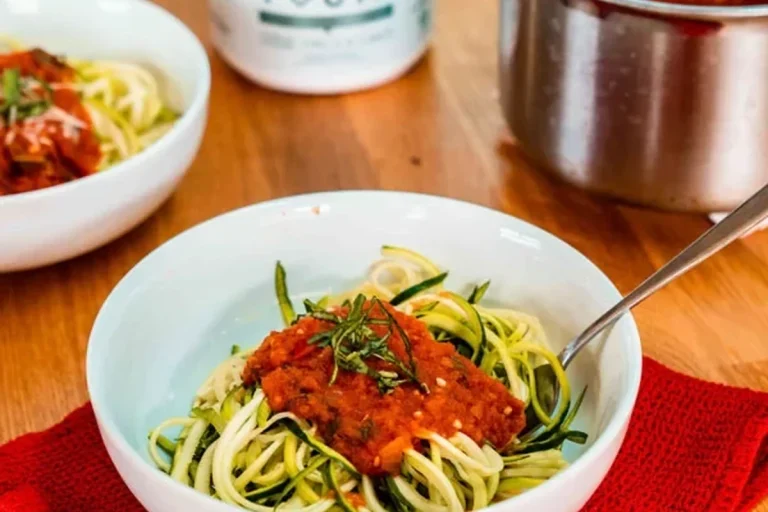
- Add spinach, zucchini, mushrooms, or broccoli.
- Choose beans, tuna, or chicken for protein.
- Use less cheese and more herbs for flavor.
Easy Meal Ideas for Weeknights
A heart-friendly pasta dinner does not need to be complicated. In fact, simple meals are often the easiest to repeat.
Try these ideas:
- Whole wheat spaghetti with tomato sauce and sautéed spinach.
- Lentil pasta with roasted vegetables and a little parmesan.
- White pasta with tuna, peas, lemon, and olive oil.
- Brown rice pasta with chicken, broccoli, and garlic.
Cook extra vegetables while the pasta boils. That makes it easier to build a better bowl without extra work.
When Pasta May Not Be the Best Choice
Pasta is not the best fit for every person or every meal. Sometimes another base makes more sense.
People Watching Blood Sugar or Weight
If you watch blood sugar closely, pasta may need extra care. Pairing it with protein and fiber can help, but portions still matter.
If weight loss is your goal, large pasta servings can make it harder to stay on track. You may feel better with more vegetables and a smaller noodle portion.
Meals That Need More Fiber or Protein
Some dinners need more staying power than pasta can offer alone. That is especially true after a long day or after exercise.
If you want a more filling meal, choose a bean-based pasta or add more protein. You can also use pasta as a side instead of the main dish.
Choose whole wheat or bean pasta with vegetables and a simple sauce.
Use regular pasta, but keep the portion smaller and skip heavy add-ons.
Final Verdict: Is Pasta Heart Healthy in 2026?
Yes, pasta can be heart healthy in 2026 when you use the right type, the right portion, and the right toppings. It works best as part of a balanced plate, not as a giant pile of noodles.
If you want the easiest path, choose whole wheat or bean pasta more often. If you use white pasta, keep the portion modest and load up on vegetables, lean protein, and lighter sauce.
Pasta can fit a heart-friendly diet, especially when you focus on fiber, protein, and smart portions. The best choice is the one that helps you eat well most of the time without feeling deprived.
For packaged pasta, sauces, and toppings, follow the label and storage directions. If a product seems spoiled or smells off, do not use it.
Frequently Asked Questions
It can be, if you keep portions reasonable and build balanced meals. Whole wheat or bean pasta is often a better choice than refined pasta.
Whole wheat and bean or lentil pasta are usually the strongest options. They tend to offer more fiber, and bean pasta also adds protein.
Creamy sauces can add more saturated fat, so they are better as an occasional choice. Tomato-based or olive oil-based sauces are often easier to fit into a heart-friendly meal.
Add vegetables, use lean protein, and keep cheese and salty toppings small. A modest pasta portion with a simple sauce is usually the best base.
Yes, regular white pasta can still fit. The key is to watch the portion and balance it with fiber, protein, and vegetables.
If you need more fiber, more protein, or tighter blood sugar control, another base may work better. A smaller pasta side dish can also be a good compromise.