Is Ravioli a Pasta The Simple Answer You Need

Yes, ravioli is a pasta. It’s a stuffed pasta that cooks and serves differently from plain shapes.
Yes, ravioli is a pasta. It’s a stuffed pasta made from dough, usually with a filling sealed inside.
That simple answer matters because ravioli cooks, stores, and serves a little differently from plain pasta shapes. If you know what makes ravioli unique, it’s easier to buy, cook, and use it well.
- Simple answer: Ravioli is pasta with filling inside.
- Best use: It works well for fast, filling meals.
- Cooking tip: Use gentle boiling to avoid splits.
- Serving tip: Match the sauce to the filling.
Is Ravioli a Pasta? The Short Answer and Why It Matters
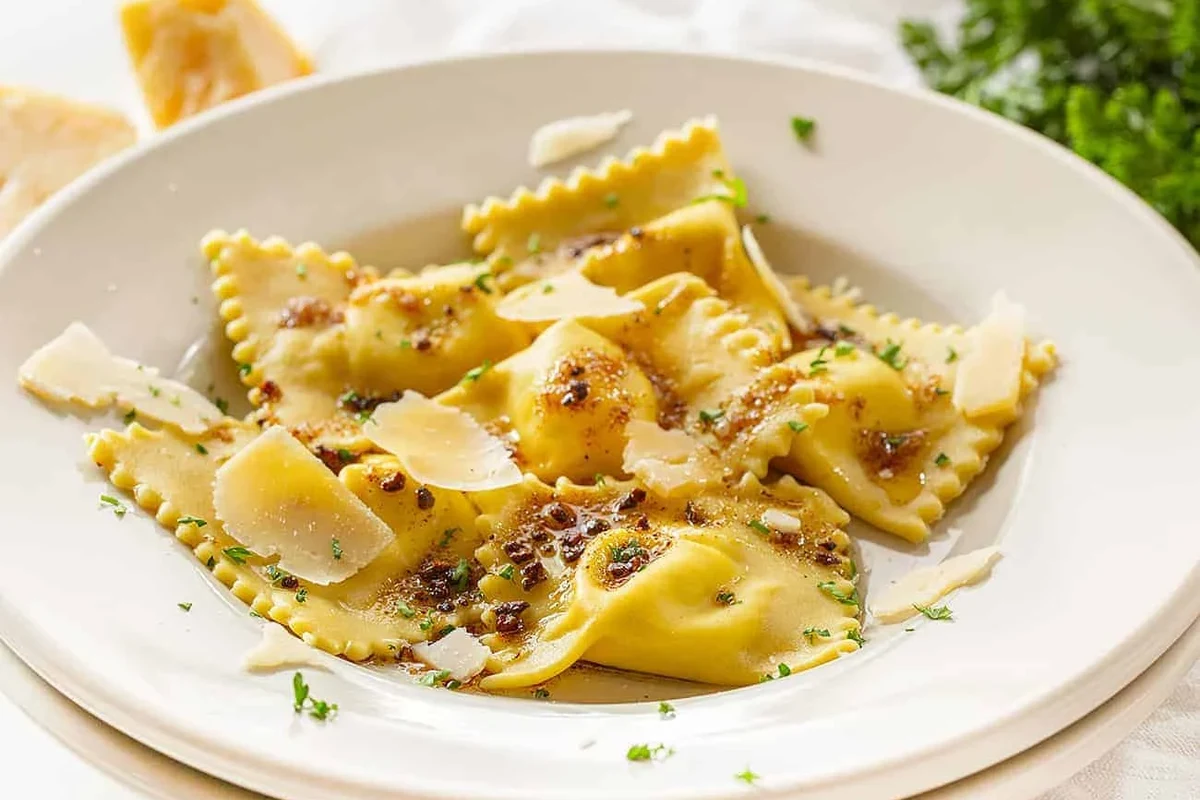
Ravioli belongs in the pasta family. Most versions use wheat dough, then add a filling like cheese, meat, or vegetables.
That makes ravioli a pasta shape and a filled dish at the same time. It’s a bit like a dumpling in form, but it still sits under the pasta label in most kitchens.
What ravioli is in simple terms
Think of ravioli as small pockets of dough. The dough gets wrapped around a filling, then sealed and cooked.
That filling is what sets ravioli apart from spaghetti, penne, and other plain pastas. The outside is pasta, and the inside adds flavor and texture.
Ravioli can be served as a main dish, side dish, or even in broth.
Why this question comes up so often
People ask this because ravioli looks different from most pasta. It also eats more like a full meal than a side.
Another reason is that ravioli sits close to other stuffed foods, like dumplings and pierogi. The shape can fool people, but the dough and cooking method still make it pasta.
The quick answer for home cooks
If you’re shopping, cooking, or planning dinner, just treat ravioli as pasta. That helps with sauce choice, cooking time, and portion size.
For example, you wouldn’t boil ravioli like rice or roast it like a vegetable. You’d handle it like a delicate pasta that needs gentle cooking.
How Ravioli Is Made and What Counts as Pasta
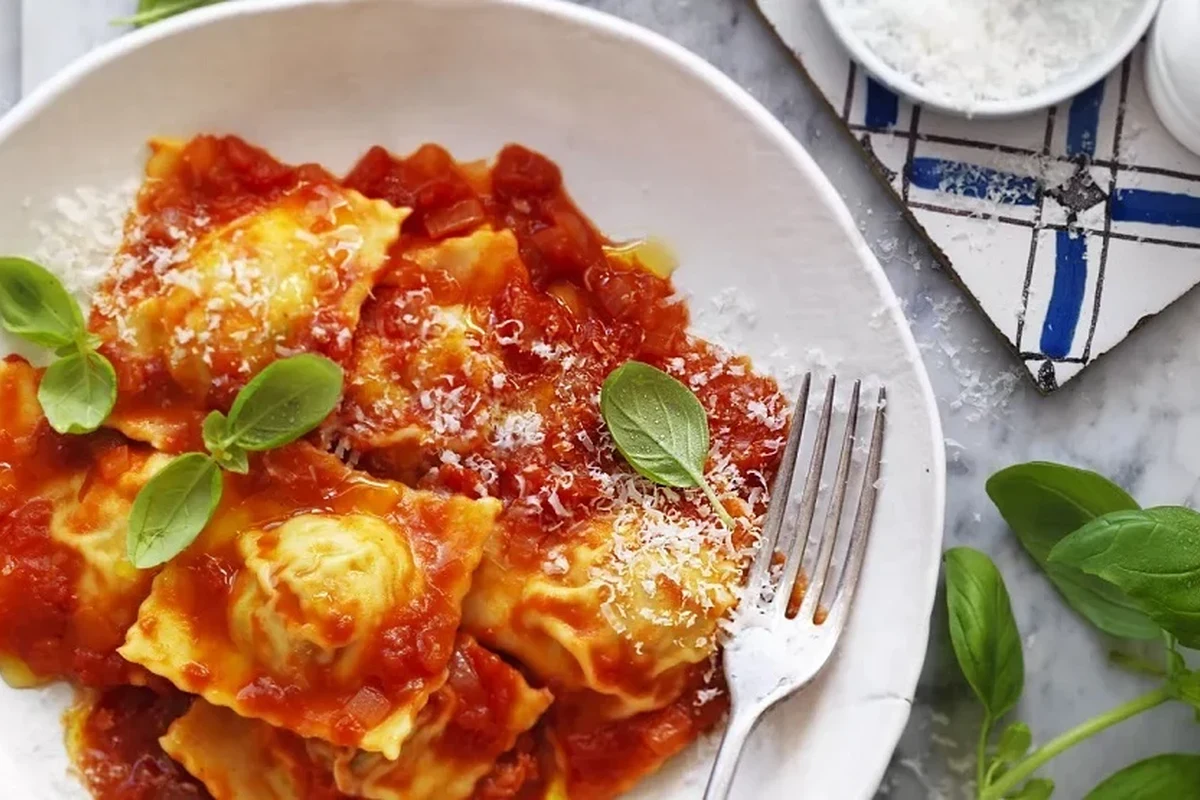
To understand ravioli, it helps to look at the dough first. Pasta starts with a dough made from flour and water, and often eggs.
Ravioli uses that same base. The filling comes later, but the outer shell still comes from pasta dough.
The basic pasta dough behind ravioli
Most ravioli dough uses wheat flour. Many recipes also use eggs, which give the dough a richer taste and firmer bite.
The dough gets rolled thin, then cut into shapes. One piece holds the filling, and another piece seals it shut.
Exact dough recipes vary by region, brand, and home recipe. Fresh ravioli and store-bought ravioli may use different dough styles.
Fresh ravioli vs dried pasta shapes
Fresh ravioli often feels softer and more tender. Dried pasta shapes like penne or fusilli are built for a firmer chew and longer storage.
That difference matters when you cook. Ravioli can split if you boil it too hard or too long.
Soft texture and quick cooking, but it needs gentle handling.
Long shelf life and sturdy texture, but no built-in filling.
How the filling changes the final dish
The filling makes ravioli more filling than many plain pastas. It also changes how you season the meal.
A cheese filling may need a light sauce. A meat or mushroom filling may work better with a deeper sauce or broth.
Ravioli Ingredients, Texture, and Common Types
Ravioli comes in many styles, but the basic idea stays the same. Dough outside, filling inside.
Once you know the main ingredients, it gets easier to choose the right kind for your meal.
Typical dough ingredients
Most ravioli dough starts with flour and water. Many versions also use eggs and a little salt.
Some store-bought versions may add extra ingredients for shelf life or texture. That’s why reading the label helps, especially if you have food limits or allergies.
- Check the filling and dough ingredients.
- Look for allergy notes on the label.
- Confirm whether it needs refrigeration or freezing.
Popular fillings and flavor styles
Cheese ravioli is the most common choice for many home cooks. You’ll also see spinach, mushroom, meat, pumpkin, and lobster fillings.
Each filling changes the taste and the best sauce. A lighter filling often works with butter or tomato sauce. A richer filling may need only a simple finish.
Fresh, frozen, and shelf-stable ravioli
Fresh ravioli usually has the best tender texture. Frozen ravioli gives you more flexibility and often fits busy weeknights better.
Shelf-stable ravioli can be handy for pantry meals, but the texture may differ. As always, follow the package directions for storage and cooking.
- Use frozen ravioli straight from the freezer unless the package says otherwise.
- Stir gently so the pieces do not tear.
- Salt the water lightly for better flavor.
How to Use Ravioli in Everyday Meals
Ravioli works well when you want a fast meal with built-in flavor. It can feel more complete than plain pasta because the filling does part of the work.
That makes it a smart choice for busy nights, but the sauce still matters a lot.
Best sauces for ravioli
The best sauce depends on the filling. Cheese ravioli often pairs well with tomato sauce, butter, sage, or a light cream sauce.
Meat ravioli can take a heartier sauce. Vegetable ravioli often works well with olive oil, herbs, or a simple garlic sauce.
Match the sauce to the filling, not just the pasta shape.
Simple serving ideas for busy nights
You don’t need a fancy meal plan to use ravioli well. A green salad, roasted vegetables, or garlic bread can round out the plate.
For a fast dinner, keep the sauce light and the sides simple. That lets the filling stay the star.
Slotted spoon
Saucepan
Serving bowl
How ravioli fits into soups, bakes, and salads
Ravioli can work in broth-based soups, baked casseroles, and even cold pasta-style salads. The key is to avoid rough handling.
In soups, add ravioli near the end so it does not break apart. In bakes, use enough sauce to keep it moist.
Benefits and Limits of Ravioli as a Pasta Choice
Ravioli has real strengths. It also has a few limits that matter when you’re choosing dinner.
Knowing both sides helps you decide when ravioli is the right pick.
Why ravioli is filling and flexible
Ravioli can be very filling because it already contains protein, cheese, vegetables, or meat. That can save time on meal planning.
It also works in many styles of cooking. You can boil it, bake it, or serve it in broth.
- Built-in filling makes meals feel complete.
- Works with many sauces and side dishes.
- Easy to turn into a fast weeknight dinner.
Where ravioli works better than other pastas
Ravioli works well when you want more flavor in each bite. It’s a good choice for people who want a meal that feels special with little effort.
It can also help when you don’t want to cook a separate protein. A cheese or meat filling can do that job for you.
Where ravioli can fall short
Ravioli is not as forgiving as many dry pasta shapes. It can split, stick, or turn mushy if you rush it.
It also costs more than basic pasta in many stores. That’s normal, since the filling and packaging add extra work.
- Filling and flavorful
- Fast to turn into dinner
- Easy to pair with simple sauces
- More fragile than many pastas
- Shorter storage life when fresh
- Often costs more than plain pasta
Common Ravioli Mistakes and How to Avoid Them
Most ravioli problems come from heat, timing, or rough handling. The good news is that these are easy to fix.
A few small habits can keep the pasta intact and the filling tasting better.
Overcooking or splitting the pasta
Ravioli cooks fast, so don’t walk away from the pot. Once it floats and feels tender, it’s usually close to done.
Boiling too hard can also tear the pasta. Keep the water at a gentle boil, not a wild one.
The ravioli breaks open in the pot.
Lower the heat, stir gently, and follow the package timing.
Using the wrong sauce or too much sauce
Heavy sauce can hide delicate fillings. Too much sauce can also make ravioli feel soggy.
Start with a small amount, then add more if needed. You want the sauce to support the filling, not bury it.
Buying low-quality ravioli without checking labels
Not all ravioli tastes the same. Some brands use better filling, better dough, or fewer extra fillers.
Check the ingredient list and storage instructions. That helps you spot a product that fits your kitchen and diet.
If a package is damaged, swollen, torn, or smells off, do not cook or eat the ravioli.
How to Store, Cook, and Handle Ravioli Safely
Safe storage matters because ravioli often contains dairy, eggs, meat, or vegetables. Those fillings can spoil faster than dry pasta.
Always follow the label first. Storage rules can change by brand and by whether the ravioli is fresh, frozen, or shelf-stable.
Fresh ravioli storage tips
Fresh ravioli usually needs refrigeration or freezing. Keep it sealed until you’re ready to cook.
Once opened, cook it soon. If the package says to use it within a short time, follow that guidance closely.
Seal leftovers quickly and refrigerate them within safe time limits.
Check your freezer or pantry stock for old or damaged packages.
Freezer and pantry storage rules
Frozen ravioli should stay frozen until cooking, unless the package says otherwise. Keep it tightly sealed to help prevent freezer burn.
Shelf-stable ravioli belongs in a cool, dry pantry. Avoid heat and moisture, since both can hurt quality.
Food safety checks before cooking and serving
Use clean utensils, clean hands, and a clean pot. That sounds basic, but it matters with filled pasta.
Cook ravioli until the filling is hot and the pasta is tender. If the package gives a temperature or timing guide, use that first.
Follow the package and manufacturer directions for cooking, storage, and leftovers. Stop using any package that shows spoilage or damage.
Final Verdict: Is Ravioli a Pasta Worth Choosing in 2026?
Yes, ravioli is pasta, and it’s one of the most useful kinds for home cooks. It gives you a full, flavorful meal with very little extra work.
In 2026, it still earns a place in the pantry and freezer because it’s versatile, filling, and easy to dress up.
Best reasons to buy or make ravioli
Choose ravioli when you want a fast dinner that still feels special. It’s also a strong pick when you want more flavor without making a long sauce or a separate protein.
Homemade ravioli can be fun, but store-bought ravioli is often the easier weeknight choice.
Who should choose ravioli over other pasta shapes
Ravioli is a smart choice for busy families, casual cooks, and anyone who likes a filling meal. It also works well for people who want variety without much prep.
If you want a sturdy pasta for meal prep, plain dry shapes may be easier. If you want built-in flavor, ravioli usually wins.
Red Kitchen Project’s simple recommendation
Ravioli is absolutely a pasta, and it’s worth keeping on hand if you like quick, satisfying meals. Just match the sauce, handle it gently, and check the label before cooking.
If you want the simplest path, buy a fresh or frozen ravioli you trust, then keep the sauce light and the cooking gentle.
Ravioli is a true pasta and a smart choice for easy meals. It works best when you want flavor, comfort, and speed, but plain pasta still wins for shelf life and toughness.
Frequently Asked Questions
Yes, ravioli is a pasta. It uses pasta dough on the outside and often has a filling inside.
Ravioli is stuffed, while most pasta shapes are not. That filling changes the taste, cooking time, and sauce choice.
You can use many sauces, but the best match depends on the filling. Light sauces often work well with cheese or vegetable ravioli.
Follow the package directions first. In general, ravioli should be tender and fully heated through without splitting open.
It depends on the type. Fresh ravioli usually needs refrigeration or freezing, while shelf-stable ravioli belongs in a cool, dry pantry.
Yes, ravioli is a strong weeknight choice because it cooks fast and feels filling. It works best when you keep the sauce simple and handle it gently.