Is Pasta and Tomato Sauce Healthy What You Need to Know

Yes, pasta and tomato sauce can be healthy when portions stay reasonable. It gets even better with whole grain pasta, simple sauce, and added vegetables or protein.
Yes, pasta and tomato sauce can be a healthy meal. The answer depends on the pasta type, the sauce, and your portion size.
It can be a smart everyday dinner when you keep it simple. Add fiber, protein, and vegetables, and it gets even better.
- Simple answer: Yes, it can be a healthy meal for many people.
- Main risk: Big portions and rich sauces can make it much heavier.
- Best upgrade: Add vegetables, beans, or lean protein.
- Label check: Watch for sodium and added sugar in jarred sauce.
Is Pasta and Tomato Sauce Healthy? The Short Answer
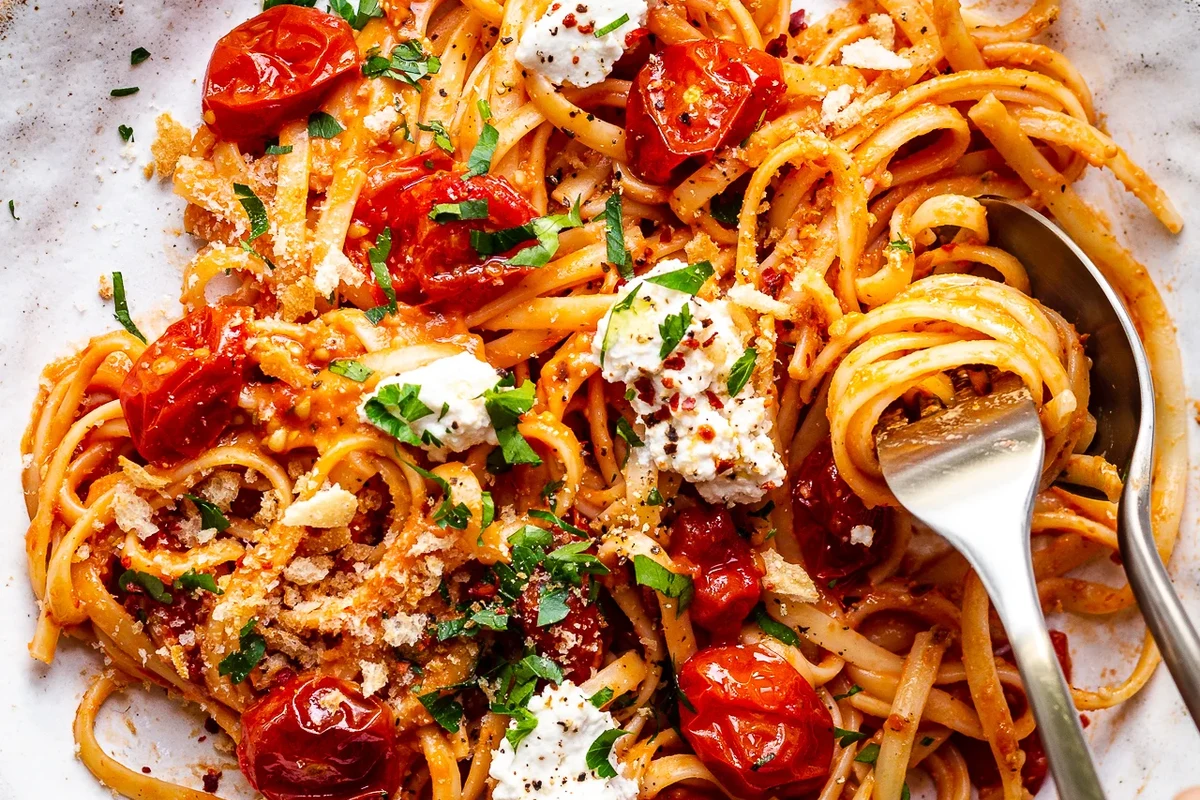
In most cases, yes. Pasta with tomato sauce can fit into a balanced diet.
The meal gives you carbs for energy. Tomato sauce can also bring vitamins and plant compounds.
But the health value changes fast when portions get huge. It also drops when the sauce is loaded with sugar, salt, cream, or fatty meat.
What Makes Pasta and Tomato Sauce Healthy or Not
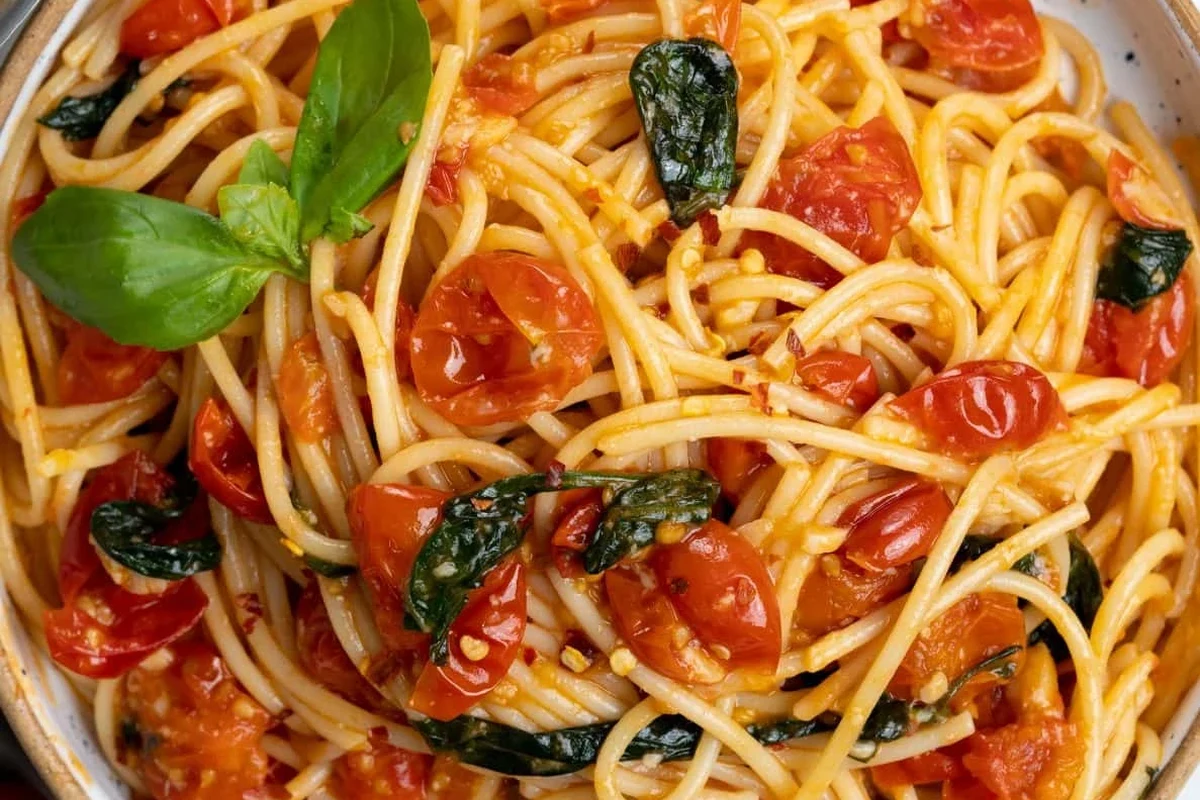
The meal is not just about pasta. It depends on what kind you choose and what goes into the sauce.
Think of it like building a sandwich. The bread matters, but the fillings matter just as much.
Pasta type and portion size
Regular refined pasta can still work in a healthy meal. Whole wheat, bean-based, or lentil pasta often adds more fiber and protein.
Portion size matters a lot. A small bowl can feel satisfying, while a giant plate can push calories and carbs too high.
Serving needs vary by age, activity level, and other foods in the meal.
Sauce ingredients and added sugar
Tomato sauce starts out simple. Tomatoes, garlic, onion, and herbs make a strong base.
The problem starts when sugar gets added in large amounts. Some jarred sauces taste sweet because they use sugar to balance acidity.
A little sugar is not a deal breaker. But a sauce that tastes like dessert is usually not the best choice.
Salt, fat, and fiber levels
Salt can creep up fast in packaged sauce. That matters if you watch blood pressure or sodium intake.
Fat also changes the meal. Olive oil can fit well in a balanced meal, but lots of cream or cheese can make it heavy.
Fiber helps slow digestion and supports fullness. Whole grain pasta, beans, and vegetables all raise the fiber level.
- Read the sauce label for sugar and sodium.
- Use more vegetables to stretch the meal.
- Pick whole grain pasta when you want more fiber.
Health Benefits of Pasta and Tomato Sauce
This meal has real strengths. It is filling, flexible, and easy to build into a balanced plate.
That is one reason so many families keep it in the weekly dinner mix.
Energy for busy days
Pasta gives your body carbs, which are a main fuel source. That can help on workdays, school nights, or after exercise.
If you need a meal that is quick and comforting, pasta and tomato sauce can do the job well.
Tomatoes and key nutrients
Tomatoes bring nutrients like vitamin C, potassium, and lycopene. Lycopene is a plant compound linked with tomato color.
Cooking tomatoes can make some of these compounds easier for your body to use. That is one reason sauce can be a smart way to eat tomatoes.
Cooked tomato products often give you more usable lycopene than raw tomatoes.
How fiber and protein change the meal
Plain pasta and sauce can leave you hungry again soon. Fiber and protein help fix that.
Add beans, chicken, tuna, tofu, or extra vegetables. The meal becomes more balanced and usually more satisfying.
Whole grains, beans, and vegetables help you stay full longer.
Protein helps turn pasta into a more complete meal.
When Pasta and Tomato Sauce Can Be Less Healthy
Even a simple meal can turn less healthy with a few common habits. The good news is that most are easy to fix.
Large portions and extra cheese
Big portions are one of the fastest ways to make pasta less healthy. It is easy to keep scooping when the food tastes good.
Extra cheese can also add a lot of calories and saturated fat. A light sprinkle is fine for many people, but heavy topping changes the whole meal.
Heavy cream, sausage, or oily sauces
Creamy sauces, sausage, and lots of oil can make pasta much richer. That may taste great, but it is not the same as a light tomato bowl.
These versions can still have a place now and then. Just know they are closer to comfort food than to an everyday light meal.
Store-bought sauces with too much sodium
Jarred sauce can save time, which is helpful on busy nights. Still, some brands use a lot of sodium.
If you eat packaged foods often, sodium can add up fast across the day. Choosing lower-salt options helps keep the meal more balanced.
If you have a health condition that limits sodium, check labels carefully and follow your clinician’s advice.
How to Build a Healthier Pasta and Tomato Sauce Bowl
You do not need a fancy recipe to improve this meal. A few small changes can make a big difference.
Think simple, not strict. That usually works best in a real kitchen.
Choose better pasta
Whole wheat pasta adds more fiber than regular refined pasta. Bean or lentil pasta can add even more protein.
If you prefer classic pasta, that is okay too. You can still balance the plate with what you add on top.
Pick a simple tomato sauce
Look for a sauce with short ingredient lists. Tomatoes, garlic, herbs, onion, and olive oil are a good sign.
Try to avoid sauces that taste overly sweet or very salty. If needed, you can improve a plain sauce at home with herbs and vegetables.
Add vegetables, beans, or lean protein
This is the easiest upgrade of all. Spinach, zucchini, mushrooms, peppers, or broccoli all work well.
Beans add fiber and protein. Chicken, turkey, shrimp, tofu, or cottage cheese on the side can also help.
- Use more vegetables to make the meal bigger without overdoing calories.
- Add protein or beans to improve fullness.
- Keep the sauce simple and watch sugar and sodium.
Common Mistakes People Make
Most pasta mistakes are not about pasta itself. They come from what people leave out or add too much of.
Relying on pasta alone
Pasta by itself is not a full meal. It can be filling for a short time, but it often lacks enough protein and fiber.
That is why people often feel hungry again soon after eating it alone.
Ignoring serving size
Serving size is easy to ignore when you cook at home. A full pot can look like one meal, even when it should feed several people.
Use a plate or bowl that helps you see the balance. Half vegetables, a quarter pasta, and a quarter protein is a useful guide.
Using sweet or salty jarred sauces
Some jarred sauces are fine. Others hide a lot of sugar and salt.
That does not mean you must make sauce from scratch every time. It just means the label matters.
- Add vegetables and protein to the bowl.
- Check sauce labels for sugar and sodium.
- Turning pasta into a giant cheese-heavy meal.
- Assuming all tomato sauces are equally healthy.
Who Should Watch Their Intake More Closely
Most people can enjoy pasta and tomato sauce in moderation. Some groups should pay closer attention to portions and ingredients.
People managing blood sugar
If you manage blood sugar, pasta can still fit. The key is portion size and what you eat with it.
Whole grain pasta, beans, vegetables, and protein can help reduce sharp blood sugar swings. A large bowl of refined pasta alone may work against that goal.
People watching sodium or calories
People watching sodium should pay close attention to jarred sauce and cheese. People watching calories should also keep an eye on oil, cream, and large portions.
Small changes can help a lot. Even switching to a lighter sauce can make dinner feel less heavy.
Kids, athletes, and active adults
Kids, athletes, and very active adults may need more carbs than other people. For them, pasta can be a useful fuel food.
Still, balance matters. Even active eaters do best when the meal includes protein, vegetables, and enough variety over the day.
Personal needs can vary a lot. If you manage a medical condition, a registered dietitian can help you tailor meals.
Final Verdict: Is Pasta and Tomato Sauce Healthy in 2026?
Yes, pasta and tomato sauce can be healthy in 2026. It is a solid meal when you keep the sauce simple and the portion reasonable.
The best version uses whole grains or legume pasta, tomato-based sauce, and add-ins like vegetables, beans, or lean protein. If you want the healthiest everyday choice, that is the path I’d choose.
On the other hand, creamy sauces, huge portions, and salty jarred sauces can turn the meal into something much heavier. So the real answer is simple: pasta and tomato sauce can be healthy, but the details decide how healthy it is.
Simple pasta with tomato sauce is a healthy, flexible meal for many people. For the best balance, choose a better pasta, keep the sauce simple, and add protein or vegetables.
Frequently Asked Questions
Yes, it can be. It works best when you keep portions moderate and use a simple tomato sauce with vegetables or protein.
Large portions, creamy sauces, lots of cheese, and high-sodium jarred sauces can make the meal less healthy. Added sugar in sauce can also be a problem.
Whole wheat, bean, or lentil pasta usually gives you more fiber and sometimes more protein. Regular pasta can still fit well if the rest of the meal is balanced.
Add beans, chicken, tofu, or other lean protein. Vegetables also help boost fiber and make the meal more satisfying.
Not always, but you should read the label. Some jarred sauces have a lot of sodium or added sugar, so simpler options are often better.
Yes, but portion size matters. Pairing pasta with vegetables, protein, and a simple sauce can help make the meal more balanced.