How Many Cups Are in 2 Oz of Pasta Easy Guide

For most dry pasta, 2 ounces is about 1/2 cup. A kitchen scale is the most accurate way to measure it.
If you’re asking how many cups are in 2 oz of pasta, the short answer is usually about 1/2 cup of dry pasta. But the exact cup count changes with the pasta shape, so a scale gives the best result.
- Best quick answer: 2 oz of dry pasta is usually about 1/2 cup.
- Main caveat: Pasta shape changes the cup count, so estimates vary.
- Most accurate method: Use a kitchen scale for dry pasta.
- Common mistake: Do not mix up dry and cooked pasta measurements.
How Many Cups Are in 2 Oz of Pasta? The Quick Answer
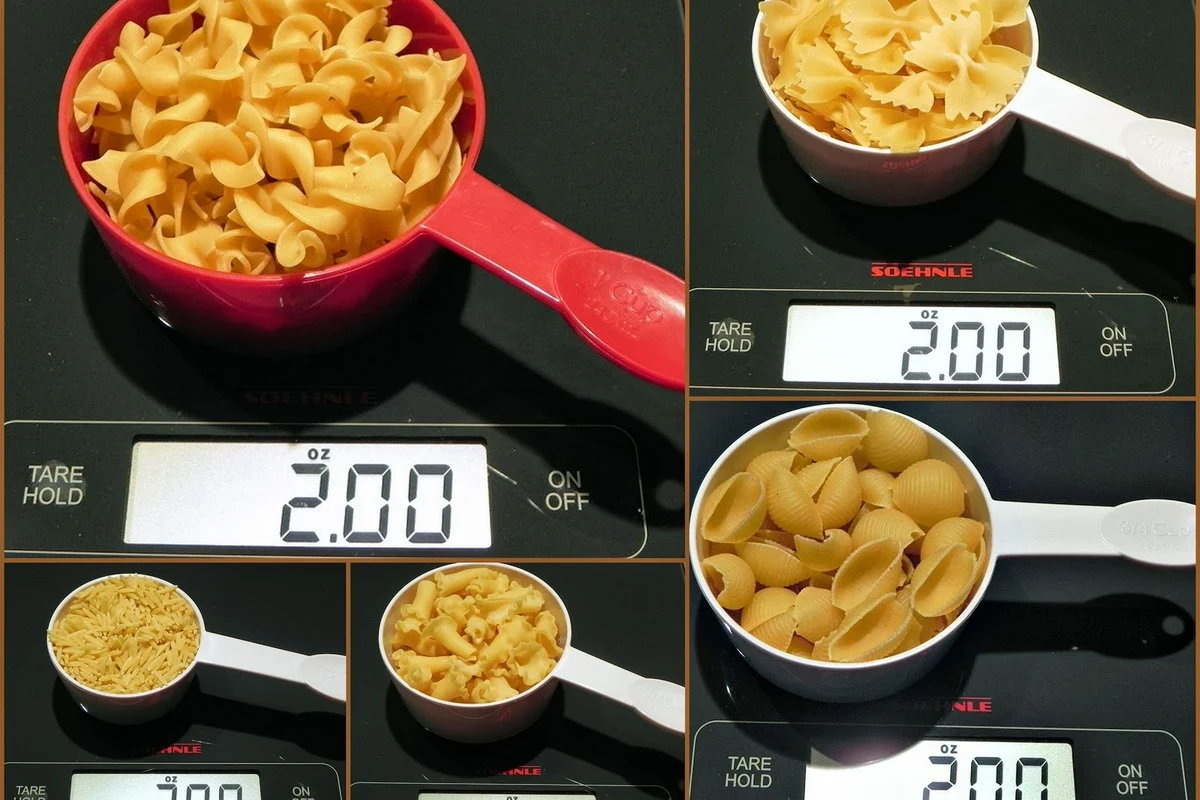
For most dry pasta, 2 ounces equals about 1/2 cup. That’s the common rule many home cooks use when they need a fast estimate.
Still, that number is not exact for every shape. Long pasta, short pasta, and tiny pasta all pack into a cup in different ways.
Is 2 oz of pasta always 1/2 cup?
No. It’s a good general guide, but the real cup count depends on the pasta shape and how you fill the cup.
In short, 2 ounces is a weight, while cups measure space. That’s why one pasta can look like 1/2 cup and another can look like more or less.
Why Pasta Weight and Volume Are Not the Same
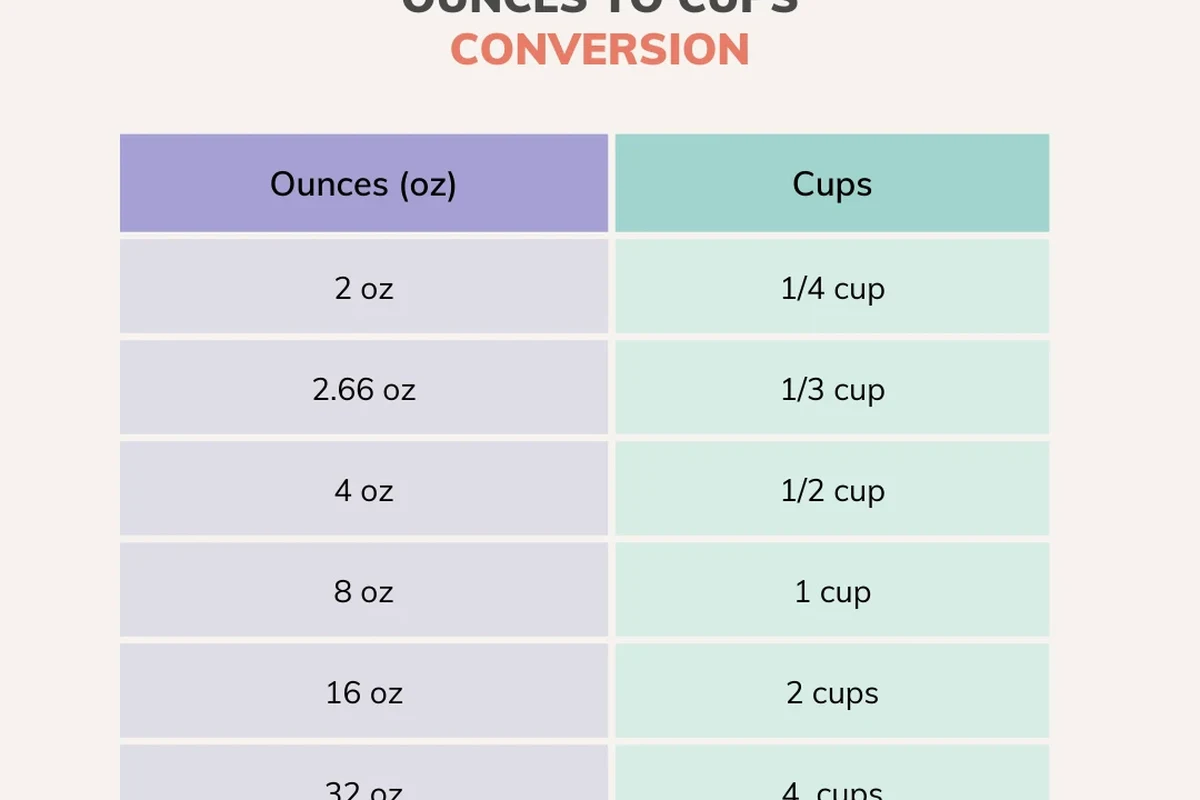
Weight tells you how heavy the pasta is. Volume tells you how much room it takes up.
Those two things do not match in a simple one-to-one way. Pasta shape, size, and how tightly the pieces sit together all change the result.
Dry Pasta vs Cooked Pasta
Dry pasta and cooked pasta are very different when you measure them. Dry pasta is dense and compact. Cooked pasta absorbs water and gets much larger.
So 2 ounces of dry pasta will not equal 2 ounces of cooked pasta in cup form. If a recipe asks for dry pasta, measure it before cooking.
Do not swap dry and cooked pasta measurements unless the recipe clearly says you can. The final dish may turn out too dry or too soft.
Why Shape Changes the Cup Count
Shape matters because pasta does not stack the same way in every cup. Thin strands leave more air gaps. Small shapes can settle more tightly.
That means 2 ounces of one pasta may look like a full cup, while another may look closer to 3/4 cup or less. The package shape changes the guess.
Many boxed pasta labels use 2 ounces as one serving for dry pasta. That serving size is a common kitchen shortcut, not a universal cup rule.
Common Pasta Types and Their 2 Oz Cup Estimates
These estimates help when you do not have a scale. They are still rough, so treat them as guides, not hard rules.
If you cook pasta often, it helps to learn the look of your favorite shapes. That makes weeknight dinner much easier.
| Option | Best For | Key Consideration |
|---|---|---|
| Long pasta | Spaghetti, linguine, fettuccine | Usually about 1/2 cup, but strand size changes the count |
| Short pasta | Penne, rotini, elbows | Often close to 1/2 cup, but packing changes the result |
| Small pasta | Orzo, ditalini, couscous-style shapes | Can measure differently because the pieces fit together tightly |
Long Pasta Like Spaghetti and Linguine
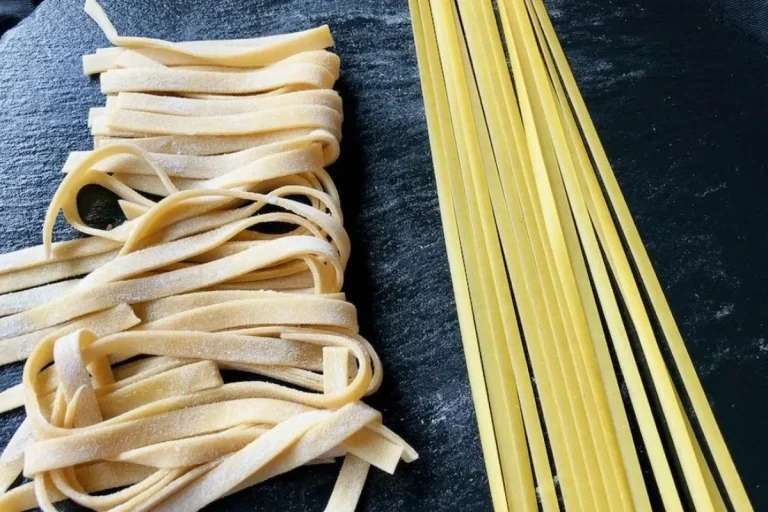
Long pasta often gets measured by bunching it in your hand or using a pasta gauge. For many types, 2 ounces is about 1/2 cup dry or a small bundle.
However, strand thickness changes the count. Thin spaghetti may fit differently than thick spaghetti or bucatini.
If you break long pasta to fit a cup, the count can shift. The shape may settle more tightly, so the cup estimate may look smaller than expected.
Short Pasta Like Penne, Rotini, and Elbows
Short pasta is easier to scoop into a measuring cup. For many shapes, 2 ounces is still close to 1/2 cup dry.
But short pasta can settle in loose or tight ways. A shaken cup may hold more than a gently filled cup.
Small Pasta Like Orzo and Ditalini
Small pasta pieces fill empty space very well. That can make the cup count feel less obvious than with long pasta.
Even so, 2 ounces often lands near 1/2 cup. If you need accuracy, a scale beats any cup guess.
How to Measure 2 Oz of Pasta at Home
The best method depends on what tools you have. A kitchen scale is the most accurate choice.
If you don’t have one, measuring cups and hand portions can still help. Just know they are estimates.
Using a Kitchen Scale
A scale gives the cleanest answer. Put a bowl on the scale, zero it out, then add dry pasta until it reaches 2 ounces.
This works best because it removes guesswork. It also helps when you cook different pasta shapes in the same week.
- Use dry pasta only when the recipe asks for dry weight.
- Zero the bowl before adding pasta.
- Check the package if the recipe gives a serving size.
Using Measuring Cups Without a Scale
If you do not have a scale, fill a dry measuring cup loosely with pasta. For many common shapes, 2 ounces is about 1/2 cup.
Do not press the pasta down hard. Packing changes the result and can make you use too much.
- Level the cup lightly for a fair estimate
- Use the same cup each time for consistency
- Shaking the cup hard to settle pasta
- Crushing pasta into the cup
Using Hand Portions as a Rough Guide
Hand portions can help when you are cooking fast. A small bundle of long pasta often works for one person.
Still, hand size varies a lot. This method is only a rough guide, not a real measurement.
When 2 Oz of Pasta Is Enough and When It Is Not
Two ounces can be perfect for one plate. It can also be too little for a big dinner.
The right amount depends on the meal, the sauce, and who you are feeding.
Single Servings and Side Dishes
For a light lunch or a side dish, 2 ounces is often enough for one adult. It works well when you serve it with vegetables, protein, or a rich sauce.
It can also be a smart choice for kids or smaller appetites. You may not need much more than that.
Main Meals, Family Dinners, and Meal Prep
For a main course, 2 ounces may feel small for many adults. If pasta is the star of the meal, you may need more.
For meal prep, think about how much sauce and protein you plan to add. A bigger batch may save time later.
Common Mistakes When Measuring Pasta
Most pasta mistakes come from rushing. A quick guess can work, but it can also throw off the whole dish.
The good news is that the fixes are simple.
Packing Pasta Too Tightly
When you press pasta into a cup, you use more than you meant to. That can make the final dish too heavy or dry.
Fill the cup gently and leave the pasta loose. That gives you a better estimate.
Mixing Up Dry and Cooked Measurements
Dry and cooked pasta do not measure the same way. A cup of dry pasta will expand a lot after boiling.
If you use the wrong form, you may end up with too much or too little food. Always check whether the recipe means dry or cooked.
Guessing Cup Counts for Every Shape
It’s tempting to use one rule for all pasta. But shape changes how the pasta sits in a cup.
That’s why a scale is so helpful. It avoids shape-based guesswork.
Your pasta portions keep coming out uneven.
Use a scale for dry pasta, then keep a note of your favorite shapes and serving sizes.
Best Practices for Better Pasta Portions in 2026
In 2026, the smartest kitchen habit is still the simplest one. Measure pasta the same way each time.
That saves time, cuts waste, and makes dinner more predictable.
Choose the Right Tool for the Job
If you cook pasta often, a kitchen scale is the best tool. It gives the same result every time.
If you only cook pasta now and then, measuring cups can still work well enough for everyday meals.
Match the Portion to the Recipe
Some recipes need exact amounts. Others leave room for a little more or less pasta.
For example, a baked pasta dish may handle a small change better than a delicate soup.
Save Time and Cut Food Waste
Measuring the right amount helps you avoid leftovers you did not want. It also keeps you from running short at dinner.
That matters most in small kitchens, where storage space is tight and every ingredient counts.
- 2 oz of dry pasta is usually about 1/2 cup.
- Shape changes the cup count, so the estimate is not exact.
- A kitchen scale is the easiest way to get the right amount.
- Always check whether a recipe means dry or cooked pasta.
Final Recommendation: The Easiest Way to Measure 2 Oz of Pasta
The easiest way to measure 2 ounces of pasta is with a kitchen scale. It gives you the most reliable result, no matter the shape.
If you don’t have one, use about 1/2 cup as a practical guide for many dry pasta shapes. Just remember that it’s an estimate, not a perfect rule.
For most home cooks, 2 oz of dry pasta is about 1/2 cup, but a scale is the best choice for accuracy. Use cup estimates when speed matters, and check the pasta shape before you trust the number.
Frequently Asked Questions
For many dry pasta shapes, 2 ounces is about 1/2 cup. The exact amount changes with the shape and how loosely it sits in the cup.
Often, yes. Many pasta labels use 2 ounces as one dry serving, but your meal size may need more or less.
No. Dry pasta expands a lot when cooked, so the cup count changes after boiling.
A kitchen scale is the most accurate method. It removes guesswork and works for all pasta shapes.
Different shapes trap different amounts of air and fit together in different ways. That changes how much pasta fits into one cup.
Yes, for a rough estimate. For many dry pasta types, 2 ounces is close to 1/2 cup, but it is not exact.