How Much Dry Pasta Is 2 Cups Cooked Simple Guide

About 1 cup of dry pasta usually makes 2 cups cooked. A kitchen scale gives the most accurate result, but a level cup works well for quick meals.
If you want 2 cups of cooked pasta, start with about 1 cup of dry pasta. That is the best simple rule for most common shapes, though the exact amount can shift a little by shape and brand.
- Quick rule: 1 cup dry pasta usually becomes about 2 cups cooked.
- Best accuracy: Weigh dry pasta when you want repeatable portions.
- Shape matters: Spaghetti, penne, and macaroni can measure differently.
- Storage matters: Cool leftovers fast and refrigerate them promptly.
How Much Dry Pasta Is 2 Cups Cooked? Quick Answer and Simple Rule
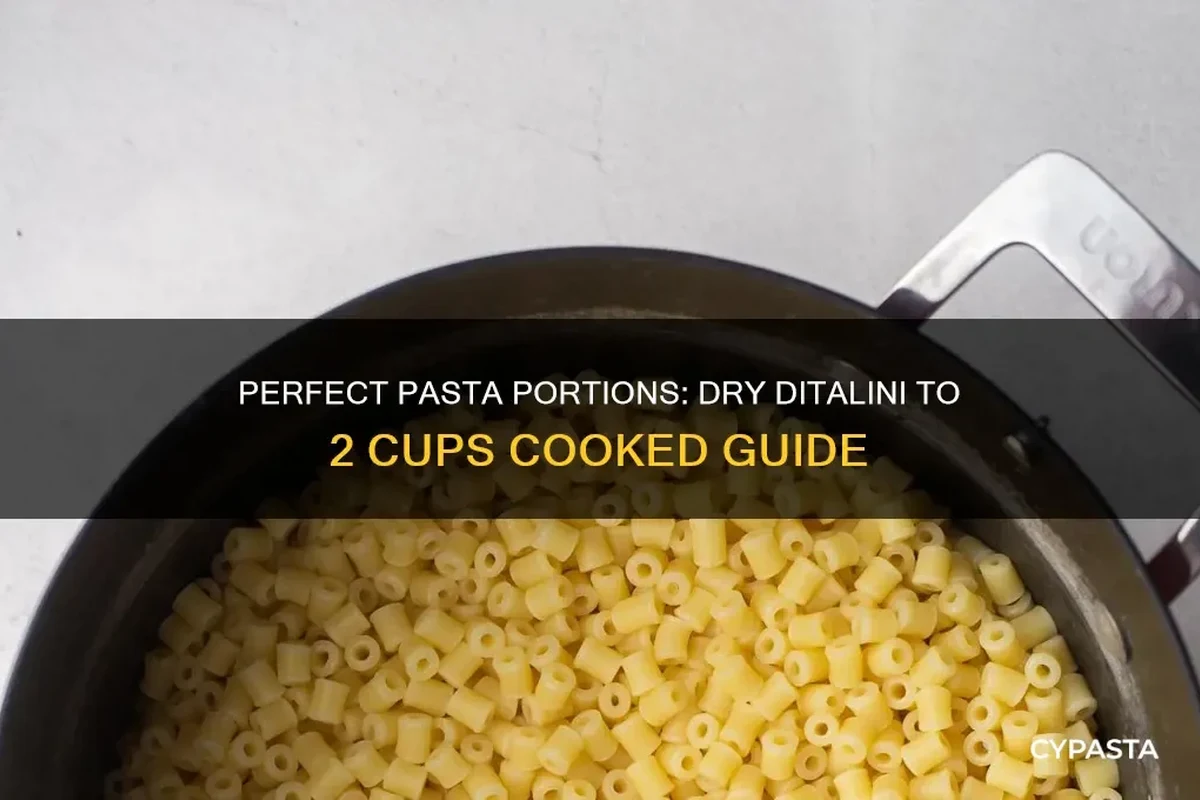
The short answer is this: 2 cups of cooked pasta usually comes from about 1 cup of dry pasta. For many home cooks, that means roughly 2 ounces of dry pasta by weight, but the shape changes the result.
Long pasta like spaghetti can pack differently than short pasta like penne. So if you want the closest match, use a scale when you can.
Is 1 cup dry pasta always equal to 2 cups cooked?
No. It is a useful rule of thumb, but the final amount depends on shape, thickness, and how long you cook it.
In short: 1 cup dry pasta is the easiest starting point for 2 cups cooked pasta.
Why Pasta Size Changes So Much After Cooking
Pasta grows because it absorbs water. That sounds simple, but the amount it absorbs depends on the pasta shape and how you cook it.
Shape matters more than most people think
Small shapes often puff up fast. Hollow shapes can hold more water inside, while thin shapes can spread out in the pot.
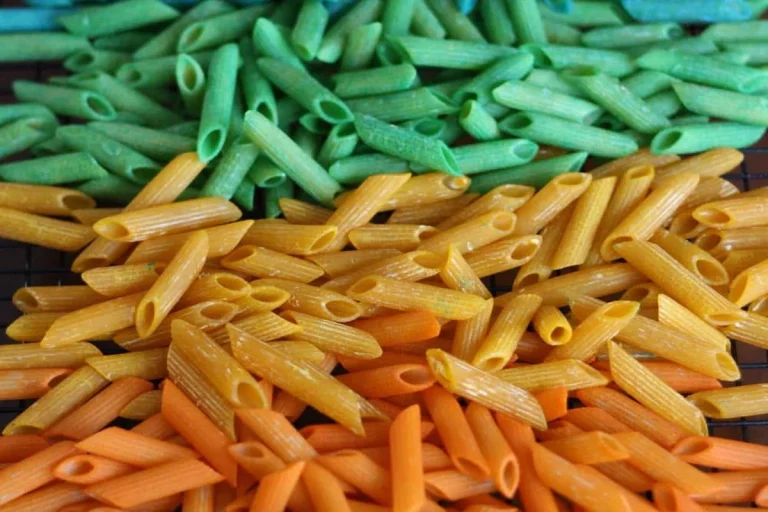
For example, elbow macaroni, penne, and rotini can all give a slightly different cooked volume from the same dry amount. Spaghetti also measures differently because it nests and bends.
Dry pasta can nearly double or more in volume after cooking, depending on the shape.
How water, heat, and time affect the final amount
More water gives pasta room to move. That can help it cook more evenly and reduce clumping.
Heat and time matter too. If you cook pasta longer, it can absorb more water and look a bit fuller.
Follow the package directions for cook time and salt use. Overcooked pasta can turn soft and lose its shape.
Dry Pasta to Cooked Pasta Conversion Chart
This chart gives a practical starting point. Use it as a guide, not a hard rule.
| Dry pasta | Approx. cooked amount | Best use note |
|---|---|---|
| 1/2 cup | About 1 cup cooked | Small side portion |
| 1 cup | About 2 cups cooked | Common single serving |
| 2 cups | About 4 cups cooked | Family meal or leftovers |
Common shapes like spaghetti, penne, and macaroni
Spaghetti often looks larger in a measuring cup because the strands overlap. Penne and macaroni settle more tightly, so they may seem more compact before cooking.
That is why a cup measure can be a little tricky. Two cups cooked spaghetti may not weigh the same as two cups cooked penne.
Different brands can also vary. Some pasta shapes are denser or thicker than others.
When cup measurements can be misleading
Cups work best for rough home cooking. They are less exact when you need repeatable portions for meal prep.
If you fill a cup too loosely or too tightly, the result changes fast. That is one reason cooks often prefer weight for dry pasta.
How to Measure Dry Pasta the Right Way
The best method depends on how exact you want to be. If you just need dinner on the table, cups are fine.
Using cups, a kitchen scale, or portion guides
A measuring cup is quick and easy. A kitchen scale gives the most repeatable result.
Portion guides help with long pasta. Many have holes for spaghetti or lines for common serving sizes.
Best method for home cooks and meal prep
For everyday cooking, I’d treat weight as the most reliable method and cups as the backup. That keeps portions steadier from one batch to the next.
- Weigh dry pasta when you want the same result every time.
- Use cups only for quick meals or rough estimates.
- Check the pasta package for serving size guidance.
If you meal prep, weight helps even more. It makes it easier to split pasta into equal containers.
Practical Uses for 2 Cups of Cooked Pasta
Two cups of cooked pasta is a handy amount. It often works well as a main serving or a generous side.
Serving sizes for one person or a family meal
For one adult, 2 cups cooked pasta can feel like a full meal, especially with sauce and vegetables. For a family, it may only cover one plate or a side dish.
Appetite matters too. A big eater may want more, while a light meal may need less.
How this amount works in pasta salads, baked dishes, and leftovers
Two cups cooked pasta works well in cold pasta salad. It also fits nicely in small baked dishes and quick skillet meals.
Leftovers store well if you keep the sauce separate when you can. That helps the pasta keep a better texture.
- Easy to portion for one or two people
- Useful for simple meal prep
- Works well in many quick recipes
Common Mistakes When Measuring Pasta
A few small mistakes can throw off your portion size. The good news is that they’re easy to avoid.
Overfilling cups and guessing portions
Do not pack dry pasta too tightly into the cup. That can give you more pasta than you expect.
Also, don’t guess by eye if you need repeatable results. Pasta shapes can fool you fast.
- Level the cup lightly for a fair estimate
- Use a scale for better accuracy
- Packing pasta down hard
- Assuming every shape measures the same
Cooking pasta too long or too short
Undercooked pasta can feel stiff and dry. Overcooked pasta can turn mushy and lose bite.
Check the pasta near the end of the package cook time. Taste it before draining.
Safety, Storage, and Reheating Cooked Pasta
Cooked pasta is simple, but safe storage still matters. Cool it fast and refrigerate it soon.
How to cool and store pasta safely
Spread hot pasta out a bit so it cools faster. Then move it into a covered container and refrigerate it.
Do not leave cooked pasta at room temperature for too long. Follow food-safety guidance and refrigerate it promptly.
If you add sauce, store it in a sealed container. Keep leftovers cold until you’re ready to eat them.
Best ways to reheat without drying it out
Add a splash of water, broth, or sauce before reheating. That helps the pasta stay moist.
You can reheat it on the stove, in the microwave, or in a covered baking dish. Stir once or twice for even heat.
Cool leftovers quickly and refrigerate them in a covered container.
Add a little liquid so the pasta does not dry out.
Final Recommendation: The Easiest Way to Get 2 Cups Cooked Pasta
If you want the easiest answer, use about 1 cup of dry pasta for 2 cups cooked. That works well for most common shapes and everyday meals.
Best simple method for accurate results every time
For the most accurate result, weigh your dry pasta when you can. For the fastest kitchen method, use a level cup and keep the shape in mind.
In short, 1 cup dry pasta is the best starting point for 2 cups cooked pasta. If you want the same result every time, a kitchen scale is the most dependable tool.
Frequently Asked Questions
About 1 cup of dry pasta usually makes 2 cups cooked. The exact amount can vary by shape and brand.
Yes. Long pasta, short pasta, and hollow shapes can all measure a little differently after cooking.
Yes, if you want repeatable results. A scale is more accurate than cups for dry pasta portions.
Cook it until just tender and taste near the end of the package time. Drain it on time and avoid overcooking.
Cool it quickly, place it in a covered container, and refrigerate it soon. Keep it cold until reheating.
Add a little water, broth, or sauce before reheating. Cover it while heating so it stays moist.