How Many Cups Is 6 Ounces of Pasta Easy Guide

Six ounces of dry pasta is usually about 2 cups. The exact amount changes by shape, so a kitchen scale is the most accurate method.
If you’re asking how many cups is 6 ounces of pasta, the short answer is usually about 2 cups of dry pasta. That said, the exact cup amount changes with the pasta shape, so weight is the safest way to measure.
- Best estimate: 6 ounces of dry pasta is usually about 2 cups.
- Most accurate method: Weigh pasta with a kitchen scale.
- Shape matters: Long and short pasta fill cups differently.
- Measure dry: Cooked pasta gives a very different cup count.
- Home-cook rule: Use cups for a quick guess, ounces for precision.
What Does 6 Ounces of Pasta Equal in Cups?

Six ounces of dry pasta is not one fixed cup amount for every shape. For many common dry pastas, 6 ounces equals about 2 cups.
That estimate works well for many short pasta shapes. It can be less helpful for long noodles, because they fit into a cup in a different way.
Quick answer for dry pasta types
Here’s the simple version. Most dry pasta types fall near this range:
How many cups is 6 ounces of pasta?
For most dry pasta, 6 ounces is about 2 cups. Long pasta and very airy shapes can shift that amount a bit.
Use these rough guides for dry pasta:
- Long pasta like spaghetti often measures close to 2 cups, depending on thickness.
- Short pasta like penne or rotini often lands near 2 cups.
- Very small pasta may pack tighter and change the cup count.
Why the cup amount changes by pasta shape
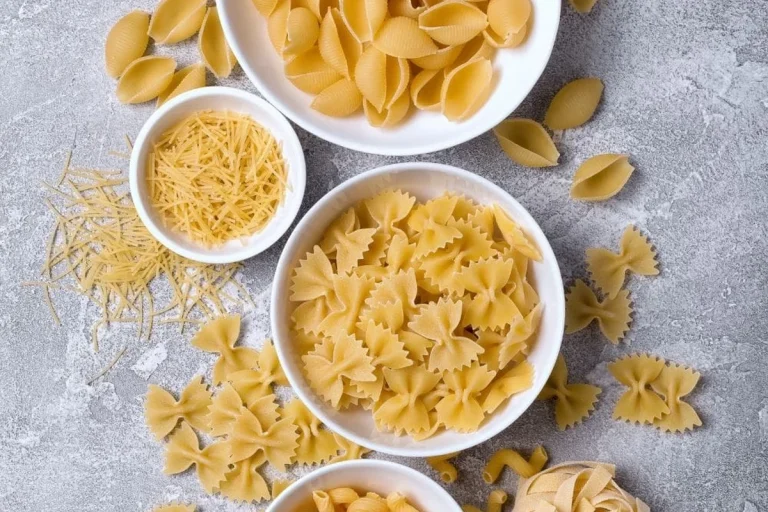
Pasta shapes do not fill a cup the same way. Some shapes leave more air gaps. Others stack or nest together more tightly.
That is why 6 ounces by weight stays steady, but 6 ounces by volume can move around. A scale removes the guesswork.
Dry pasta often doubles in weight after cooking, but the exact amount depends on shape and cook time.
How Pasta Shape Affects the Measurement

Shape matters because pasta traps air in different ways. It also settles differently in a measuring cup.
That means two pasta types can weigh the same, yet look very different in a cup.
Long pasta like spaghetti and linguine
Long pasta is tricky because it does not spoon into a cup neatly. Broken pieces can fit more tightly. Whole strands can leave extra space.
For spaghetti and linguine, many cooks use the package serving guide or a scale. That gives a better result than eyeing it by volume.
Short pasta like penne, rotini, and elbows
Short pasta is usually easier to measure with cups. The shapes settle more evenly, so the cup count is more useful.
Even then, the exact amount still varies. A cup of penne may not weigh the same as a cup of shells.
Why weight is more accurate than volume
Weight tells you how much pasta you have. Volume tells you how much space it takes up.
For cooking, weight gives the most reliable portion. That matters when you want the same result every time.
Important Dry pasta should be measured before cooking. Cooked pasta takes up more space and gives a very different cup count.
How to Measure 6 Ounces of Pasta the Right Way
If you want the cleanest answer, use a kitchen scale. If you do not have one, cups can still work for everyday cooking.
The best method depends on how exact you need to be.
Using a kitchen scale for best results
A scale is the easiest way to measure 6 ounces of pasta. Place a bowl on the scale, zero it out, and add pasta until it reaches 6 ounces.
This works well for any shape. It also helps when you cook for the same people often and want repeatable portions.
Using measuring cups when you do not have a scale
If you do not own a scale, start with about 2 cups of dry pasta for 6 ounces. That is a useful home-cook estimate for many shapes.
Still, check the package if you can. Some brands list a serving size that helps you judge the right amount.
Simple visual cues for common pasta shapes
Visual cues can help when you cook often and know your pasta. They are not perfect, but they save time.
- Spaghetti: a loose handful often equals one serving guide.
- Penne: a level cup is a decent starting point.
- Rotini: the twists leave more air, so do not pack them down.
- Elbows: they settle well, but still should stay loose in the cup.
- Measure pasta dry, not after cooking.
- Level the cup without pressing the pasta down.
- Use the package label when the shape feels hard to judge.
6 Ounces of Pasta in Real Cooking Situations
Six ounces is a handy amount for many meals. It can work as a main dish for one or two people.
It can also serve more people when you add sides, salad, or bread.
Serving sizes for one, two, or four people
For one hungry adult, 6 ounces may be a full meal. For two people, it often makes a moderate main dish.
For four people, it may work better as a side or part of a larger spread. Think of it as a flexible base, not a hard rule.
Serving needs vary by age, appetite, and whether pasta is the main dish or a side.
How much sauce pairs well with 6 ounces
Six ounces of pasta usually needs enough sauce to coat the noodles without drowning them. A light sauce works well for delicate shapes.
Thicker sauces cling better to ridged or twisted pasta. That makes them a smart match for penne, rigatoni, and rotini.
When to adjust for big appetites or sides
Increase the amount if pasta is the main event. Do the same if your guests love seconds.
You can also cut back if you serve a rich starter or several side dishes. That keeps the meal balanced.
Common Mistakes When Measuring Pasta
Most pasta mistakes come from mixing up dry and cooked amounts. Another common issue is packing the pasta too tightly.
A small measuring error can change the whole meal, especially for a simple weeknight dinner.
Confusing dry pasta with cooked pasta
Dry pasta and cooked pasta are not the same thing. Cooked pasta absorbs water and becomes much heavier and larger.
So if a recipe says 6 ounces, it almost always means dry pasta unless it says otherwise.
Packing pasta too tightly into a cup
Do not press pasta down into the cup. That makes the portion too large.
Let the pasta sit loosely in the cup, then level it off. That gives a closer estimate.
Guessing portions without checking the shape
Not all pasta shapes behave the same. A cup of one shape may hold more or less by weight than another.
When the shape is new to you, check the box or use a scale. It only takes a moment.
- Measure dry pasta before cooking.
- Use a scale for the best accuracy.
- Keep pasta loose in the measuring cup.
- Do not guess by cooked volume.
- Do not pack pasta down hard.
- Do not assume every shape fills a cup the same way.
Best Ways to Cook and Store Measured Pasta
Good measuring helps, but cooking and storage matter too. Small habits can improve texture and reduce waste.
That is especially useful if you cook pasta often for quick dinners.
Cooking tips for even texture and better results
Use a large pot and plenty of water. Stir early so the pasta does not stick together.
Taste near the end of the cook time. Pasta should feel tender but still have a little bite if you want it al dente.
Storing leftover dry pasta safely
Store dry pasta in a cool, dry place. Keep it in a sealed container if the original package is open.
That helps protect it from moisture, pests, and strong kitchen smells.
Keeping cooked pasta fresh in the fridge
Cool cooked pasta quickly and refrigerate it in a covered container. Add a little oil if you want to reduce sticking.
For best quality, use it within a few days. Always follow food safety guidance if the pasta sat out too long.
Wipe the scale, close pasta bags, and store leftovers in sealed containers.
Check pantry pasta for moisture, clumps, or pantry pests.
Final Recommendation for Home Cooks
For most home cooks, 6 ounces of pasta is about 2 cups when the pasta is dry. That is a solid rule of thumb.
However, if you want the most accurate result, use ounces instead of cups. The shape of the pasta can change the cup count more than people expect.
When to use cups and when to use ounces
Use cups when you need a fast estimate. Use ounces when you want the portion to be exact.
That simple switch can make weeknight pasta feel easier and more consistent.
Best overall method for accurate pasta portions
A kitchen scale is the best all-around choice. It works for every pasta shape and cuts down on waste.
If you only have cups, start with about 2 cups and adjust for the pasta shape. That gives you a practical, kitchen-friendly answer without overthinking it.
Six ounces of dry pasta is usually about 2 cups, but shape changes the exact amount. For the best results, weigh the pasta when you can and use cups only as a backup.
Frequently Asked Questions
For most dry pasta, 6 ounces is about 2 cups. The exact amount changes a little by shape.
In recipes, 6 ounces usually means dry pasta unless the recipe says cooked. Cooked pasta weighs and measures very differently.
Different shapes trap air in different ways. That changes how much pasta fits into one cup.
Yes, a scale is more accurate because it measures weight. Cups are fine for a rough estimate.
Use enough sauce to coat the pasta without drowning it. Thicker sauces usually work best with short, ridged shapes.
Yes, cool it quickly and keep it in a covered container. Use good food safety habits and follow your local guidance on storage time.