How Does French Press Coffee Maker Work A Simple Guide

A French press makes coffee by steeping coarse grounds in hot water, then pressing a mesh filter down to separate most of the grounds. It’s simple, bold, and best when you pour it right away.
A French press works by steeping coffee grounds in hot water, then using a mesh filter to separate most of the grounds from the drink. If you want bold coffee with a simple setup, this method is easy to understand and easy to use.
- Brewing method: French press uses full steeping, not drip flow.
- Best grind: Coarse grounds usually give the cleanest results.
- Main trade-off: You get bold flavor, but more sediment.
- Cleanup tip: Wash the filter parts soon after brewing.
What a French Press Coffee Maker Is and Why It Works
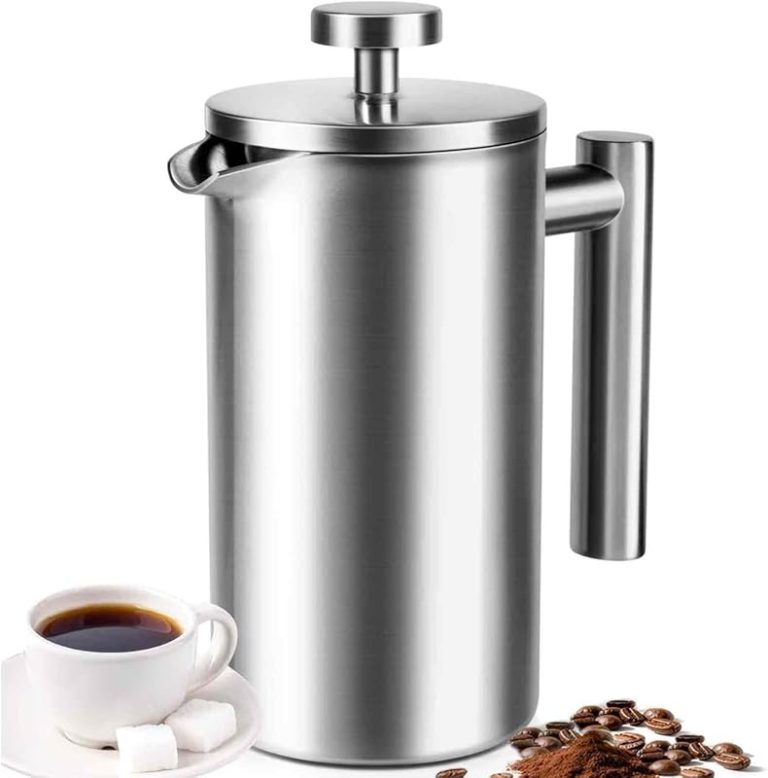
A French press is a manual coffee maker with a simple chamber, a plunger, and a mesh filter. You add coffee and water, wait a few minutes, then press the filter down and pour.
That’s the basic answer to how does french press coffee maker work. It brews by immersion, which means the coffee stays in full contact with water during the steep.
The simple parts inside a French press
Most French presses have just a few parts. That makes them easy to learn and easy to clean.
Plunger rod
Mesh filter
Lid and cap
The chamber holds the water and grounds. The plunger sits on top and moves the filter down through the liquid. The filter does not make coffee as clear as paper filters, but it does hold back most grounds.
In short: a French press is simple because it has fewer parts than many other coffee makers.
Why this brewing style feels different from drip coffee
French press coffee tastes fuller and heavier than drip coffee. That happens because the metal mesh lets more fine oils and tiny particles stay in the cup.
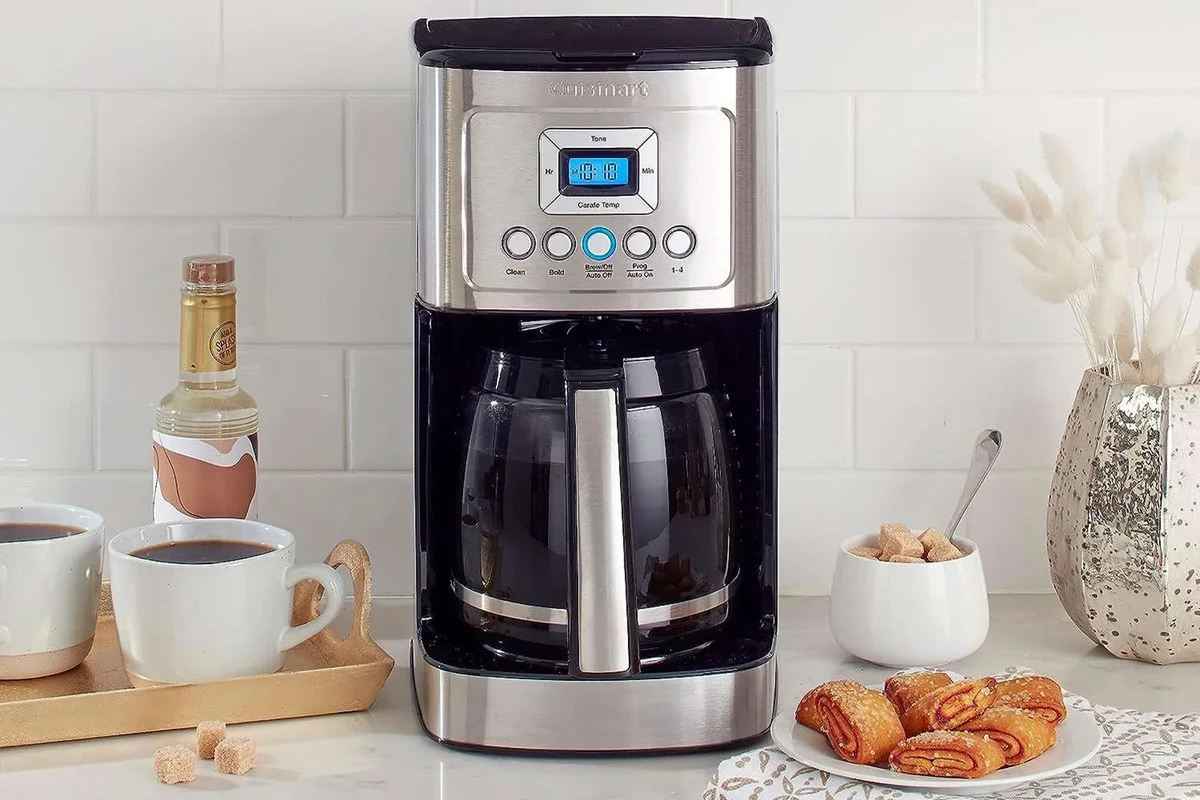
Drip coffee usually tastes cleaner and lighter. It uses a paper filter that catches more of the oils and sediment.
French press brewing is also called immersion brewing because the grounds soak in the water.
How Does French Press Coffee Maker Work
The process is simple, but each step matters. Small changes can affect taste, texture, and how much grit ends up in the cup.
Step 1: Add coarse coffee and hot water
Start with coarse ground coffee. Add it to the press, then pour in hot water.
Coarse grounds help keep the brew from turning muddy. They also make pressing easier later.
Place the grounds in the empty press before adding water.
Wet all the grounds so they can steep at the same rate.
In short: the first step sets the stage for the whole brew.
Step 2: Let the grounds steep in the water
After you add water, let the coffee sit. This steeping time lets the water pull flavor, oils, and color from the grounds.
During this stage, the brew gets stronger and darker. If you rush it, the coffee may taste weak or sour.
Steep time can vary by roast, grind, and taste. Follow your brewer’s manual if it gives a set time.
Step 3: Press the filter down slowly
When steeping ends, press the plunger down slowly and with steady pressure. The mesh filter pushes the grounds toward the bottom.
Go slow. Fast pressing can stir up sediment and make the cup taste harsher.
Use care with hot water and hot glass or metal. Keep hands clear of the top edge while pressing.
Step 4: Pour and serve right away
Pour the coffee as soon as you finish pressing. If it sits in the press, it keeps brewing and can turn bitter.
This is one reason French press coffee tastes best fresh. The flavor changes fast after the brew ends.
Grind size has a big effect on taste, sludge, and ease of pressing.
The Right Coffee, Water, and Grind Size
Good French press coffee depends on a few simple basics. The bean, grind, and water all shape the final cup.
Best grind size for clean results
A coarse grind usually works best. It helps the filter separate the grounds and keeps the cup from getting too cloudy.
If the grind is too fine, the press can feel stiff. The coffee may also taste bitter or gritty.
- Use a burr grinder if you want more even grounds.
- Grind right before brewing for fresher flavor.
- Keep the grind consistent for easier pressing.
Water temperature and brew ratio basics
Hot water matters, but boiling water is not always the best choice. Very hot water can pull harsh flavors from the coffee.
The coffee-to-water ratio also changes strength. More coffee makes a bolder cup. Less coffee makes it lighter.
Varies by recipe and taste
Low for most home users
Simple flavor changes from small adjustments
Small changes can make a big difference. A little more steep time can deepen flavor. A little less can brighten it.
If the coffee tastes too strong, use less coffee or shorten the steep. If it tastes weak, try a bit more coffee next time.
Benefits and Limits of French Press Coffee
French press coffee has a loyal fan base for good reason. Still, it is not perfect for every drinker.
Why many coffee drinkers like the bold taste
Many people like French press coffee because it tastes rich and full. The mesh filter lets more natural oils stay in the cup.
That gives the brew a heavier body than many other methods. If you like a strong, cozy cup, this style is a good fit.
- Simple setup with few parts
- Bold flavor and fuller body
- No paper filters needed
- Easy to learn for beginners
Where French press coffee can fall short
The same mesh filter that adds body can also let sediment through. Some people love that. Others do not.
French press coffee can also cool fast if it sits too long. And cleanup can be a little messier than drip coffee.
- Rich taste and strong aroma
- Simple parts and easy setup
- No paper filter waste
- More sediment than paper-filter coffee
- Needs careful timing
- Can be harder to clean well
How it compares with drip and pour-over
Drip coffee is usually simpler if you want a clean cup and easy batch brewing. Pour-over gives you more control, but it takes more attention.
French press sits in the middle. It stays simple like drip, but it gives a fuller taste that many people prefer.
| Option | Best For | Key Consideration |
|---|---|---|
| French press | Bold flavor lovers | More body, more sediment |
| Drip coffee | Easy daily brewing | Cleaner cup, less hands-on |
| Pour-over | Control and clarity | More skill and attention |
Common French Press Mistakes and How to Avoid Them
Most French press problems come from a few easy-to-fix habits. Once you know them, better coffee gets much easier.
Using coffee that is too fine
Fine grounds can slip through the mesh and make the cup muddy. They can also make the plunger harder to push.
Use coarse grounds for the best balance of flavor and filter flow.
The coffee tastes gritty or the plunger feels stuck.
Switch to a coarser grind and check that the filter parts are clean and seated well.
Pressing too fast or too hard
A quick press can stir up the grounds at the bottom. That can make the coffee taste rough and look cloudy.
Press with gentle, steady pressure. The plunger should move smoothly, not fight you.
Letting the coffee sit too long after brewing
Once the steep ends, the coffee keeps extracting. That can push the flavor from bold to bitter.
Pour what you need right away. If you want to keep it warm, move it to an insulated carafe if your setup allows it.
- Pour soon after pressing
- Keep the filter clean
- Use steady, gentle pressure
- Using very fine coffee
- Forcing the plunger down fast
- Leaving brewed coffee in the press
Safety Tips, Cleaning, and Daily Care
French press brewing is simple, but hot water and glass still need respect. A few safe habits help protect both you and the brewer.
How to handle hot water and glass safely
Always place the press on a stable surface. Keep it away from the counter edge while you add water or press the plunger.
If your press uses glass, handle it with extra care. Sudden temperature changes can stress the glass, so check the manual for care steps.
Follow the appliance manual and stop using damaged equipment.
Easy cleanup after each use
Cleanup is easier if you deal with the grounds right away. Dump them, rinse the parts, and wash the chamber before oils dry on the surface.
Many presses have parts that come apart for cleaning. That helps you reach the mesh and the rim.
Empty the grounds, rinse all parts, and wash with mild soap.
Check the mesh and plunger for buildup or loose parts.
Deep cleaning and part care for better taste
Old coffee oils can build up over time. That can leave stale flavors behind, even if the press looks clean.
Take the filter apart when the manual allows it. Clean each piece well, then dry it fully before storing.
Do not force parts apart if the manual does not support it. Check the maker’s care guide first.
What to Look for When Buying a French Press in 2026
If you’re shopping for a French press now, focus on practical details. Size, material, and filter quality matter more than flashy extras.
Size, material, and filter quality
Choose a size that fits your daily routine. A smaller press suits one or two cups. A larger one works better for shared use.
Material matters too. Glass, stainless steel, and other builds each have trade-offs in weight, heat hold, and care.
Value, durability, and ease of use
Good value is not just about the sticker price. It also includes how easy the press is to use, clean, and keep in good shape.
A sturdy lid, a well-made plunger, and a solid filter can matter more than a fancy look.
- Capacity and dimensions
- Material and filter build
- Cleaning method and part care
- Warranty and safety guidance
Who should choose a French press and who should not
A French press is a good match if you like bold coffee and simple tools. It’s also a smart pick if you want a low-tech brewer.
It may not be the best fit if you want a very clean cup or need coffee that stays hot for a long time.
Choose a French press for a rich, full cup with simple steps.
Choose drip or pour-over if you want less sediment.
Final Verdict: Is a French Press Worth It for You?
For many home coffee drinkers, yes. A French press gives you strong flavor, simple use, and a low-fuss brewing process.
The trade-off is clear. You get more body and richness, but also more sediment and more need for careful timing.
Best use cases for home coffee drinkers
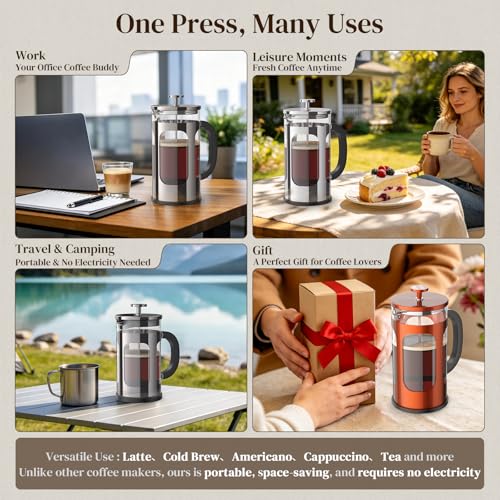
A French press works well for slow mornings, small kitchens, and people who enjoy hands-on brewing. It also suits anyone who wants a simple brewer without paper filters.
If you make coffee often and like to keep things easy, it can be a very practical tool.
Simple recommendation based on taste and budget
If you care most about flavor and simplicity, a French press is a strong choice. If you care most about a clean cup or quick cleanup, drip coffee may fit better.
A French press is worth it for bold, low-cost coffee brewing, especially if you do not mind a little sediment. If you want the cleanest cup or the least cleanup, a drip brewer may suit you better.
- French press coffee brews by steeping grounds in hot water.
- Coarse grind and slow pressing help improve taste.
- Pour soon after brewing to avoid bitterness.
- Clean the filter and chamber well after each use.
Frequently Asked Questions
A coarse grind usually works best. It helps the plunger move more easily and keeps more fine grounds out of the cup.
Steep time can vary by taste, roast, and recipe. Many brews taste best when you avoid both very short and very long steep times.
French press coffee often tastes fuller because the metal filter lets more oils and fine particles stay in the cup. Drip coffee usually tastes cleaner because paper filters catch more of those solids.
Empty the grounds right away, rinse the parts, and wash them with mild soap. If your model allows it, take apart the filter pieces for a deeper clean.
You can, but it usually causes more grit and can make pressing harder. Coarse grounds are the safer and easier choice for most presses.
Check capacity, material, filter quality, cleaning ease, and the maker’s safety guidance. The best choice depends on how many cups you brew and how much cleanup you want to handle.