How French Press Coffee Maker Works for Better Coffee

A French press works by steeping coffee in hot water and then pressing a mesh filter through the brew. It makes a rich cup with more body, but you need the right grind and timing.
A French press works by steeping coffee grounds in hot water, then using a plunger and mesh filter to separate the liquid. It’s simple, low-cost, and gives you a rich cup with more body than many drip brewers.
- Simple method: Coffee steeps in water before a mesh plunger separates it.
- Best grind: Coarse coffee helps prevent grit and makes pressing easier.
- Taste profile: French press coffee tastes rich because more oils stay in the cup.
- Main mistakes: Fine grinds, long steeping, and boiling water can hurt flavor.
- Best fit: It suits drinkers who want control and a bold, full cup.
How French Press Coffee Maker Works: The Simple Answer
A French press makes coffee by soaking ground coffee in hot water for a few minutes. Then you press a metal mesh filter through the brew and pour the coffee out.
The whole idea is easy. Water pulls flavor from the grounds while they sit together. The plunger only helps separate the grounds from the finished coffee.
What happens when hot water meets ground coffee
When hot water hits coffee, it starts pulling out oils, acids, and flavor compounds. This is called extraction. The longer the grounds stay in the water, the more flavor comes out.
In a French press, the grounds stay fully mixed with the water during steeping. That gives the water more contact with the coffee than a quick brew method.
French press coffee keeps more natural oils than paper-filter coffee. Those oils help create a fuller mouthfeel.
Why this method gives a rich, full cup
The mesh filter lets tiny coffee oils pass into your cup. It also lets some fine sediment through. That’s why French press coffee can taste bold and feel heavier on the tongue.
For many coffee drinkers, that richer feel is the big draw. If you like a clean, bright cup, this style may feel too heavy.
French Press Parts and What Each One Does
A French press has only a few parts, but each one matters. If one piece wears out or fits poorly, the cup can taste muddier or become harder to press.
Holds the water and coffee during steeping.
Pushes the filter down to separate grounds.
Traps most grounds while letting oils pass through.
Helps hold heat and keeps the plunger in place.
Glass, stainless steel, and plastic carafes
Glass carafes let you see the brew, which helps beginners. They can also be more fragile, so careful handling matters.
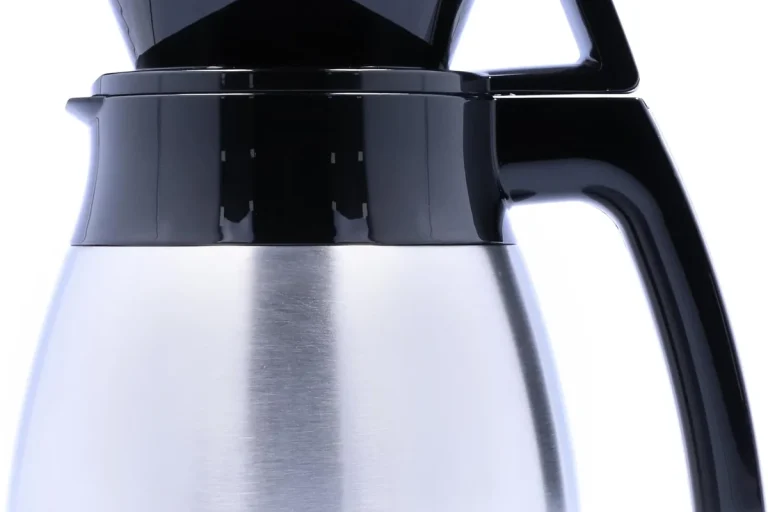
Stainless steel models often hold heat better. They usually feel sturdier, but you can’t watch the brew as easily.
Plastic models are light and often budget friendly. Still, quality can vary by model, so check the material and care notes before buying.
Plunger, mesh filter, and lid
The plunger is the rod you push down by hand. It should move smoothly without sticking.
The mesh filter does most of the work. It catches grounds, but it does not remove every fine particle.
The lid helps keep heat in while the coffee steeps. Some lids fit tighter than others, so model design can affect heat loss.
French press designs vary by brand. Always check the manual for care steps, filter parts, and safe use details.
Best size options for one person or a group
Small presses work well for one person or two light cups. Larger presses fit better when you want several servings at once.
Choose the size that matches your normal routine. A press that is too large can waste coffee, while one that is too small can feel limiting.
Best for one person, small kitchens, and simpler cleanup.
Best for shared mornings, guests, and larger batches.
Step-by-Step Brewing Guide for Better Coffee
Good French press coffee comes from a few simple habits. The grind, water, time, and pour all affect the final cup.
Choose the right grind size
Use a coarse grind. It should look a bit like sea salt, not fine sand.
A fine grind can slip through the filter and make the cup muddy. It can also make pressing harder than it should be.
Measure coffee and water the right way
The best ratio depends on taste, bean type, and press size. A balanced starting point helps you adjust later.
Use enough coffee to make the brew taste full, but not so much that it turns bitter. If you like a stronger cup, add a little more coffee next time.
- Start with a standard ratio, then adjust in small steps.
- Use fresh beans for better aroma and taste.
- Grind right before brewing when you can.
Steep time, water temperature, and pressing
Hot water should be just off the boil, not violently boiling. Water that is too hot can pull harsh flavors from the grounds.
Let the coffee steep for a few minutes, then press slowly and evenly. A smooth press helps keep the grounds settled at the bottom.
Hot glass, steam, and metal parts can burn you. Use care when pressing and pouring, and keep the press on a stable surface.
How to pour without overextracting
Pour the coffee soon after pressing. If the brewed coffee sits with the grounds too long, it can taste stronger and more bitter.
If your press has leftover coffee, pour it into another container. That helps stop extra extraction.
Place the coffee in the bottom of the press.
Wet all the grounds and stir gently if needed.
Wait, then press slowly and pour right away.
Why French Press Coffee Tastes Different
French press coffee tastes fuller because the brew keeps more oils and fine particles. That changes both flavor and texture.
Flavor body, oils, and sediment
The oils in coffee add a round, rich feel. They also carry aroma well, which can make the cup seem more intense.
Some sediment is normal in French press coffee. That fine layer at the bottom is part of the method, not always a sign of a bad brew.
How brew time changes taste strength
Shorter steeping usually gives a lighter cup. Longer steeping usually gives a stronger cup.
However, too much time can push the brew into bitter territory. That’s why timing matters as much as grind size.
What makes it stronger or smoother
More coffee, a finer grind, and longer steeping all make the cup stronger. A coarser grind and a shorter steep can make it smoother.
If the coffee tastes harsh, try less steeping time first. If it tastes weak, adjust the dose before changing everything else.
Common Mistakes and How to Avoid Them
Most French press problems come from a few easy-to-fix habits. The good news is that small changes can improve the cup fast.
Using the wrong grind
A too-fine grind makes the coffee cloudy and hard to press. It can also leave grit in the cup.
Use a coarse grind for better flow and cleaner pressing.
The coffee tastes muddy and the press feels stiff.
Switch to a coarser grind and check that the filter sits flat.
Letting the coffee steep too long
Long steeping can make coffee bitter and dry. It can also make the cup feel heavy in a way you may not like.
Set a timer and pour when the brew is ready.
Pressing too hard or too fast
Fast pressing can stir up the grounds and add grit to the cup. It can also splash hot liquid upward.
Press with steady, gentle pressure instead.
Using water that is too hot
Boiling water can scorch the grounds and pull bitter notes. That is one of the fastest ways to ruin a good bean.
Let the water cool briefly before brewing.
- Use coarse grounds and a steady press.
- Pour soon after steeping ends.
- Keep the brew time consistent.
- Don’t use espresso-fine coffee.
- Don’t leave brewed coffee sitting in the press.
- Don’t force the plunger down fast.
Safety, Cleaning, and Daily Maintenance
A French press is simple, but it still needs safe handling and regular cleaning. That keeps the coffee tasting better and helps the parts last longer.
How to handle hot glass and metal parts
Use a dry, stable counter. Wet hands can slip, especially with smooth glass or steel.
Keep the press away from the counter edge. Steam and hot liquid can cause burns if the press tips.
How to clean the mesh filter well
Take the plunger apart as your manual allows. Rinse out trapped grounds right after brewing so they do not dry in place.
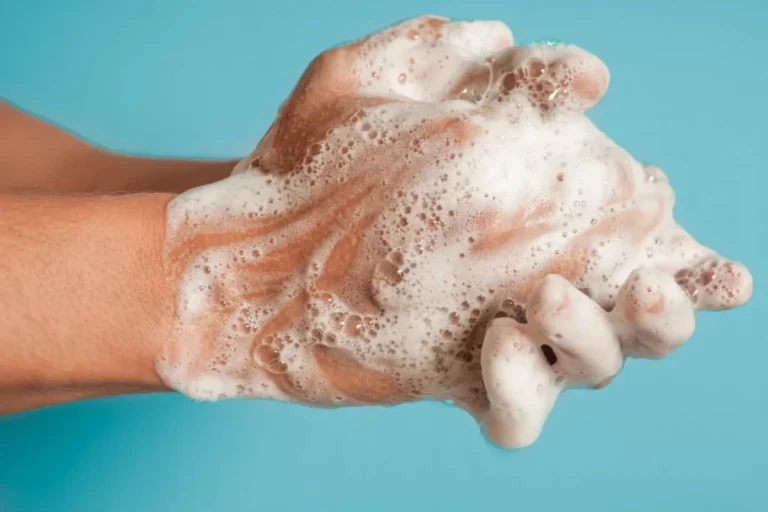
Wash the mesh and other removable parts with warm water and mild soap. Some models may be dishwasher safe, but check first.
Empty grounds, rinse parts, and wash the filter before residue dries.
Inspect the mesh, seal, and lid fit for wear or buildup.
When to replace worn parts
Replace the filter if it bends, tears, or lets too many grounds through. A loose plunger or cracked carafe can also make the press unsafe.
If a part no longer fits well, look for the correct replacement from the maker.
Stop using any press with cracks, sharp edges, or damaged parts. Follow the manual and replace broken pieces before brewing again.
Cost, Value, and Who a French Press Fits Best
A French press is often one of the simplest ways to make coffee at home. It usually costs less than many electric coffee systems, but value depends on what you want from your cup.
Low cost compared with other brew tools
Compared with many electric brewers and espresso setups, a French press is usually a low-cost option. You also do not need paper filters or complex controls.
That simple setup can make it a smart pick for small kitchens.
Best for coffee lovers who want control
If you like adjusting grind, brew time, and strength, this method gives you room to experiment. Small changes can make a clear difference.
That control is great for people who enjoy dialing in a cup by taste.
Limits for people who want a cleaner cup
If you want a very clear brew, French press may not be your best fit. The mesh filter lets more fine material through than paper filters do.
That does not make it worse. It just means the style is different.
- Capacity and dimensions
- Filter quality and build materials
- Cleaning steps and spare part access
- Manual, warranty, and safety details
Final Recommendation: Is a French Press Worth It in 2026?
Yes, a French press is still worth it for many home coffee drinkers in 2026. It stays popular because it is simple, affordable, and easy to learn.
Best use cases for home brewing
Choose a French press if you want a richer cup and more control over taste. It works well for one person, couples, or small groups.
It also fits people who want a manual brewer without cords, buttons, or filters.
When to choose another coffee maker instead
Pick another brewer if you want a cleaner cup with less sediment. A drip machine or pour-over setup may suit that taste better.
If you want speed and convenience for busy mornings, an electric coffee maker may also fit better.
A French press works by steeping coffee directly in hot water, then filtering it with a mesh plunger. It’s a strong choice for rich flavor, simple setup, and low cost, but it may not suit people who want a very clean cup.
In short, the French press is easy to use once you learn the grind, water, and time balance. If you value bold taste and hands-on brewing, it’s still a very good pick.
Frequently Asked Questions
Use a coarse grind. Fine coffee can slip through the mesh filter and make the cup muddy.
Start with a balanced ratio and adjust to taste. If you want a stronger cup, use a little more coffee next time.
Use hot water that is just off the boil, not a full rolling boil. Water that is too hot can make the coffee taste harsh.
The mesh filter lets some fine coffee particles through. That light sediment is normal for this brewing method.
Rinse the parts right after use and wash the filter with warm water and mild soap. Check the manual before putting any part in a dishwasher.
Use a coarser grind, shorten the steep time a little, and pour the coffee soon after pressing. Small changes often improve the taste fast.