How Do French Press Coffee Makers Work Simple Guide

A French press works by steeping coffee grounds in hot water, then pressing a mesh filter down to separate the drink from the grounds.
It makes a rich, full cup, but it works best with coarse grind, careful timing, and simple cleanup.
A French press works by steeping coffee grounds in hot water, then using a mesh plunger to separate the grounds from the drink. It is simple, low-tech, and great for a bold, full cup.
- Simple brew method: Coffee steeps first, then the plunger separates the grounds.
- Grind matters most: Coarse grounds help with taste, pressing, and cleanup.
- Best flavor setup: Use hot water just off the boil and avoid over-steeping.
- Main trade-off: You get bold coffee, but also a little sediment.
What a French Press Is and the Short Answer to How It Works
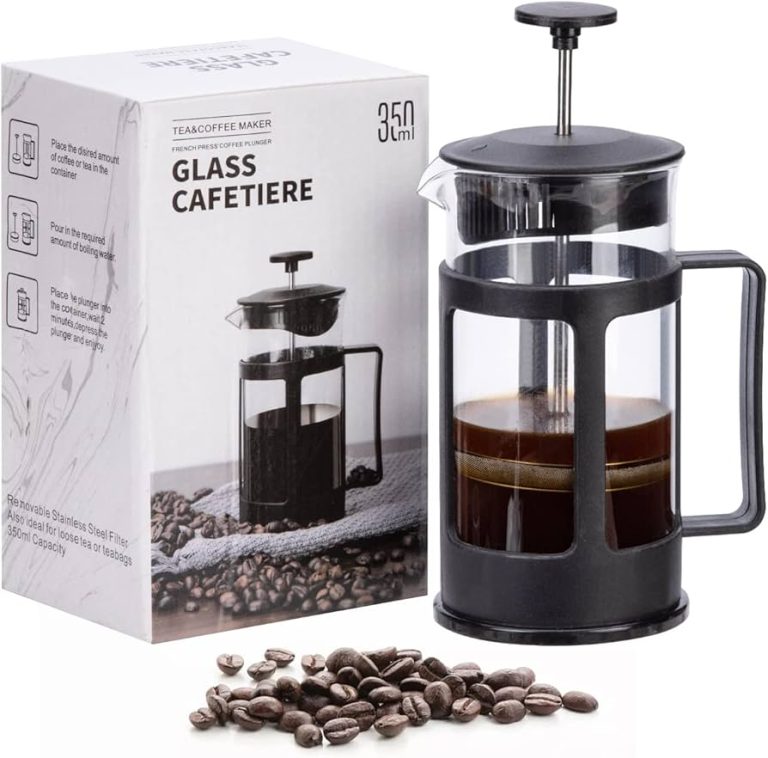
A French press is a manual coffee maker with a carafe, a lid, and a plunger. You add coffee and hot water, wait a few minutes, then press the filter down.
The short answer is this. The grounds soak in water first, and the mesh filter catches most of them at the end.
The basic parts of a French press
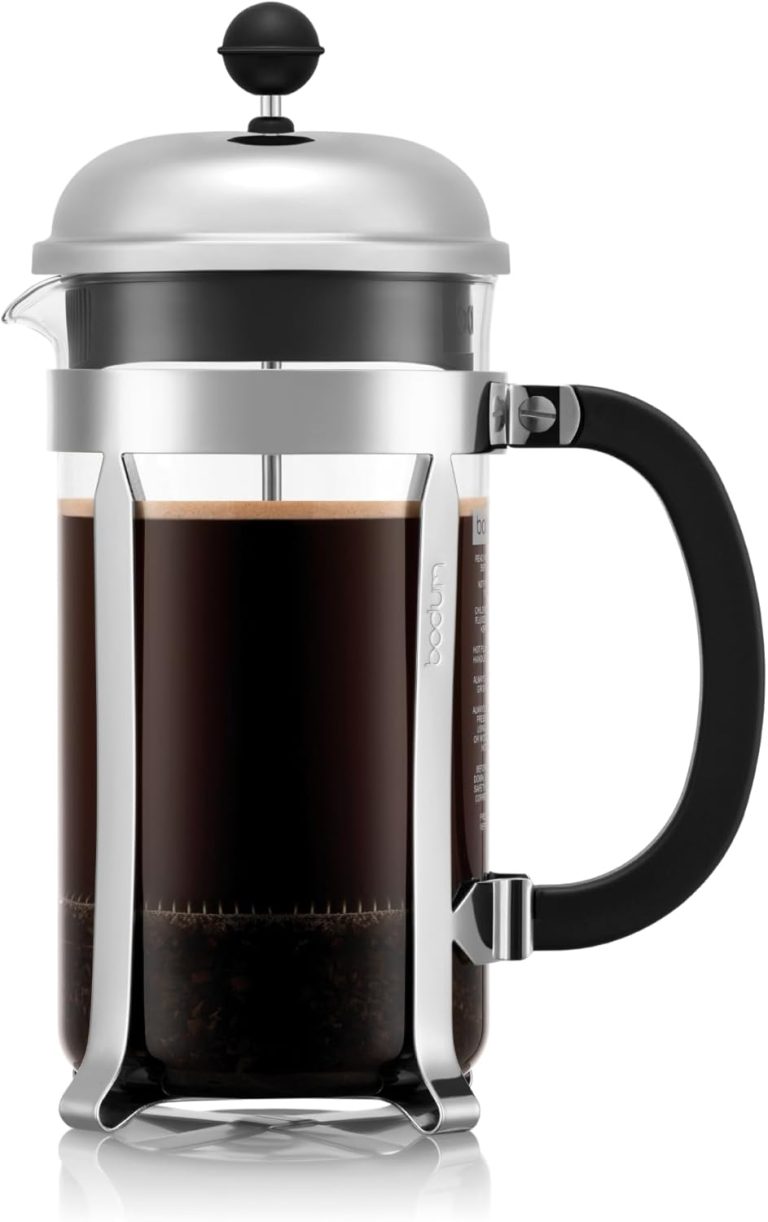
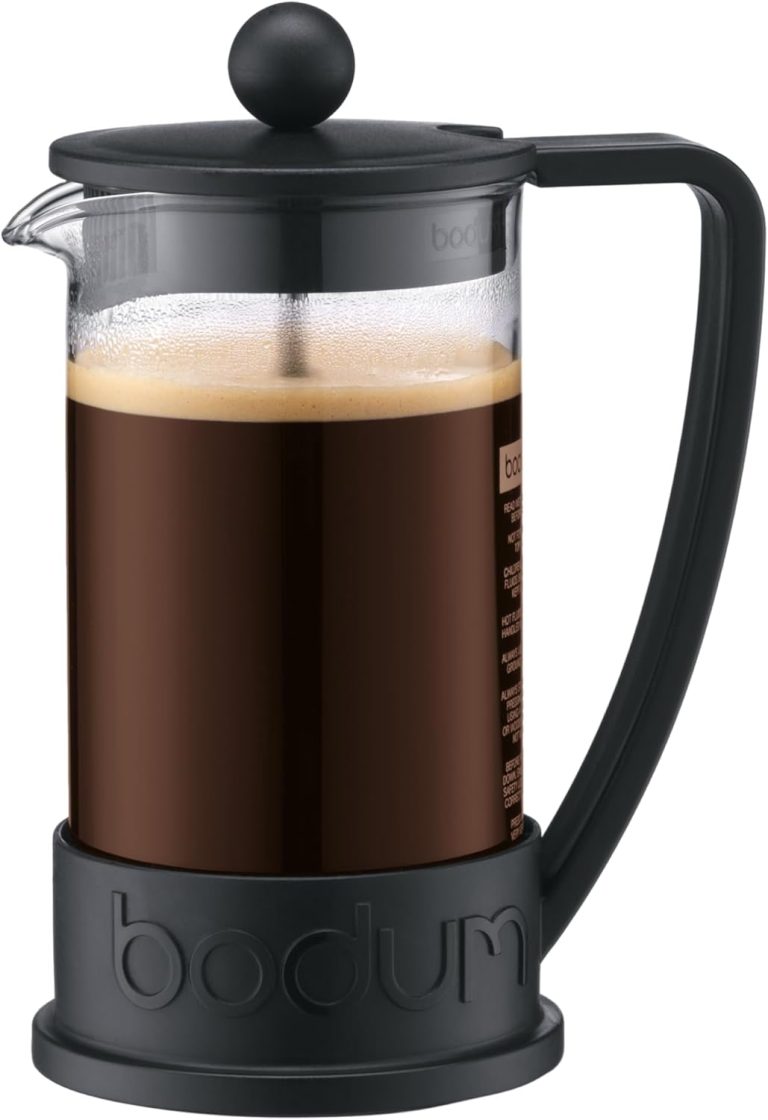
Most French presses have four main parts. They are the carafe, plunger, lid, and mesh filter.
The carafe holds the brew. The plunger pushes the filter through the liquid. The mesh filter helps separate coffee from grounds.
French Press Parts at a Glance
Knowing the parts makes the brewing steps easier to follow and easier to clean.
Holds the coffee and hot water during steeping.
Pushes grounds down and leaves brewed coffee above them.
The simple brewing process in plain terms
You place coarse coffee grounds in the press. Then you pour in hot water and let it sit.
After steeping, you press the plunger down slowly. That pushes the filter through the coffee and traps the grounds below it.
Why this method makes a rich cup
French press coffee tastes rich because the grounds stay in contact with water longer. That pulls out more oils and flavor compounds.
It also skips a paper filter. So more of the coffee’s natural oils stay in the cup.
Paper filters can catch some oils and fine particles. A mesh filter lets more of both through.
How French Press Brewing Works Step by Step
Once you know the flow, the method is easy to repeat. The key is to use the right grind, water, and steep time.
Adding coffee and hot water
Start with coffee grounds in the empty press. Then pour in hot water that is not boiling hard.
Many people stir gently after pouring. That helps wet all the grounds and starts an even steep.
Steeping time and what happens inside the carafe
During steeping, the water pulls flavor, oils, and color from the coffee. This is the main brew stage.
If you leave it too short, the cup can taste weak. If you leave it too long, it can taste bitter or muddy.
Steep time can vary by bean, grind, and personal taste. Many home brewers start around four minutes, then adjust.
Pressing the plunger and separating the grounds
When steeping ends, press the plunger down slowly and with steady pressure. Do not force it.
A smooth press helps keep grounds from shooting up or slipping past the filter edge.
Why grind size matters so much
Grind size changes how fast water pulls flavor from the coffee. That makes it one of the biggest brew factors.
Too fine a grind can clog the filter and make the press hard to push. It can also leave more grit in the cup.
Never use a very fine espresso-style grind in most French presses unless the manual says it is safe.
Best Coffee, Grind, and Water for French Press
The best results usually come from fresh coffee, a coarse grind, and hot water that is not too hot.
Choosing the right coffee beans
You can use many bean types in a French press. Medium and dark roasts often taste bold and smooth.
That said, lighter roasts can also work well if you like brighter flavors. The bean choice is mostly about taste.
The ideal coarse grind for better results
A coarse grind looks like sea salt. That size helps water move through the grounds at a good pace.
It also makes pressing easier and helps reduce sludge in the cup.
Water temperature and brew ratio basics
Hot water matters, but boiling water can scorch coffee. Very cool water can under-extract it.
A common home-brew target is water just off the boil. Brew ratios also vary, but many people start with a simple scoop-and-cup method.
Simple recipe setup for beginners
Use a coarse grind and fill the press partway with hot water first. Stir gently, then add the rest of the water.
Let it steep for a few minutes, then press slowly. If the cup tastes too strong, use less coffee or a shorter steep.
- Preheat the press with hot water for a steadier brew.
- Pour slowly to wet all the grounds evenly.
- Pour the coffee out soon after pressing to reduce bitterness.
Benefits and Limits of French Press Coffee Makers
A French press has a lot going for it. It also has a few trade-offs you should know before you buy one.
Big flavor and full body
French press coffee often tastes fuller than drip coffee. That comes from the long steep and the mesh filter.
If you like a heavier cup, this method is a strong fit.
No paper filter and more natural oils
The mesh filter does not trap as much oil as paper. Many people enjoy that richer mouthfeel.
It can make the brew feel more round and less sharp.
Common limits like sediment and cleanup
French press coffee can leave fine bits in the cup. Some drinkers do not mind that at all.
Cleanup also takes a little more work than a drip machine. You need to empty the grounds and wash the filter parts.
- Rich flavor and full body
- Simple, no electricity needed
- Easy to learn
- Some sediment in the cup
- Needs hand cleaning
- Less forgiving with grind size
Who French press coffee suits best
It suits people who want bold coffee and simple gear. It also works well for small kitchens and quiet mornings.
If you want one-button convenience, another brewer may fit better.
Common Mistakes That Affect the Brew
Most French press problems come from a few easy-to-fix habits. The good news is that they are simple to correct.
Using coffee that is too fine
Fine grounds can clog the filter and make the press harder to push. They can also make the coffee cloudy.
Use a coarse grind instead. That is the safest and easiest starting point.
Leaving it to steep too long
Long steeping can pull out harsh flavors. It can also make the cup taste heavy and flat.
If you want a stronger cup, try more coffee first. Do not always just add more time.
Pressing too hard or too fast
A fast press can splash hot coffee. It can also stir up the grounds below the filter.
Press slowly and keep your hand steady.
Using water that is too hot or too cool
Water that is too hot can make coffee taste burnt. Water that is too cool can make it taste thin.
Let boiling water rest for a short time before pouring. That helps it cool a bit.
The coffee tastes bitter or muddy.
Use a coarser grind, shorten the steep, and pour the coffee out sooner.
Safety, Cleaning, and Maintenance Tips
French presses are simple, but hot water and glass still need care. Cleaning also matters if you want better-tasting coffee.
Handling hot glass and metal parts safely
Be careful when pouring hot water into a glass press. The glass can get hot fast.
Use a stable counter and keep the press away from the edge. If the carafe is cracked or damaged, stop using it.
Follow the appliance manual and stop using damaged equipment.
How to clean the mesh filter and plunger
Rinse the filter parts soon after use. Coffee oils and fine grounds can stick if you wait too long.
Many presses let you take the filter apart for a deeper wash. Check the manual before removing any parts.
How often to deep clean the press
A quick rinse after each use is a good habit. A deeper wash helps remove oils and hidden residue.
If coffee starts tasting stale, the press may need a more careful cleaning.
Empty the grounds, rinse the parts, and wash with warm soapy water.
Check the filter, plunger, and seals for buildup or wear.
Simple care tips to help it last longer
Dry the parts after washing if your manual recommends it. That can help reduce spots and odor.
Store the press where it will not get knocked over. For glass models, that matters even more.
How to Choose a French Press in 2026
Choosing a French press is mostly about material, size, and how easy it is to clean. The right one depends on your kitchen and your habits.
Glass, stainless steel, and travel-friendly options
Glass presses let you see the brew. Many people like that classic look.
Stainless steel models tend to feel sturdier and often hold heat longer. Travel-friendly presses can be useful if you brew in more than one place.
Best for classic looks and easy brew viewing.
Best for durability and heat retention.
Best for small spaces and portable brewing.
What to look for in size, build, and filter quality
Pick a size that matches how much coffee you make at once. A press that is too large can waste coffee.
Look for a sturdy plunger and a filter that fits snugly. A better fit can help reduce grit.
- Choose a size that fits your daily coffee habit.
- Check whether the parts are easy to wash.
- Review the manual for safe heat and care guidance.
- Look for a filter that feels secure and well made.
Value, price range, and what you get for the money
French presses often give strong value because they are simple. You are paying for materials, build quality, and filter design more than electronics.
Exact prices vary by brand and retailer, so compare features instead of chasing the lowest number.
Best choice for casual drinkers and daily users
Casual drinkers may want a basic model that is easy to clean. Daily users may prefer stronger build quality and a better filter.
If you brew often, small details matter more. A tight lid and easy wash parts can save time.
Final Verdict: Is a French Press Worth It?
For many home coffee drinkers, yes, a French press is worth it. It is simple, affordable in spirit, and good at making rich coffee.
Best reasons to buy one
It is easy to learn. It makes bold coffee. It also does not need electricity.
That makes it a smart fit for small kitchens, travel, or anyone who likes hands-on brewing.
When another coffee maker may be a better fit
If you want very clean coffee with no sediment, a drip brewer may suit you better. If you want speed and one-touch use, that may also point you elsewhere.
People who want the least cleanup may also prefer a different style.
Clear recommendation from the Red Kitchen Project Editorial Team
The French press is a great choice if you want full flavor and simple gear. It is less ideal if you want the cleanest cup or the fastest cleanup.
In short, buy a French press if you value taste, ease, and low fuss more than perfect clarity in the cup.
A French press is one of the easiest ways to make rich coffee at home. Choose it for bold flavor and simple brewing, but expect a little sediment and hand cleaning.
Frequently Asked Questions
A coarse grind usually works best. It helps the plunger move smoothly and cuts down on grit in the cup.
Many people start around four minutes, then adjust to taste. Shorter steeping can taste lighter, while longer steeping can taste bitter.
Use hot water that is just off the boil, not a rolling boil. Water that is too hot can make the coffee taste harsh.
Empty the grounds, rinse the parts, and wash them with warm soapy water. Check the manual before taking apart the filter for a deeper clean.
French press coffee steeps longer and uses a mesh filter instead of paper. That usually gives it a fuller body and more natural oils.
Try a coarser grind, a shorter steep, and a slower press. Also make sure you are not using water that is too hot.